





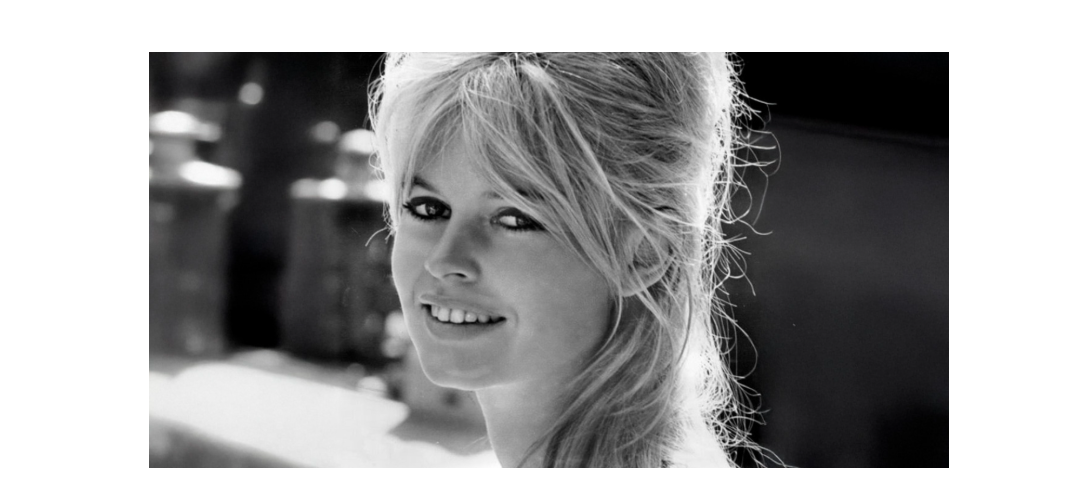
Her journey from a “sex symbol” with the film “And God Created Woman” by Roger Vadim, to abandoning acting at just 39 years old, and her fight for animal rights. Brigitte Bardot, the French actress and singer who became an international sex symbol before turning her back on cinema to dedicate herself to animal rights, died at the age of 91.
“The Brigitte Bardot Foundation announces with immense sorrow the death of its founder and president, Brigitte Bardot, an internationally recognized actress and singer who chose to leave a glamorous career to dedicate her life and energy to animal protection and her Foundation,” said a statement sent to the French Press Agency, without mentioning the date or place of death.
Bardot rose to international fame with the film “And God Created Woman” in 1956, written and directed by her then-husband Roger Vadim, and for the next two decades she embodied the image of the “sexy kitten.” However, in the early 1970s, she announced her retirement from acting and began to engage more and more politically.
Born in 1934 in Paris, “Bébé” — as she was nicknamed from the initials of her name — grew up in a wealthy, traditional Catholic family but excelled as a dancer, earning a place to study ballet at the famous Conservatoire de Paris. At the same time, she worked as a model and appeared on the cover of Elle in 1950, at just 15 years old.
Her modeling work paved the way for cinema. During one audition, she met Vadim, whom she married in 1952 after turning 18. She initially played small roles, gradually gaining more exposure. In 1955, she played the lover of Dirk Bogarde in the film Doctor at Sea, which was a big hit in Britain, according to The Guardian.
However, it was And God Created Woman, directed by Vadim, in which Bardot played an uncontrollable teenager in Saint-Tropez, that cemented her image and turned her into an international icon. The film was hugely successful both in France and internationally and propelled her to the forefront of movie stars.
Brigitte Bardot – Moi Je Joue
Beyond the general public, Bardot quickly became a source of inspiration for intellectuals and artists — including members of the legendary Beatles, John Lennon and Paul McCartney, who asked their then-girlfriends to dye their hair blonde to mimic her style.
Journalist Raymond Cartier wrote a lengthy article on “Le cas Bardot” (“The Bardot Case”) in Paris Match in 1958, while Simone de Beauvoir published her famous essay “Brigitte Bardot and the Lolita Syndrome” in 1959, presenting the actress as France’s most liberated woman. In 1969, Bardot was chosen as the first real model for Marianne, the symbol of the French Republic.
In the early 1960s, Bardot starred in a series of important French films, including the Oscar-nominated drama The Truth by Henri-Georges Clouzot, Very Private Affair by Louis Malle (alongside Marcello Mastroianni), and Jean-Luc Godard’s Contempt.
In the second half of the decade, she accepted offers from Hollywood, such as Viva Maria!, a period comedy set in Mexico starring Jeanne Moreau, and the western Shalako with Sean Connery.
Simultaneously, she pursued a music career, including recording the original version of Serge Gainsbourg’s song Je T’Aime… Moi Non Plus, which he had written for her during their extramarital affair. Fearing scandal when her then-husband, Günther Sachs, found out, Bardot asked Gainsbourg not to release it. He later re-recorded it with Jane Birkin, achieving huge commercial success.
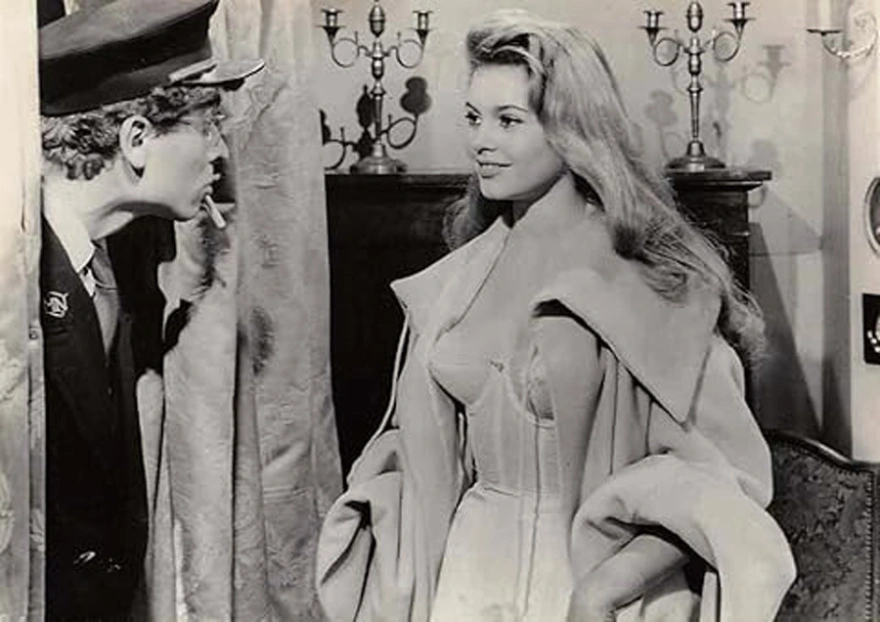
Brigitte Bardot’s evolution (1956 – 2024)
Life Away from the Public Eye
However, Bardot found the pressure of fame increasingly suffocating. As she told The Guardian in 1996, “The madness that surrounded me always seemed surreal. I was never truly prepared for the life of a star.”
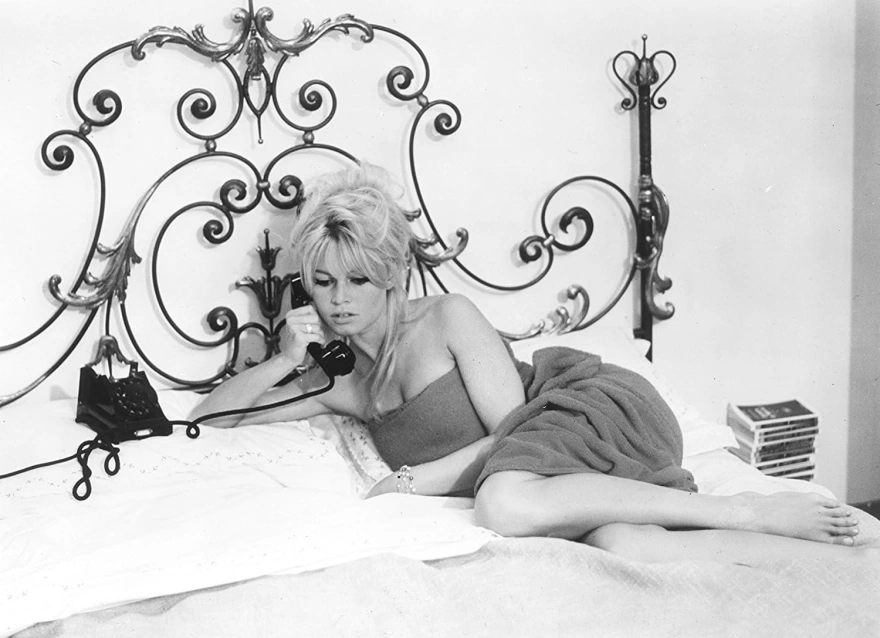
She retired from acting in 1973, at age 39, after the film The Edifying and Joyous Story of Colinot. Since then, she devoted herself to animal protection, participating in protests against seal hunting in 1977 and founding the Brigitte Bardot Foundation in 1986.
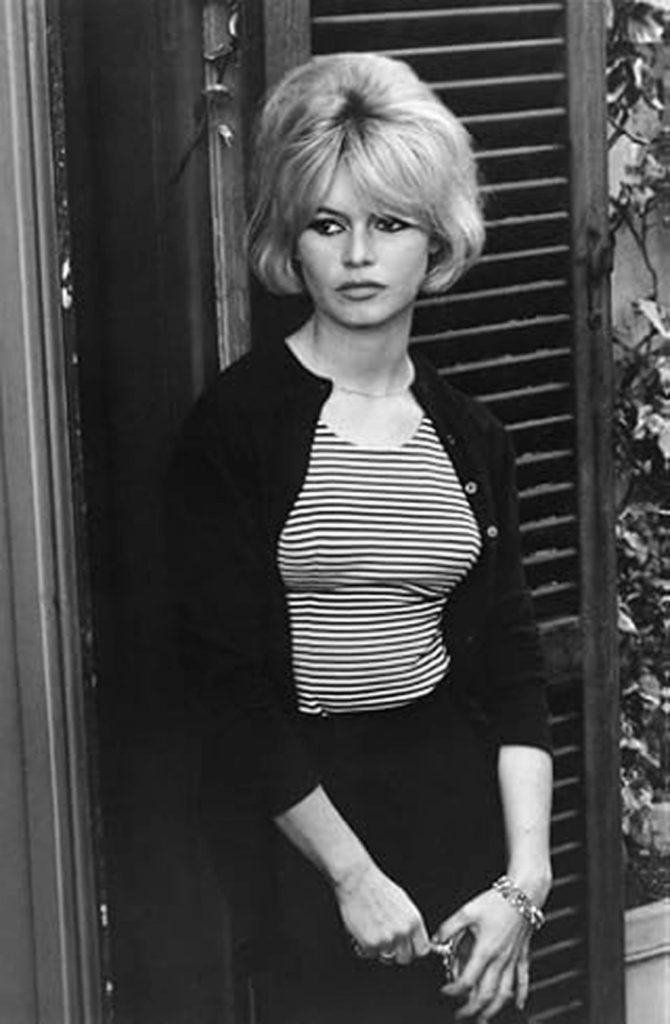
She sent letters of protest to world leaders about issues such as the extermination of dogs in Romania, the killing of dolphins in the Faroe Islands, and the slaughter of cats in Australia.
At the same time, she often expressed extreme views on the religious slaughter of animals. In 2003, in her book A Cry in the Silence, she adopted right-wing political positions, attacked gay men and women, educators, and what she called the “Islamization of French society,” which led to her conviction for inciting racial hatred.
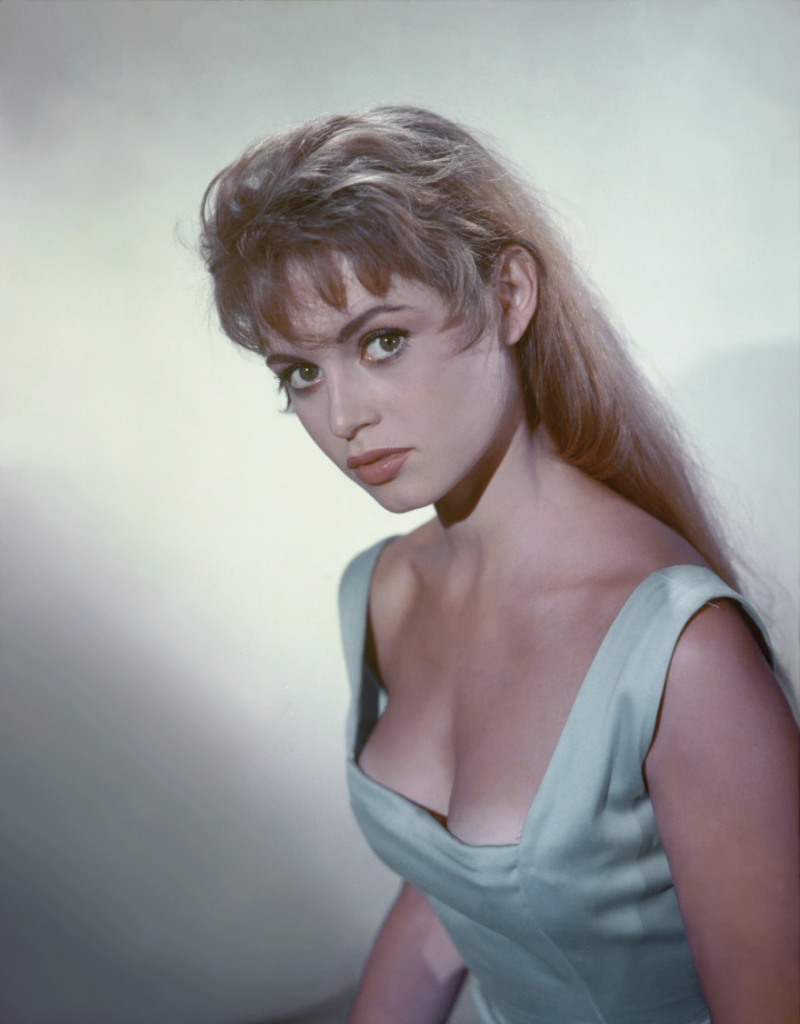
The Untold Truth Of Brigitte Bardot
Bardot had a long history of supporting the Front National (later renamed National Rally), telling The Guardian, “Regarding the terrible rise of immigration, I fully share Jean-Marie Le Pen’s views.” In 2006, in a letter to then-Interior Minister Nicolas Sarkozy, she said that the Muslim population in France “is destroying our country by imposing its practices.”
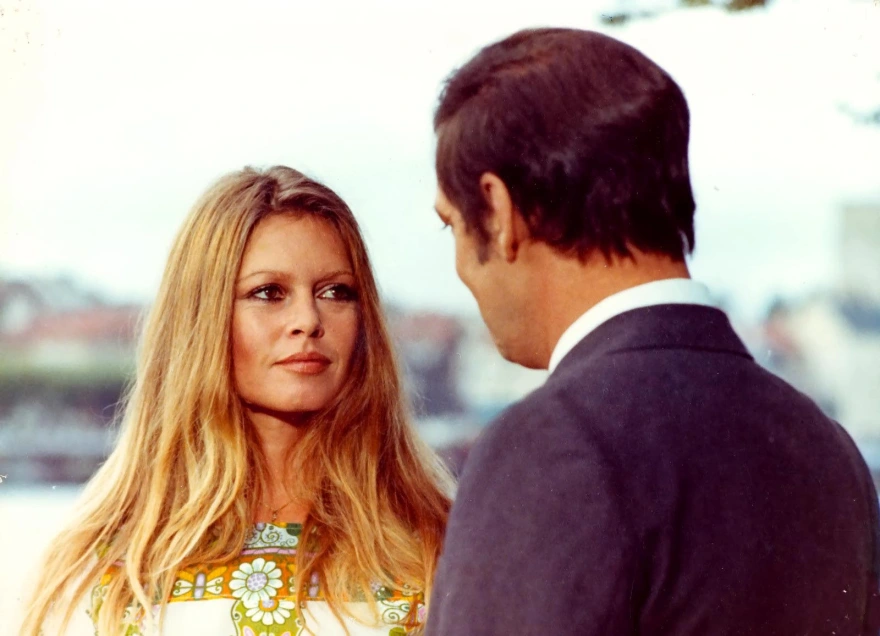
Bardot was married four times: to Vadim (1952-1957), Jacques Charrier (1959-1962), with whom she had a son, Nicolas, in 1960, to Sachs (1966-1969), and to former Le Pen advisor Bernard d’Ormale, whom she married in 1992.
Ask me anything
Explore related questions




