





Fraud gangs—usually Roma—posing as technicians from PPC or HEDNO, as well as other public service officials, have multiplied across Greece, especially in Athens. They have also become more sophisticated, now capable of convincing even the most skeptical or cautious citizens.
The phrase “open up, we’re from PPC,” which once became a joke, has proven to be anything but harmless.
Proof of this is the case of lyricist Evi Droutsa, who was persuaded to leave €22,000 wrapped in aluminum foil outside her front door.
The scammers use psychological tactics—such as mental exhaustion—commonly seen in criminal interrogation settings. They mix real data and events with fabricated ones to confuse and disorient their victims.
Data leaks
The gangs have gained access to databases containing citizens’ personal information. These were purchased as “packages” on the deep web and originate from large-scale hacks of private and public companies. The question “what could they be used for?” has now been answered.
These datasets are considered ideal raw material for serious crimes. Buyers are not random internet users, but organized criminal networks.
Prices vary depending on quality, freshness, and completeness:
- An email account with its password costs from a few cents up to €1–2
- Social media accounts cost €1–10, depending on followers and access
- Credit card details cost €5–30, with higher prices if CVV codes are included
- A full identity profile (“fullz”) costs €30–150 and may include name, address, tax number, and documents
Using these leaks, scammers can build highly convincing schemes. When they call a victim, they may already know the person’s father’s name, address, family status, or tax ID.
How the scam works
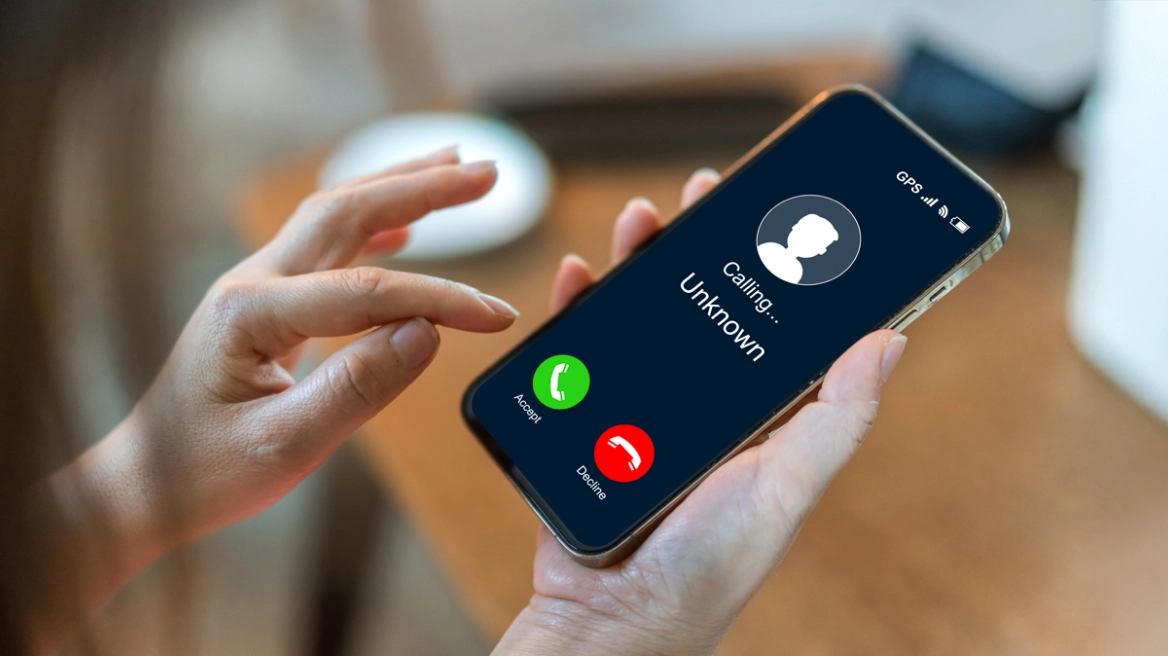
After gathering personal data, the leader of the criminal organization contacts unsuspecting citizens by phone, posing as an electricity company employee. Claiming an imminent risk of explosion or fire due to “high voltage,” they convince victims to place money and valuables outside their homes for “safekeeping.” Accomplices then collect the items.
Closing
The method is classic but dangerous: a combination of social engineering, audacity, and intense psychological pressure. The scammers call victims, claim to be HEDNO employees, and report a power leak, meter malfunction, or other urgent technical issue. They then request access to the home or the victim’s money, often claiming immediate bill settlements or “guarantees” are required.
Dozens of similar incidents have been recorded. In recent cases, scammers remain on the phone with victims for up to two hours, armed with detailed personal information. Repetition and stress exhaust the victim mentally and psychologically, stripping away critical thinking and turning them into an anxious “zombie” who blindly follows even the most irrational instructions.
Home invasions
If a victim proves difficult, members of the gang—dressed as technicians—enter the home for a supposed inspection. If valuables aren’t immediately found, they sabotage electrical appliances (fridge, washing machine, oven) or unplug them unnoticed.
The phone scammer then claims to “see a malfunction in the system.” When the victim checks and finds the appliance not working, they logically conclude the caller must indeed be an official. They are then instructed to gather money, jewelry, documents, and cards, wrap them in “special bags” or aluminum foil, and place them under the doormat.
In other cases, victims are told to wrap valuables in foil to “protect them from electrical leakage” and place them outside the home, where scammers retrieve them.
One of the most dangerous aspects of this scam is psychological exploitation. The perpetrators adopt a calm, official tone, introduce technical jargon, and create urgency. Concern for personal safety—combined with the authority of the HEDNO name—makes many citizens easy targets.
Ask me anything
Explore related questions




