





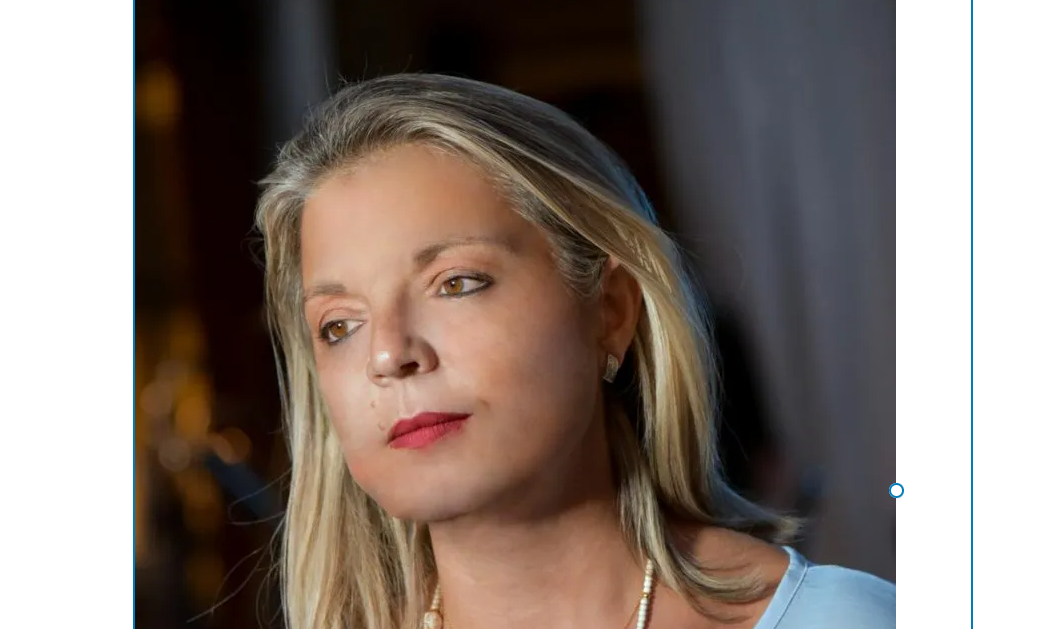
A Life Shaped by Sound and Storytelling
Pigi Lykoudi’s earliest memories are filled with music and sound. She began studying classical piano and music theory at a very young age, but quickly realized her true calling was creating her own compositions. Her desire to share stories through music led her to teaching and composition, and although her foundation is in classical music, she has never limited herself to a single genre.
“What fascinates me is the dialogue between different musical forms—from classical and art music to poetry set to music and contemporary styles,” she explains. “I always seek to connect music with language, philosophy, and human experience, because I believe music is more than just a style; it’s a way to converse with the world and ourselves.”
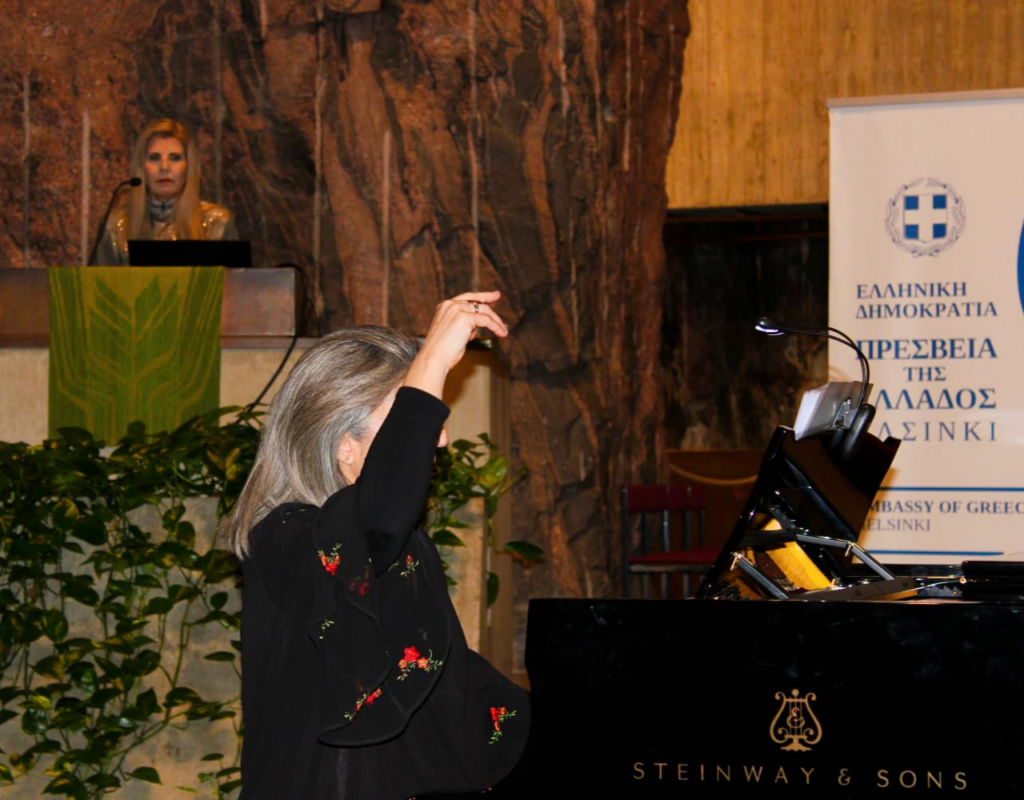
This connection drives her to constantly explore new depths and celebrate the beauty of Greek music and language. In honor of World Greek Language Day (February 9), Lykoudi recently appeared in Helsinki, where the Association of Greeks in Finland, the European School, and the Greek Embassy organized a two-day event dedicated to the enduring power of the Greek language.
Inspiration from Words and History
Your works blend history, poetry, and the Greek spirit. Where do you find your inspiration?
“My inspiration comes primarily from language—poetry, philosophy, historical events, and the spiritual journeys that have shaped Greek culture. Often, a text, a saying, or a historical moment acts as an inner spark, prompting me to seek the music hidden behind the words and their meanings.
“I’m especially drawn to the intersection of history and emotion, where human struggles and hopes become the core of creation. For me, the Greek spirit is not static; it’s a living, evolving force that speaks to the present. Composition becomes a bridge between eras, uniting language and music, and creating a space where past, present, and personal experience coexist.”
Is there a particular aspect of Greek tradition or modern poetry that serves as your ultimate muse?
“I couldn’t point to just one ‘absolute’ source, because inspiration is an ongoing, surprising dialogue for me. I’m deeply moved by ancient philosophical thought, Byzantine spirituality, and modern poetry—where language itself becomes musical. Poets who touch the essence of human existence, memory, identity, and the light of the Greek language often guide my creative process.
“The intention and need to create keeps me in a constant present, listening and allowing it to settle within me until it takes shape through composition. This process is decisive for me, adding joy to every day.
Collaborations and International Recognition
You’ve worked with renowned performers and orchestras. Which collaboration has left the deepest mark on you?
“Every collaboration has left its own imprint, because each great performer or orchestra brings a unique energy and perspective to my work. The most meaningful collaborations are those where music becomes a shared space of exploration, not just performance—where dialogue, trust, and artistic coexistence open new paths in my thinking.
“The turning point in my career was when I allowed myself to write my first song. From that moment, everything fell into place. It was an inner decision to follow my own voice and create works that reflect the value of my life’s journey.”
Your symphonic poem “Nikaia Kleos Orthodoxias,” based on poetry by Giannis P. Ioannidis, recently won two gold and one silver medal at international competitions. How do you experience international recognition, and what does it mean for your music to resonate beyond Greece’s borders?
“The emotion is profound and multifaceted. When a work born from the need to illuminate a religious and historical event travels beyond borders and touches people of different cultures, I feel the universality of music’s language.
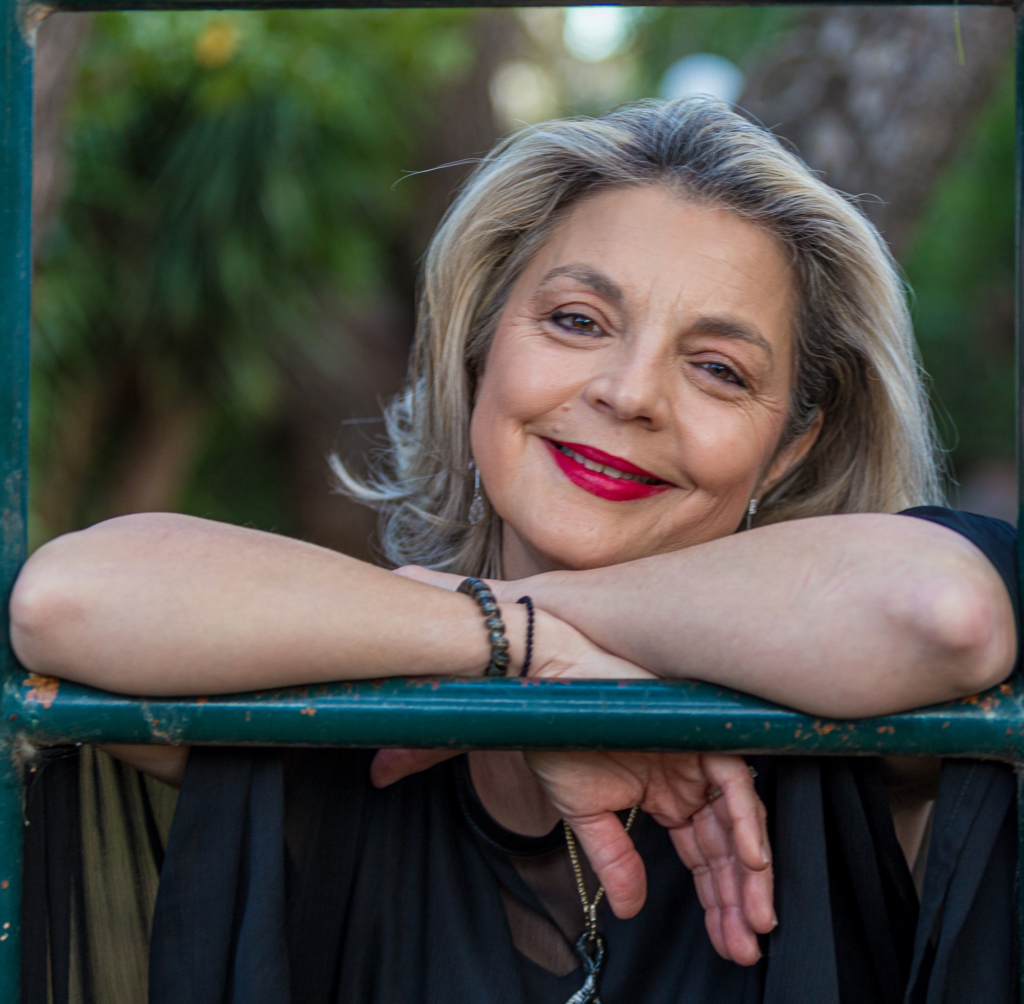
“At the same time, I feel a responsibility. When Greek creation finds a place and resonance in the international arena, I realize even more how important it is to convey our culture, history, and spirituality with respect and a contemporary artistic voice. It’s a journey that fills me with gratitude and drives me to continue creating with truth and faith in my inner voice.”
The Evolution of Greek Music and Its Global Perception
How has Greek music changed over the years, and how has the world’s perception of it evolved?
“Greek music keeps its roots alive while embracing experimentation, contemporary forms, and creative dialogues with other genres and cultures. Young creators are unafraid to blend tradition with modernity, the classical with the alternative, giving fresh energy to the musical landscape.
“Audiences have also changed. There’s greater familiarity with diverse sounds and a deeper need for authenticity. I feel this every time a concert ends. While some believe the world only seeks quick, consumable music, I don’t think that’s true. People are searching for authenticity again, and Greek music—with its rich language and tradition—has much to offer.
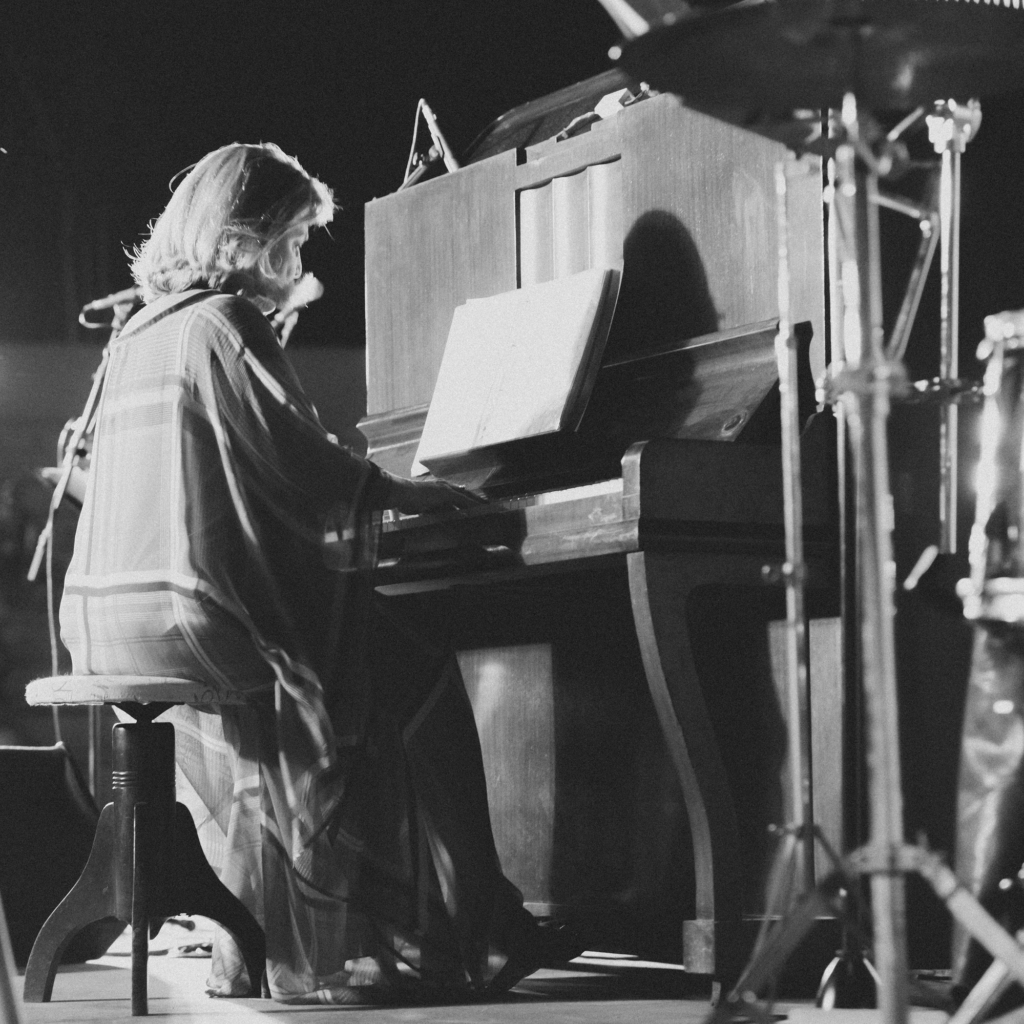
The Greek Language as Musical Identity
The Greek language is central to your musical identity. You recently presented it internationally in Geneva (UNESCO, December 16) and Helsinki (February 6-7) for World Greek Language Day. What does it mean to convey the vitality and soul of our language through music?
“The Greek language is, without exaggeration, a universal code of truth with divine origins, a source from which many European languages draw countless words. It’s not just a means of expression; it carries rhythm, melody, and memory. It holds centuries of thought, poetry, and philosophy, and when united with music, its deepest vibration is revealed.
“Through composition, I try to let words ‘breathe’ musically, creating a space where language becomes sound and sound acquires meaning. The recent presentation in Helsinki’s Temppeliaukio Church (Church of the Rock), carved entirely into natural stone, was one of the most moving experiences of my career. In that space, where nature, silence, and sound coexist, words and melodies echoed in a primal way that disarms and deeply connects everyone present.”
Future Plans and Advice for Young Creators
What are your next steps for your music, both in Greece and internationally?
“I’m focusing on two axes: creating new works and engaging with audiences. In Greece, I’m preparing compositions that combine music, literature, and scenic narrative, highlighting our rich cultural heritage with a contemporary perspective. Internationally, I aim to continue presenting my works at festivals, concerts, and collaborations that bring Greek creation closer to different cultures.
“Each new work is a journey, filled with challenges, joy, and discoveries. Music and language can unite the world, and every piece I create is a small step toward that connection.”
As a female composer in a traditionally male-dominated field, what message do you have for young women creators?
“My journey has been full of challenges and deep lessons. I entered a space where female presence wasn’t a given, which required persistence, self-confidence, and, above all, faith in my own voice. There were moments when I had to prove the value of my work twice over, but I chose to let the music speak first, because true art has no gender—it has essence.
“I would tell young women not to wait for anyone’s ‘permission’ to express themselves. Cultivate your knowledge, collaborate, dare, and trust your uniqueness. The sensitivity, strength, and different perspective each woman brings to creation are invaluable. Above all, remember that the path of art is not a competition, but a journey of honesty with yourself and the world.”
Teaching as a Source of Inspiration
Alongside composition, you’ve taught piano for many years. How does teaching influence your creative process?
“For me, teaching is not separate from creation; it’s a continuous, living exchange. Through my students, I see music with fresh eyes, free of preconceptions, which often brings me back to the essence: emotion, simplicity, and the truth of sound. Each child or adult who comes to the piano brings a different story and rhythm of life, and this diversity becomes a source of inspiration.
“Teaching keeps me alert. It pushes me to delve deeper, redefine my relationship with repertoire and form, and seek new ways of expression. Often, a seemingly simple question from a student can open an entire creative path within me. Pedagogy is not just giving; it’s a profound personal apprenticeship that directly nourishes my compositional thinking.”
Advice for Parents Introducing Children to Music
What would you say to a parent considering introducing their child to music, and which genre would you recommend they start with?
“I would first say to let the child approach music with joy and curiosity, not pressure or the logic of achievement. Music is a world of freedom, expression, and emotional cultivation—it’s not just technique or ‘obligation.’ The important thing is for the child to feel they are playing, discovering, and communicating.
“As a starting point, I consider exposure to classical music or an instrument that cultivates melody and rhythm—like the piano—very valuable. However, every child has their own temperament, and it’s important to listen to where their soul calls, helping them maintain a living relationship with music.”
Ask me anything
Explore related questions




