





The familiar scenario of a cheap airline ticket gradually becoming more expensive as a traveler completes the booking process may be significantly reduced in the coming years. European institutions are advancing a new framework for air travel, with the primary goal of including in the initial ticket price services that are currently charged separately and often substantially increase the final cost of a trip.
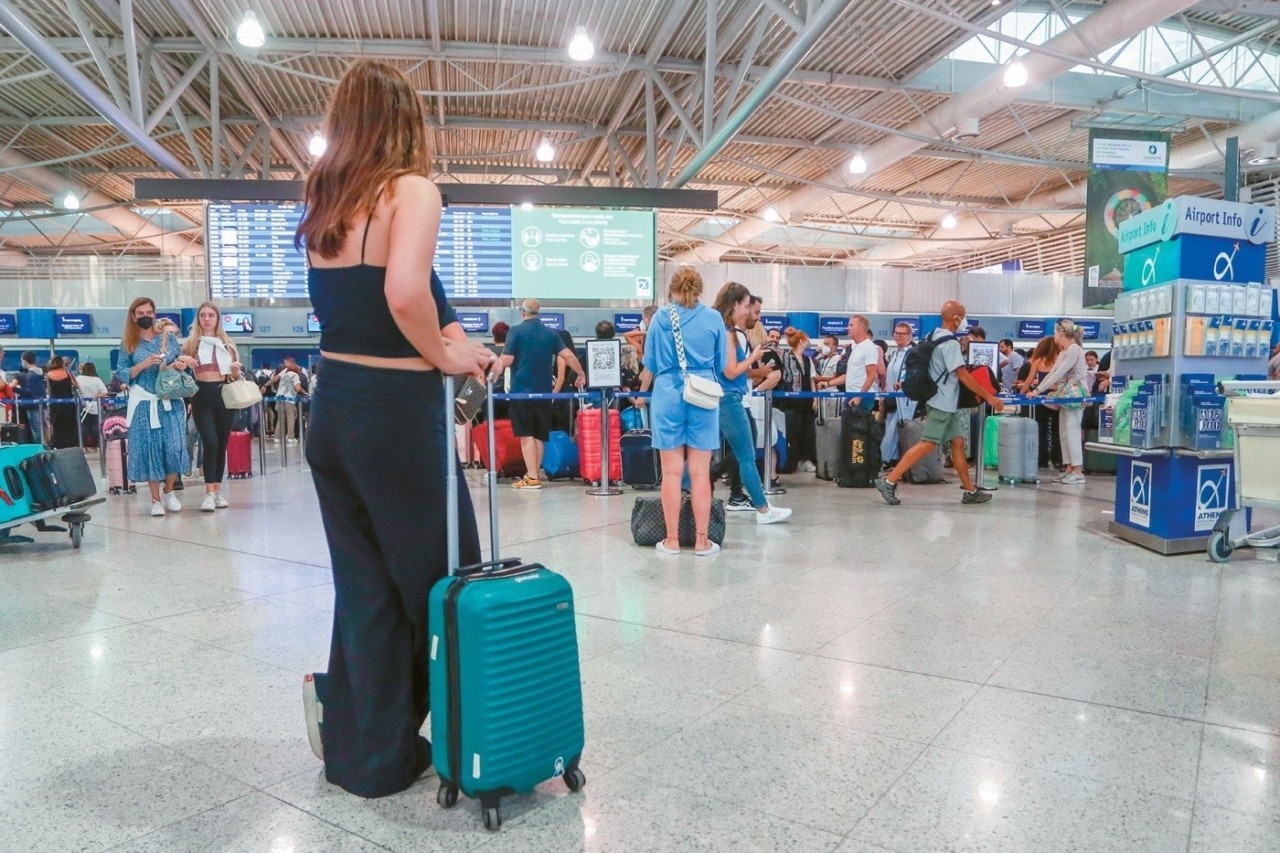
At the center of the changes is the issue of carrying baggage in the aircraft cabin, a matter that has generated numerous complaints from passengers and consumer organizations. Under the new rules, every traveler will be entitled to bring both a personal item and one small cabin bag free of charge.
The change mainly affects the business model of low-cost airlines, which often advertise very low base fares but charge separately for baggage, seat selection, priority boarding, and other services. The purpose of the reform is to ensure that passengers know the true cost of their journey from the outset, without encountering additional charges during the final stages of the booking process.
However, the new framework is not expected to take effect immediately. Its full implementation is scheduled for 2027, allowing airlines time to adapt their booking systems, commercial terms, and operational procedures.
Two Items in the Cabin at No Extra Charge
The most significant change concerns what must be included in the ticket price. Passengers will be able to carry one personal item, such as a handbag, small backpack, or laptop case, which must fit under the seat in front of them.
The maximum dimensions for this personal item are expected to be 40 × 30 × 15 centimeters, ensuring that it does not occupy space in the overhead bins.
In addition, the basic ticket will include one small carry-on bag weighing up to 7 kilograms. The combined dimensions—height, width, and depth—must not exceed 100 centimeters.
For many travelers, particularly those taking short trips or business journeys, this measure could significantly reduce the final cost of travel. Today, many airlines allow only a small personal item under the seat free of charge, while bringing a cabin suitcase requires an additional payment or the purchase of a more expensive fare.
Under the new rules, this charge will no longer be allowed to appear unexpectedly during the booking process. The small carry-on bag will be included in the base fare regardless of the commercial fare category.
Greater Price Transparency
The new European framework goes beyond baggage rules and affects the overall presentation of airline fares.
Airlines and online booking platforms will be required to clearly display from the beginning what is included in the ticket price and which services remain optional. Before making payment, passengers will know whether the fare covers baggage, seat selection, ticket changes, or other services.
The reform aims to address so-called “hidden costs,” which make it difficult to compare different flights. An offer that initially appears cheaper may ultimately become more expensive once essential services are added.
The requirement to display the true final price is expected to strengthen competition on a fairer basis, as consumers will be able to compare available tickets on equal terms.
New Rules for Delays and Cancellations
The proposed changes also extend to passengers’ rights when a flight is delayed, canceled, or when boarding is denied because of overbooking.
The right to compensation for serious delays and cancellations will remain in place, while travelers’ claims are expected to be processed more quickly. Airlines will also be required to provide more comprehensive information about the cause of the disruption and the rights that apply in each situation.
Particular importance is placed on clarifying what constitutes extraordinary circumstances—that is, situations in which an airline may be exempt from paying compensation. A clearer definition is considered necessary because disputes frequently arise over whether a technical fault, a strike, or severe weather justifies denying compensation.
In cases of long delays, airlines’ duty of care will also be strengthened. Depending on the length of the delay, passengers will be entitled to meals, refreshments, accommodation, or alternative transportation.
Protection for Families and Passengers with Disabilities
The package includes special provisions for families traveling with children. Parents and their minor children must be able to sit together without being required to pay an additional fee for seat selection.
The rights of people with reduced mobility, as well as those who require an accompanying person or special assistance at the airport and during boarding, are also strengthened. The aim is to reduce situations in which the need for assistance becomes a financial burden or an obstacle to travel.
Reactions from Low-Cost Airlines
The new rules have been welcomed by travelers but have raised significant concerns within the airline industry. For low-cost carriers, revenue from baggage fees, seat selection, and other ancillary services constitutes a key part of their profitability.
For example, Ryanair is reported to have earned approximately €4.7 billion in 2024 from ancillary services. The airline’s CEO, Michael O’Leary, has argued that making carry-on baggage free by law will ultimately be reflected in the base fare, resulting in higher ticket prices for everyone.
The essence of the European initiative, however, is not that these costs will disappear, but that they will be visible from the beginning. Airlines will still be free to adjust their pricing policies, but they will no longer be able to advertise a base fare that does not reflect the essential services required for the journey.
If the new framework is implemented without significant changes, carry-on baggage will cease to be one of the most common sources of additional charges and confusion in airline bookings. For passengers, the main benefits will be greater transparency, predictability, and stronger protection throughout the travel experience.
Ask me anything
Explore related questions




