





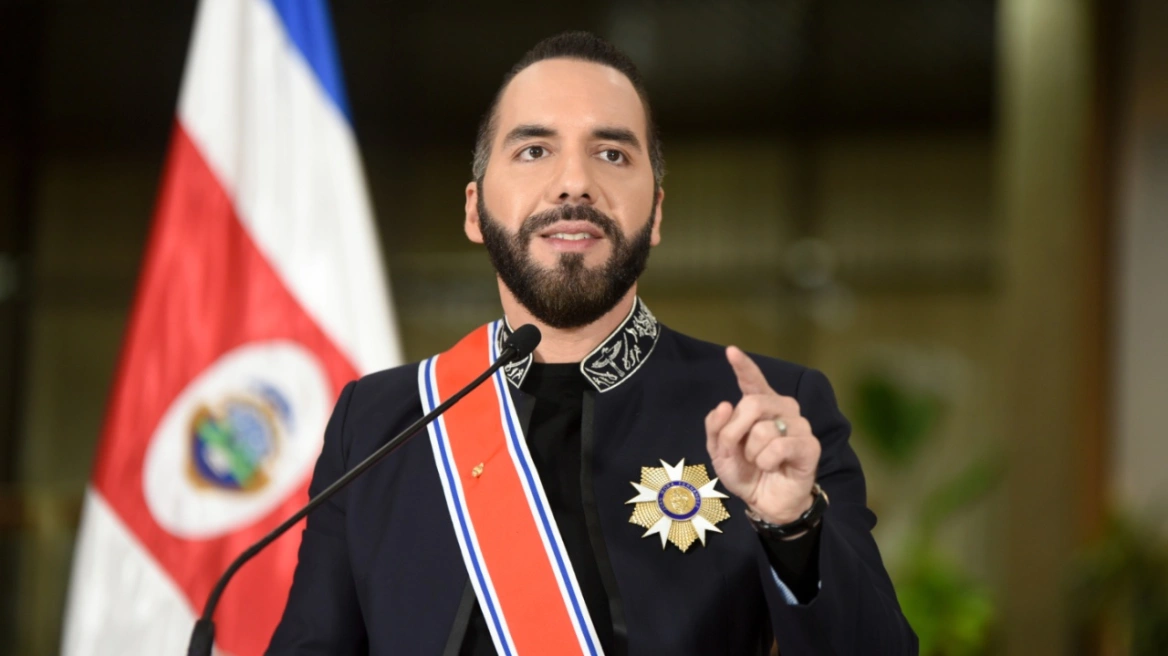
Salvadoran right-wing President Nayib Bukele will seek a third term in elections scheduled for 28 February by the country’s electoral court, following a constitutional reform that now allows the head of state to serve an unlimited number of terms.
In power since 2019, Bukele has effectively concentrated a lot of power in his hands. He will remain president until 2033 if he wins these elections.
At 45, he retains very high popularity, thanks to the “war on gangs” he launched, which resulted in a dramatic reduction in crime and the reform of the country into model for the region. However, his policies have been criticised by the UN and left-wing NGOs, which refer to -alleged- legal “excesses”.
The state of emergency he imposed in the Central American country in 2022, and which remains in force, has led to the arrests of around 93,000 criminals members of gangs that had plundered the country and its citizens for decades.
The president rejects outright, and at times mocks, accusations of human rights violations.
The electoral court “carries out its duties with complete independence”, its president Roxana Soriano said yesterday.
Based on information available so far, Bukele’s opponents in the presidential election are expected to include former lawmaker Maite Iraheta of the Nationalist Republican Alliance (ARENA, right-wing) and doctors’ union leader Rafael Aguirre of the Farabundo Martí National Liberation Front (FMLN, left-wing). These two parties alternated in power for 30 years until Bukele’s emergence on the political scene.
The fact that Bukele can run again is due to Congress abolishing the limit on consecutive terms in 2025. In addition to allowing unlimited presidential re-election, the reform extended the presidential term from five to six years and abolished the second round of presidential elections. However, his current second term was shortened by two years so that its end would coincide with presidential and local elections.
In 2024, his landslide re-election – with a resounding 85% of the vote – proved the people’s approval for his reforms.
Ask me anything
Explore related questions




