





The Greek diaspora is a vibrant and integral part of Hellenism, representing an enormous and dynamic source of support for the homeland. Today, Greeks living abroad are spread across the world, with millions of members of the Greek community in more than 80 countries who, collectively, essentially constitute a “second Greece”. Through their diverse activities, they actively participate in and excel across the social, political, economic and cultural life of their host countries.
Their communities also serve as bridges between these countries and Greece, promoting Greek culture and strengthening the global presence of Hellenism. Moreover, in countries with significant geopolitical power and considerable influence over decision-making, such as the United States, the sizeable Greek-American community also serves as a pillar in the determined defence of national interests.
Prominent individuals, with their own standing and influence, play an important role in this regard. Many distinguished members of the Greek diaspora, active in fields ranging from politics and diplomacy to science, the arts, culture and business, help advance Greece’s national interests while keeping Greek education and cultural heritage alive and promoting them internationally.
Against this backdrop, and given today’s global geopolitical instability and the sensitive circumstances surrounding national issues, Prime Minister Kyriakos Mitsotakis’s recent visit to the United States, on the occasion of his participation in the United Nations General Assembly, provided an ideal opportunity to strengthen ties between the “motherland” and the Greek diaspora.
This was achieved, on the one hand, in Silicon Valley, at the heart of developments in cutting-edge technology, and, on the other, through the highly symbolic presentation of honorary distinctions of the Hellenic Republic by the prime minister himself to distinguished Greek Americans who have made their mark in different fields. Together, they represent a fairly comprehensive picture of the Greek diaspora’s presence and activities in the United States.
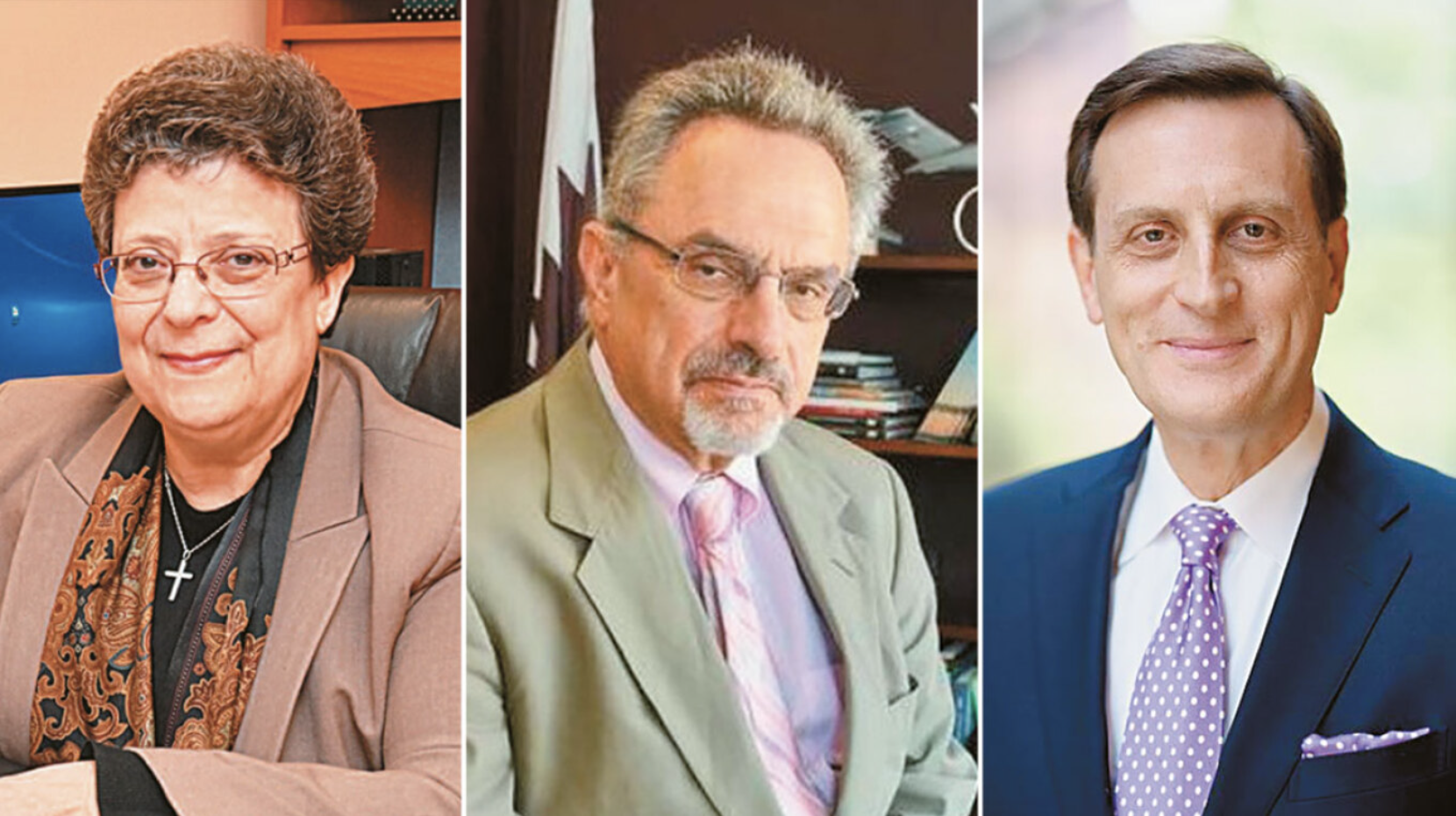
The awards were presented at the fourth annual “Oloi Mazi” (“All Together”) luncheon, held at the University Club of New York in central Manhattan, near Central Park, in an atmosphere that was both deeply moving and enthusiastic. The honourees included Dr George Dangas, a distinguished cardiologist and professor of medicine and surgery; the eminent diplomat Patrick Nicholas Theros; and Athena Krommyda, a driving force behind Greek education in New York. Also honoured were Dina Titus, a longtime congresswoman from Nevada; prominent businessman John Koudounis; and Michael Amiridis, president of the University of South Carolina.
Their personal journeys illustrate how members of the Greek-American community have reached the highest levels in their respective fields.
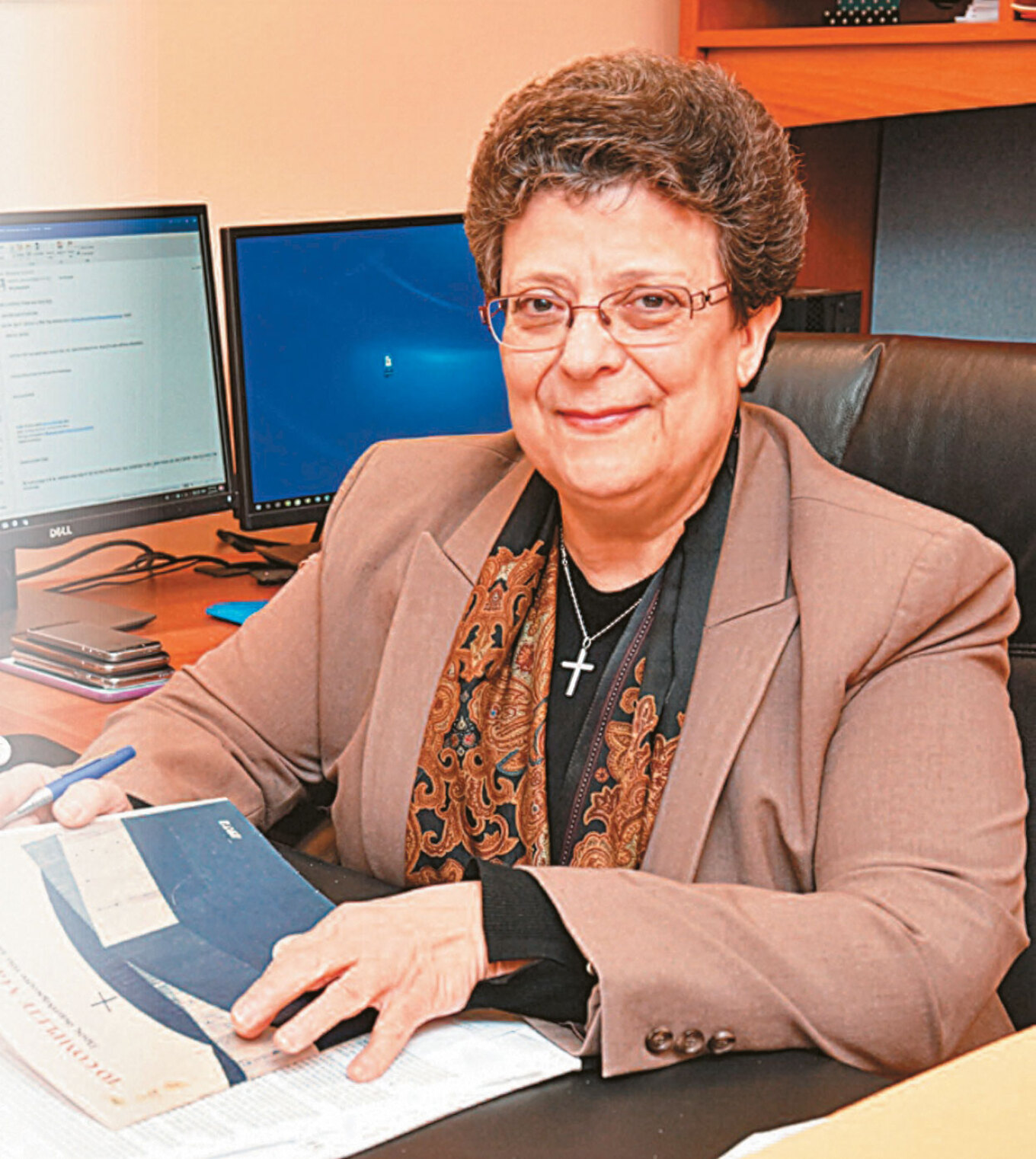
Athena Krommyda
She taught thousands of children in the Greek diaspora
Athena Krommyda has devoted her entire life to the education and upbringing of children in the Greek-American community. A first-generation immigrant herself, she began working as soon as she arrived on the other side of the Atlantic and spent decades teaching Greek language and literature in New York. Her dedication and efforts to preserve the Greek language, education and culture among younger generations of the diaspora soon extended beyond the state, earning her recognition wherever Greek communities exist in the United States.
Over the years, thousands of children from Greek-American families passed through her classrooms, where they were raised in Greek Orthodox Christian principles and values. For many years, she served as principal of the Vasilios Spyr opoulos Day School, run by the St Nicholas community in Flushing, Queens.
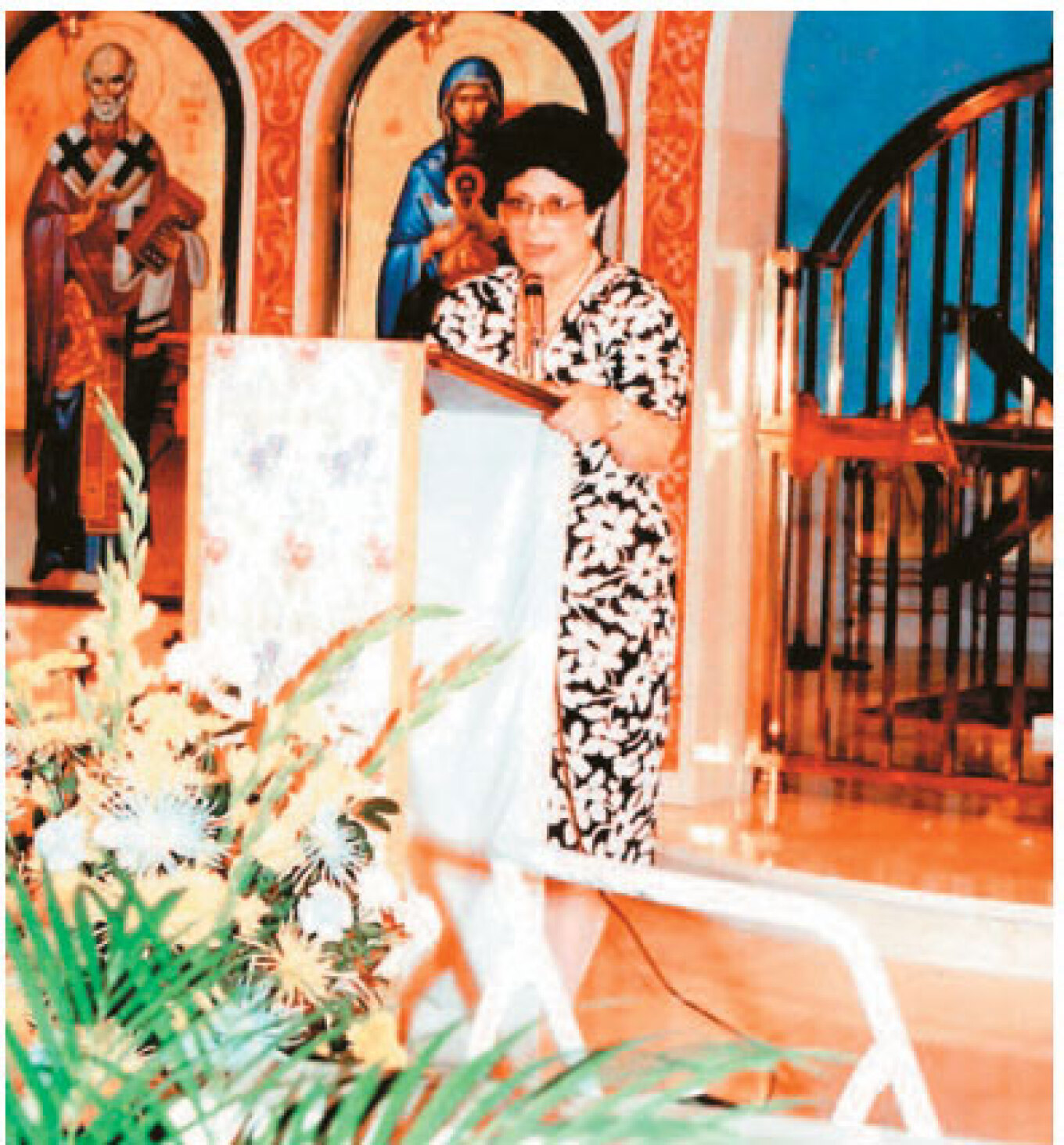
A graduation ceremony at the Vasilios Spyr opoulos Day School
Her award this year, the Gold Cross of the Order of Beneficence, was particularly warmly received by members of the Greek diaspora. She is a genuine champion and advocate of Greek letters and education who has always worked quietly, with modesty and humility, never seeking unnecessary publicity. Instead, guided by her belief in her mission and her strong work ethic — demonstrated by her double shifts at Greek-American schools — and equipped with an exceptional ability to communicate and inspire, she has become a role model for future generations of educators working in countries where the Greek diaspora lives and thrives.
From Mesta to New York
Krommyda was born in 1950 in Mesta, Chios, a village of outstanding beauty and architectural significance on the southwestern tip of the island. The child of a large farming family, she attended the Girls’ Gymnasium on Chios with her parents’ support before enrolling at the School of Philosophy at the University of Athens, where she graduated with a degree in Classical Philology in 1972. She worked for a year as a substitute Greek-language teacher in Argyroupoli, followed by positions at the Naval Gymnasium in Kardamyla, Chios, and the Boys’ Gymnasium on the island.
In July 1976, she married Stefanos Krommydas, also from Chios, who had already emigrated to the United States. They later had two sons, George and Giannis. The following month, she moved to her new permanent home in New York.
She threw herself into her work with passion. She taught at the afternoon schools of the Transfiguration community in Corona, while in 1979 she earned a master’s degree in bilingual education from St John’s University, which subsequently hired her to teach Greek language and literature. She remained there until 1987.
In 1985, she was appointed deputy principal of the Vasilios Spyropoulos School. From 1986 to 2000, she also served as principal of the Stefanos and Areti Tserpeli Greek Afternoon School at the St Nicholas community. In 1995, she earned a Professional Diploma in School Administration from C.W. Post Long Island University. In 2000, she became principal of the Vasilios Spyropoulos School. Her book, Greek Mythology, is the product of her intellectual labour.
She served as president of the Supreme Council for Greek Education of the Greek Orthodox Archdiocese of America and held positions in several other associations, including the Prometheus Association of Greek Educators. She has also made a significant contribution to charitable work, serving for 20 years at the Ronald McDonald House, which accommodates Greek and Cypriot families whose children are receiving treatment at New York’s Memorial Hospital.
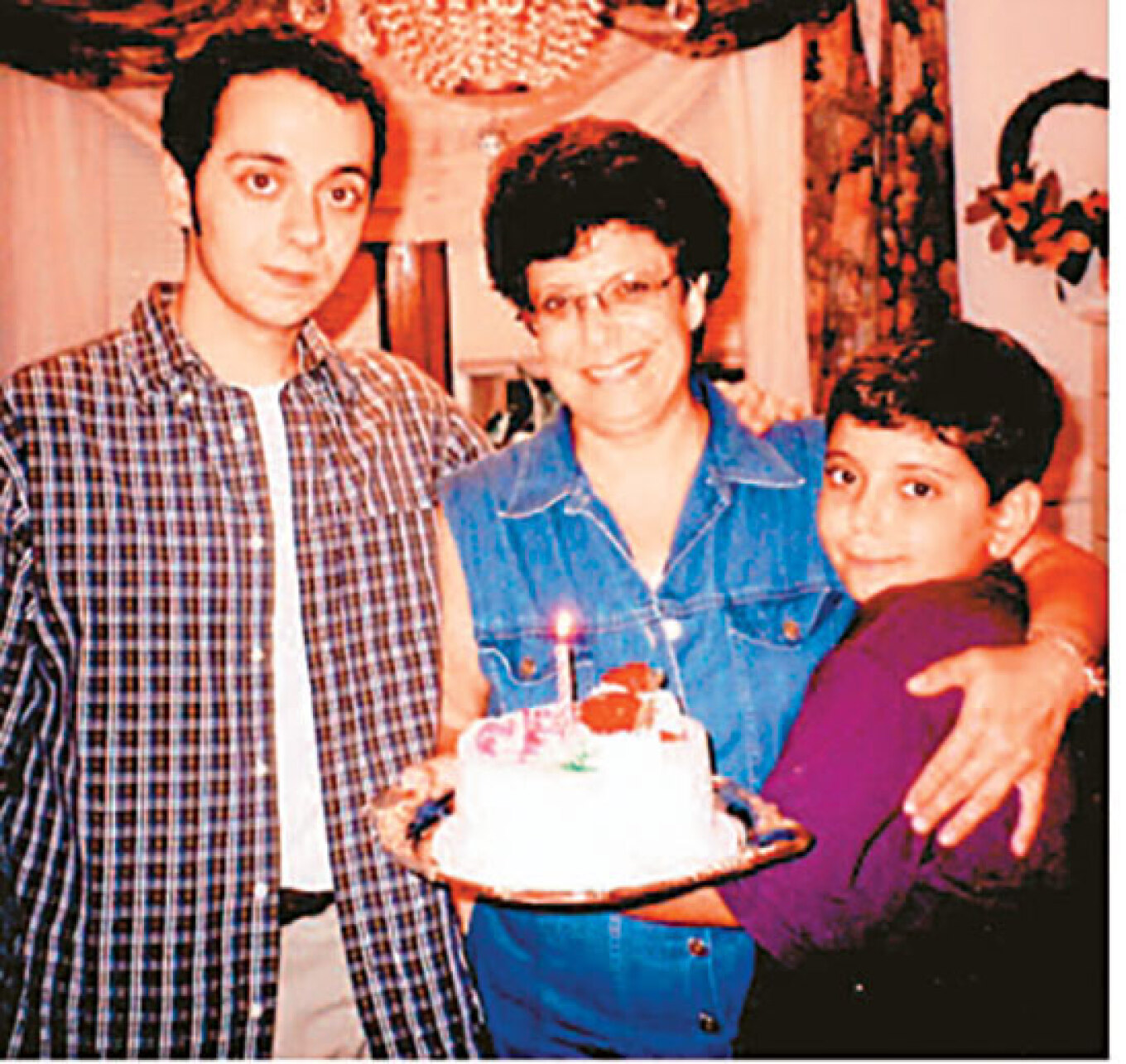
With her children on her birthday
She has delivered numerous lectures on Greek education, culture, history and literature, and has frequently participated in radio and television programmes and public discussions on educational issues. For a decade, from 2006 to 2015, she produced a weekly literary programme on New York’s Cosmos FM radio station.
She has always believed — and continues to maintain — that “Greek education is our most pressing national issue. Knowledge of it in all its forms — language, history, religion and culture — is the springboard that enables our young people to soar and experience the greatness of our heritage.”
For her, moreover, “Hellenism is an idea, a value, the joy of life; it is spirit, it is the ‘Holy Mysteries’, and we teachers hold them with reverence so that we can offer our children the ‘Holy Communion’.”
The awards and honorary distinctions she has received over the years for her contribution to Greek education, literature and culture are truly countless. They have come from the Greek diaspora, Church institutions, educational and social organisations, as well as the American state.
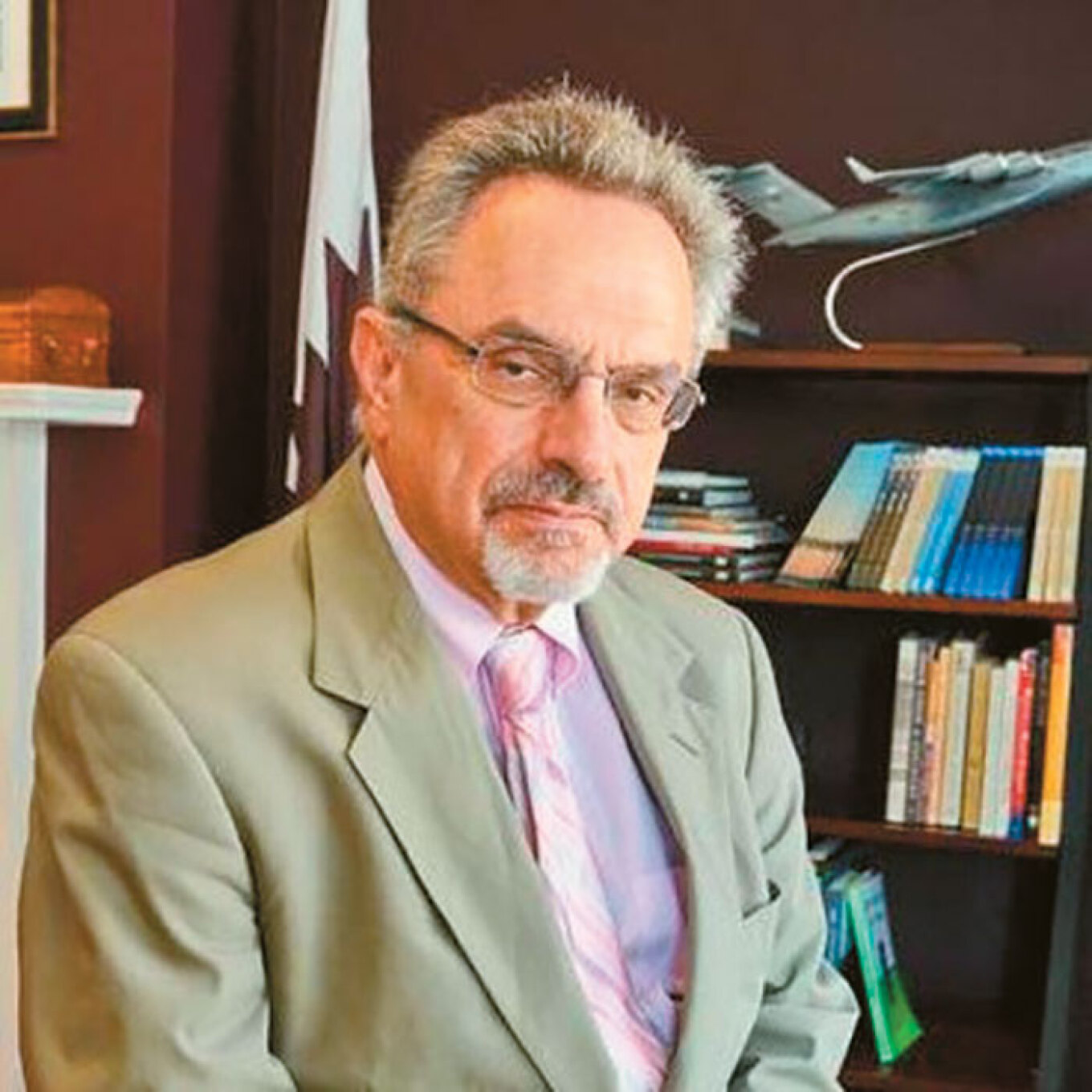
Patrick Nicholas Theros
36 years in American diplomacy
A veteran of American diplomacy, which he served for 36 years, from 1963 to 1999, Patrick Nicholas Theros is an expert on the international geopolitical landscape, particularly developments in the Middle East, arguably one of the world’s most sensitive and volatile regions. He served for many years in various countries across the region and in different capacities. His experience in Middle Eastern affairs is invaluable.
The latest in a long list of honours he has received over the years came recently from Greek Prime Minister Kyriakos Mitsotakis, who awarded him the insignia of Commander of the Order of Honour. The distinction recognised his long and distinguished career in American diplomacy and national security, as well as his contribution to strengthening Greek-American relations.
A critical voice
Theros frequently disagreed with US military interventions in the Middle East. While he was an active diplomat, he could not, of course, publicly express his opposition in 1991, during the first invasion of Iraq under President George H.W. Bush. However, he spoke out forcefully in early 2003, as preparations were under way for the second invasion under President George W. Bush. He strongly opposed the intervention, writing articles and appearing on numerous television and radio programmes.
In early March last year, just days after the US and Israeli attack on Iran, he was sharply critical of Donald Trump’s decision, comparing his actions with those of 1991.
“President Trump has no plan, much less an exit strategy. Instead, he called on the Iranian people to rise up and overthrow the regime. The last time we tried this, things went very badly. In 1991, President George Bush called on Iraq’s Shia and Kurds to rise up against Saddam Hussein. They did. We did not support them. They were massacred. So far, it appears that the Iranian people are not taking the bait.”
And events proved him right.
Theros also argues that Greece needs a dynamic “eastern policy”, making use of the goodwill it enjoys in the Arab world, where it is viewed as a friend rather than a foreign colonial power. For this reason, he believes that the undoubtedly positive strategic alliance with Israel should not be the sole cornerstone of Greek foreign policy.
Greece needs a security relationship with Europe, he argues, because it can offer Europe an entry point into the Middle East that no other European country can provide. “True security lies in Europe as Greece’s strategic support,” he maintains.
His career
Born on August 21, 1941, in Ann Arbor, Michigan, Theros graduated from Georgetown University’s School of Foreign Service. His subsequent education and training were extensive. He pursued postgraduate studies at American University in Washington, DC, and at the Central American University in Managua, the capital of Nicaragua. He also completed the Armed Forces Staff College in Norfolk, Virginia, and the National Defense University in Washington, DC.
He is married to Aspasia, née Pachigianni, with whom he has a son and two daughters. In addition to English, he speaks Greek, Arabic and Spanish fluently.
A tireless and highly effective diplomat, Theros served from 1963 in a range of key positions in Washington, Saudi Arabia, Lebanon, Nicaragua and Syria. His roles included chargé d’affaires and deputy chief of mission at US embassies in the United Arab Emirates and Jordan. From 1995 to 1998, he served as ambassador to Qatar.
Earlier, from 1993 to 1995, he was deputy coordinator for counterterrorism, responsible for coordinating all US government counterterrorism activities outside the United States. Between 1991 and 1993, he served as political adviser to the commander-in-chief of the US Central Command (CENTCOM).
After his diplomatic career, Theros settled in Washington and led the US-Qatar Business Council from March 2000 until 2017. He subsequently became a strategic adviser to the International Gulf Forum.
His personal commitment to community service and public duty earned him the title of Knight Commander of the Order of the Holy Sepulchre from the Greek Orthodox Patriarch of Jerusalem in 1999. He has represented the patriarch in the United States ever since.
Among his other distinctions, one stands out: in 1967, he received the Superior Honor Award for his heroic efforts to reach and rescue 147 American citizens trapped in crossfire between rebels and Nicaragua’s National Guard at the Gran Hotel in Managua during an uprising that year.
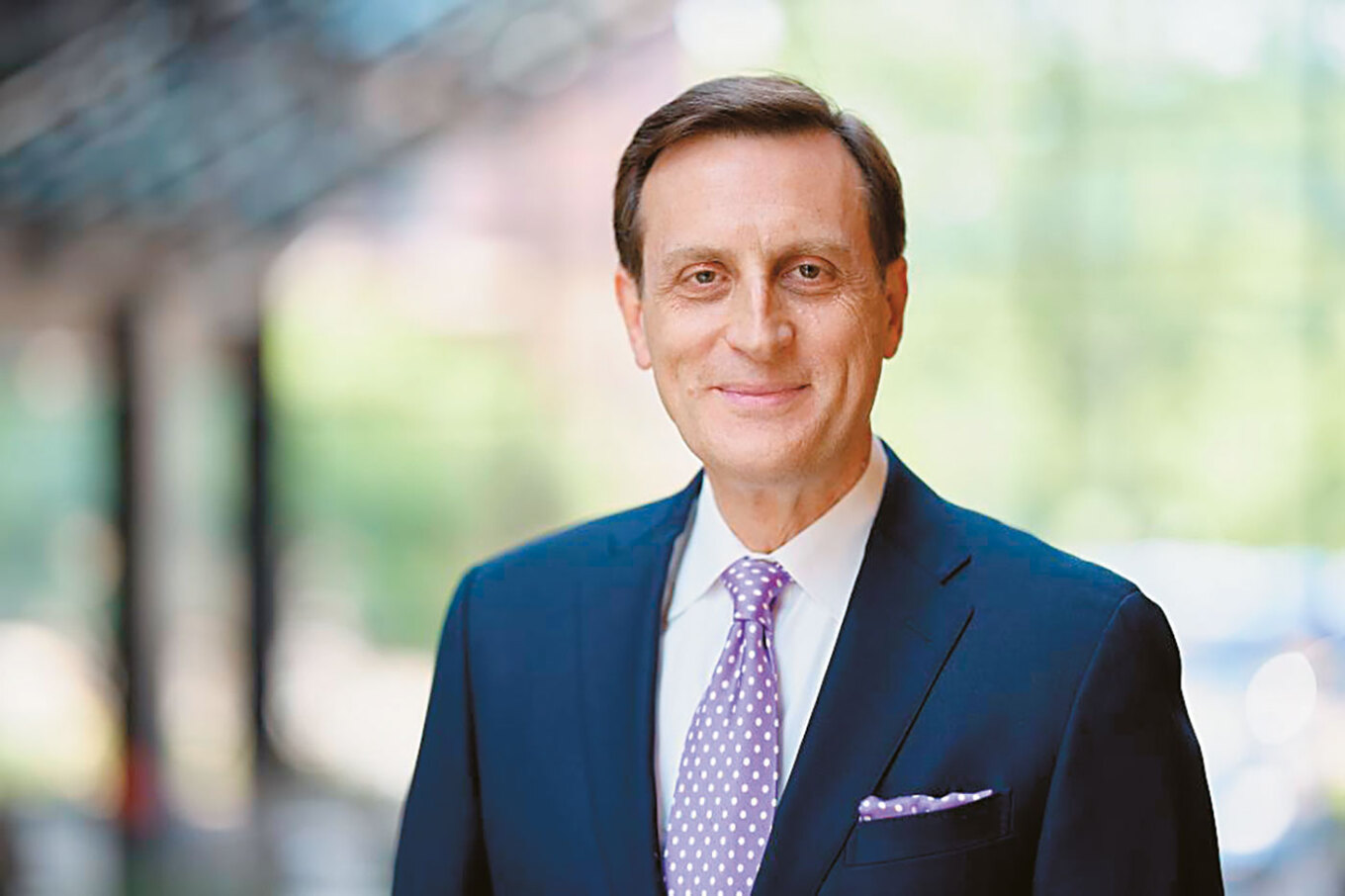
George Dangas
“The doctor will no longer need to be in the operating room”
For George Dangas, distinguished professor of cardiology and surgery at the Icahn School of Medicine at Mount Sinai, director of cardiovascular innovation and head of cardiology at Mount Sinai Queens, the award from the Greek prime minister added to a long list of international distinctions and senior positions within the American and international cardiology communities.
Dr Dangas has focused on minimally invasive cardiovascular and valve interventions, ranging from angioplasty and stent placement to transcatheter heart valve procedures and complex vascular conditions. His research work includes more than 500 scientific publications.
From Northern Epirus
In 2019, he was honoured by the American College of Cardiology with the title of Master of the American College of Cardiology (MACC), in recognition of his contribution to cardiovascular medicine. In 2023, he was elected president of the Society for Cardiovascular Angiography & Interventions (SCAI), one of the leading international scientific organisations in interventional cardiology, with 4,500 members from approximately 100 countries.
Before joining Mount Sinai, he was associate professor of cardiology at Columbia University’s medical school and director of its interventional cardiology training programme.
The recent award, however, carried particular personal significance for him, as he explained to Proto Thema between appointments in his exceptionally demanding schedule.
“Receiving the award became an important personal moment for me. Although I had been informed about the ceremony and the formalities, the experience itself was deeply moving. I felt profoundly touched when the prime minister presented me with the Gold Cross of the Order of Honour on behalf of the Hellenic Republic. My father had served the Hellenic Republic and had been elected MP for Piraeus three times, and that connection came to me spontaneously,” he said.
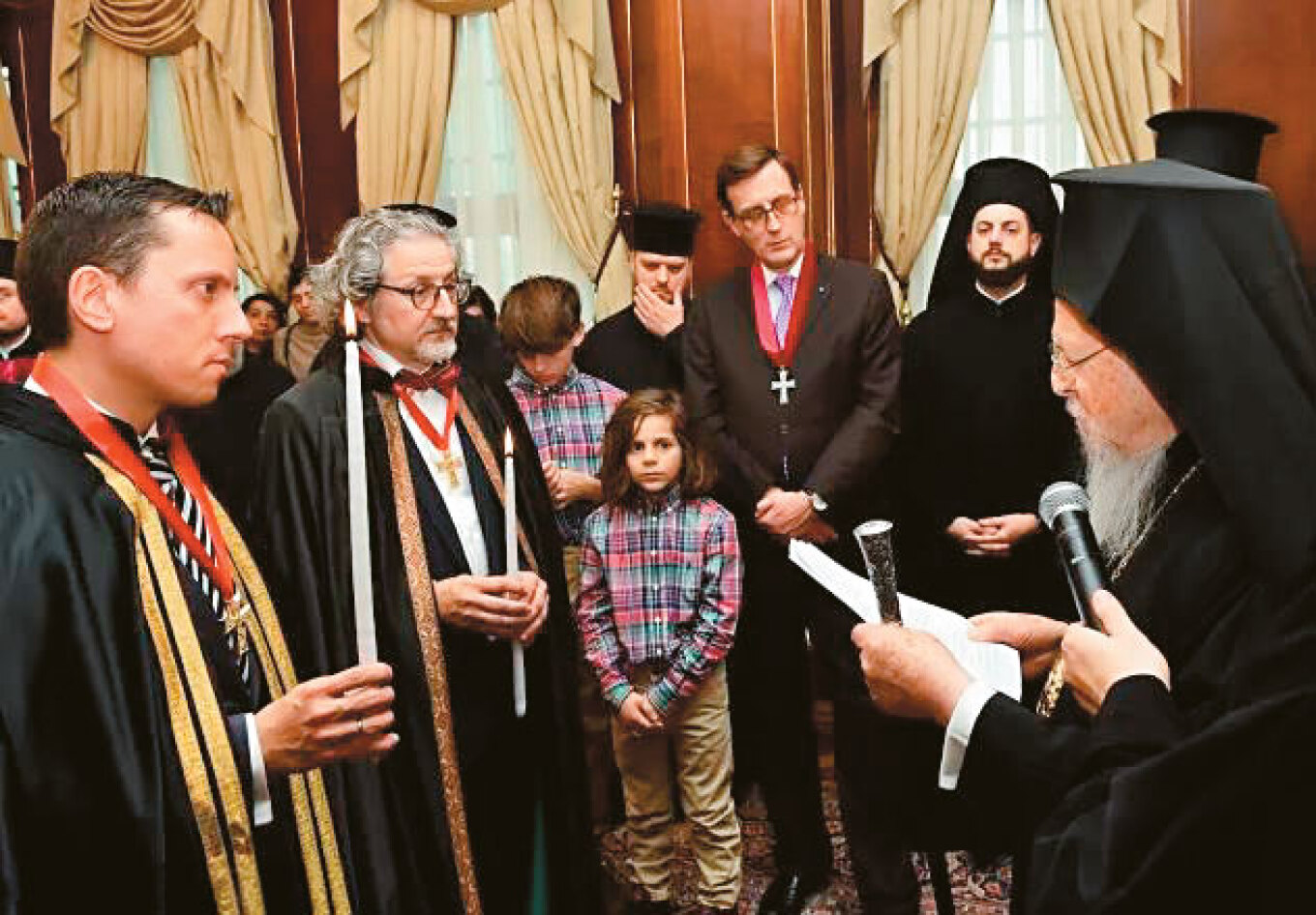
In 2022, Ecumenical Patriarch Bartholomew invested him as Archon Referendarios of the Ecumenical Patriarchate.
The Dangas family’s roots lie in Northern Epirus. His grandfather owned bakeries in Constantinople, but during the Asia Minor Catastrophe, the family left the city and arrived in Piraeus as refugees.
Returning to Constantinople took on particular symbolic significance for Dangas in 2022, when Ecumenical Patriarch Bartholomew invested him as Archon Referendarios of the Ecumenical Patriarchate. Dangas was one of four Greek-American doctors honoured for their contribution to restoring the patriarch’s health during his hospitalisation at Mount Sinai in 2021.
“My father had studied law and my mother medicine, although she never worked as a doctor,” he said, explaining that his own desire to pursue medicine, and cardiology in particular, stemmed from his love of physics, hydrodynamics and related scientific fields.
“My mind was focused from the outset on cardiology and on the applications that advances in other fields could have in this vital medical speciality. When I completed my studies at the Athens Medical School in 1989, followed by my service in the Hellenic Navy, and began arranging my specialist training in the United States, I made a major decision about my life and my scientific career. My expectations of cardiology were fully confirmed,” Dangas said.
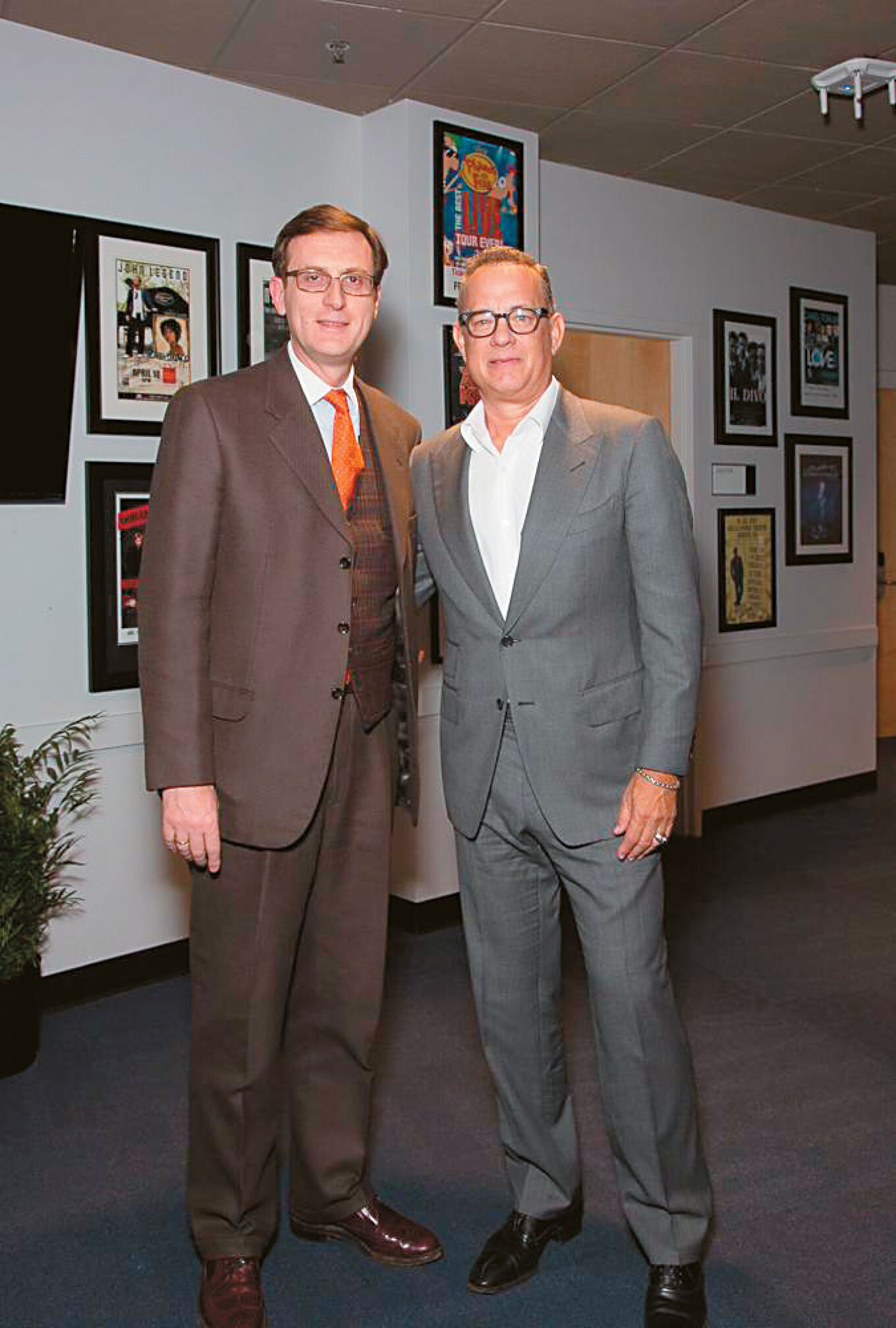
With Tom Hanks at an event
Looking back today, he clarifies that the decision was never intended to be a permanent departure.
“I did not leave forever. I left for specialist training, without making any permanent or far-reaching decisions. One step led to another: I completed my residency, then subspecialty training, followed by an academic career and a family.”
He considers himself very fortunate, as his academic and clinical career coincided with the enormous changes that transformed cardiology.
“This was the period when new devices and techniques, including minimally invasive procedures, entered clinical practice. Even more impressive developments are expected, with artificial intelligence entering the field of cardiac surgery,” the distinguished scientist said.
He added that advances would accelerate dramatically thanks to accumulated knowledge and technology.
“Within the next five to ten years, surgical procedures will be performed in the same way as video conferences are today: remotely. The physical presence of the doctor will no longer be a prerequisite. We are moving rapidly towards telesurgery, and our goal is to ensure that surgical procedures are as beneficial and technically excellent as possible.
“I believe Greece will be able to take advantage of this capability thanks to the excellent cooperation between doctors inside and outside the country. We have strong channels of communication,” he said.
Three daughters
Greece remains a constant point of reference for him.
“My parents are no longer alive, but we come as a family every year. I also visit on other occasions to attend conferences. Unfortunately, we do not have a… village in Greece where we can spend our holidays. Many beloved places throughout Greece have become our village.”
His family has played a distinctive role throughout this journey. His wife, Roxana Mehran, is also an internationally recognised cardiologist and professor at Mount Sinai. They have pursued parallel careers in interventional cardiology and collaborated on research studies.
Dr Mehran was born and raised in Tehran and arrived in the United States as a teenager. In a recent speech at the American College of Cardiology, she recalled a defining moment in their shared journey: in 1999, when she became an ACC Fellow, she attended the ceremony with George Dangas while pregnant with their first child.
“Science brought us together. We are devoted to cardiology and to our family. We try to share the burdens. We understand how demanding each other’s work is, and we support one another,” the professor said.
The couple have three daughters. The eldest has already followed in their footsteps into cardiology, while the other two are completing their studies in law and biotechnology.
Ask me anything
Explore related questions




