





In the basement, neatly arranged by category, are essential supplies: long-life food, canned goods, pasta, energy bars, water, as well as flashlights, radios and blankets. In short, everything one might need in the event of a major crisis. Whether it is a natural disaster, a nuclear war or even… a meteorite landing without warning, many people have been preparing for the worst-case scenario for years. Until recently, these people were considered eccentrics. However, following the European Commission’s recommendations for preparing citizens for emergency situations and the need for self-sufficiency during the first 72 hours of a crisis, stockpiling essential supplies no longer seems like something out of a science-fiction story.
What the European Commission recommends
With the aim of strengthening resilience and self-sufficiency in the event of an emergency across Europe, the European Commission is encouraging citizens to prepare a basic kit containing the essential items needed to survive for three days. Bottled water — 2 litres per person — long-life food that does not require cooking, medication, a flashlight, a radio, a fully charged power bank, personal documents in waterproof cases and cash. The aim is for households to be self-sufficient during the first 72 hours, a period during which the state emergency response mechanism will be activated to restore critical services.
The radio has sold out
In a provincial town of approximately 1,400 inhabitants, Mancasale, in Reggio Emilia, Italy, is the headquarters of Midland Europe, a company with a long-standing presence in the telecommunications and emergency equipment sector. Although American in origin, it passed into Italian hands, linking its history to the Toreggiani family, and designing and exporting communications devices such as transceivers, intercom systems and emergency radios. Recently, the company has recorded an impressive increase in demand for its products, with particularly strong interest from the United Kingdom.
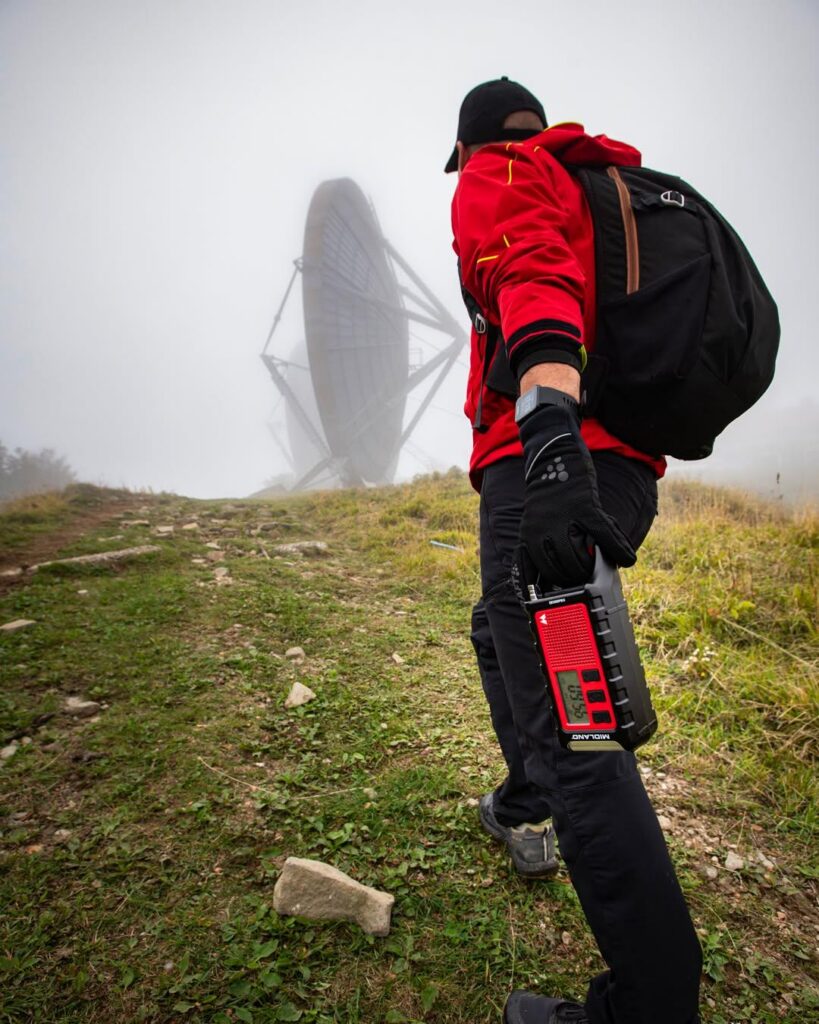
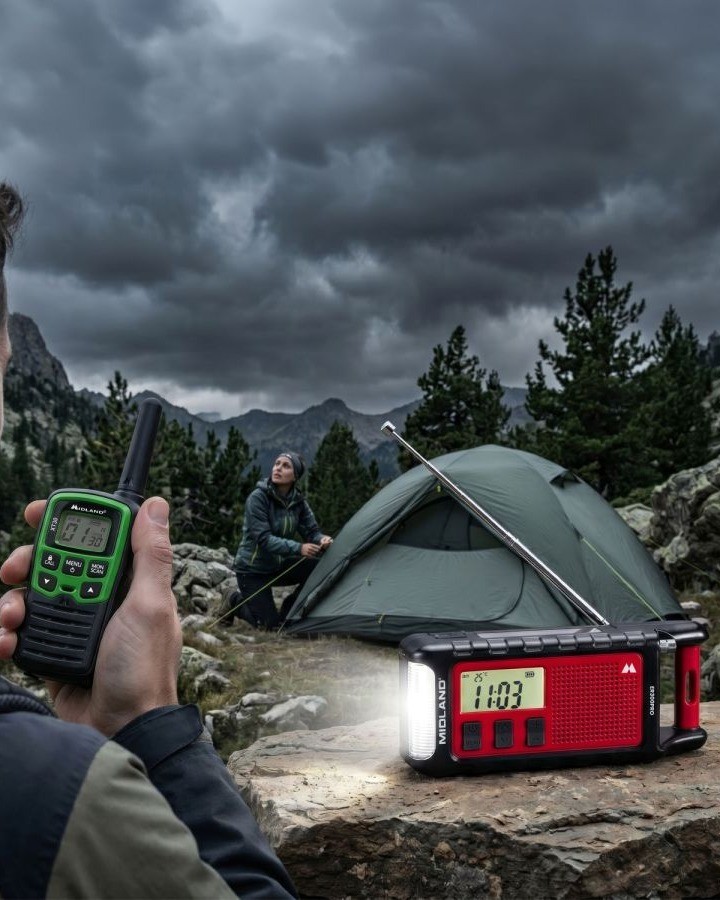
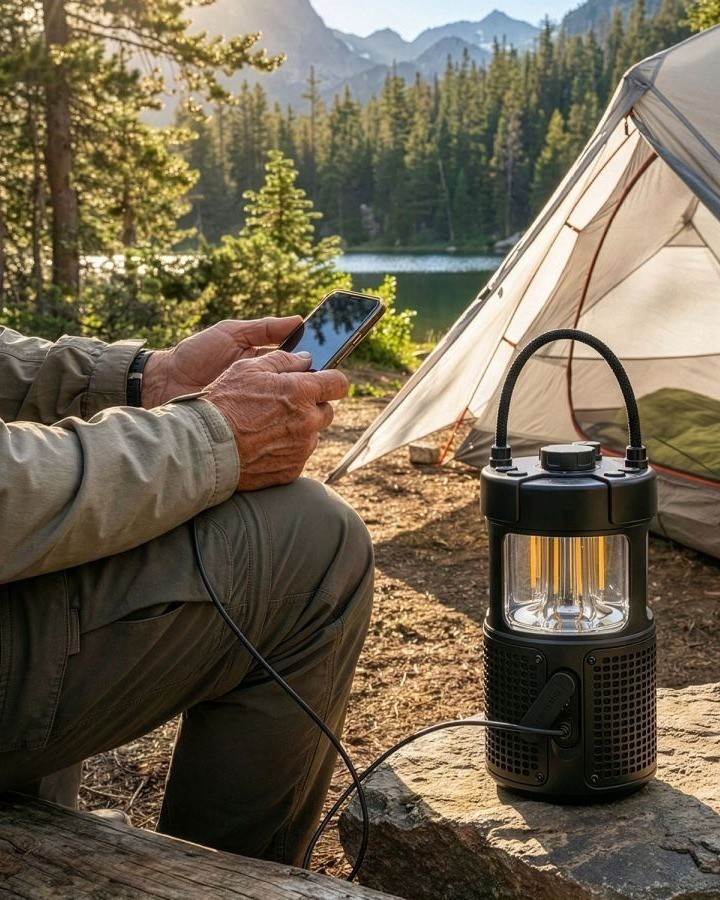
At the centre of attention is the Midland ER300 Pro emergency radio, which can be recharged both using solar energy and manually, via its built-in dynamo, and is now sold out on the company’s official website. The device costs €89 and, beyond its primary function, can also operate as a flashlight and speaker. It connects via Bluetooth and can be charged through its built-in solar panel or using the dynamo. Its battery can fully charge a mobile phone twice. Just one day after Downing Street urged Britons to stock up on essential supplies, the ER300 Pro model sold out within 24 hours.
Midland Vice President Gabriele Toreggiani, speaking to the Italian news agency Adnkronos, explained that in recent years an increasing number of people have been preparing for emergency situations.
“International tensions, extreme weather events and natural disasters have made many families realise the importance of staying informed and connected when traditional networks are unavailable. For us, this is not simply a new product range, but a responsibility towards the community,” he added.
As he explained, the company is committed to investing in products that will enable more people to cope with emergency situations calmly and feel less alone, while maintaining communication with the world around them.
The backpack is also flying off the shelves
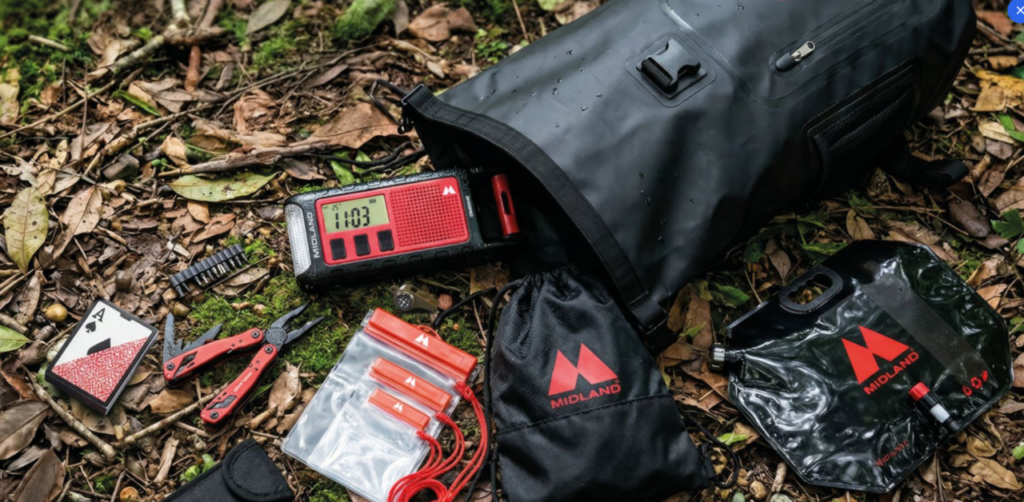
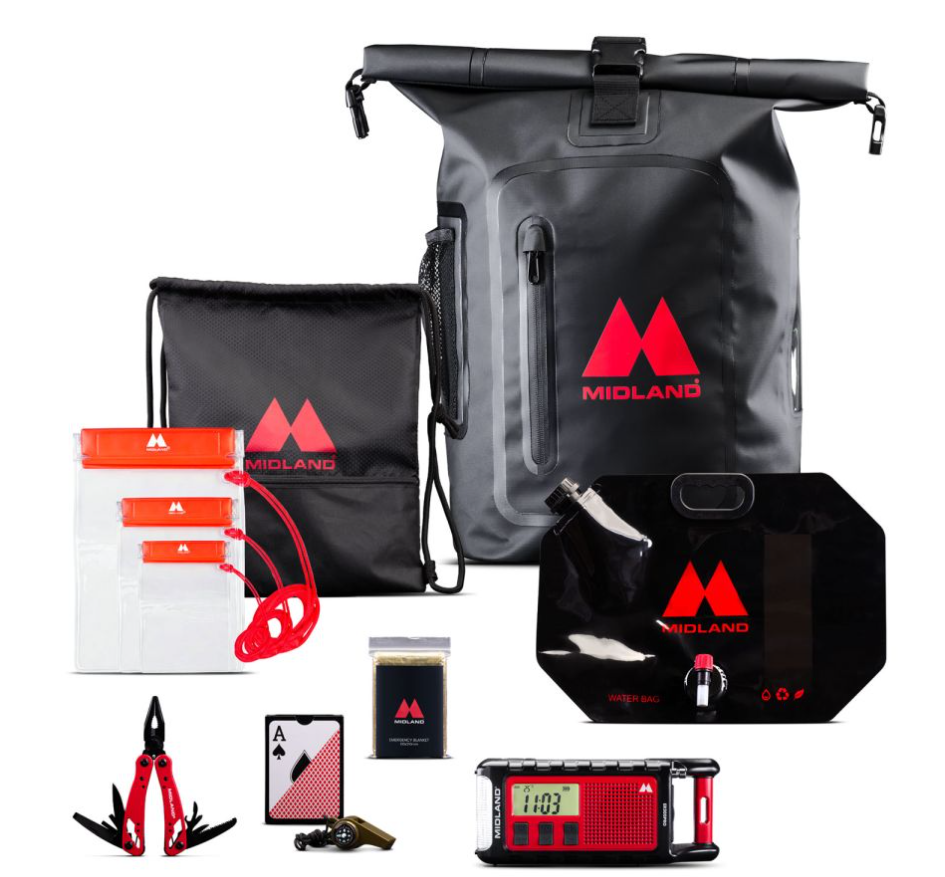
However, it is not only this particular radio that is proving successful, but also the Er Emergency backpack, which retails for €169 and is performing particularly well in the British market. It includes an emergency survival kit with waterproof bags, two collapsible containers with a capacity of 8 litres each, and the ER300 Pro radio.
According to the company’s official website, it was designed to address three scenarios: extreme weather events that could isolate entire areas; pressure on electricity or water supply networks; and digital and geopolitical instability, with potential communication problems and sudden shortages of supplies.
The waterproof backpack features specialised compartments and includes a multifunctional tool, a dedicated water container, thermal blankets, a whistle with a compass and a deck of cards. However, Midland points out that the backpack’s equipment alone is not sufficient to fully meet a household’s needs. It recommends adding high-calorie, long-shelf-life food, antiseptic gel, bandages and dressings, so that the kit can meet basic needs during the first few days of an emergency.
Practical advice
The company offers some practical guidelines for assembling the kit, making it easy for citizens to prepare one. It is recommended that it be stored near the exit, so that it is readily accessible if someone needs to leave the premises. It should not exceed 15–20% of the body weight of the person carrying it, and every six months the expiry dates of food items and the condition of the batteries should be checked.
As Midland points out, the aim is not to live in a state of fear, but to be aware of potential risks. Knowing exactly what the 72-hour survival kit contains and having it readily available turns a potentially panic-inducing situation into a manageable challenge.
Ask me anything
Explore related questions




