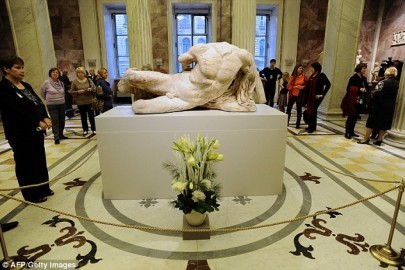
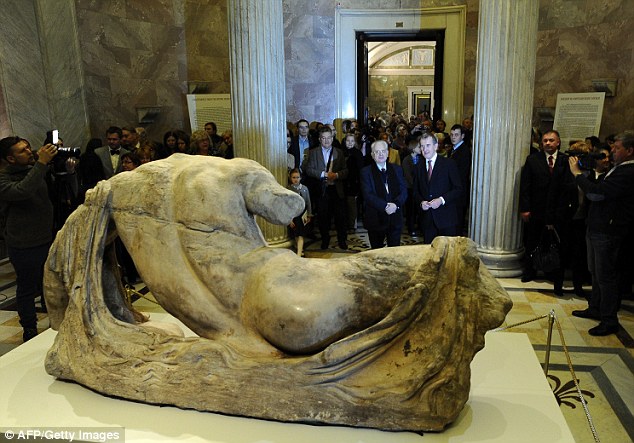
The British Museum’s decision to loan the headless 2,500-year-old statue of the Greek river-god Ilissos to the State Hermitage Museum in St. Petersburg has prompted the criticism of Greece. British Museum Director Dr. Neil MacGregor claims, however, that the Greek authorities had never formally asked for the sculptures to be returned or had requested to loan them.
He told The Times:
The Greek claim to the Marbles is a political question. What’s clear is that the position on the sculpture is the government’s. It’s not a position that comes out of an academic or conservation issue. The Greek government has never asked the trustees of the British Museum for the return. It’s always been done through media or through someone else.
To read of Greece’s 180-year effort to have the marbles returned CLICK HERE.
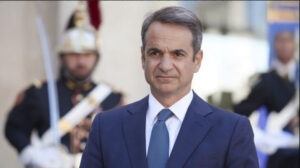
On his part, Greek Prime Minister Antonis Samaras said that the British Museum’s loaning out of the marbles was an “affront” to the Greek people. He said:
We Greeks are one with our history and civilization, which cannot be broken up, loaned out or conceded.
The controversy with Greece was just one of the problems. Further controversy was created by the choice of Russia as recipient of an Elgin statue bearing in mind tensions between Russia and the West following the Malaysia Airlines MH17 crash over Ukraine. During the discussion stages there were various concerns regarding Russia, with the board even wondering if the piece would ever come back. British Museum trustee Patience Wheatcroft told The Telegraph that there is always a “risk” associated with a loan. “But we decided that it was a very unlikely event and there would be sufficient pressure to ensure that the object was returned. It was a unanimous decision and we were absolutely united,” she said.
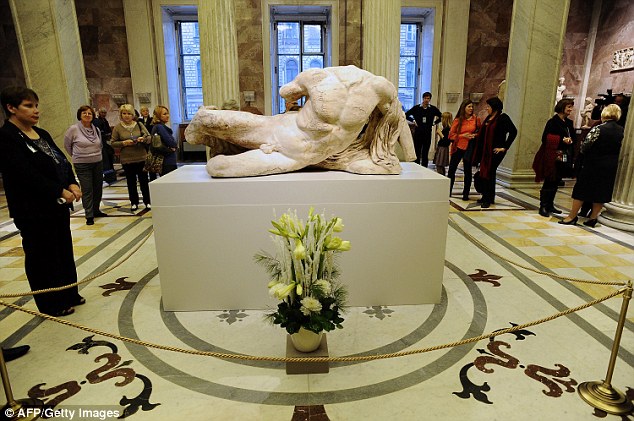
There are those who believe that the risk could backfire because of friction in the relations between Russia and the West. U.K.’s Prime Minister David Cameron expressed his trust that the sculpture would return due to the fact that there was a “working relationship” between the museums involved.
Despite this pledge, at least one Russian political party plans to challenge ownership. It is also thought the ultranationalist group will take the opportunity of the marble’s departure from Britain to seek an injunction preventing the statue’s export back to the British Museum on January 18 as part of a bid to embarrass the West over opposition to the Russian invasion in Ukraine.
Nonetheless, the approval of the loan came just 16 days prior to its movement so as to leave room for flexibility based on the political relationship between Europe and Russia.
Ask me anything
Explore related questions