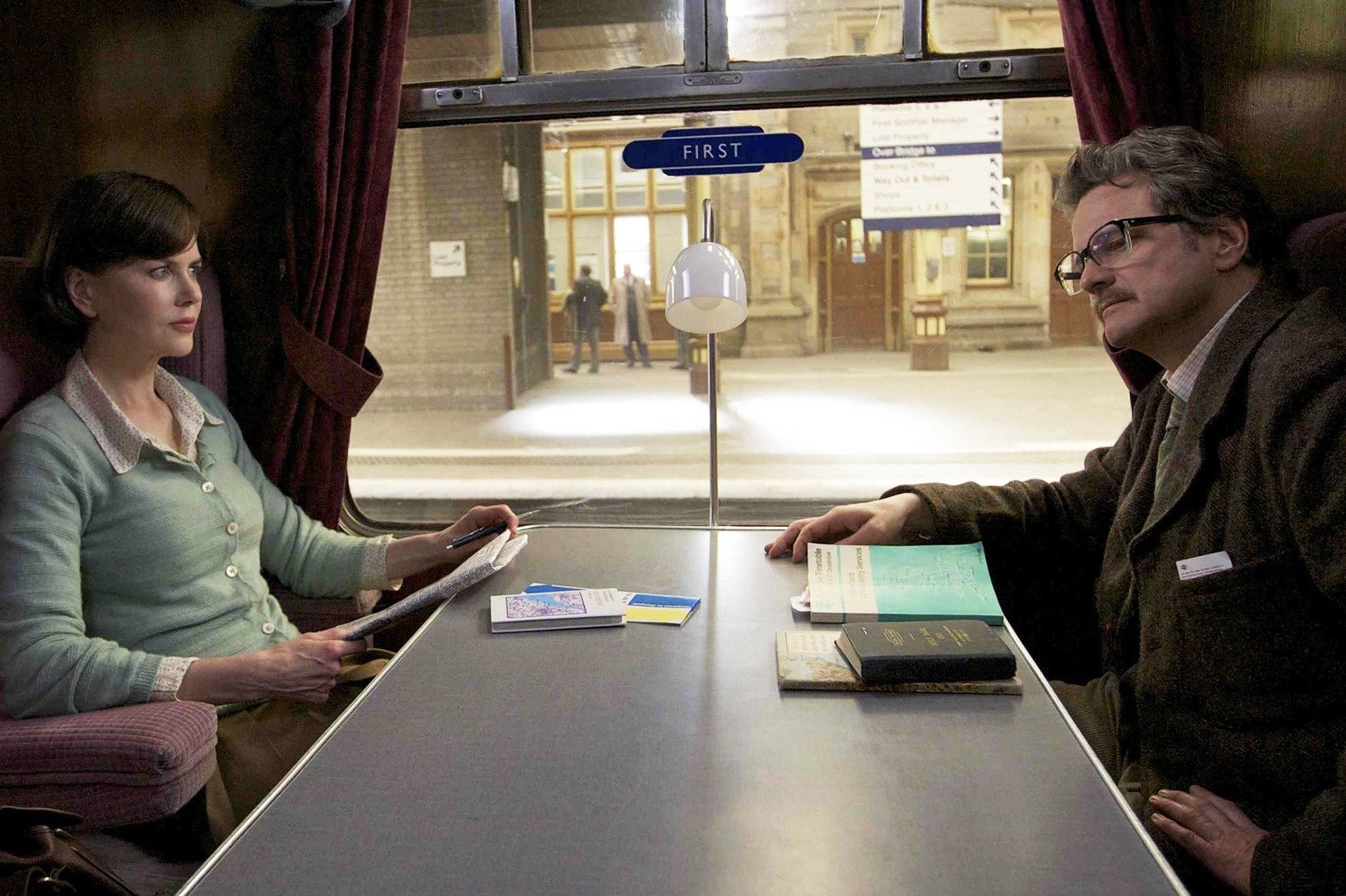
The story of Eric Lomax, a signals engineer who was forced to work on the infamous Thai-Burmese “Death Railway” after being taken prisoner by the Japanese during World War II has been told many times before, in print and on screen.
This latest retelling, from a screenplay by Frank Cottrell Boyce and Andy Paterson, wrestles with themes of suffering and redemption in an extremely realistic way, according to an article published by The Guardian.
In fact, Dr. William Hopkins, consultant psychiatrist for medical charity Freedom from Torture, told The Guardian that “the torture scenes are terrifying without being remotely sensationalist, as can sometimes be the case with film and TV”.
Dr. Hopkins watched the film with Eric Lomax’s friend, also a victim of torture and they both found it strikingly realistic. “The waterboarding is particularly horrific: the victim, as we see here, has a cloth placed over their mouth, and water poured on to their face so they can’t breathe. There has been a lot of talk recently about waterboarding somehow being a lesser form of torture – Dick Cheney famously described it as a “dunk in water”. The film leaves us in no doubt as to the suffering it inflicts,” the psychiatrist stresses.
The film also deals with Lomax’s experience of post-traumatic stress disorder very realistically, according to Dr. Hopkins. Many torture victims he works with,like Lomax, often prefer not to talk about what happened to them, even with fellow victims: they fear cheapening their experience somehow, or finding that others don’t understand.
Watch the trailer here
Source: The Guardian
Ask me anything
Explore related questions