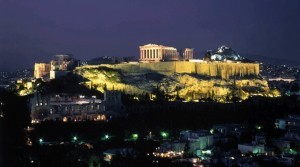
Italian historian Francesco Angelone recently presented his new book, entitled “La Troika sull ‘Acropoli” (The Troika at the Acropolis) in Rome.
Published by Bordeaux, the book explores the economic crisis in Greece and presents a review of the last forty years of Greek history, focusing on the period that begins with the outbreak of the crisis, in 2009 and ends with the European elections that took place in May.
The crucial question raised by the book, according to Angelone, is the following: Is Greece the victim of its own mistakes or is it a victim of an economic system that strangles weaker economies?
During the presentation, Greek-Italian researcher Rigas Raftopoulos made specific reference to the social consequences of the crisis, underlining the responsibilities of the troika with regards to the policies that have been implemented and the incorrect forecasts about the results of cuts in the health and education sectors.
Ask me anything
Explore related questions