






1. Christmas in December
The date of Christmas, December 25, isn’t exactly the date of the birth of Christ. It is unlikely that shepherds were sleeping outdoor with their flock in winter. Nobody knows exactly when Christ was born though there are clues in biblical texts that it may have been in spring, summer or autumn. The reason why winter was chosen as the date of Christ’s birth was due to fact that it coincided with the winter solstice that was celebrated in ancient Greece.
Greeks also celebrated the birth of Dionysus, the god of merriment and wine, on December 30. The god was refered to as divine “infant” and “Savior”. The high priests of Dionysus held a pastoral staff, similar to the one held by the biblical Good Shepherd.
The ancient Romans called this festival Saturnalia and was a fun and festive time, reaching its crescendo on December 25 with the “Birth of the Unconquerable Sun”. They would welcome Winter Solstice with cries of “Jo Saturnalia!”.
2. Christmas carol singing
The tradition of door-to-door carol-singing also dates back to ancient Greece when children would go from house to house holding effigies made of olive or laurel branches that symbolized health. They sang carols only in the homes of the rich. In return they received food. They would then go home and hang their effigies on their front door to bring their families prosperity.
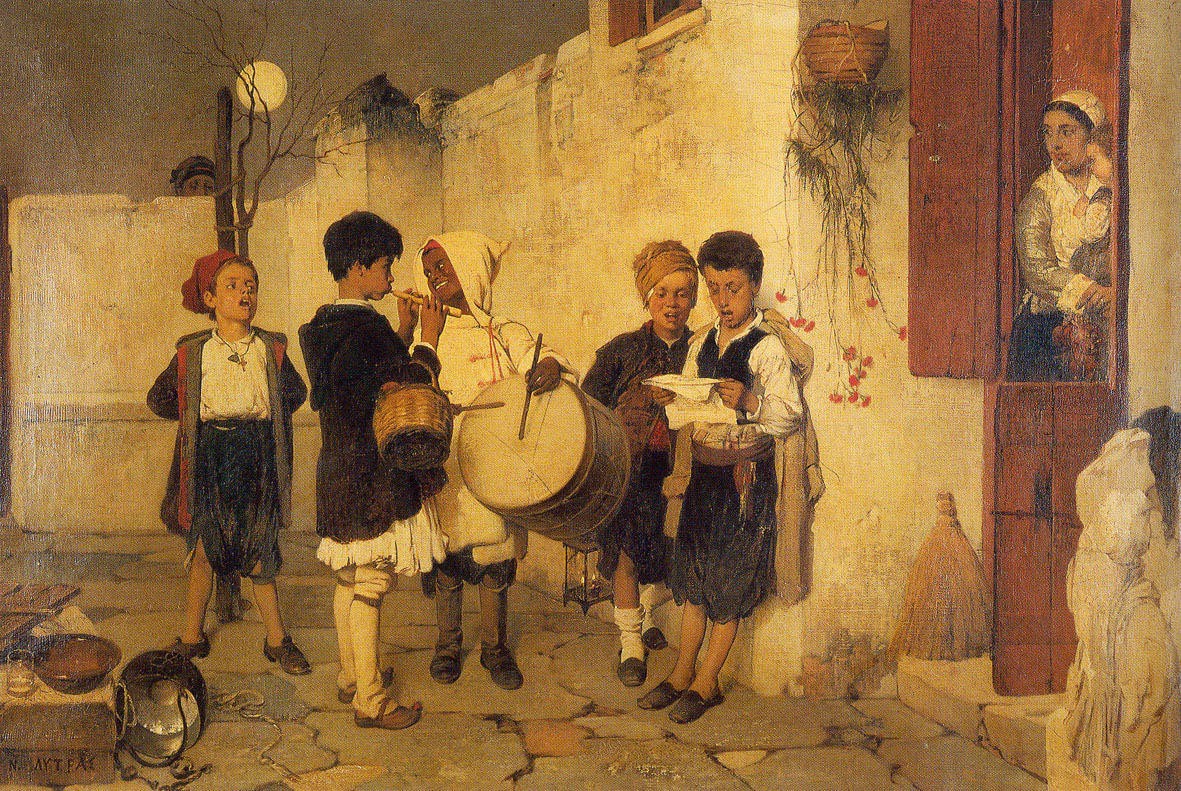
The blind poet, Homer, composed carols with a group of children during his stay on the isle of Samos.
3. Decorated Christmas tree
Most Greeks will tell you that the decoration of a boat is more traditionally Greek than the decoration of a Christmas tree, but they’ll be surprised to know that they are the ones who invented the idea of decorating trees even before Christians conceived this tradition. Tree worship was widespread in Greece as part of the celebration of Bacchus in honor of the god Dionysus.

At first, Greeks adorned their trees with fruit and other produce from the bountiful earth. Later, the tradition changed, with decorations of clothes and other household objects. These days, they decorate it with notes showing the unemployment figures.
4.Santa and his Dionysiac sleigh
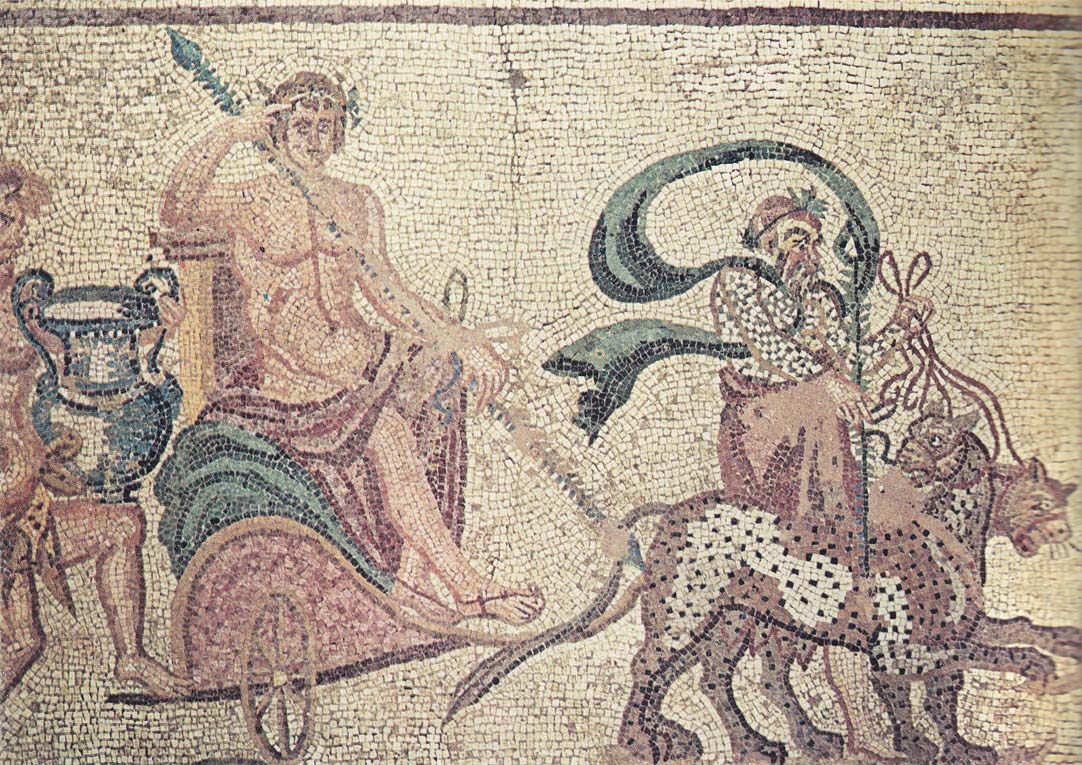
Dionysus drove around on a flying charriot pulled by exotic animals. He may not have given out gifts, but he always had plenty of booze at hand.
5.The X in Xmas may not be X-rated
Substituting Xmas for Christ in Christmas is rooted in ancient Greek tradition where the “Ch” was written as “chi” or “χ”. The Greek word for Christ is spelled Christos “Χριστός”. In 1500, some scribes started using X as a stand-in for the full name of Christ, so the X in Xmas acutally represents Jesus.
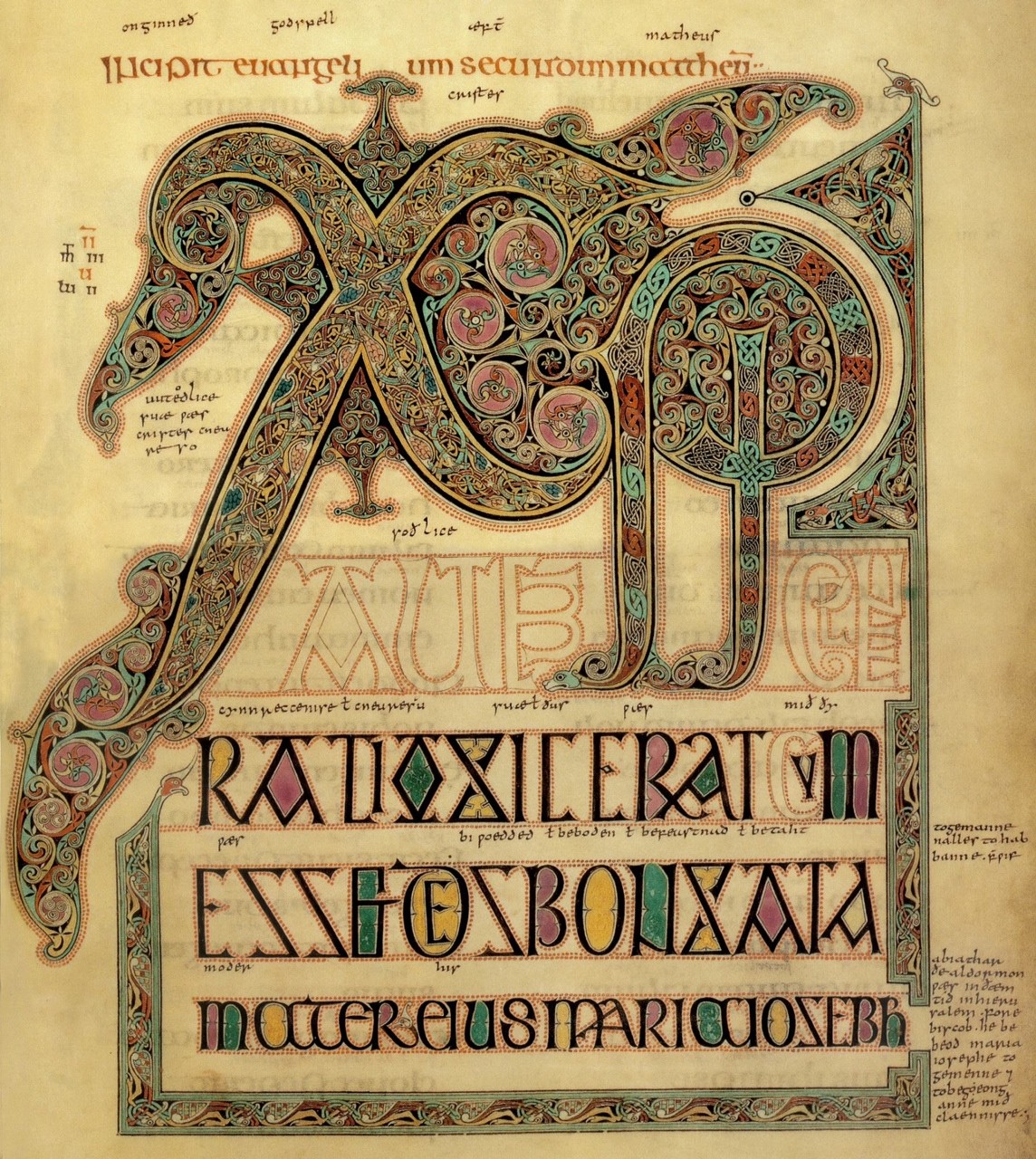
Christmas means “Christ’s Mass” and is meant to be a celebration of the birth and baptism of Jesus.
6. The lucky New Year’s Coin
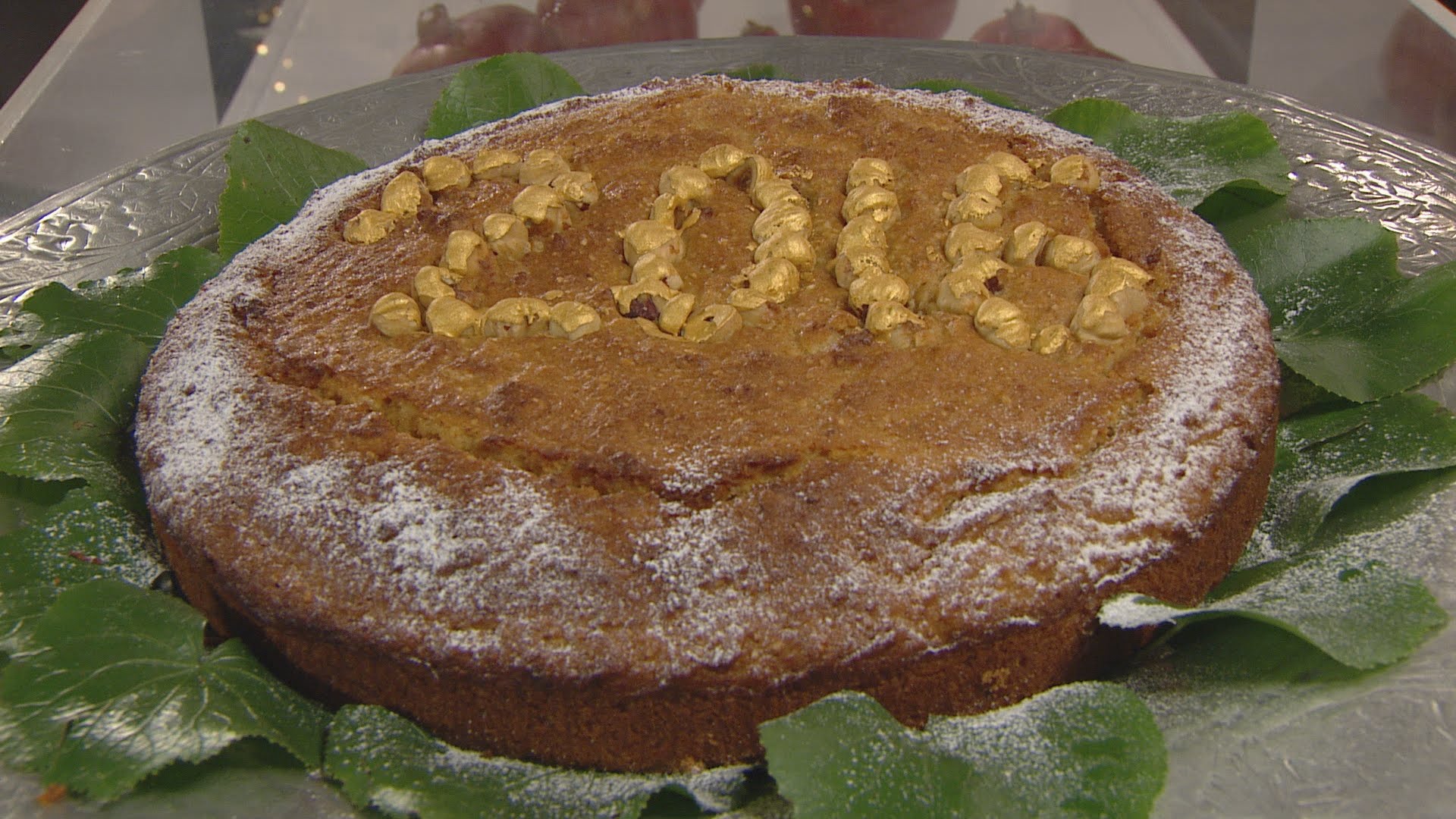
The New Year’s Cake, known as the Vasilopita, with its lucky coin hidden inside is also rooted in an ancient custom involving festive bread created to offer to the gods.
7. Smashing pomegranates
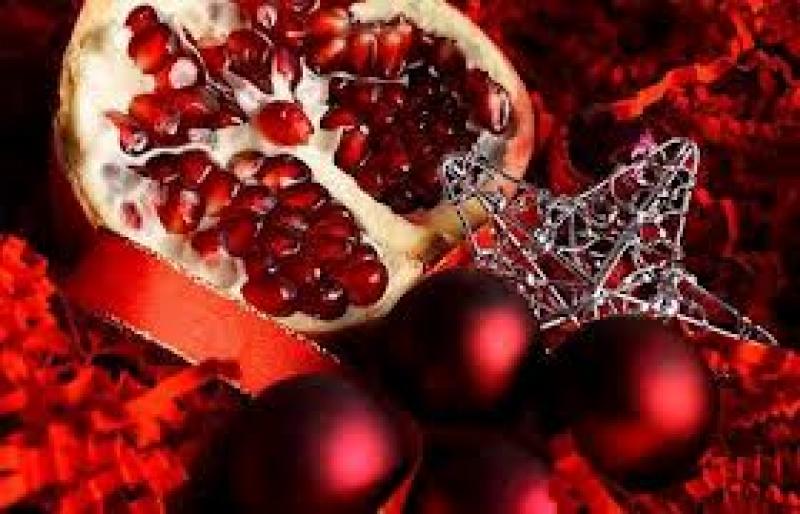
Since ancient times, pomegranates are considered to be symbols of fertility and rebirth. A little before the clock strikes twelve it is customary for family members to step out of the house and re-enter using their right foot. The person who enters immediately after the first footer smashes the pomegranate with force onto the door. The number of seeds that get scattered are proportional to amount of good luck the family will be blessed with over the coming year.
Ask me anything
Explore related questions




