Since the failed coup that sought to topple President Recep Tayyip Erdogan in July 2016, Turkey’s government has cracked down harshly on anyone it perceives to be a threat. Journalists, professors, political opponents, and human rights activists have been among the 50,000 people the Turkish government has arrested in the name of prosecuting those it claims are linked to terrorism. The rule of law and the independence of the judiciary, in lower courts in particular, have been seriously compromised.
What is happening inside Turkey has rightly been condemned, including by the European Court of Human Rights. But the Turkish government’s persecution of its critics does not stop at the country’s borders. Turkey has long been abusing international law enforcement mechanisms such as Interpol to pursue dissidents across borders. And in the past year, it has stepped up its efforts to persecute and intimidate political refugees abroad.
In July 2017, Turkish media reported that Turkey attempted to upload the names of 60,000 people to Interpol’s database. Most of these 60,000 were targeted because they were suspected of being followers of the exiled Turkish cleric, Fethullah Gulen, whom Erdogan has accused of “terrorism” and plotting the 2016 coup. This database works as an international criminal alert, notifying all 192 countries in the database that a person is wanted by police. Although Interpol vets at least one type of wanted person alerts — known as Red Notices, which are like international wanted posters — to ensure they are not politically motivated, it currently doesn’t vet another type known as diffusions.
Entering 60,000 people into a database designed to help locate the most dangerous criminals on the planet is clearly an abuse of the system. To give a sense of perspective, in 2016 there were just under 13,000 new Red Notices issued across the globe. However, the problem isn’t limited to Turkey. My organization, Fair Trials, has documented examples from many countries — including Russia, Indonesia, Egypt, and Venezuela — of Interpol alerts being abused for political purposes, in many cases seeking to silence journalists, human rights defenders, and political opponents. If Interpol wishes to remain a trusted tool in the fight against crime, it must ensure that it is not abused by governments seeking to enforce political vendettas.
Interpol has undertaken some welcome reforms, but they haven’t been enough to prevent abuse from Turkey. Last summer, both Dogan Akhanli (a German-Turkish writer and a well-known critic of the Turkish government) and Hamza Yalcin (a Swedish-Turkish journalist) were arrested in Spain on the basis of Interpol alerts. The cases led journalists to question German Chancellor Angela Merkel about the issue while she was on the campaign trail in 2017. When asked about Akhanli’s case, Merkel declared, “We must not misuse international organizations like Interpol for such purposes.”
Undeterred by all of this attention, Turkey is seeking new ways to intimidate critics who have found refuge abroad. Ankara’s latest innovation is Teror Arananlar (“Terrorist Wanted”), an official government website that the Turkish National Police uses to search for wanted people. As well as listing members of terrorist groups such as the Islamic State, the website lists well-known and outspoken human rights activists, journalists, and other dissidents as terrorists. In some cases, the government is offering hundreds of thousands of euros in reward money for information on these individuals. Bounties, it seems, have found a place in the modern age of online policing.
Among these wanted individuals is Bahar Kimyongur, a Belgian activist of Turkish descent who has been a vocal critic of the Turkish government’s record on human rights and democracy. Bahar was labeled a terrorist in 2006 for taking part in a peaceful protest in the European Parliament, an act that courts in three different countries have since ruled was a legitimate exercise of his right to free speech. Kimyongur is a citizen of the European Union, but over the last 12 years he has been plagued by Turkey’s attempts to silence and persecute him and his family. First, Turkey used Interpol, issuing a Red Notice that led to Kimyongur being arrested on three separate occasions — in the Netherlands, Spain, and Italy. As a result, he was deprived of his liberty for a total of six months while awaiting a decision on his extradition. After the countries refused to extradite Kimyongur to Turkey, in each case allowing him to return home to Belgium, Interpol finally deleted the alert.
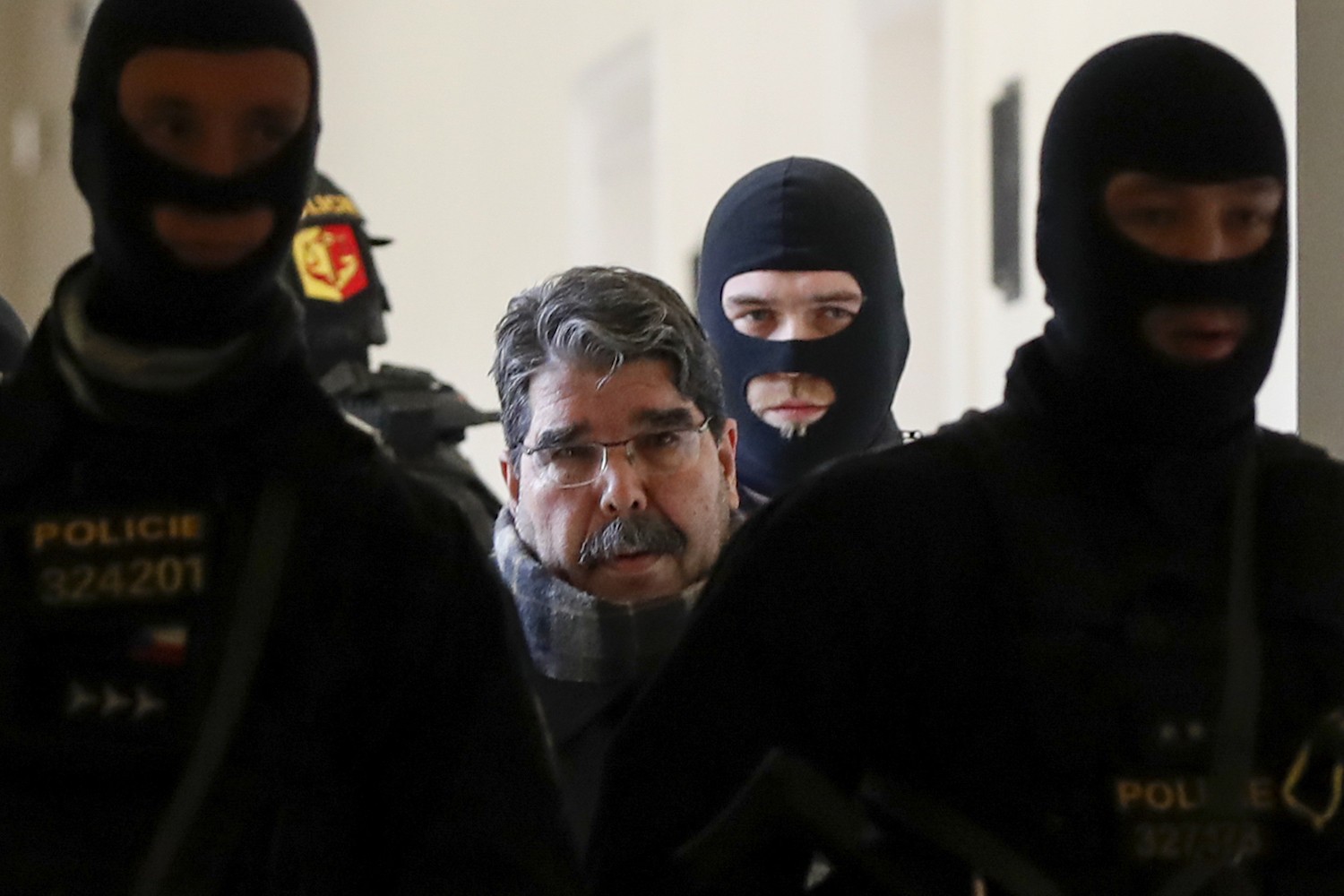
The Turkish government has now put a price of 1 million Turkish lira on his head (roughly $250,000) as his name was added to the Teror Arananlar website. In March, Belgians started a petition demanding that their government take all necessary measures to protect Kimyongur from further threats and persecution. The impact of Turkey’s approach is being felt across Europe and others have been targeted, too, including Ihsan Cibelik, a musician living in Germany who is a member of Grup Yorum, a folk band known for its left-wing political views and Sevil Sevimli, a French student sentenced to five years in prison in Turkey allegedly for attending a Grup Yorum concert and for taking part in a May Day demonstration. In February, Salih Muslim, a former leader of the Syrian Kurdish Democratic Union Party (PYD), who currently resides in Finland, was detained while attending a conference in the Czech Republic following an extradition request from Turkey on terrorism grounds. Although he was eventually let go by the Czech courts, he will continue to face the threat of arrest when traveling unless the Red Notice against him is revoked.
Although the Belgian, German, and French authorities are unlikely to act on Turkey’s demands, some countries will. In 2016, Bulgaria handed over Abdullah Buyuk, a Turkish asylum-seeker subject to a Red Notice, to Turkey when the Bulgarian Interior Ministry decided he did not have the legal right to remain in the country, despite two Bulgarian court decisions refusing extradition. By putting a bounty on people, Turkey is using Teror Arananlar (as it used Interpol before) to strike fear into the hearts of people like Kimyongur, Cibelik, and Sevimli. It is also an attempt by the Turkish government to extend its own political agenda into the EU and to marginalize EU citizens and residents who oppose Erdogan’s regime, including those who fled Turkey to escape such persecution.
The Teror Arananlar website, and the threats and violence directed against dissidents, is part of a disturbing trend by the Turkish authorities to sow discord among diaspora communities, to create an atmosphere of fear and mistrust, and to prevent individuals from criticizing the government even from the supposedly safe haven of the EU. This is an alarming interference with the rights of EU residents and citizens and is an affront to the EU’s shared values.
Turkish dissidents living in the EU deserve to live freely without fear of Turkey pursuing them across borders. Heads of EU governments as well as EU institutions must do more to stop Turkey’s attempts to export repression. Brussels should vocally support member states so that they are able to provide adequate protection to targeted individuals to ensure citizens are not subject to politically motivated arrests. EU institutions must take a collective approach to this issue, both legally — the European Court of Human Rights is currently investigating the extradition of Buyuk — but also politically. And finally, European governments should issue public statements making it clear that journalists, political activists, and refugees who are vulnerable to the Turkish government’s crackdown on dissent will be safe in EU countries.
Source: foreignpolicy
Ask me anything
Explore related questions