

×
GreekEnglish

×
  • Politics
  • Diaspora
  • World
  • Lifestyle
  • Travel
  • Culture
  • Sports
  • Cooking
Sunday
28
Jun 2026
weather symbol
Athens 29°C
  • Home
  • Politics
  • Economy
  • World
  • Diaspora
  • Lifestyle
  • Travel
  • Culture
  • Sports
  • Mediterranean Cooking
  • Weather
Contact follow Protothema:
Powered by Cloudevo
> Culture

Is the Assyrian Nimrud Lens the oldest telescope in the world?

“This piece of rock crystal has been carefully ground and polished, and undoubtedly has optical properties”

Newsroom August 4 01:00

Δείτε περισσότερα άρθρα μας στα αποτελέσματα αναζήτησης

Add Protothema.gr on Google

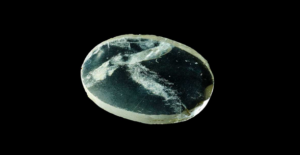
The Nimrud lens is a 3,000-year-old piece of rock crystal unearthed by Sir John Layard in 1850 at the Assyrian palace of Nimrud, in modern-day Iraq. Since its discovery over a century ago, scientists and historians have debated its use, with one prominent Italian professor claiming the lens was used by the ancient Assyrians as part of a telescope. This was used to explain how the Assyrians knew so much about astronomy.

The Nimrud lens (also called the Layard lens), which has been dated to between 750 and 710 BC, is made from natural rock crystal and is a slightly oval in shape. It was roughly ground, perhaps on a lapidary wheel. It has a focal point about 11 centimeters (4.33 in) from the flat side, and a focal length of about 12 cm (4.72 in).

See Also:

>Related articles

New U.S. strikes target Iran again, hitting Sirik near the Strait of Hormuz

Dozens of Ukrainian drones headed for Moscow intercepted, city mayor says

Oil prices plunge 10% for the week as Hormuz traffic resumes; Brent settles at $71.99

Hagia Sophia desecration: Hundreds of children shout “Allahu Akbar” (video)

These dimensions would make the Nimrud lens equivalent to a 3× magnifying glass. Combined with another lens, it could achieve much greater magnification. The surface of the lens was created with twelve cavities that were opened during grinding. These would have contained naptha or some other fluid trapped in the raw crystal. The lens is said to be able to focus sunlight, although the focus is far from perfect.

Read more: Ancient Origins

Ask me anything

Explore related questions

#archaeology#Assyrians#culture#history#Nimrud Lens#science#technology#telescope#world
> More Culture

Follow en.protothema.gr on Google News and be the first to know all the news

See all the latest News from Greece and the World, the moment they happen, at en.protothema.gr

> Latest Stories

Congressional initiative seeks to block F-35 fighter jet sales to Turkey

June 28, 2026

Fire breaks out in two-storey building in Kallithea: Elderly woman jumps from balcony to escape

June 28, 2026

University entrance score estimates for 247 departments: Engineering schools expected to rise, declines seen elsewhere

June 28, 2026

Arrests made following fatal shooting range tragedy in Malevizi; Investigators examine authenticity of victim’s signature

June 28, 2026

Fire breaks out at Hotel in Omonia, guests being rescued

June 28, 2026

New U.S. strikes target Iran again, hitting Sirik near the Strait of Hormuz

June 28, 2026

Dozens of Ukrainian drones headed for Moscow intercepted, city mayor says

June 28, 2026

Climate change ‘undoubtedly responsible’ for the severity of Western Europe’s heatwave, scientists say

June 28, 2026
All News

> Greece

In reverence, the emotional deposition in Jerusalem, see photos & video

The Holy Temple of the Resurrection opened after many days due to the war between Israel and Iran

April 10, 2026

In the final stretch for the accreditation of joint master’s degrees: Aiming for their launch in the coming academic year

April 10, 2026

Schedule for Epitaph Procession today (10/4)

April 10, 2026

Perfect weather for Easter excursions, according to Tsatrafyllia’s forecast

April 10, 2026

Easter in Greece: The customs that continue in Greek tradition – From Nafpaktos to Corfu

April 10, 2026
Homepage
PERSONAL DATA PROTECTION POLICY COOKIES POLICY TERM OF USE
Powered by Cloudevo
Copyright © 2026 Πρώτο Θέμα



