





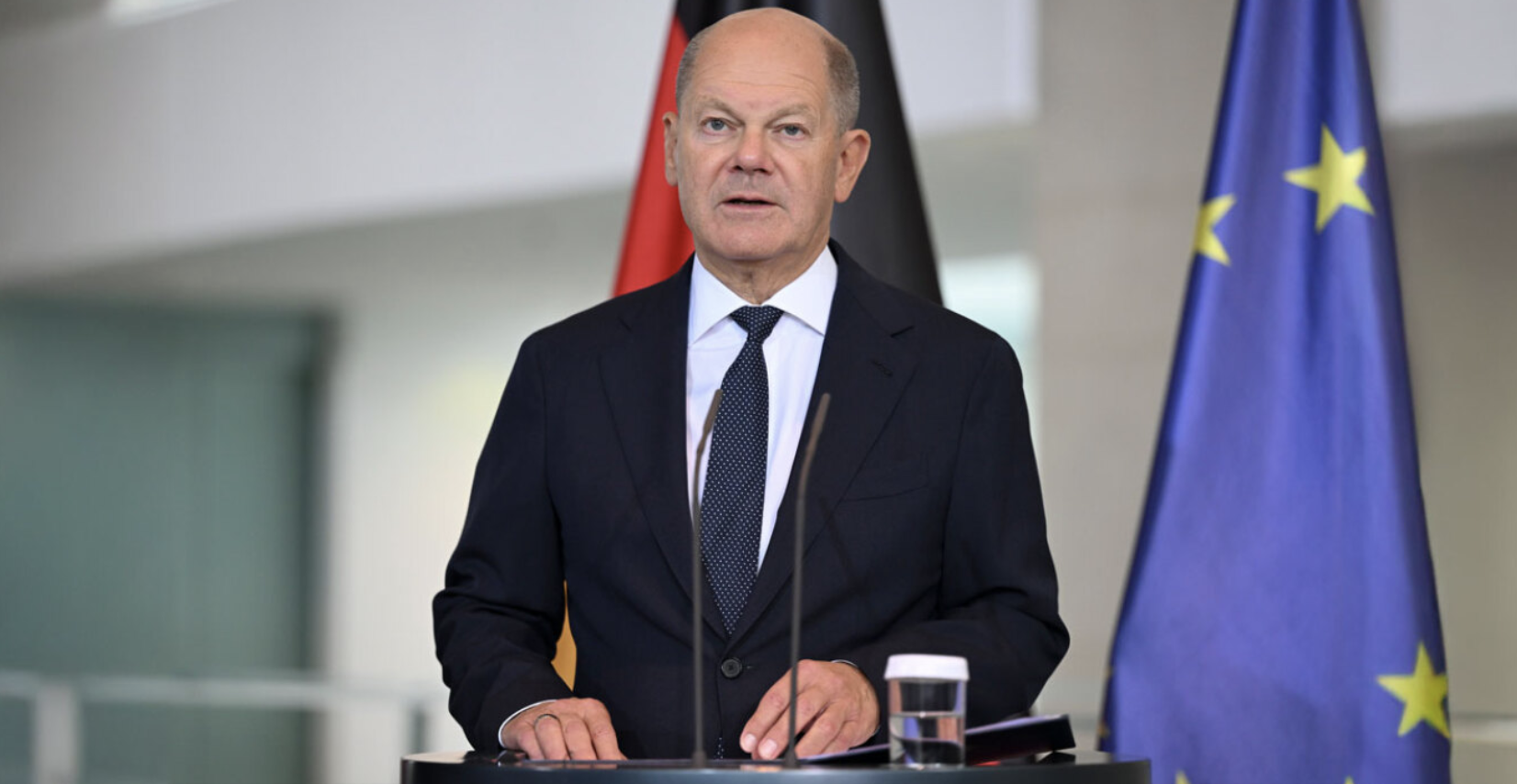
Germany is unilaterally promoting a new strict package on migration and internal security. In a sudden move, Berlin expanded temporary border controls with nine neighboring countries starting at midnight on Sunday. These measures are causing concern in Brussels, which is seeking explanations. Nevertheless, they mark a significant shift in Germany’s stance, with broader implications for countries like Greece, which are the first points of entry for migrants.
Until recently, it would have been hard to imagine barbed wire, armed patrols pushing back desperate migrants, or squalid refugee camps next to border walls reminiscent of Mexico, right in the heart of Europe. Yet this is what seems to be unfolding, especially along Germany’s 3,700 kilometers of borders with its neighbors.
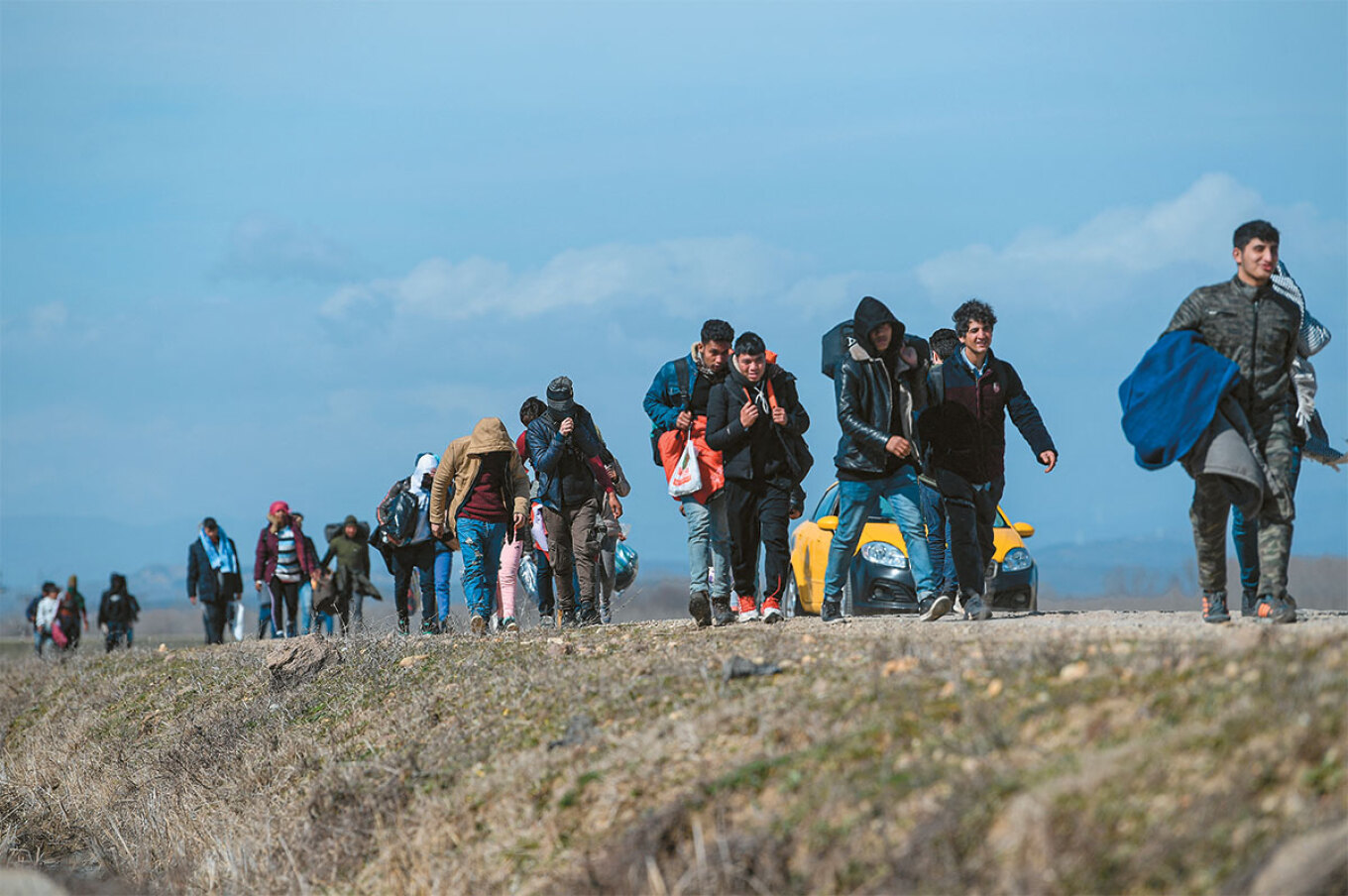
Germany, once known for tolerance and openness, now seems to be adopting a dystopian policy that feels like something out of a sci-fi nightmare. What has caused this drastic shift?
The migration issue is real. There are concerns among the local population, with fear of the unknown and the different always present. However, migrants arriving in Europe make up just 0.6% of the total population. So what exactly has triggered this sudden reaction in Germany, a country of nearly 85 million people? How did Berlin end up so blatantly violating the European Migration Pact? How did Germany, once a champion of European institutions, come to undermine the Schengen Treaty – the cornerstone of free movement within the EU?

Germany’s U-turn raises further questions: what happened to Angela Merkel’s confident proclamation nine years ago, “Wir schaffen das!” (We can manage this)? How did the bold spirit of empathy, under which Germany welcomed over a million refugees, fade away? Since 2015, Germany has accepted over 3 million refugees, and in 2023 alone, more than 350,000 asylum applications were submitted – an increase of over 50% compared to the previous year.
While half of these asylum seekers are white Christian Ukrainians fleeing war, public sentiment toward all migrants is largely negative. In a recent poll, 77% of respondents called for a change in migration and asylum policies. The days of Merkel’s open-door policy, designed to bring much-needed labor to Germany, are over.
Germany’s economy is struggling, with zero growth, rising living costs, and reduced welfare benefits. A segment of the population, fueled by far-right rhetoric, is channeling its frustration through prejudice and hatred toward migrants. Meanwhile, another, more peaceful, part of society feels unprotected against the threats of Islamic extremism.
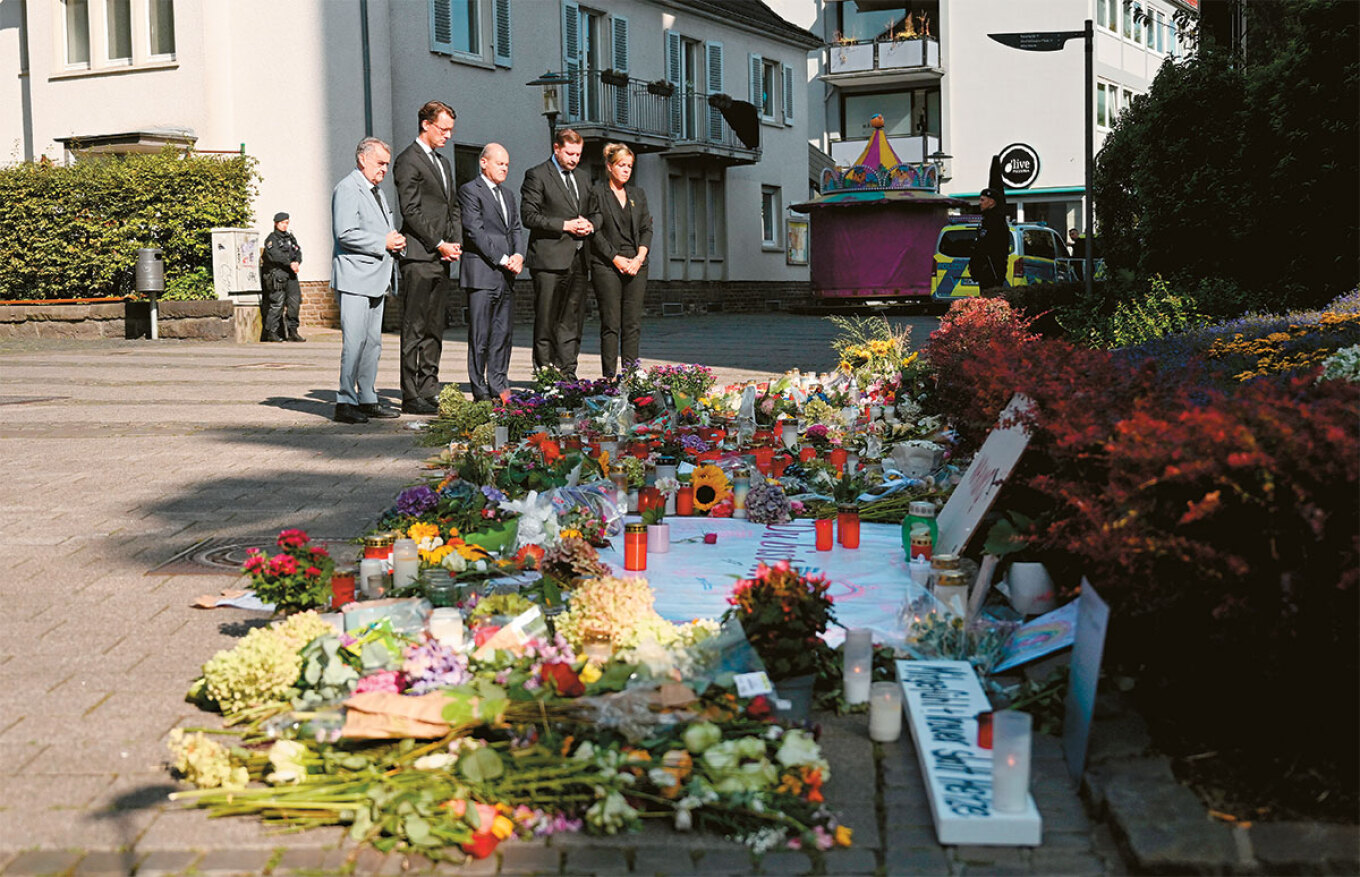
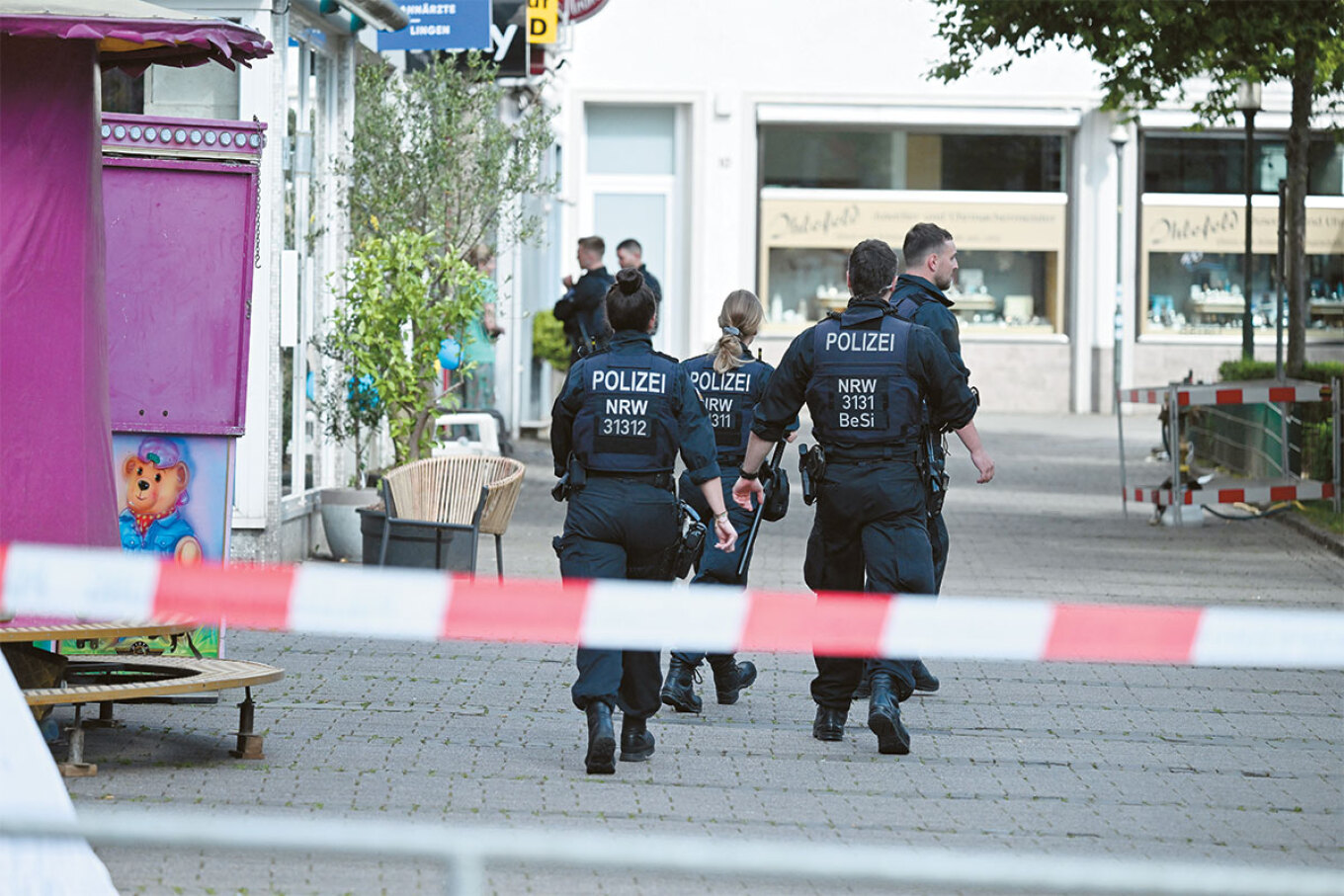
In August, a terrorist attack on German soil gave the far-right an opportunity to push its anti-immigration agenda. This attack, in the town of Solingen, resulted in the deaths of three people and the injury of five others. The perpetrator, a 26-year-old Syrian refugee, had been on a deportation list for over a year.
In response to this growing unrest, Chancellor Olaf Scholz and his government made a surprising shift. They adopted stricter measures against illegal migration and even cut welfare benefits for migrants who had previously registered in other EU countries.
Scholz’s government, under pressure from the rising far-right party AfD, which advocates for welfare benefits only for Germans, has essentially adopted their rhetoric. The recent local election results in Thuringia and Saxony, where the AfD triumphed, have alarmed the government. Faced with a loss of voter support, Scholz has aligned partially with the AfD’s extreme demands on migration, in an attempt to win over frustrated voters.
Despite these moves, Germany’s handling of the migration crisis risks undermining the Schengen Treaty and dividing the EU, with no clear path to cooperation with its neighbors. It seems Berlin is once again exporting its internal crises to its European partners, but with fewer and fewer willing to follow its lead.
Ask me anything
Explore related questions




