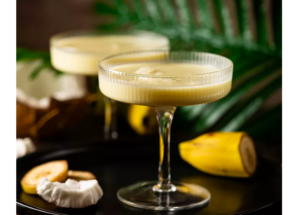
Banana liqueur, with its vibrant history, has graced royal banquets, evening soirees, and music halls with its rich flavor and distinct aroma. Sometimes pale yellow, other times vivid yellow or even green, this liqueur with uncertain origins has left its mark on hospitality traditions, Greek literature, and even the songs of Stelios Kazantzidis. Its popularity surged during a bygone era and has recently gained attention, thanks to its mention in the Greek TV series Maria Who Became Callas.
In the show’s ninth episode, titled Banana Liqueur, Maria is captivated by the flavor of the drink, described as “the new beverage the British brought after the liberation.” While the storyline is fictional, it has rekindled interest in this historic beverage.
The Origins of Banana Liqueur
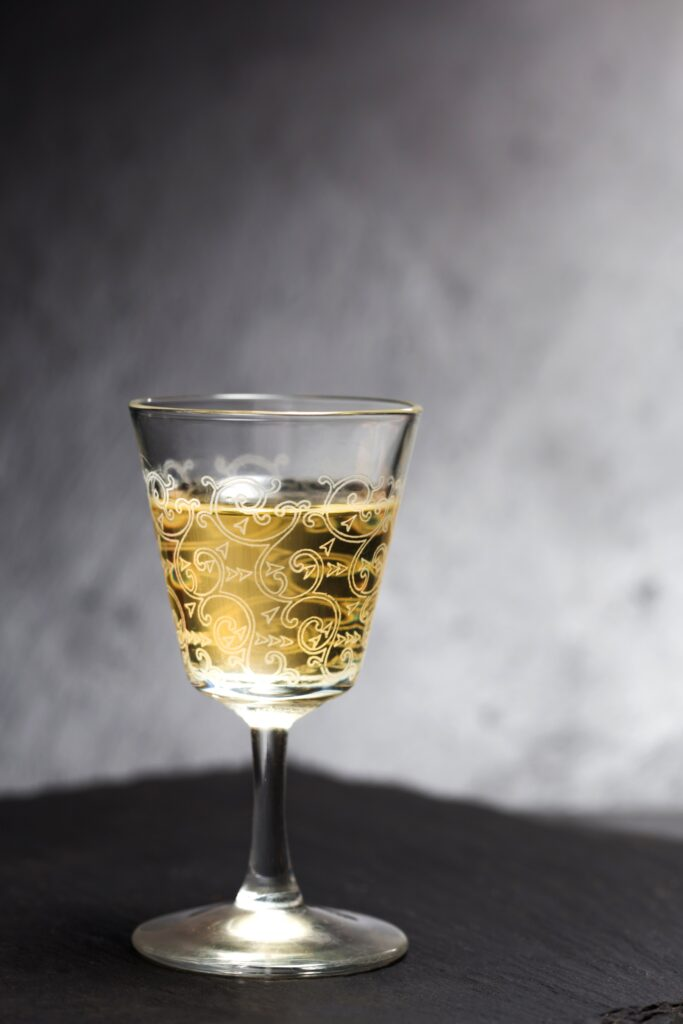
The word “liqueur” derives from the Latin liquorem, meaning “liquid” or “juice.” Initially referring to any fluid substance, it later came to describe drinks created through fermentation or distillation. By the 13th century, monks and alchemists in medieval Europe were blending fruit and herb extracts into alcohol for medicinal purposes, eventually leading to the creation of flavored liqueurs like banana liqueur.
While its exact origins remain unclear, banana liqueur emerged in the late 19th century, as bananas became a popular import in Europe and America. French companies like Marie Brizard and DeKuyper perfected the art of banana liqueur, using ripe bananas from tropical regions and adding sugar, pineapple juice, vanilla, and even cocoa for depth of flavor.
By the early 20th century, “Crème de Banane” had established itself as a refined drink, popular in cocktails such as the Banana Bliss and Waterloo. However, by the 1980s, synthetic ingredients and excessive sugar led to a decline in quality.
Cultural Significance
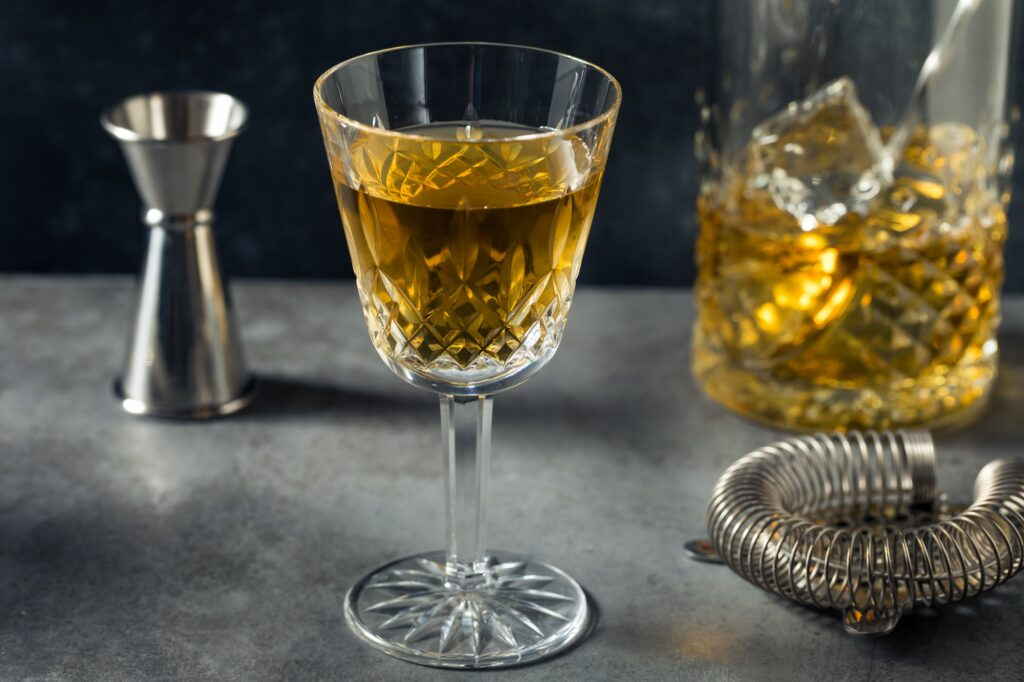
In Greece, banana liqueur was not only a gesture of hospitality but also a symbol of indulgence in social gatherings. It often accompanied desserts like grape preserves and was served in elegant crystal glasses. Stelios Kazantzidis even referenced it in his music, celebrating the joy of carefree nights.
Banana Liqueur Recipes
Below are two recipes: one traditional, requiring patience, and another quick and creamy version.
Traditional Banana Liqueur (Slow Method)
Ingredients:
- 3 ripe bananas
- 500 ml vodka or clear spirit (e.g., tsipouro without anise)
- 250 g sugar
- 250 ml water
- 2 drops of yellow food coloring (optional)
Instructions:
- Peel and slice the bananas. Place them in an airtight glass jar.
- Add the vodka, ensuring the bananas are fully submerged. Seal the jar.
- Store in a cool, dark place for 7-10 days, shaking daily.
- Prepare a simple syrup by boiling water and sugar until dissolved. Let cool.
- Strain the banana mixture through a fine cloth or filter and mix it with the syrup.
- Transfer to a sterilized glass bottle and let rest for 5-7 days before serving.
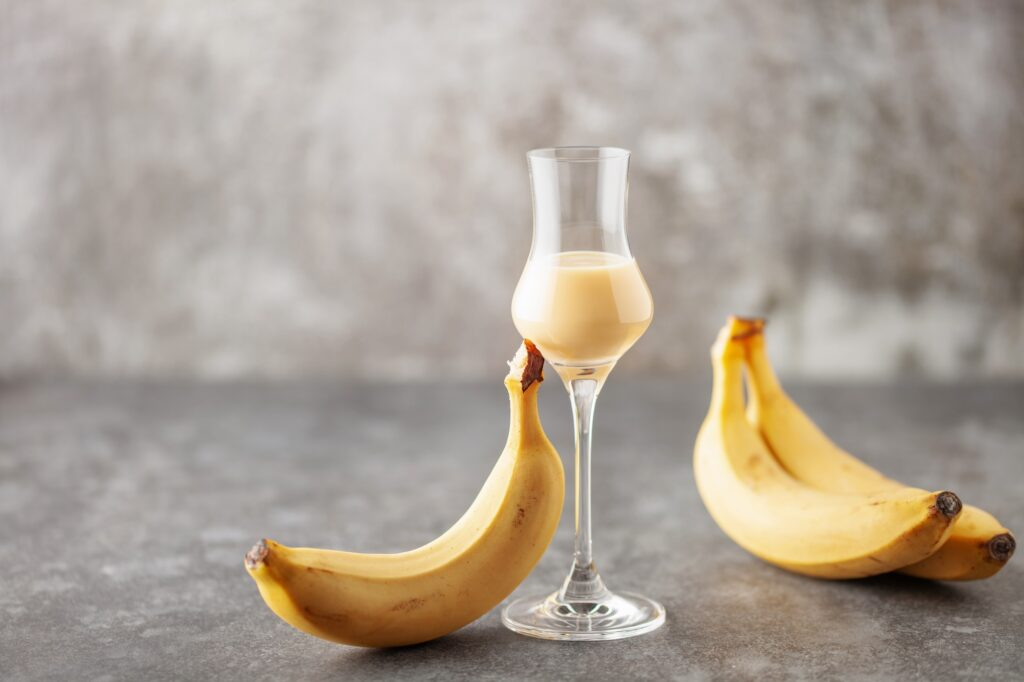
Instant Banana Liqueur (Quick Method)
Ingredients:
- 3 ripe bananas
- 400 ml sweetened condensed milk
- 200 ml vodka
- 1 tsp vanilla extract
Instructions:
- Blend the bananas into a smooth puree.
- Add condensed milk, vodka, and vanilla extract to the blender. Blend until fully combined.
- Pour into a bottle and refrigerate for at least 2 hours.
- Shake well before serving chilled.
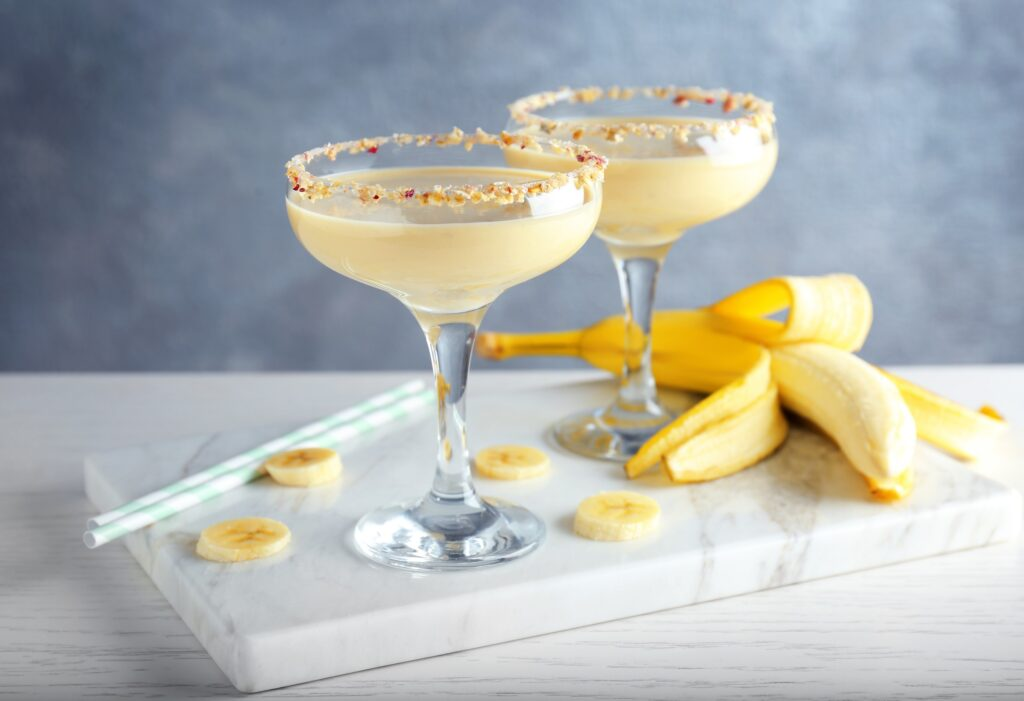
Whether you opt for the timeless elegance of the slow method or the creamy indulgence of the instant recipe, banana liqueur is a drink that bridges the past and present, perfect for both nostalgic moments and modern celebrations.
Ask me anything
Explore related questions