


A Deep-Rooted Tradition
The history of coffee in Greece dates back to the Ottoman period when coffeehouses began appearing in towns and villages. These establishments were not just places to enjoy a strong cup of Greek coffee but also social hubs where people of all classes gathered to discuss politics, business, and philosophy. Workers started their day with a cup of hovoli-brewed Greek coffee, served in a small briki alongside a glass of cold water and a spoonful of sweet preserve.
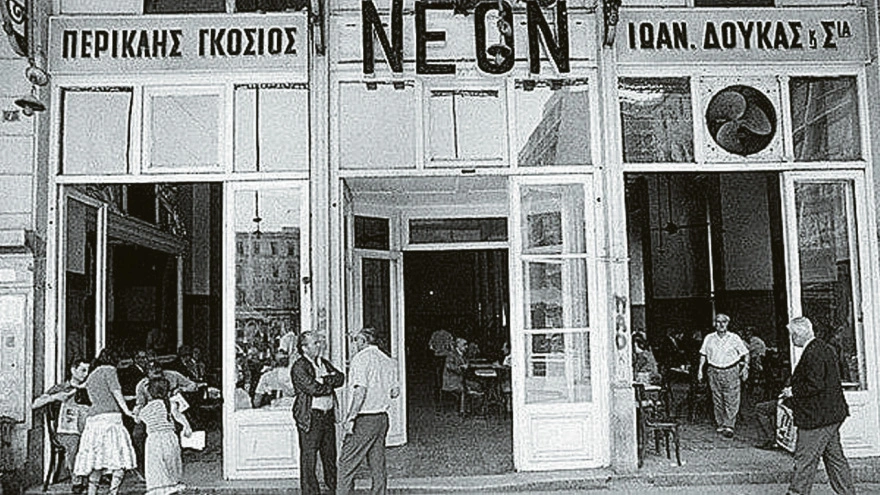
These coffeehouses also became meeting points for Greece’s intellectual elite, attracting writers, poets, and political figures who discussed ideas that would later shape the country’s future. During the 19th and early 20th centuries, they were not just gathering places but cradles of revolutions and artistic movements. Many ideas fueling Greece’s independence were debated over coffee in dimly lit cafés in Athens and Piraeus.
As Greece entered the 20th century, these coffeehouses evolved. They became meeting places for businessmen, traders, and professionals who saw coffee not only as a daily ritual but also as a symbol of prosperity. Simple wooden furniture was replaced by more elaborate designs with marble surfaces and cast-iron legs, reflecting the affluence of their clientele.
A prime example was Lentzos, the historic café in Pagrati, famous for serving the best frappé in Athens. Despite the drink being invented in Thessaloniki by Dimitris Vakondios in 1957, Lentzos became a landmark, attracting celebrities such as Sofia Vembo, Katina Paxinou, and Aliki Vougiouklaki. The thick, foamy drink became the emblem of an entire generation.
Coffee as a Wellness Symbol
Today, coffee remains deeply intertwined with daily life in Greece. From elderly men gathering at traditional coffeehouses in the morning to younger generations working from café tables or students holding freddo espresso in a takeaway cup, coffee continues to be a social ritual.

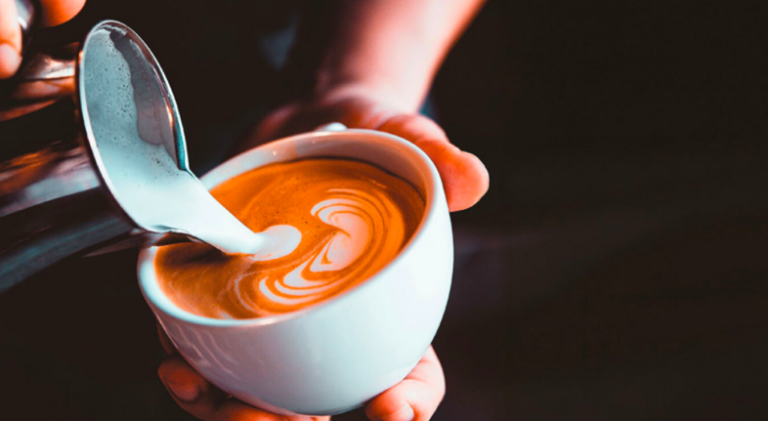
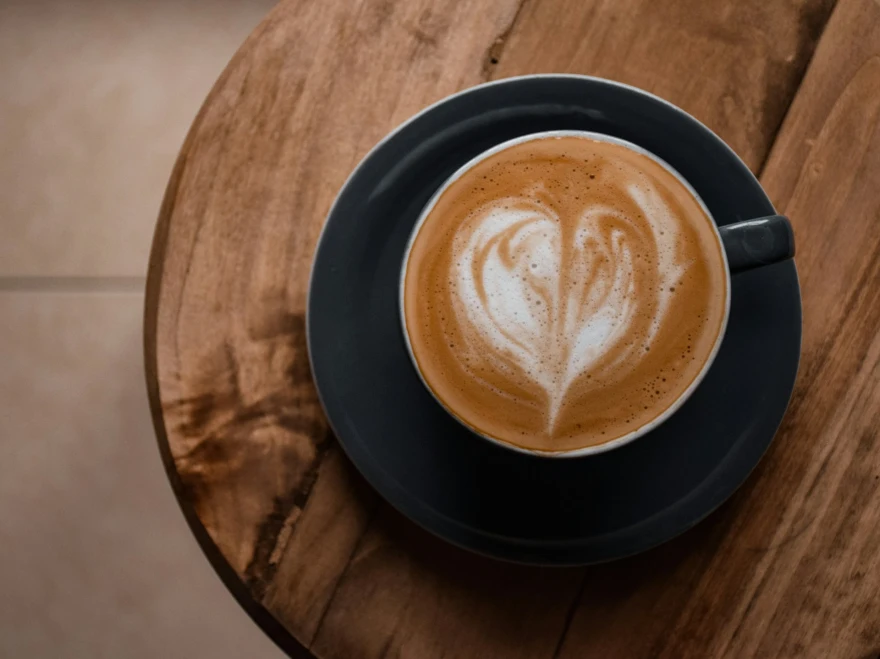
Greek coffee culture has also embraced the digital age. Social media platforms like TikTok and Instagram have turned coffee into a lifestyle statement. Greek influencers frequently post aesthetically pleasing freddo cappuccinos and latte art, making coffee an essential part of personal branding. Young people showcase their favorite coffee spots, personalized drinks, and even tutorials on brewing the perfect cup at home.
Moreover, coffee-making has become a daily ritual, from carefully selecting the right blend to mastering the froth of a freddo. Many Greeks start their day with this process, considering it an essential act of self-care and mindfulness before stepping into the daily hustle.
The Meaning of Coffee for Greeks
Beyond being a trend or a ritual of self-care, coffee holds a unique power for Greeks. “Coffee starts with the body and takes over the mind,” says Mary Kontolouri, a journalist and owner of To Fylatzani, a café where people come to have their coffee grounds read. Coffee fortune-telling (kafemanteia), a practice she learned during her student years in Thessaloniki, remains a deeply ingrained tradition across all ages and social backgrounds. “Coffee has immense power—not just in predicting the future but in our lives in general. It’s a need, it fuels our temperament, it’s sacred to us.”
From the humble coffeehouses of the past to today’s bustling cafés, coffee has played a pivotal role in Greek society. It has been the drink of both the working class and the intellectual elite, of entrepreneurs and artists, of the elderly and the youth. In Greece, coffee is more than just a beverage—it is an institution, a tradition, and a way of life.
A Society Hooked on Caffeine
Caffeine is the world’s most widely consumed psychoactive substance, with approximately 90% of adults consuming it daily in some form—whether through coffee, tea, soda, or energy drinks. While caffeine enhances cognitive function and physical performance, excessive consumption can lead to dependence, withdrawal symptoms, and negative health effects.
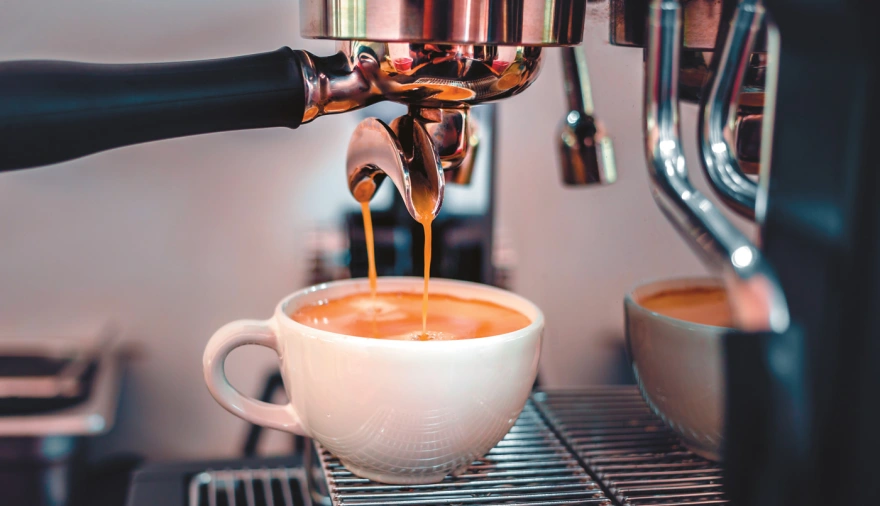
Caffeine works by blocking adenosine, a neurotransmitter that promotes relaxation and sleepiness. This increases alertness and temporarily reduces fatigue. According to studies published in the Journal of Psychopharmacology, caffeine can improve reaction time, memory, and concentration, making it a popular choice among students, professionals, and athletes. The European Food Safety Authority (EFSA) and nutritionists such as Marianna Monou and Manolis Tatarakis recommend a daily intake of up to 400 mg—roughly three cups of coffee—as generally safe for most adults.
However, regular caffeine consumption alters brain chemistry. The body produces more adenosine receptors in response to consistent caffeine intake, leading to tolerance, meaning higher doses are needed to achieve the same effects. Studies in the American Journal of Psychiatry show that when caffeine intake is suddenly reduced, withdrawal symptoms such as headaches, fatigue, irritability, and difficulty concentrating can appear within 12 to 24 hours and last up to a week.
Caffeine Use Disorder
While moderate caffeine consumption is generally safe, excessive intake can lead to Caffeine Use Disorder, recognized in the DSM-5 (Diagnostic and Statistical Manual of Mental Disorders). Research from Johns Hopkins University found that 9%-15% of users meet the criteria for addiction, experiencing compulsive use despite negative consequences. High caffeine consumption (over 600 mg per day) has been linked to increased anxiety, insomnia, heart palpitations, and digestive issues. A 2019 study in Nutrients found that individuals consuming over 1,000 mg per day were more likely to experience panic attacks and elevated stress levels.
Excessive caffeine use can also disrupt sleep patterns, leading to chronic fatigue and dependency—a cycle where people rely on caffeine to compensate for lack of rest.
To avoid dependence, experts recommend gradually reducing caffeine intake, staying hydrated, maintaining a balanced diet, and prioritizing sleep. While caffeine provides cognitive and physical benefits—such as reducing the risk of type 2 diabetes and alleviating symptoms of neurodegenerative diseases—responsible consumption is key to preventing addiction and health issues.
A €4 Billion Market – Greece Ranks 17th in Global Coffee Consumption
How much does happiness cost? Not just any happiness, but that of the first sip of coffee in the morning—the one that sets the tone for the day. The answers vary as much as the types of coffee available, but one thing is certain: from instant coffee sachets to premium single-origin beans, Greece has come a long way.
Experts debate whether we are in the third or fifth coffee wave, but one thing is clear—new conceptual cafés are popping up everywhere, and home baristas are passionately perfecting their brews, much like award-winning chefs perfect their dishes.
A nationwide survey by Kapa Research for the Hellenic Coffee Association (HCA) found that 8 out of 10 Greeks drink coffee daily, and even those who don’t usually keep coffee at home. According to the International Coffee Organization, Greece ranks 17th worldwide in per capita consumption, with Finland topping the list at more than twice the consumption per person.
“The total coffee market revenue in Greece is estimated at €4 billion in 2024, with €500 million spent on at-home consumption and €3.5 billion on out-of-home consumption, amounting to around 40,000 tons of coffee,” says HCA President Anastasios Giagkoglou.
When asked why new coffee shops keep opening, Giagkoglou explains: “Running a café is seen by many as an easy and quick way to make a living. The result is market saturation. However, intense competition and rising costs (raw materials, energy, labor, rent) significantly reduce profit margins.”
The special consumption tax burdens businesses, particularly importers and traders, who are calling for its removal. Meanwhile, global coffee prices are at their highest levels in 50 years due to climate change and market fluctuations.
Ask me anything
Explore related questions