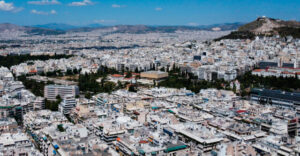
Santorini, with its iconic Caldera, is one of the most recognizable tourist destinations in the world. However, behind its unparalleled beauty lies a serious issue: the rampant construction that threatens its natural and cultural heritage. In recent years, Santorini’s Caldera has become an area of uncontrolled building expansion. New structures, extensions of existing buildings, and an ever-increasing number of pools and other water features have significantly altered the landscape

A striking fact is that, according to the island’s special urban planning study, each resident of Fira has an average of 245 square meters of built-up area, while each resident of Oia has 195 square meters. In contrast, the national average for island regions does not exceed 40-80 square meters! The urban planning study notes that if illegal constructions were removed, the built-up area per resident would drop to 177 square meters in Fira and 153 square meters in Oia—highlighting the sheer scale of unauthorized development.
Building Permit “Freeze”
The severe overdevelopment of the area led the Ministry of Environment to suspend the issuance of building permits until the end of 2025 or until the approval of the island’s new urban plan. However, despite the authorities’ efforts, loopholes still allow construction to continue. For instance, while the suspension applies to new buildings and expansions, it does not fully cover applications for permits that had already been submitted for Zone I (the Santorini and Thirasia Caldera), raising concerns about further strain on the area. At the same time, reports of illegal interventions in protected zones are on the rise.
Uncontrolled construction not only impacts the visual harmony of the landscape but also poses a serious risk to the structural stability of buildings. Owners of tourist accommodations and food service establishments are now required to conduct structural adequacy studies within two years—failure to comply could result in the revocation of their operating licenses. This requirement is a clear indication that the situation has reached a critical point.

A municipal landfill near Fira is an environmental crime, with local officials sarcastically remarking that they have “the most scenic garbage in the world.”
Beyond illegal construction, serious environmental violations have also been recorded. A prime example is the operation of a municipal landfill (HADA) just a short distance from Fira, within the Caldera, causing irreversible damage to the environment and the island’s image. Additionally, the haphazard opening of roads in protected areas has led to the destruction of sensitive geomorphological formations—integral parts of the island’s geological history.
For years, Emeritus Professor of Geology Dimitris Papanikolaou has warned about the risks posed to Santorini’s buildings in the event of a strong earthquake. As he explains, homes perched on the edge of the Caldera are particularly vulnerable due to the instability of the cliffs. Continuous human interventions that alter the island’s natural landscape have only made things worse, further weakening the ground’s resistance to seismic tremors and landslides.
The reality is that Santorini is facing a crisis that goes beyond illegal construction—it strikes at the very identity of the island. The relentless pursuit of profit from every square meter of the Caldera threatens to transform one of Greece’s most significant geological and cultural treasures into a distorted, unsustainable tourist attraction.
Lekkas’ Study
The study by Professor Efthymios Lekkas, as presented in diagrams and models by the Earthquake Planning and Protection Organization (OASP), reveals the severe geodynamic risks facing Santorini’s Caldera, particularly concerning landslide activity.
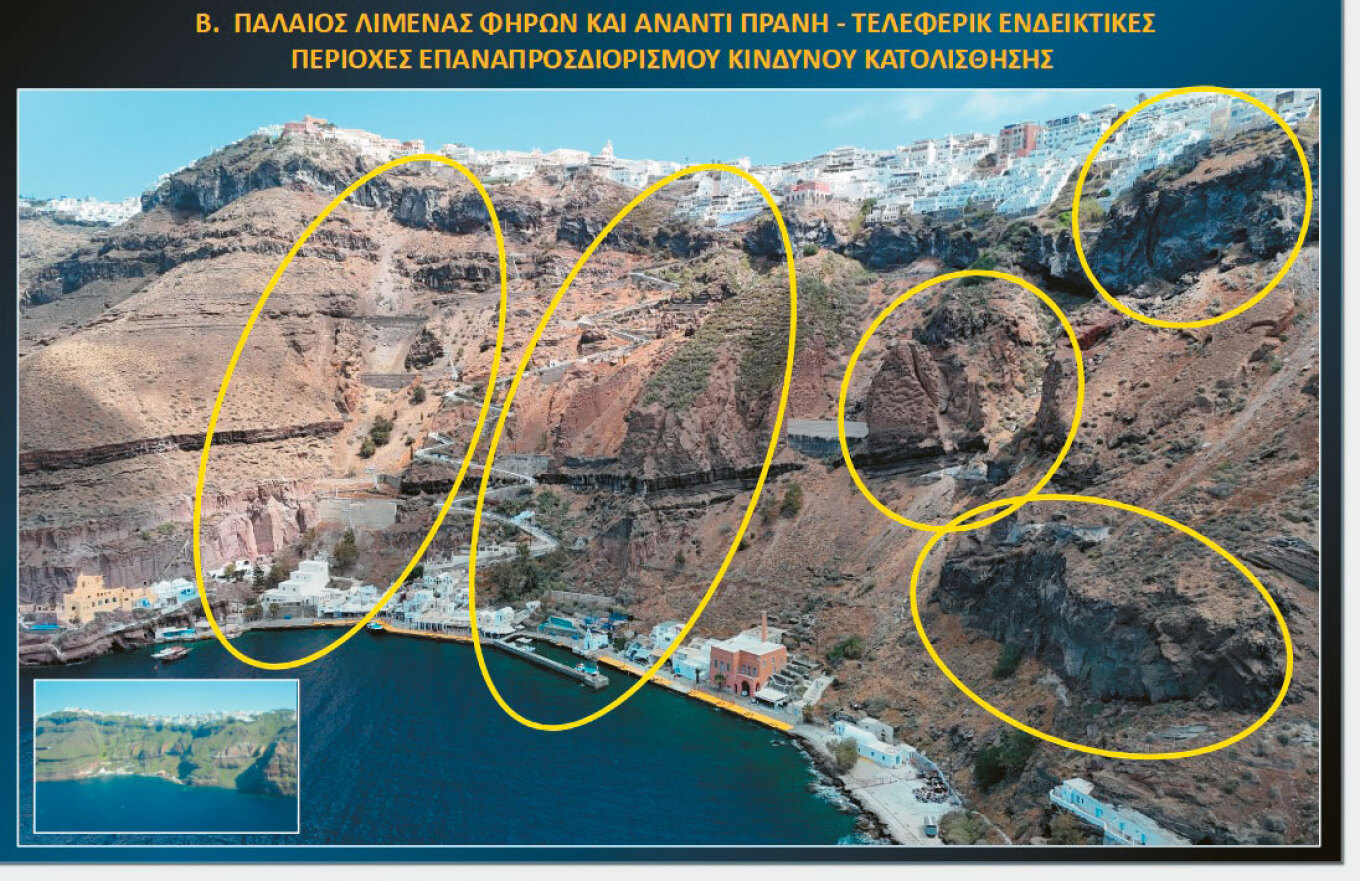
Slides from Professor Efthymios Lekkas’ study expose the dangers faced by homes built on Santorini’s Caldera.
Old Port of Fira
The first image highlights landslide risk management in the volcanic complex area. This scientific approach aims to identify high-risk zones and implement preventive measures to avert disasters. Lekkas and his team focus on assessing the geological and tectonic factors contributing to slope instability, especially in areas heavily affected by uncontrolled construction.
The second set of maps categorizes the different risk levels across the Caldera:
- Red zones indicate high-risk areas with severe geological instability. The likelihood of landslides is significantly increased due to the terrain’s morphology and the presence of steep cliffs.
- Yellow zones correspond to medium-risk areas, requiring close monitoring and potential reinforcement measures.
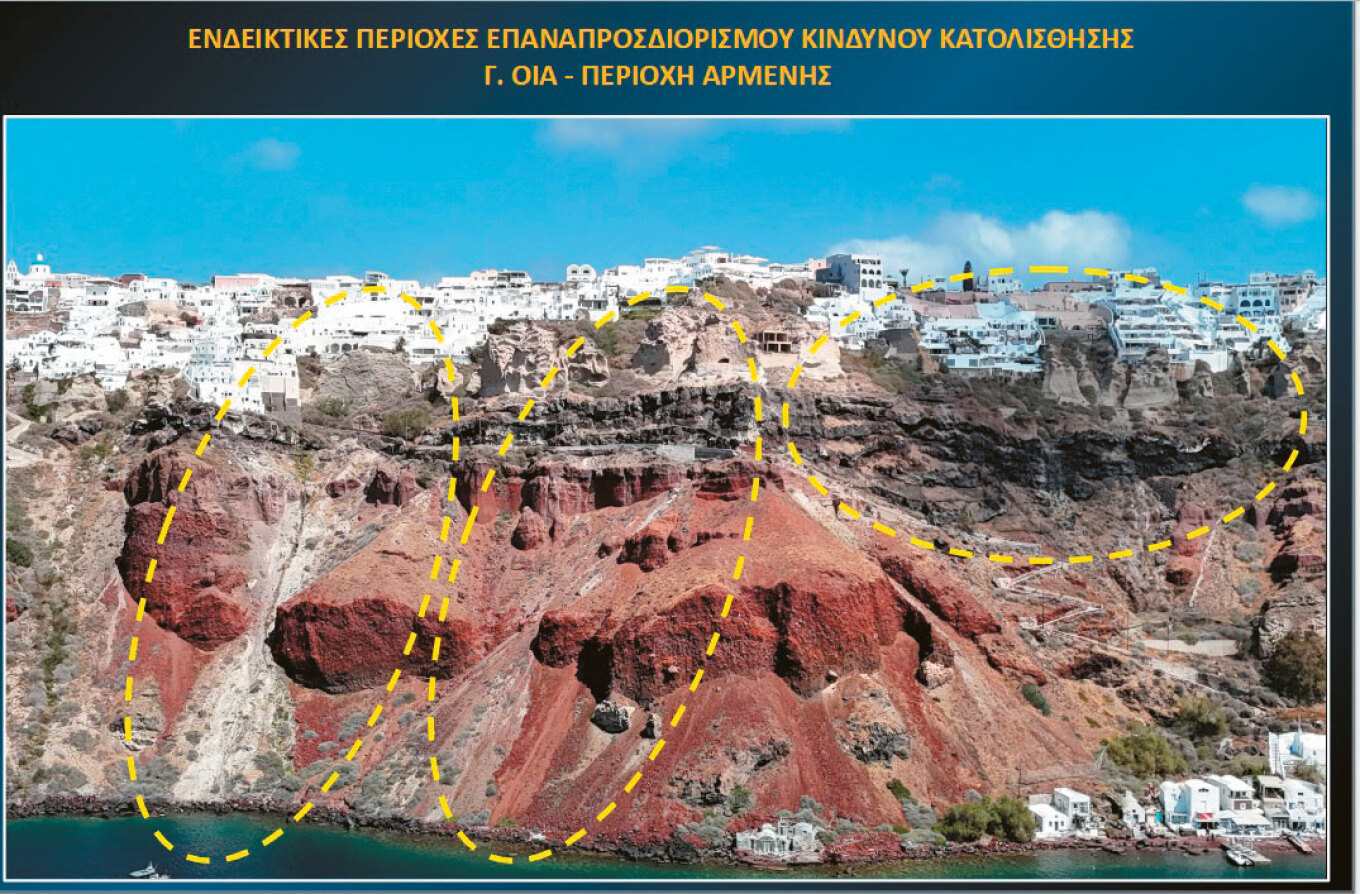
Armeni Bay, Oia
The next slide outlines urgent civil protection measures needed to mitigate landslide risks in high-danger areas. These areas include:
- The Old Port of Fira and the cliffside where the cable car is located.
- The port of Athinios and the road network leading from the bay to Firostefani.
- The Ammoudi area in Oia.
- Armeni Bay in Oia.
- The Korfos settlement in Thirasia and the path leading to it.
The final image pinpoints locations in the Caldera where soil instability is evident, with visible cracks and landslides already occurring. Lekkas stresses that ongoing human interventions—such as opening new roads and constructing heavy buildings along cliff edges—are dramatically worsening the situation.
Without immediate action—both in terms of urban planning and civil protection—the likelihood of severe landslides in the near future remains alarmingly high.
The Cost of Unchecked Development
The uncontrolled building boom in Santorini has created an unprecedented situation where the delicate balance between tourism development and environmental preservation has been irreversibly disrupted.
“Fifty years ago in Santorini, vineyards surrounded the houses. Today, countless buildings are swallowing up the vineyards,” says architect Vasilis Chatzipetros, a member of the Santorini Engineers’ Association.

The surge in construction activity has turned the island into a vast construction site, where every square meter of land is being exploited for tourism. “The building frenzy on the island has created an unbearable, boundless, and unregulated situation, at the expense of arable land and the protection of the landscape,” experts stress.
Unregulated Construction
The Caldera, one of Greece’s most iconic landscapes, has not been spared from development. “There was no way Santorini’s Caldera could escape being built on, mainly under the guise of ‘tourism development.’” However, the absence of strict planning has resulted in uncontrolled construction both inside and outside designated urban zones.
Today, the Caldera is home to an overwhelming number of tourist accommodations, hotels, short-term rental studios, and residences. This unchecked expansion has drastically altered the island’s character, with buildings spreading even onto steep cliffs. The situation has worsened due to extensive modifications to the slopes of the Caldera, where “old cave dwellings have been restored and expanded with new constructions, forming entire hotel complexes.”
To create sufficient foundation space, large-scale excavations are being carried out, significantly increasing the risk of landslides. Legally, construction is restricted to ground-level main-use buildings and underground auxiliary spaces. However, “the majority of these basements have been illegally converted into main-use ground floors—initially unauthorized, then later legalized under laws regulating illegal structures,” explains architect Vasilis Chatzipetros.
The Toll of Tourism Development
Tourism development has also led to the uncontrolled proliferation of water reservoirs, further straining the environment. “Countless pools and jacuzzis complete the picture of a manufactured vacation reality—overlooking the Caldera while swimming in a pool instead of experiencing the authentic sensation of the sea.” These additional structures add to the load on the steep cliffs, increasing stress on the terrain and heightening the risk in the event of an earthquake.
“If one wonders what would happen in a particularly strong earthquake, it’s obvious—there is a high likelihood of slope collapses, dragging down and destroying the buildings perched on them.” While most modern buildings are designed in accordance with seismic regulations, the lack of geotechnical studies on the Caldera’s soil conditions creates serious uncertainties. “A building may be engineered for earthquake resistance, but what happens beneath it is unknown,” he explains.
Recent seismic activity has demonstrated how vulnerable the area is to landslides. “As we’ve seen in recent days, rockfalls have occurred on the cliffs—even in areas where there are no buildings hanging over them.” The issue becomes even more pressing when considering the scale of unauthorized construction. “A significant percentage of buildings are completely illegal, erected in the name of insatiable profit,” the architect points out. The consequences of this unregulated situation go beyond the structural stability of the buildings—they also threaten the overall geological safety of the Caldera.
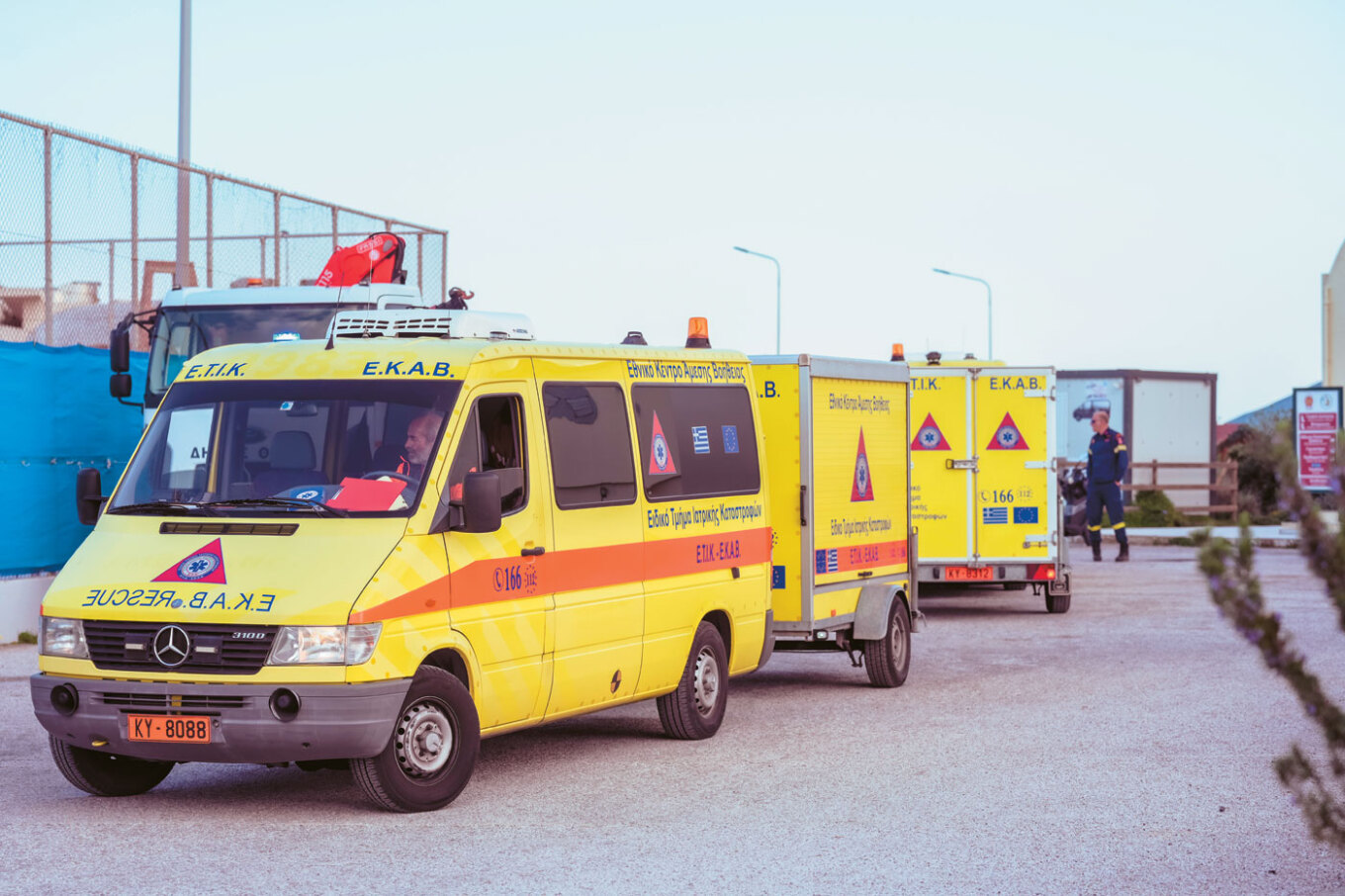
The Fight to Save Santorini’s Caldera
The battle to preserve Santorini’s Caldera is anything but easy. However, experts insist that taking immediate action and enforcing stricter regulations is the only way to protect this unique natural and cultural treasure—before it’s too late.
Photos: Panagiotis Koufalexis
Ask me anything
Explore related questions