The European Union is now shifting into a new gear, compelled to move as swiftly as possible toward strengthening its common defense. The prospect of increased defense spending by member states is now ante portas.
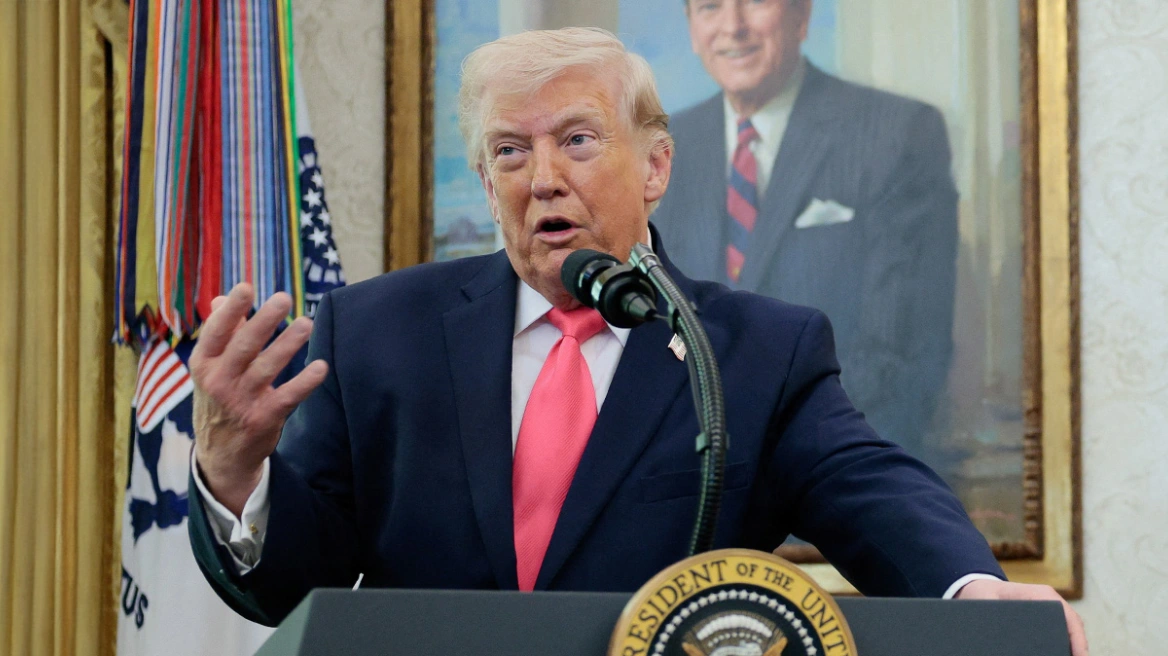
This is the main takeaway from the first informal summit of European leaders in Paris, following Vance’s “rockets” from Munich and Trump’s rush to negotiate with the Russians over Ukraine—without direct involvement from the country most affected, or from the Europeans.
While European leaders do not see eye to eye on everything—especially on Ukraine’s security architecture after a potential ceasefire (which everyone agrees is still far from being a feasible reality)—there is a common understanding of the urgency of the situation. Given the dramatic shifts in Euro-Atlantic relations, the European leadership appears determined to move faster and more effectively in strengthening European armaments while ensuring the necessary fiscal space.
This was highlighted yesterday by German Chancellor Olaf Scholz after the meeting at the Élysée Palace, marking a significant shift in the usually reserved and cautious stance of Germany.
In practical terms, greater flexibility means higher defense spending—Greece already allocates over 3% of its GDP—that could be exempted from deficit rules. At the same time, Europeans want to explore the possibility of larger investments in the European defense industry. However, as a Greek source put it, “you can’t just flip a switch overnight.”
In this context, Athens believes that the Mitsotakis-Tusk proposal for joint air defense projects is gaining new relevance, as is the Greek prime minister’s idea of a new Defense Fund, potentially reaching €100 billion, with shared debt issuance modeled after the Recovery Fund.
Time for Decisions
The evolving situation will be a key topic at today’s European People’s Party (EPP) summit videoconference, scheduled for 10:00 AM. Kyriakos Mitsotakis will participate, while European Commission President Ursula von der Leyen and Donald Tusk—who attended yesterday’s Paris meeting—will provide insights into the discussions.
However, within Brussels, there is skepticism about the likelihood of an emergency EU Summit before the regularly scheduled March Summit. Another major variable is Germany’s upcoming elections on Sunday, where Christian Democrat Friedrich Merz—seen as the frontrunner for the Chancellorship—is aligned with strengthening both Ukraine’s defense and Europe’s common security framework.
No to Troop Deployments
The fact that a first round of European talks took place in Paris does not mean that European nations have suddenly found complete common ground. Many countries, for example, oppose the idea of deploying troops on Ukrainian soil. The UK put the issue on the table, and France might consider it, but Germany, Spain, and Poland are firmly against it.
According to sources, Greece is also aligned with this stance, believing that sending European troops to the front is not advisable and that an alternative approach must be found for Ukraine’s security framework after a potential agreement.
Within the EU, divisions are also expected from Hungary and Slovakia, which frequently disrupt consensus-based decision-making. However, there is a growing realization—albeit late—that time is running out, and Europe must quickly make up for lost ground.
Keeping the U.S. Dialogue Open
At the same time, Europeans are keen to maintain a communication channel with the U.S. Emmanuel Macron spoke yesterday with Donald Trump, while in the coming days, Sir Keir Starmer is set to meet with the U.S. President.
Meanwhile, Trump’s envoy for Ukraine, Keith Kellogg, is expected in Brussels today for talks, just before heading to the war-torn country.
Ask me anything
Explore related questions