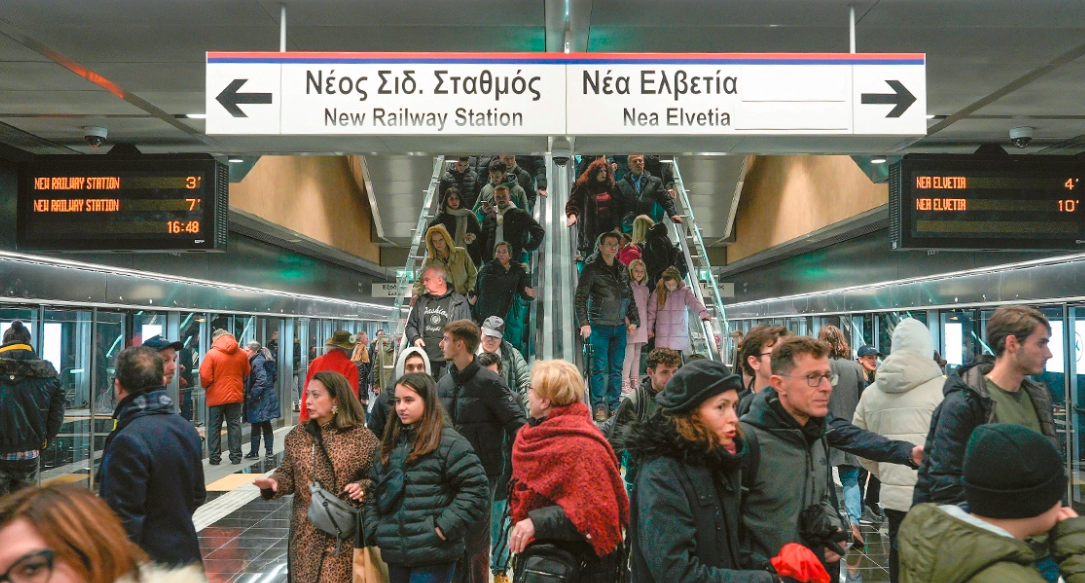
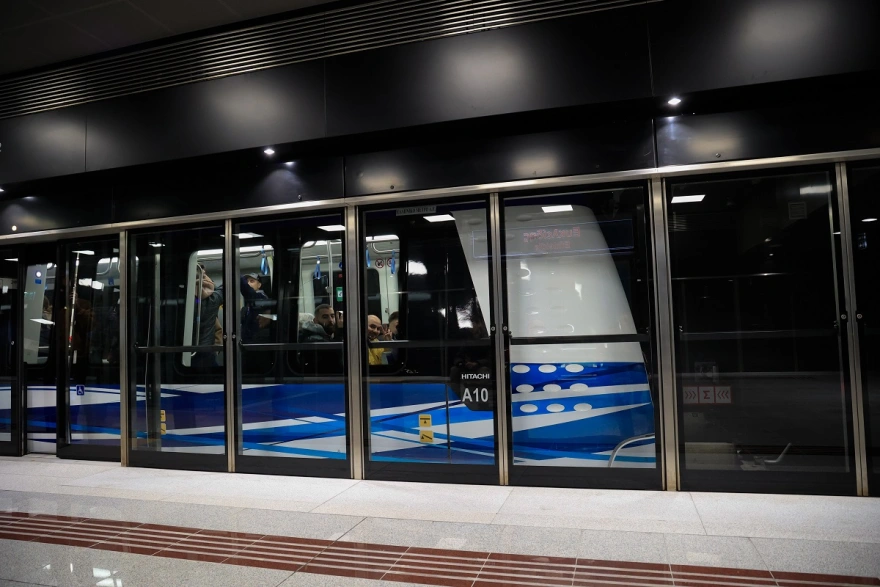
A recent study on Thessaloniki’s metro system, now in its fourth month of operation, reveals significant changes in the city’s daily life. The long-awaited metro, once likened to a modern “Bridge of Arta” due to its delays, is now an integral part of the city’s infrastructure. While not a complete solution to Thessaloniki’s notorious traffic congestion, its impact is already measurable, with expectations for further improvements by 2025 as the first extension to Kalamaria and Mikra comes online.
Key Findings
- Economic Boost: Retail turnover has surged by up to 40% in areas near metro stations.
- Traffic Reduction: A 10% decrease in vehicle traffic in the city center has been recorded.
- Growing Pains: Operational issues, such as delays, faulty escalators, and minor flooding, have been noted but are considered typical for new metro systems.
- Real Estate Boom: Property prices near metro stations have skyrocketed, with rents along Egnatia Street increasing fivefold.
Transportation & Urban Impact
The Institute for Sustainable Mobility and Transport Networks (IMET) conducted an in-depth study, showing that:
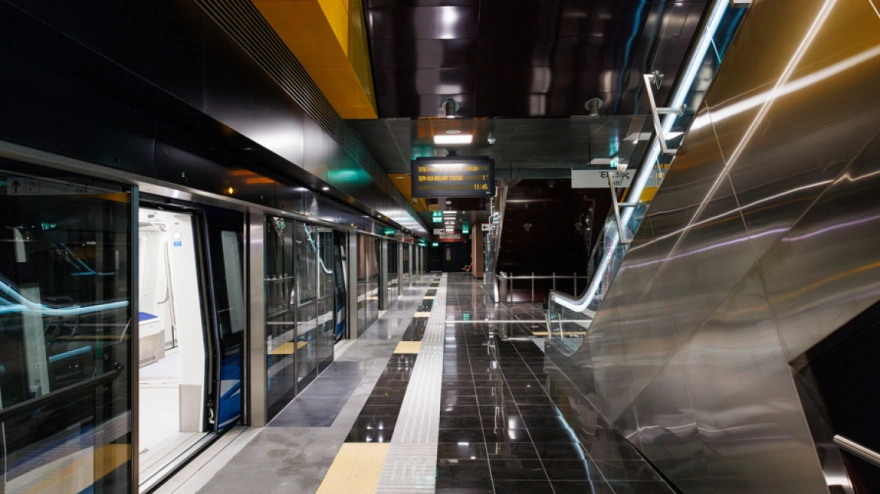
- The number of vehicles entering downtown Thessaloniki has dropped by 10% (-12,400 vehicles daily).
- The most significant reduction (14%) is seen in traffic from the western part of the city.
- The metro has notably eased congestion along major roads like Vasilissis Olgas and Tsimiski (5-12% improvement).
- No change has been observed in traffic conditions on the city’s Peripheral Road.

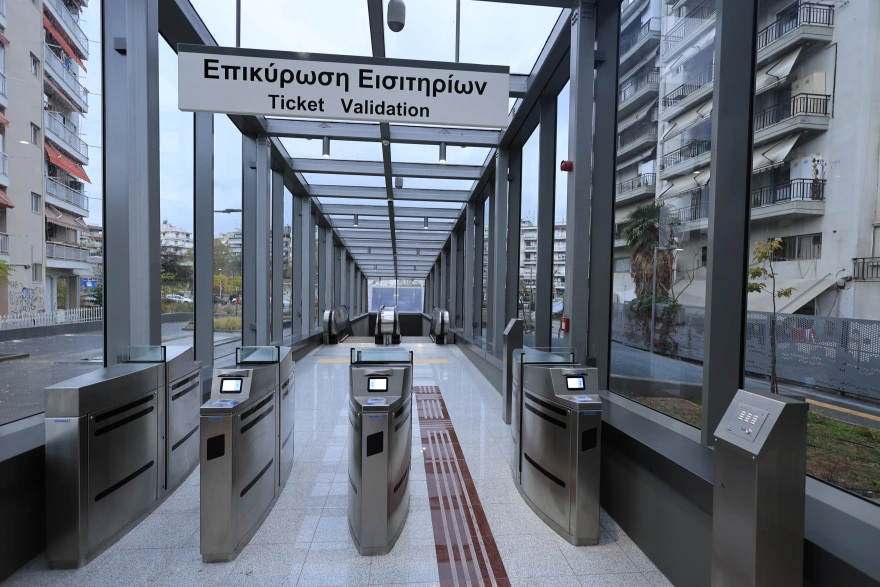
Public transport is also evolving, with bus lines being reorganized to integrate seamlessly with the metro. Ticket prices remain highly attractive at €0.60, though changes are expected with the introduction of an integrated metro-bus fare system.
Commercial & Real Estate Growth
Thessaloniki’s business landscape is shifting. Metro accessibility has revitalized central shopping districts, with the highest sales increases (20-40%) seen in Agia Sofia, Venizelou, and Mitropoleos. Meanwhile, the once-struggling Egnatia Street, now home to three metro stations, is regaining its commercial prominence.
The metro’s impact extends to real estate, where property values have soared. Egnatia rents have surged to €40-50 per square meter, nearing those of the city’s prime retail corridor, Tsimiski (€150/m²). Investment interest is particularly high around key stations like Dimokratias, Venizelou, and Agia Sofia.
What’s Next?
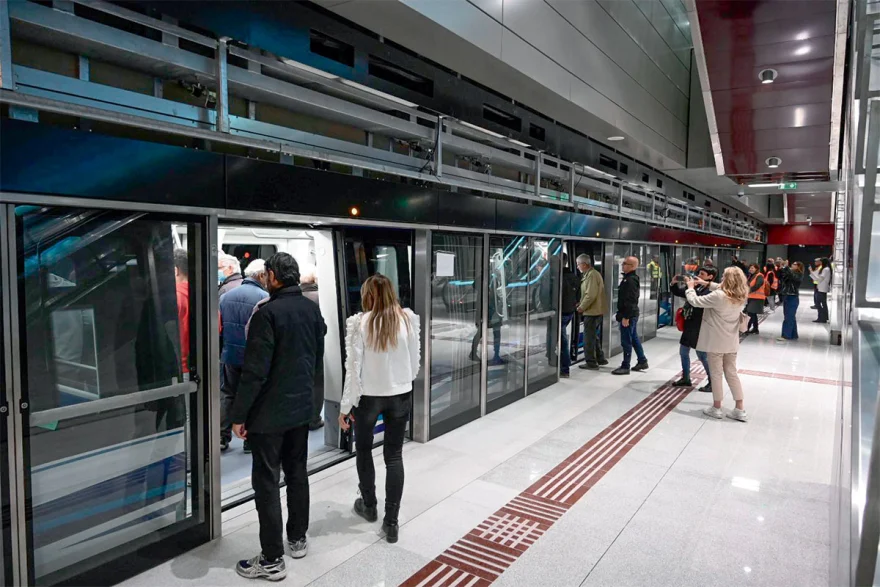
Looking ahead, Thessaloniki’s transportation transformation will continue with the upcoming Kalamaria extension, the Flyover project, and further urban infrastructure upgrades. While the metro’s immediate impact is promising, its full potential will be realized as the network expands and public transportation habits shift.

Ask me anything
Explore related questions