





The Phenomenon in Greece
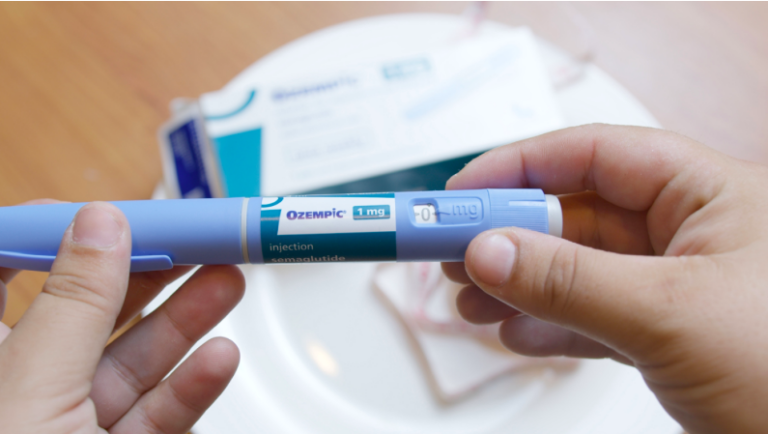
Official data shows that Greeks purchased 932,500 units of Ozempic in 2024—an 82.5% increase from 2023, when sales stood at 511,000 units. With an average retail price of €100 per unit, total consumer spending on the Novo Nordisk injection surpassed €93 million per year.
But Ozempic isn’t the only name dominating the market. Mounjaro, the rival weight-loss drug from Eli Lilly, launched in Greece in late 2023 and is already selling at a rate of 12,000 units per month. A recent price drop of 23% is expected to drive demand even higher, intensifying competition in the booming weight-loss pharmaceutical sector.
A Global Craze
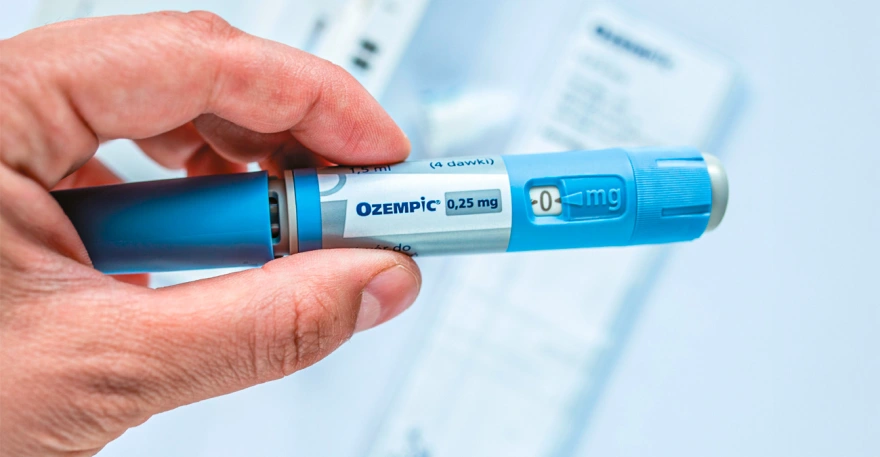
The Greek market reflects a worldwide trend. Originally developed to treat Type 2 diabetes, GLP-1 drugs like Ozempic and Mounjaro have exploded in popularity for weight loss. However, many users overlook the fact that these drugs are not a magic fix. Their effects require lifestyle changes, and stopping the treatment often leads to weight regain—sometimes worse than before.
Despite this, the weight-loss drug industry is on an unstoppable trajectory. Analysts predict that by 2030, the market will exceed $150 billion annually, making these medications one of the most profitable sectors in modern pharmaceuticals.
Hollywood’s Weight-Loss Revolution
At the 2024 Academy Awards, the biggest story wasn’t the films—it was Ozempic. A-list celebrities appeared visibly thinner, fueling speculation that the drug had become Hollywood’s biggest open secret.

This shift isn’t just about red carpets; it’s reshaping entire industries. With millions turning to GLP-1 drugs, food companies are adapting to new low-calorie dietary trends, while gyms, personal trainers, and even travel companies are catering to a new wave of health-conscious consumers.
The Ozempic Economy
GLP-1 drug users consume 20-30% fewer calories, leading to a drop in demand for junk food, sugary drinks, and processed snacks. Supermarket chains like Walmart are already observing shifts in shopping habits, with declining sales in snacks, sodas, and alcohol while high-protein foods and meal replacements gain popularity.
Major food corporations, including Nestlé, are now developing new products specifically for GLP-1 users who struggle with reduced appetite. The “Ozempic effect” is also influencing fashion, as consumers invest in new wardrobes to match their slimmer physiques, and the fitness industry, as more people seek to maintain their weight loss through exercise.
America on a Diet
The impact of GLP-1 drugs is already visible in the U.S., where obesity rates, after years of climbing, are now showing signs of decline. An estimated 16 million Americans are currently using weight-loss drugs—6% of the adult population—with projections suggesting that by 2028, that number could quadruple to 60 million.
The economic implications are staggering. If usage reaches these levels, experts predict the U.S. GDP could grow by 1%, adding approximately $280 billion to the economy. The reasoning? A healthier workforce means higher productivity and lower healthcare costs, ultimately benefiting businesses, insurers, and governments alike.
A New Era
The weight-loss drug boom isn’t just a fad—it’s transforming industries, economies, and personal lifestyles. As demand skyrockets, the world is adjusting to the “Ozempic generation”, a new reality where food, fashion, fitness, and even economic policies are reshaped by the pharmaceutical revolution.
Ask me anything
Explore related questions




