From Holy Monday, when “Easter preparations” begin, to Good Friday, devotion and traditions prepare us for Holy Saturday and Easter Sunday. Since these are fasting days and you may be wondering what to cook amid all the preparations, we’ve gathered ideas for delicious fasting dishes.
Holy Monday
On this day, familes would begin cleaning their homes and courtyards, marking the start of “Easter chores.” They scrubbed the house, polished floors, cleaned windows, and washed kitchenware. Homes were whitewashed at least three times a year (Easter, August 15, and Christmas), inside and out, including fences, walls, and trees. Flower pots—often large tin cans from feta cheese or olive oil—were painted red, the color of the Resurrection.
House cleaning lasted until late Tuesday afternoon, with women finishing just in time to attend church services for the Passion of Christ. Meals on Holy Monday were simple, often oil-free for those strictly observing fasting traditions.
Recipes
- Spicy tomato soup
- Stuffed squid with rice
- Baked giant beans with olives
Holy Tuesday
House cleaning continued, moving from outdoor to indoor spaces, as everything had to shine for Easter Sunday. In some areas, women even whitewashed neighborhood streets and pavements, often writing Easter greetings like “Happy Easter” in lime.
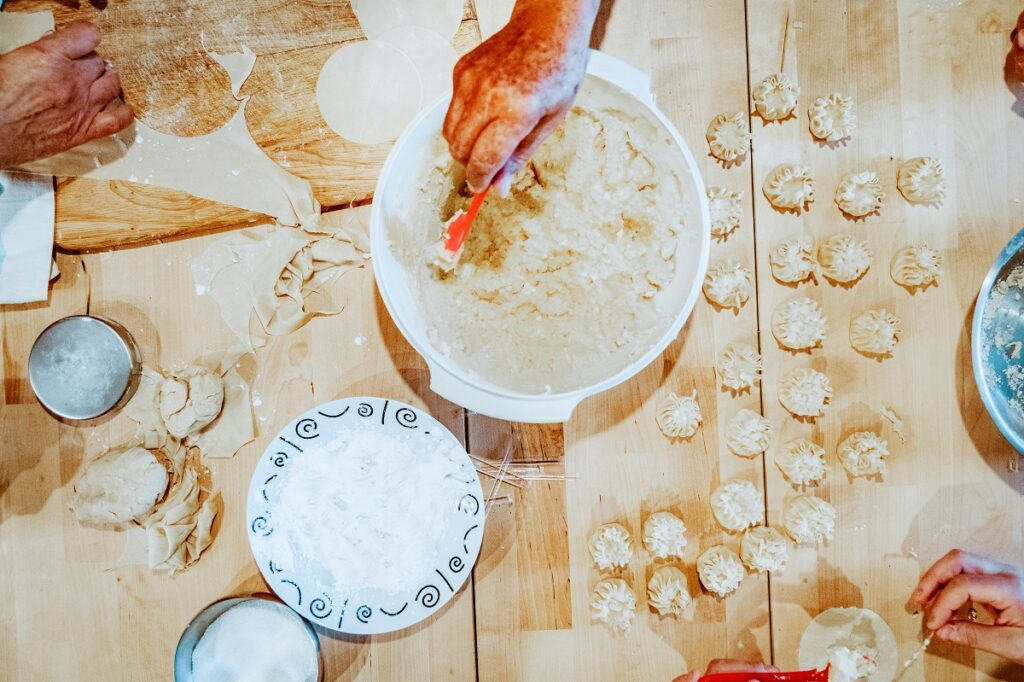
For large families, baking began on Holy Tuesday, as Holy Thursday alone wasn’t enough time to prepare Easter cookies, breads, and sweet buns. In the evening, after sunset, worshippers attended the church service featuring one of the most well-known hymns, the Hymn of Kassiani, written by the noblewoman Kassiani after she withdrew to monastic life.
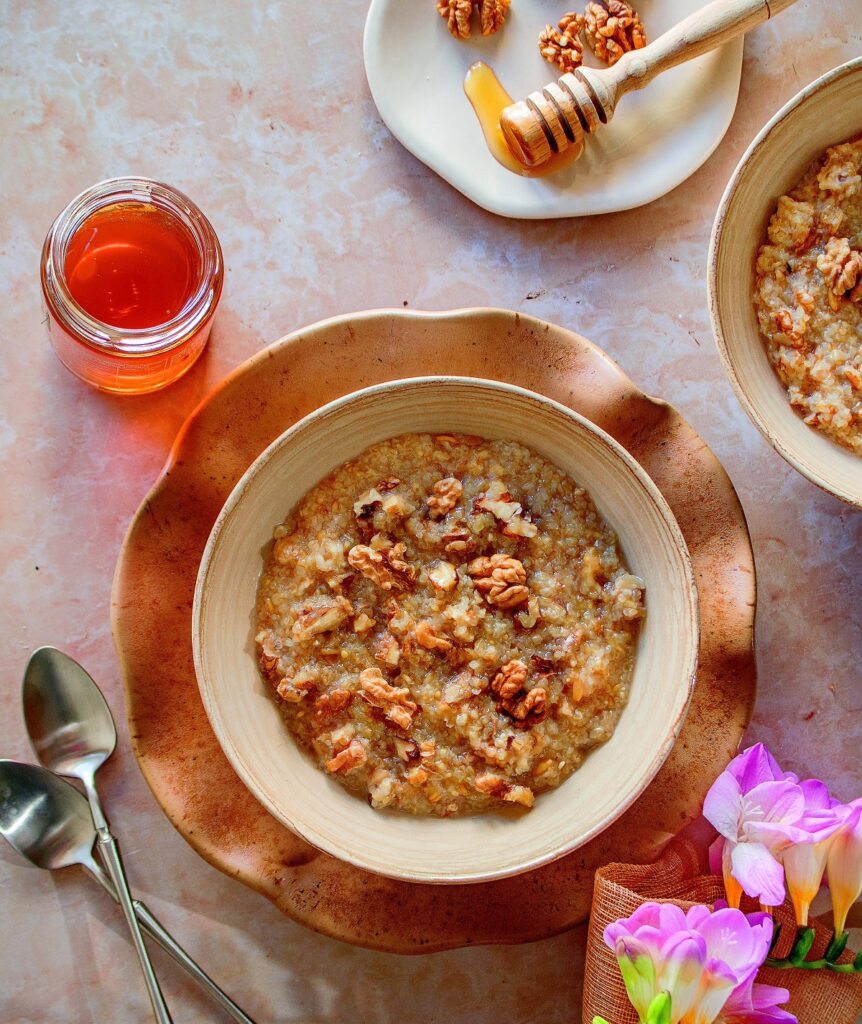
Recipes
- Easter cookies
- Fasting trahanas with spring vegetables
- Artichokes with fava beans, herbs, and lemon
Holy Wednesday
The day begins with the Liturgy of the Presanctified Gifts, followed in the evening by the Sacrament of Holy Unction, where the priest reads seven Gospels and seven prayers to bless the olive oil used for healing physical and spiritual ailments.
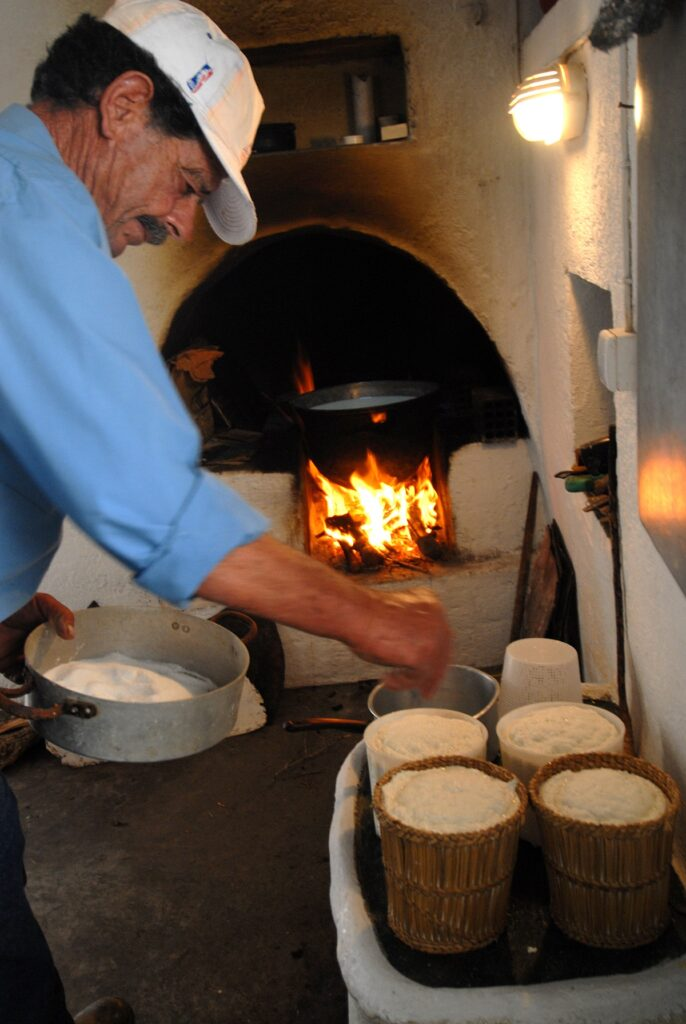
In addition to the Holy Unction, a special tradition takes place: the renewal of sourdough for bread-making. In Athens, the church caretaker would collect flour from each household and knead it into dough without yeast. The priest would then place a cross made from the True Cross over it, causing the dough to rise naturally. A similar tradition is recorded in Crete on Good Friday.
The sourdough of Holy Wednesday was used to make Easter cookies and breads, such as koutsounes, kouzounakia, baskets, egg-shaped buns, and pavles.
Recipes
- Thessalian “Pachida” dish
- Whole wheat linguine with olive pesto and lemon
- Stuffed tacos with grilled octopus
Holy Thursday
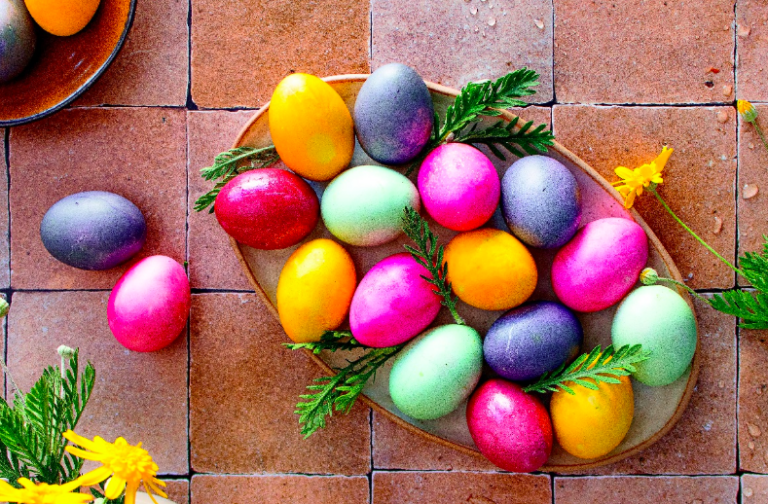
In the morning, families dyed red eggs, using natural dyes from madder root, onion skins, wild sorrel, red cabbage, and other plants before commercial dyes existed. These eggs were often decorated with wishes and designs. The red color symbolized protection from evil, leading some families to hang red cloths from their windows.
After receiving Holy Communion, households prepared Easter breads and cookies, flavoring them with spices and nuts. These were decorated with dough patterns and eggs and were traditionally given to godparents and parents as gifts on Easter Monday.
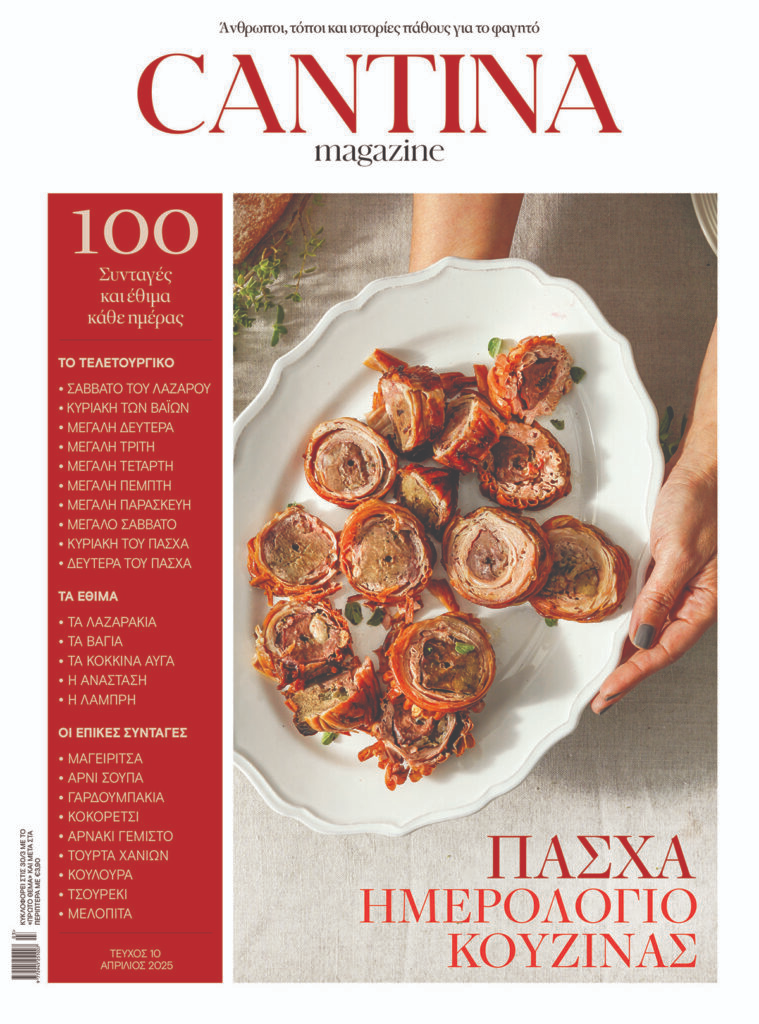
In Chios, laurel or fennel leaves were added to Easter loaves, while in Koroni, almonds, anise, and bay leaf broth were used in their preparation. On Holy Thursday evening, during the reading of the Twelve Gospels, women would bring bread, salt, eggs, and water to church for blessings.
Recipes & Techniques
- Naturally dyed Easter eggs
- Traditional Greek tsoureki
- Vegan Easter pastries
- Vlach-style milk pie
- Octopus with orzo & red pepper
Good Friday
The most solemn day of Holy Week, marked by strict fasting and no work. The entire day was dedicated to the Deposition from the Cross and the Epitaphios (Holy Sepulcher) procession.
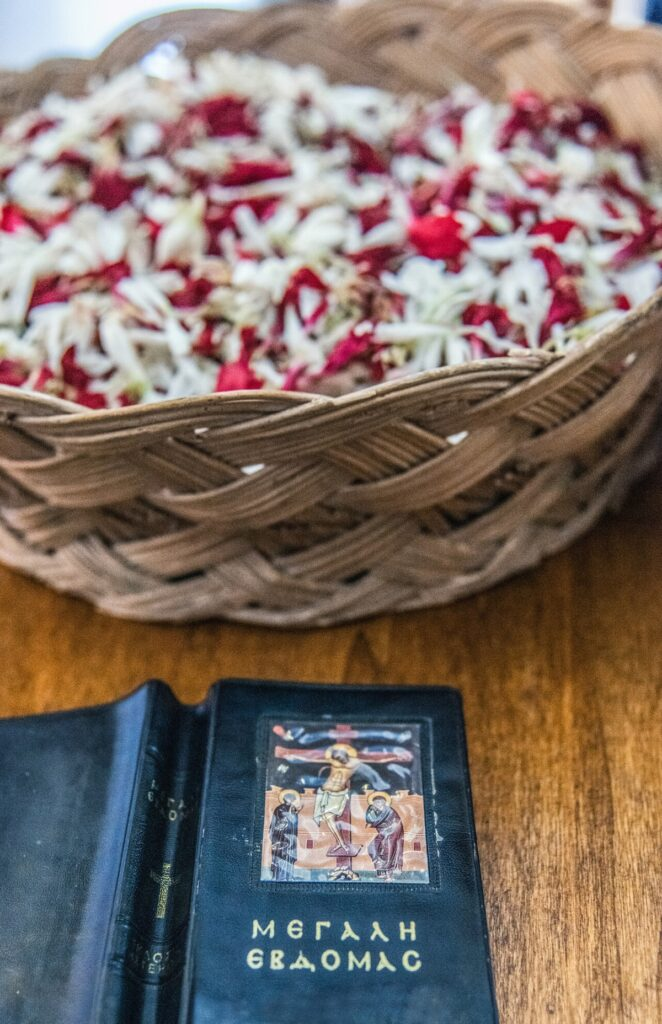
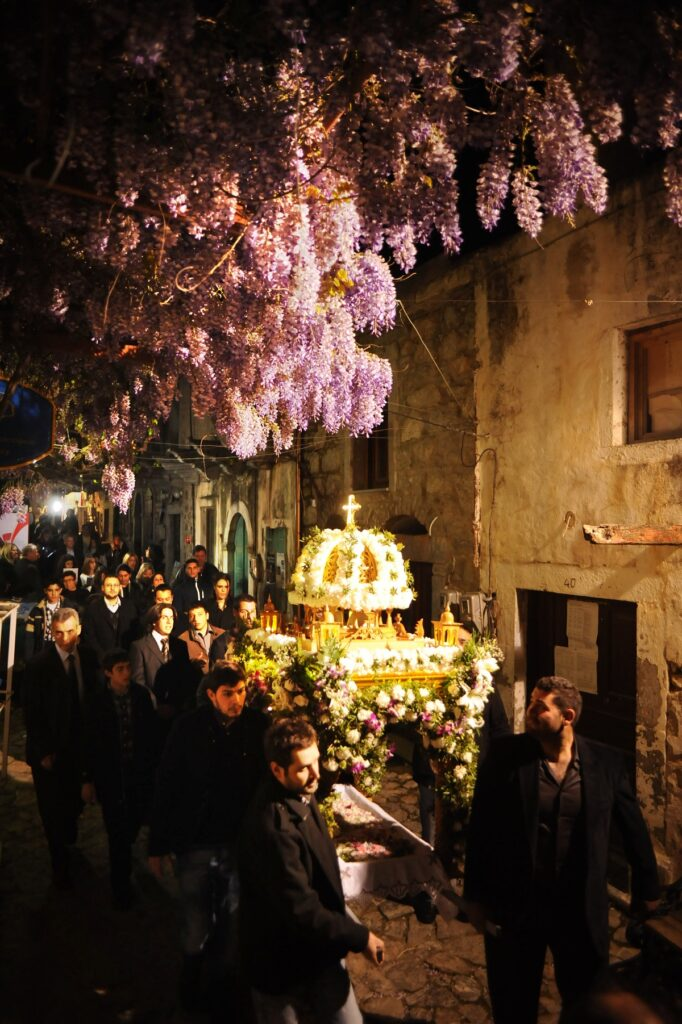
At noon, when the representation of Christ’s body was placed for veneration, girls from each parish decorated the Epitaphios with spring flowers—violets, violets, roses—woven into wreaths and garlands. Young women with baskets of flowers stood by, scattering petals over the image of Christ.
According to Orthodox tradition, no table was set on Good Friday, and meals were kept simple: bread, olives, onions, pickles, and halva. In the afternoon, godparents would send their Easter gifts (candles, clothes, tsoureki, and eggs) to their godchildren if they hadn’t done so on Holy Thursday.
Over time, some households introduced simple oil-free meals such as tahini soup, tomato rice, and tomato soup. A more modern tradition across Greece is eating seafood with ouzo after the Epitaphios procession.
Recipes
- Tomato rice
- Athonite tahini soup with mushrooms
- Walnut pudding
- Linguine tahini e pepe
- Potato salad with cashew mayo
Ask me anything
Explore related questions