The European Union is shifting toward a stricter stance on illegal immigration. Moving away from the more open policies once symbolized by former German Chancellor Angela Merkel and her iconic selfie with Syrian refugee Anas Modamani (now a German citizen), EU migration strategy now emphasizes tougher controls. These include enhanced screenings, increased repatriations to countries of origin, and selective residence permits based on specific labor market needs and skills.
On Holy Wednesday, the European Commission released a list of countries considered “safe,” effectively limiting asylum eligibility for nationals from those countries entering the EU.
These countries include: Kosovo, Bangladesh, Colombia, Egypt, India, Morocco, and Tunisia.
Germany Leads by Example
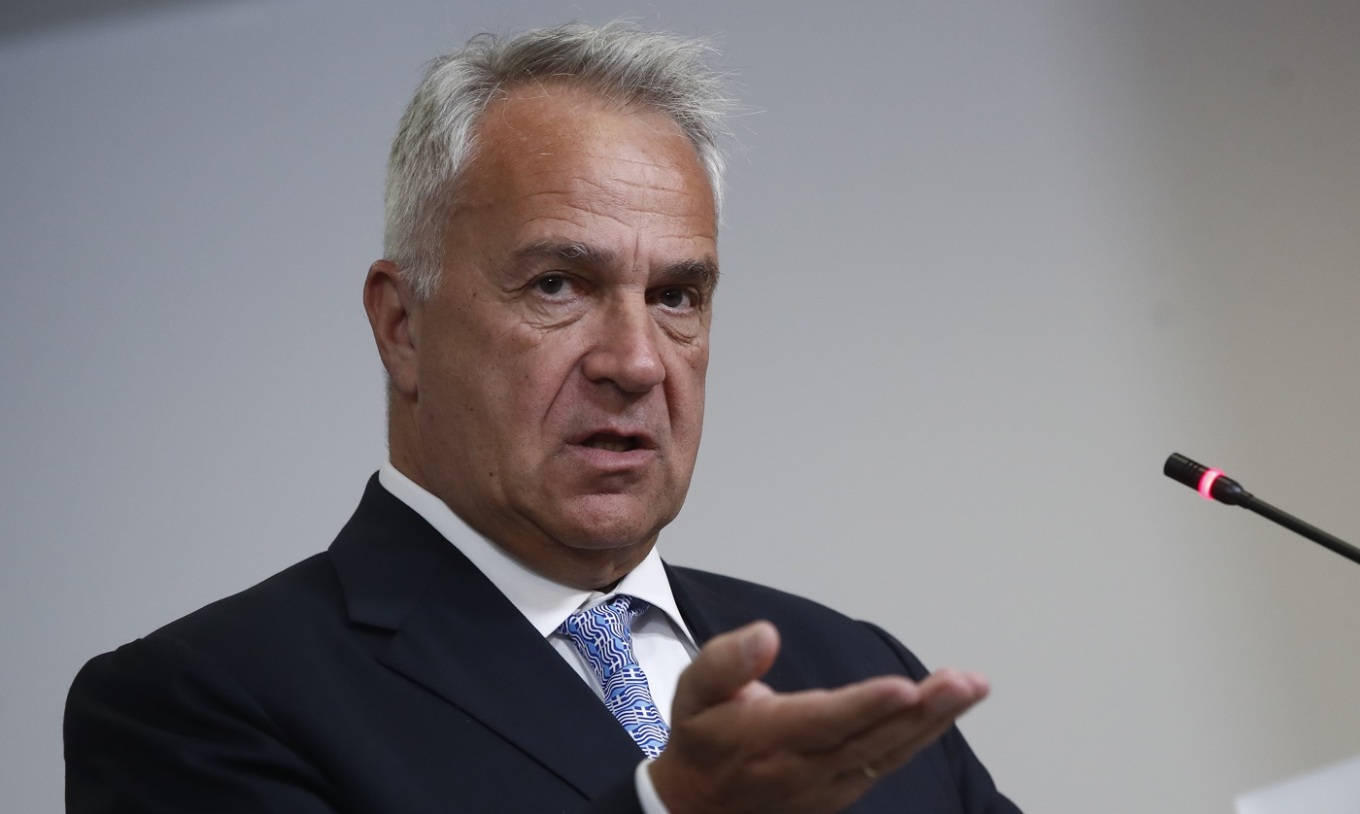
This policy shift, already reflected in Greece with the appointment of Makis Voridis as Minister, found symbolic resonance in recent comments by Merkel. Now retired from politics, she welcomed the agreement between Germany’s Christian Union and SPD to pursue stricter migration rules.
New EU Migration and Asylum Pact: Four Main Pillars
- Strict Entry Controls
Those not meeting entry criteria will undergo identification, security, and health checks. - Expanded Eurodac Database
The Eurodac system will become a full-scale database for tracking asylum seekers and irregular migrants, ensuring clear identification across the EU. - Border Procedures and Returns
Mandatory border procedures will apply to asylum seekers unlikely to qualify for protection, those deemed deceptive, or those posing a security risk. Effective returns with reintegration support will be prioritized for those denied protection. - Crisis Management and Anti-Weaponization Protocols
Emergency protocols will offer operational and financial aid during migration crises, and tackle the use of migrants as geopolitical leverage.
Low Return Rates Despite Deportation Orders
Returns are a key aspect of the new pact, but actual repatriation rates remain low. In 2023, although 484,160 irregular migrants were ordered to leave the EU, only 91,465 (18.9%) actually returned, according to Eurostat.
Greece Adds Turkey to the “Safe Country” List
Minister Voridis has expressed strong support for the returns policy. Recently, Greece’s Ministers of Foreign Affairs and Migration officially designated Turkey as a “safe third country” for asylum seekers from Syria, Afghanistan, Pakistan, Bangladesh, and Somalia.
According to the Ministry of Migration, this decision allows Greek authorities to immediately reject asylum applications from individuals from these countries if they arrived via Turkey, and initiate their return.
However, Turkey’s lack of cooperation with the EU remains a significant obstacle, with no clear resolution in sight.
Selective Migration Through Bilateral Agreements
Instead of open-door migration, the EU now aims to sign bilateral agreements with non-EU countries for organized labor migration based on verified professional qualifications and workforce needs.
As one Commission official noted:
“Why not attract tech specialists from India?”
This reflects the broader EU goal of legally filling shortages in healthcare, agriculture, and tech through tailored agreements rather than unmanaged migration.
Security and Deportation as a Policy Cornerstone
Security checks will be a standard part of issuing long-term residence permits. Under the new policy, deportation is the default option for anyone deemed a threat to national security.
Additionally, the EU is working toward a unified deportation procedure for irregular migrants denied protection status. The Commission proposes mutual recognition of deportation orders across all EU member states. This means an individual issued a return decision in one country cannot bypass it by moving to another EU country, thus streamlining enforcement across borders.
The EU’s new migration pact marks a clear departure from previous humanitarian approaches and signals a coordinated, enforcement-first era in European migration policy.
Ask me anything
Explore related questions