
A constant sense of urgency, a stress to keep up with the day, work, obligations, love, to beat the signs of time, and even to relax. Welcome to the era of acceleration.
We Want Everything Now
Endless notifications on our phones, tools that shorten every step we take, every interaction with others and the world. We eat fast, drive fast, work fast, fall in love fast, communicate fast — until the next day comes and we do it all over again. The world is running in a fast-forward mode, where everything is instant, where we constantly suffer from an increasing sense of urgency, and where we’ve become the “great shortcuts,” as Neil Postman prophetically described us in his 1985 book Amusing Ourselves to Death. But how did we get here, and what drives us into this endless state of hurry?

Technology: The Driving Force Behind Our Rush
Technology and its developments are the driving force behind our hurried existence. With the rise of digital tools, AI, and advanced algorithms, we’ve achieved unprecedented efficiency — but at what cost? Smartphones ensure we’re always connected, emails demand instant responses, and social media fuels an endless cycle of notifications, reinforcing the idea that we must always be “online.”
Maria Bakirtzi, a clinical sociologist, explains that the use of technology amplifies this constant rush through the relentless flow of information. “We’ve learned to want everything now — from news and entertainment to our physical or mental improvement,” she states. It’s as though we’ve become addicted to speed, which is now imprinted in our genetic code and has become a prerequisite for our survival. In this way, our hurry manages to transform the very fabric of our society, starting from the family dinner table and extending to our personal views on who we are and what we do.

Disposable Clothing
However, speed doesn’t only affect the way we work and communicate; it also influences how we perceive the environment around us, as well as the entire production process. A characteristic example is fashion, which no longer concerns just style but also speed. The fast fashion industry is built on the promise of instant gratification: low prices, weekly new arrivals, and viral TikTok hauls.
Instant purchase, instant delivery, instant use, and disposal. An analysis by Earth.org for 2023 even showed that the average consumer buys 60% more clothing today than in 2000, but each item is kept for only half a year. The Fashion Transparency Index revealed that most major fashion brands still lack transparency in their supply chains, contributing to labor exploitation and environmental damage. In fact, the fashion industry’s impact on global water consumption is alarming.
The Water Footprint Network estimates that a cotton shirt requires 2,700 liters of water, enough for a person to drink for two and a half years. Despite increasing awareness, Generation Z — considered the most environmentally conscious generation — still prefers fast fashion due to its low cost and trends.
Work in Fast Forward
The modern workplace is the epitome of the speed culture. Employees are often expected to handle multiple tasks simultaneously, meet tight deadlines, and quickly adapt to evolving technologies. AI and its tools, such as the well-known ChatGPT, have simplified some of our tasks, but this also leaves room for us to be “loaded” with more work. While this high-speed environment boosts productivity, it has also led to increased levels of stress and burnout.
In fact, according to a 2024 Gallup report on the state of the global workplace, 44% of workers worldwide reported feeling stressed for most of their workday. A separate study by the World Health Organization (WHO) identified professional burnout as a “work-related phenomenon” linked to chronic work-related stress that has not been addressed.
The concept of productivity has shifted from quality to quantity. We chase zero inboxes, immediate responses, and lightning-fast turnaround times. Remote work has intensified this speed. “We live in an era where ‘being busy’ is considered a value in itself,” says Maria Bakirtzi.
Frenzy for Quick-Fix Treatments
When time seems like a luxury, health becomes a matter of management rather than care. Pain, insomnia, stress, fatigue, discomfort, or a temporary illness must be dealt with immediately so that the rush of daily life can continue uninterrupted. This is how the “pill culture” emerged: for every nuisance, the solution is hidden in the pharmacy.
Seemingly harmless medications, such as increasingly potent painkillers and other over-the-counter drugs, sometimes hide traps. Continuous use of painkillers can backfire and lead to chronic headaches. Antibiotics, which were once taken like candy for every cold, have made the country a leader in microbial resistance. Even antipyretics, studies from 1970 to the present suggest, while reducing the symptoms of an infection, weaken the body’s defense system.
But if there’s one king in the sprint society, it’s psychiatric medications. Often, they’re used without strict medical supervision. “The dizzying pace causes stress, anxiety, mental exhaustion, and depression,” says clinical and counseling psychologist Zoe Siouti, discussing the pursuit of quick solutions: “Anxiolytics, antidepressant treatment, or concentration-boosting drugs are often preferred so that people can keep up with the fast pace of daily life. Many will turn to professionals who promise fast results, like ‘overcome anxiety in a few sessions,’ through services of questionable quality.”
The psychologist warns: “Medications provide immediate relief without ensuring long-term results, and some cause addiction. However, instead of psychotherapy as the most effective way to deal with mental health challenges, the quick fix is chosen, sweeping the problem under the rug.”
The “Anxious” Family
However, overwork is not always a personal choice but is often imposed by our social environment. A prime example is the parents who fill their children’s schedules with activities. Today, the family is at the core of urgency. Family members rush from one job to another, and children take two or three foreign languages, while by the age of 10, they handle technological tools better than we do. Educational programs have also adapted to our fast-paced life, with children receiving condensed doses of education at an early age, as we believe this will prepare them for the “fast” future.
“They believe they are preparing them for a bright future, but without time for thinking and personal exploration, no one can form their own filters for the world. Constant activity is not necessarily progress; often it is just distraction,” says clinical sociologist Maria Bakirtzi.
Instant Gratification Pleasures
If you leave a five-year-old alone on YouTube, you’ll see them rapidly move the video bar to get to the end and switch to the next one. Adults worry; children’s attention spans are shrinking. This leads to a burst of self-reflection: isn’t that what we do too? We’ve just learned to call it binge-watching or sampling and justify it with excuses: “I’ll watch a bit to get an idea.”
In a society that’s running at full speed, we consume entertainment just like the five-year-olds—at the same pace, with the same goal: another dopamine rush, as fast as possible. And entertainment adapts by continually shrinking its form. “Yes, we live in 2022!” once replied British musician Charli XCX to comments about the short length of her songs, expressing—probably—a whole industry in the high-speed era.
The production of entertainment products follows the content standards for social media platforms, like TikTok and Instagram. Three-minute songs, as-short-as-possible movies, books, and articles with fewer and fewer words.
“Modern entertainment takes the form of fast food: it’s quick and intense. Due to the pace of everyday life, immediate gratification and rapid stimulation are preferred. This type of entertainment causes an immediate release of dopamine, the neurotransmitter associated with pleasure and reward. Therefore, it causes an instant mood improvement, though superficial, as there is no emotional involvement. Moreover, long-term pursuit of such stimuli can lead to tolerance in the body, necessitating stronger thrills through participation in potentially dangerous activities,” explains Zoí Siouti, clinical and counseling psychologist.
In the late 1930s, Gone with the Wind by Margaret Mitchell enchanted the public, who lost themselves in the more than 1,000 pages of the book and the nearly four-hour cinematic adaptation by Victor Fleming. This is not a comparison, but mainly a reminder of the rapid change in how we perceive time, patience, and enjoyment.
The Dream of Quick Wealth
Do we work to live, or do we live to work? In an era of rapid pace, people produce, consume, invest, “burn out,” and seek quick profits as a way to escape to a better life. “In the so-called ‘society of speed,’ time is not just a means but becomes an exchangeable tool, almost like a form of new currency,” explains Dr. Theofanis Zacharatos, economist and postdoctoral researcher at Hellenic Open University & EK “ATHINA.”
He observes that today’s economy favors models of immediate returns and fast profits. “Cryptocurrencies, such as Bitcoin, have seen explosive growth. In April 2025, the total market capitalization of cryptocurrencies reached approximately 2.51 trillion dollars, with Bitcoin holding 60.42%. Analysts predict that the capitalization could reach 8 trillion by the end of the year!”
Then came OnlyFans. Its supporters spoke of the democratization of the economy, an opportunity for immediate profit from content, without conventional intermediaries, with control by creators over their income and digital presence. “Platforms like OnlyFans have reshaped the creator economy.”
In 2024, the platform recorded transactions totaling 10 billion dollars, with 305 million registered users and 4.12 million creators. “This direct economic interaction reflects a clear shift from traditional forms of economic participation to more ephemeral and risky practices,” notes Dr. Zacharatos.
But consumers also demand instant gratification. According to him, “‘Fast’ is gradually replacing ‘quality.’ Studies show that 77% make impulsive purchases. Furthermore, 41% of global shoppers expect their online orders to be delivered within 24 hours. Trends highlight the growing preference for speed and convenience in transactions.”
Fast-Food Relationships
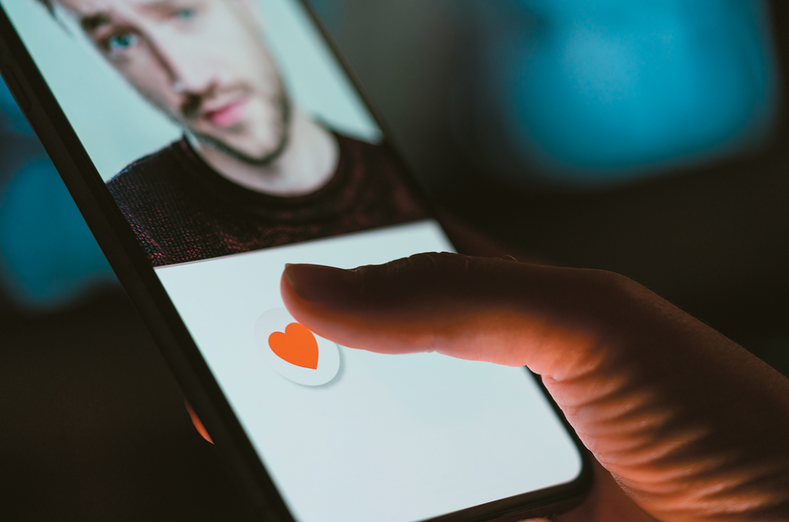
Relationships today are taking the hardest hit as they also speed up. Apps like Tinder, Bumble, and Hinge have made dating more accessible, but they have also altered our psychology.
A study by the University of Vienna in 2024 on the use of dating apps found that the swiping mechanism triggers dopamine spikes, similar to gambling, leading to addictive behaviors and “overload of options.”
People, therefore, fall in love faster but break up just as quickly. In a survey by Pew Research Center, 67% of online respondents reported feeling emotionally drained, with many citing the “fast pace” and “lack of authenticity” as reasons. Relationships are often judged based on the first messages, replies are measured in seconds, and ghosting has become the new norm.
Sociologist Eva Illouz, in her book Why Love Hurts, argues that the commodification of romantic relationships in the digital age leads to more anxiety and insecurity.
We constantly search for the next best thing, ignoring potential deep connections in favor of immediate gratification.
Miracle Diets
“Eat quickly, you don’t have time” – “Watch what you eat, quickly fix your body.” In the age of speed, the demands on lifestyle are like the mythical pine trees of Sinis the robber: they pull people in two opposing directions.
At the same time, adults enjoy their coffee quickly and scarf down a sandwich on the go. “We live in a clearly obesity-promoting environment, with an abundance of calorie-dense foods, but not necessarily nutrient-dense ones,” explains Pari Zarmakoupi, MSc, clinical dietitian-nutritionist, about the quick solutions offered by fast food, snacks, and ready meals.
We eat whatever fills us up to get through the day, not necessarily what nourishes us — and most of the time, it happens on the fly: answering work emails, in the car, or in the little time before sleep. Sitting down calmly, cooking, and eating without distractions feels like the most revolutionary move. Squeezing in a gym session in daily life is a small feat.
When things get tough, we look for miracles in exhausting 14-day diets and other dangerous dietary tips. “The body and the brain are intricately connected. If we don’t give ourselves time to adopt new eating habits, no diet will bring long-term results,” warns Ms. Zarmakoupi.
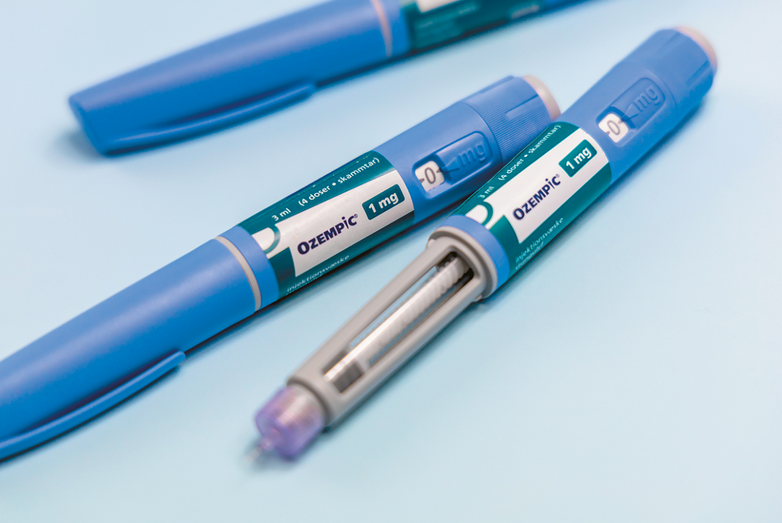
For the bolder individuals, there are the “sigmas” that magically improve physical condition: anabolic steroids for rapid muscle mass increase, supplements instead of a balanced diet, and semaglutide for express weight loss. The frenzy for drugs like Ozempic has become a milestone in a world thirsty for transformation without effort, to the point of risking one’s life by purchasing cheap counterfeit batches of the drug.
Ask me anything
Explore related questions