





Following the Pontiff’s passing, the conclave will convene in approximately 15 to 20 days — sometime after May 6 — to elect the new Pope. During the secret ballot, 135 cardinals will vote, and the process may take several days before white smoke rises from the Sistine Chapel.
So, who are the potential successors to Pope Francis? According to Reuters, here are the nine top candidates:
Jean-Marc Aveline – Archbishop of Marseille, France
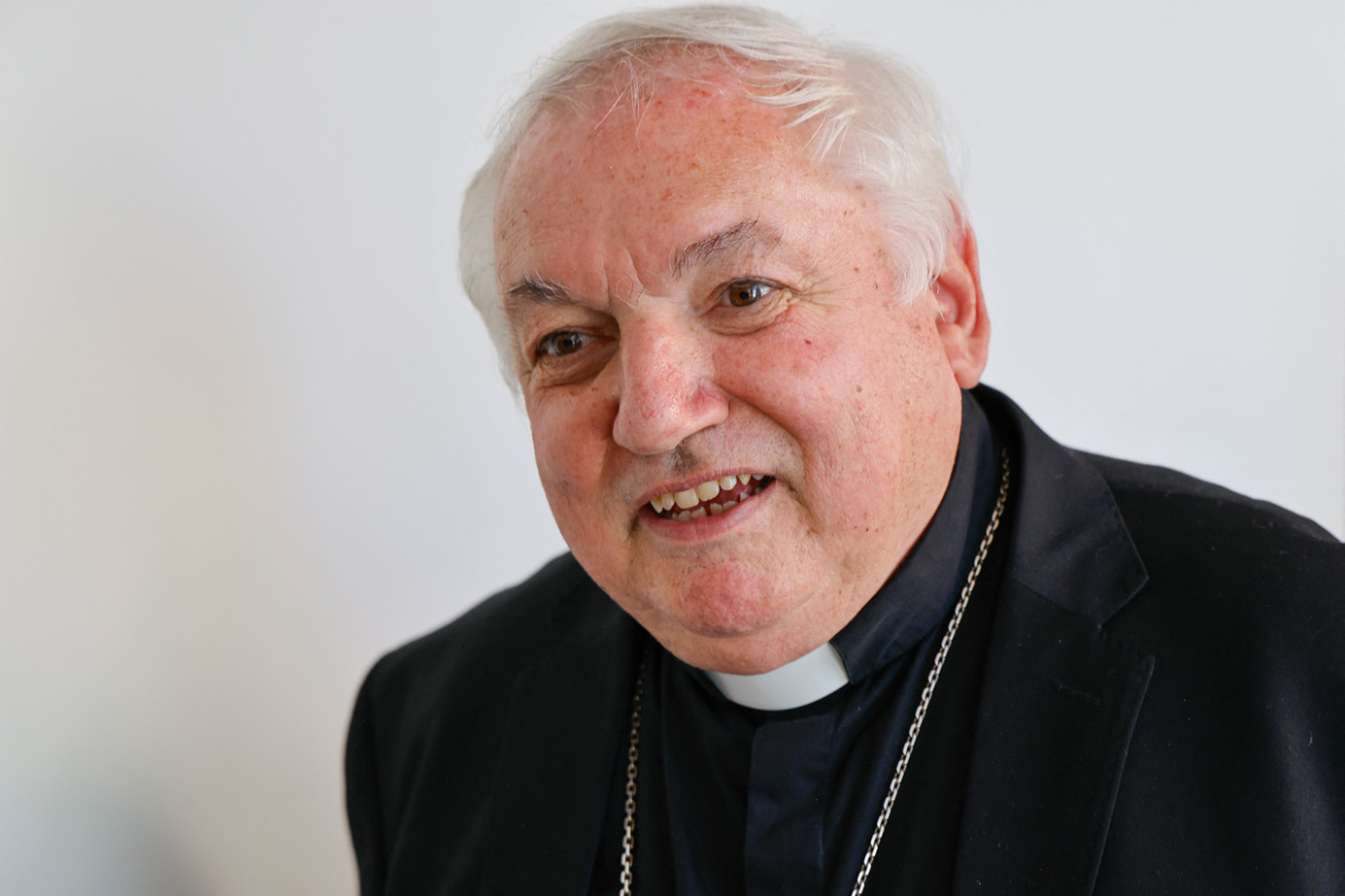
The 66-year-old Aveline is known for his simplicity, adaptability, and sense of humor. Ideologically, he aligns closely with the philosophy of Pope Francis, particularly regarding immigration and interfaith relations, especially with the Muslim world. If elected, Aveline would be the first French Pope since the 14th century and the youngest since John Paul II.
Peter Erdo – Cardinal, Hungary
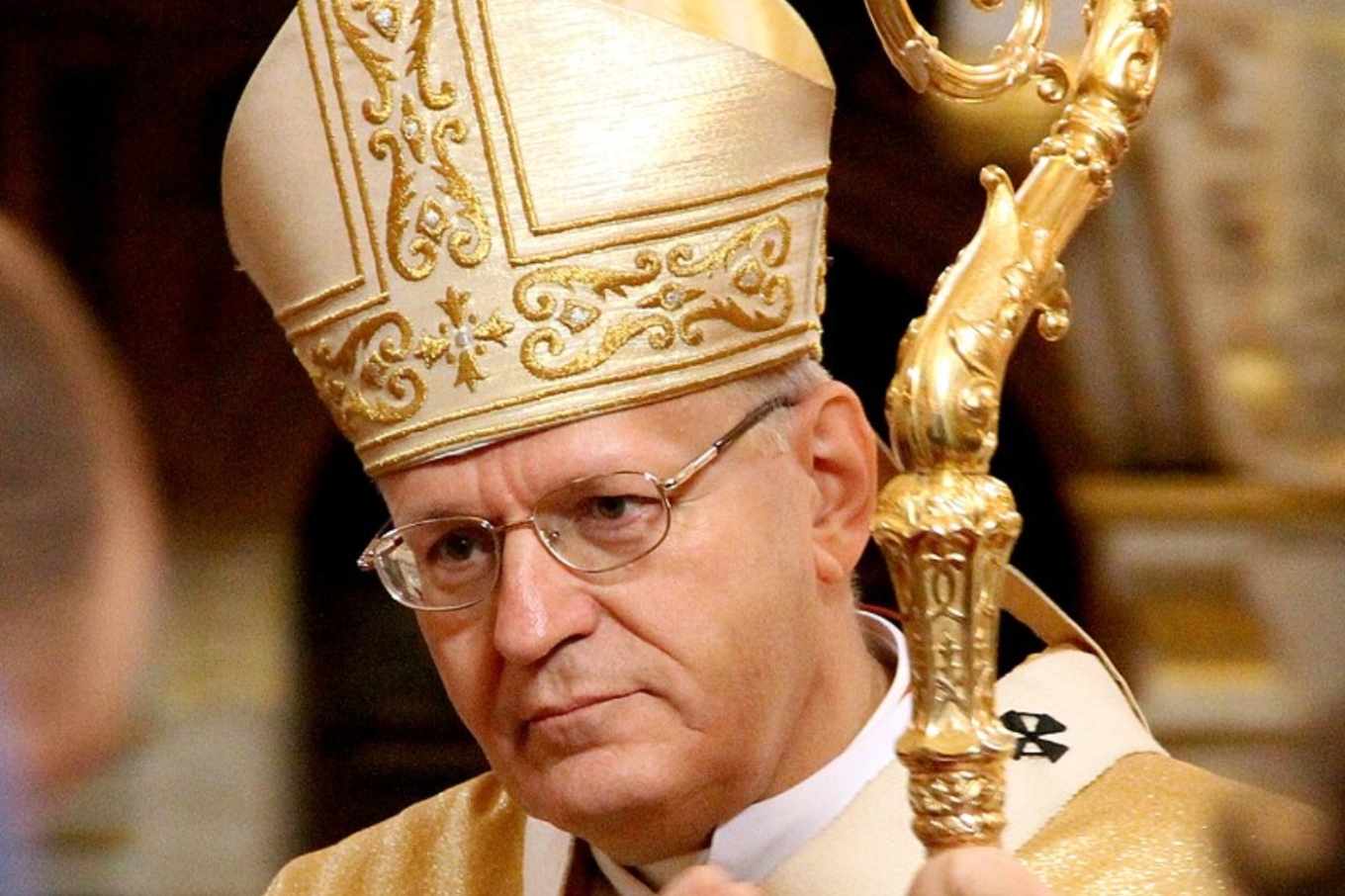
Seen as a “compromise” candidate, the 72-year-old Erdo comes from a conservative background but has built bridges with Francis’ more progressive camp. While emphasizing Christian values in Europe, he has never openly clashed with Pope Francis — a contrast to some other conservative clerics. However, during the 2015 migrant crisis, he did express his disapproval of the Pope’s call for churches to shelter refugees, citing concerns over human trafficking.
Mario Grech – Cardinal, Secretary General of the Synod of Bishops, Malta
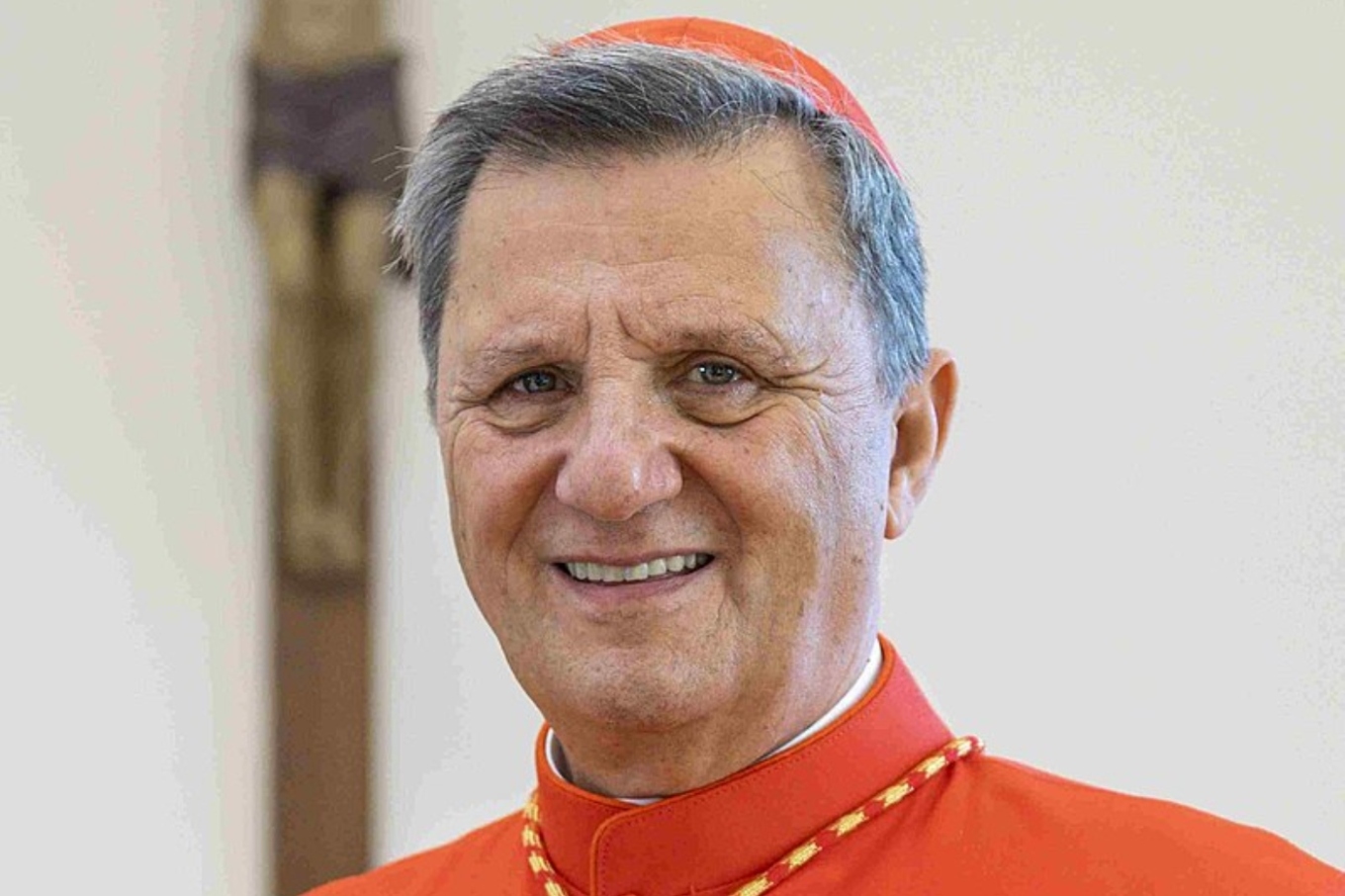
Initially perceived as conservative, the 68-year-old Grech led reforms initiated by Francis within the Church and wasn’t afraid to act decisively. In 2018, he stated he “enjoyed” the Church’s challenges and warned it risked falling behind modern society if it remained anchored to nostalgic traditions. Grech is known and respected across ideological lines and holds a key administrative role, which may boost his chances.
Juan Jose Omella – Cardinal, Archbishop of Barcelona, Spain
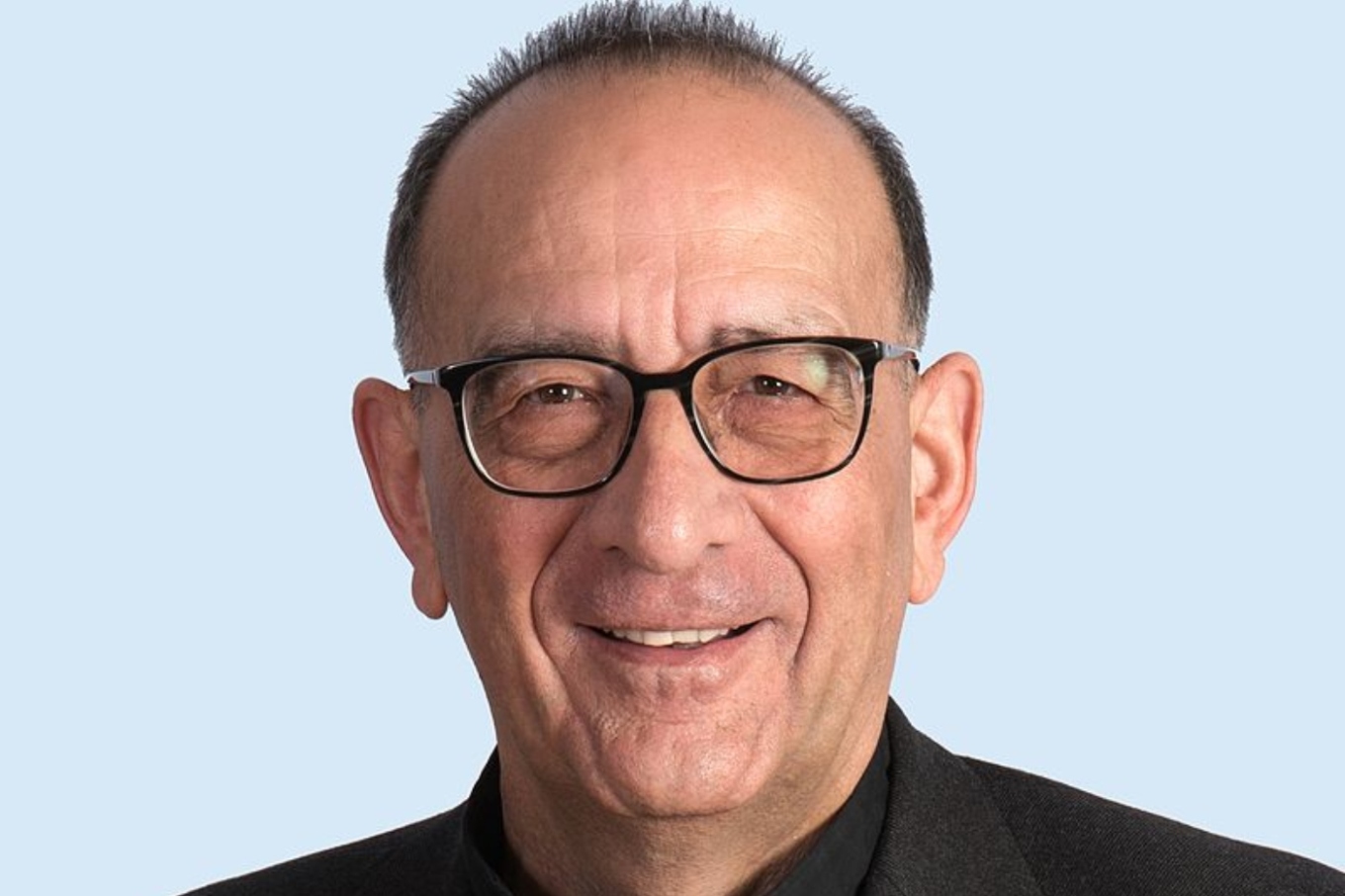
At 79, Omella is a humble and kind-hearted figure who wholeheartedly supported Francis. He has focused his ecclesiastical career on social justice and inclusivity. Promoted by Francis to Archbishop in 2015 and Cardinal in 2016, his progressive stance marked a shift from Spain’s traditionally conservative Church.
Pietro Parolin – Cardinal, Vatican Diplomat, Italy
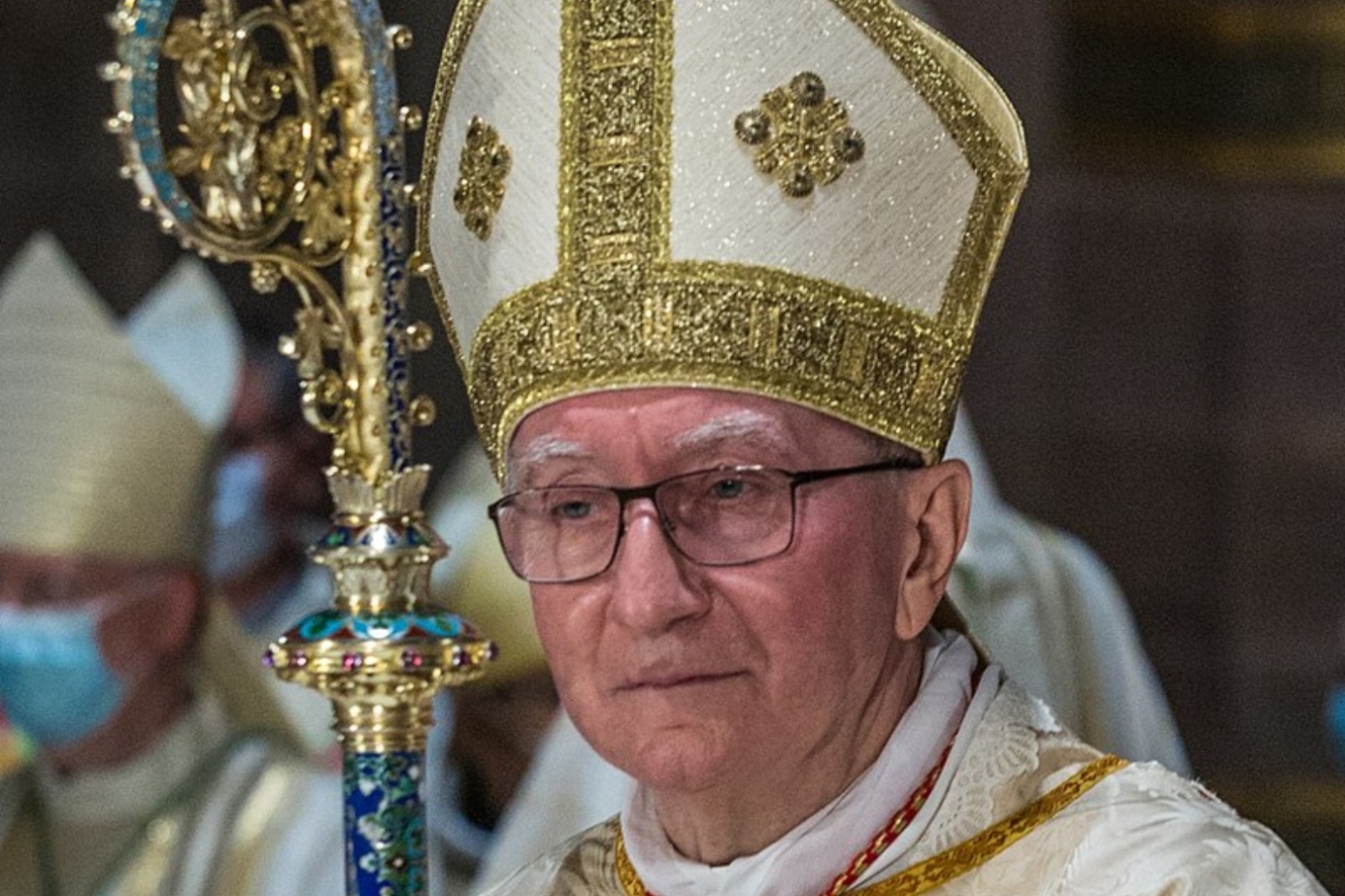
At 70, Parolin could be a middle-ground candidate between conservatives and progressives. As the Vatican’s Secretary of State since 2013, he never publicly opposed controversial topics but once called same-sex marriage a “defeat for humanity.” Electing him would return the papacy to Italy after three non-Italian Popes: John Paul II (Poland), Benedict (Germany), and Francis (Argentina).
Luis Antonio Gokim Tagle – Cardinal, Philippines
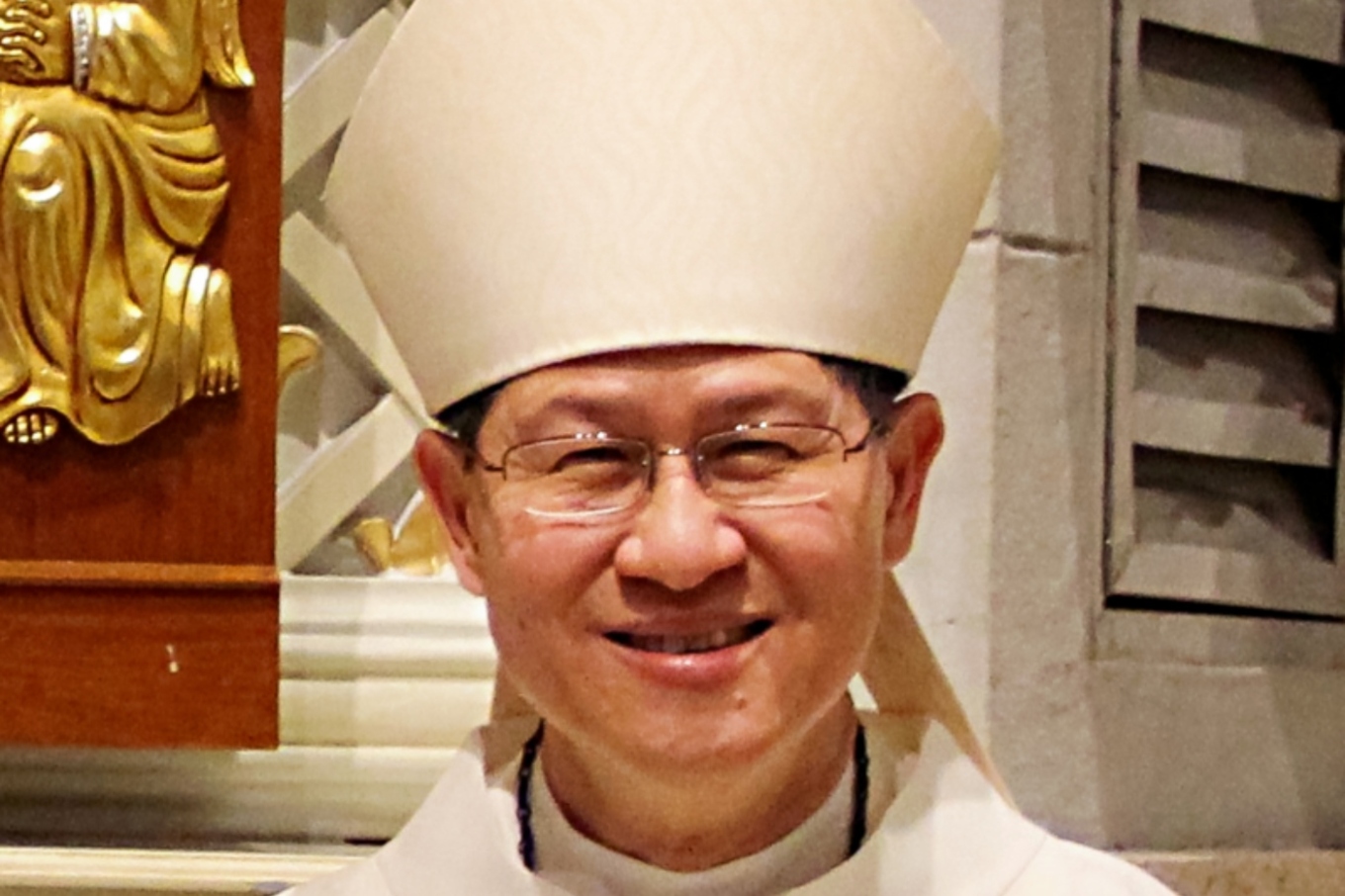
Nicknamed the “Asian Francis,” 67-year-old Tagle is deeply committed to social justice. If elected, he would be the first Pope from Asia. In 2019, Francis brought him to the Vatican to head the Dicastery for Evangelisation — a strategic move seen as grooming him for higher leadership.
Joseph Tobin – Cardinal, Archbishop of Newark, New Jersey, USA
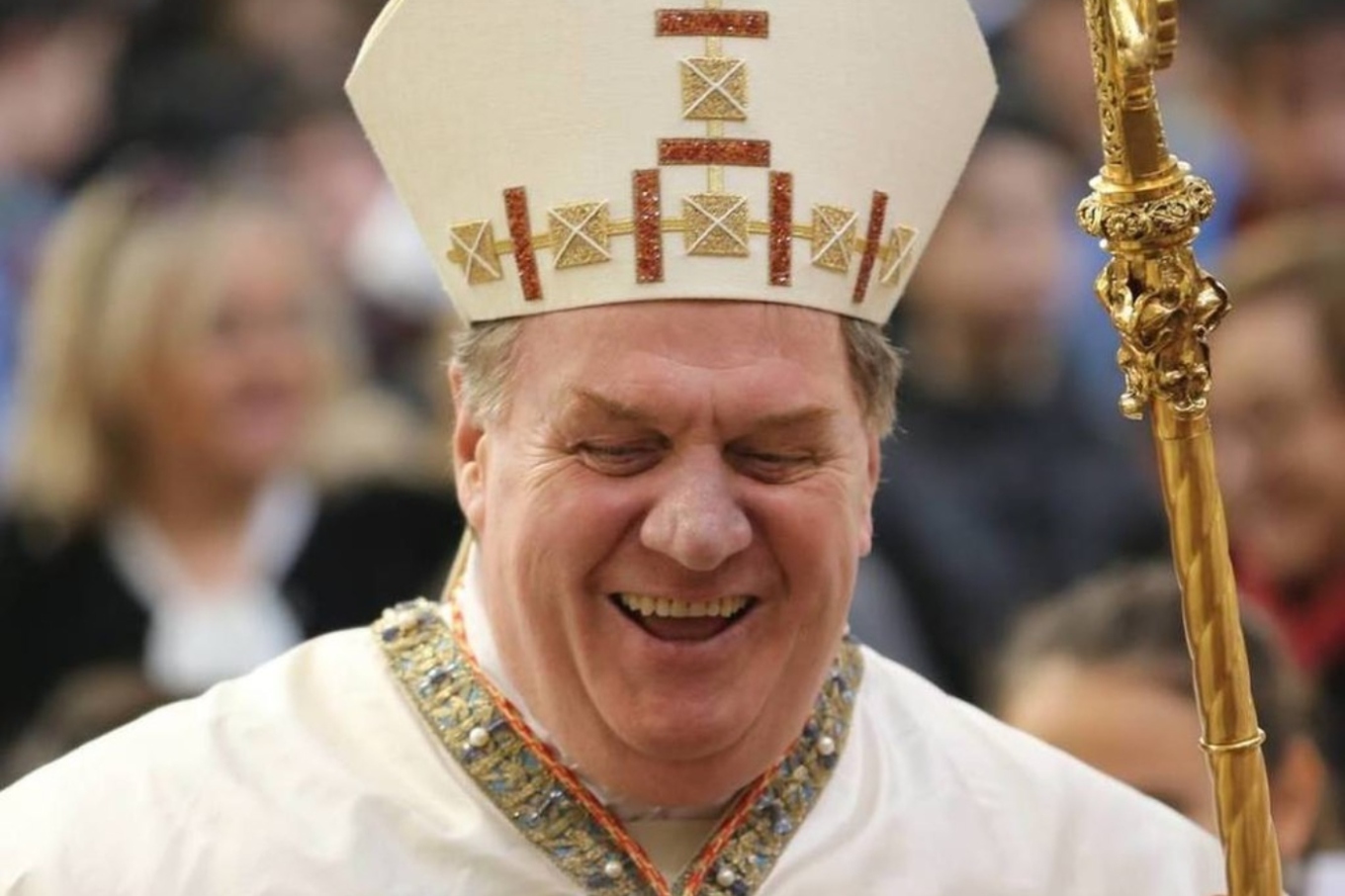
Although an American Pope is unlikely, if one were to be chosen, 72-year-old Tobin would be the top candidate. He has held significant roles both in the Vatican and the U.S. and is known for his openness toward the LGBTQ+ community. In 2017, he wrote that LGBT individuals have often felt “unwanted, marginalized, even shamed” in the Church.
Peter Kodwo Appiah Turkson – Cardinal, Vatican Official, Ghana
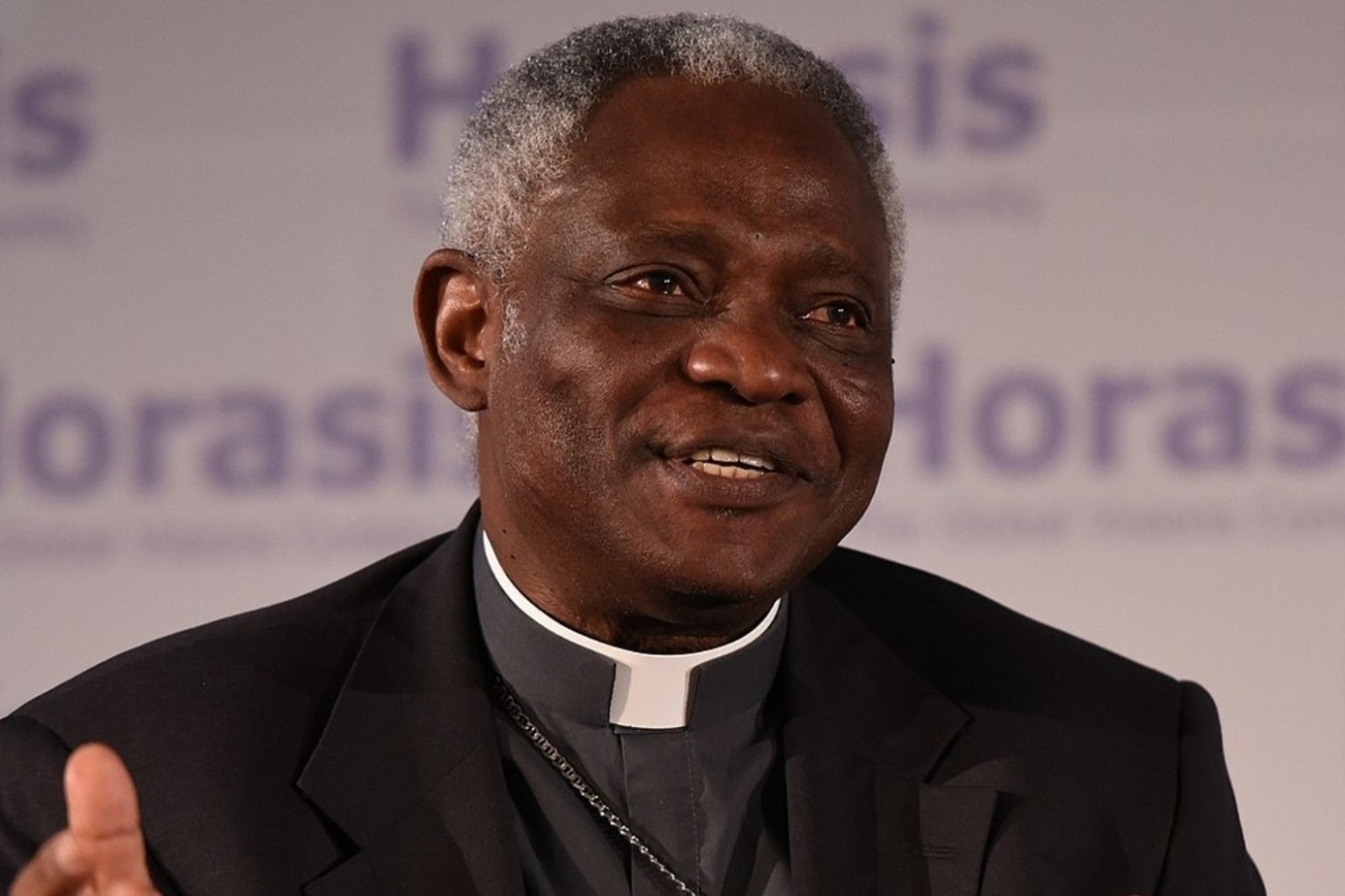
Born in a small town in Ghana, the 76-year-old Turkson rose to high positions in the Church and is a strong contender to be the first sub-Saharan African Pope. With pastoral and Vatican experience, excellent communication skills, and representation of a growing region of Catholicism, Turkson is a significant candidate.
Matteo Maria Zuppi – Archbishop of Bologna, Italy
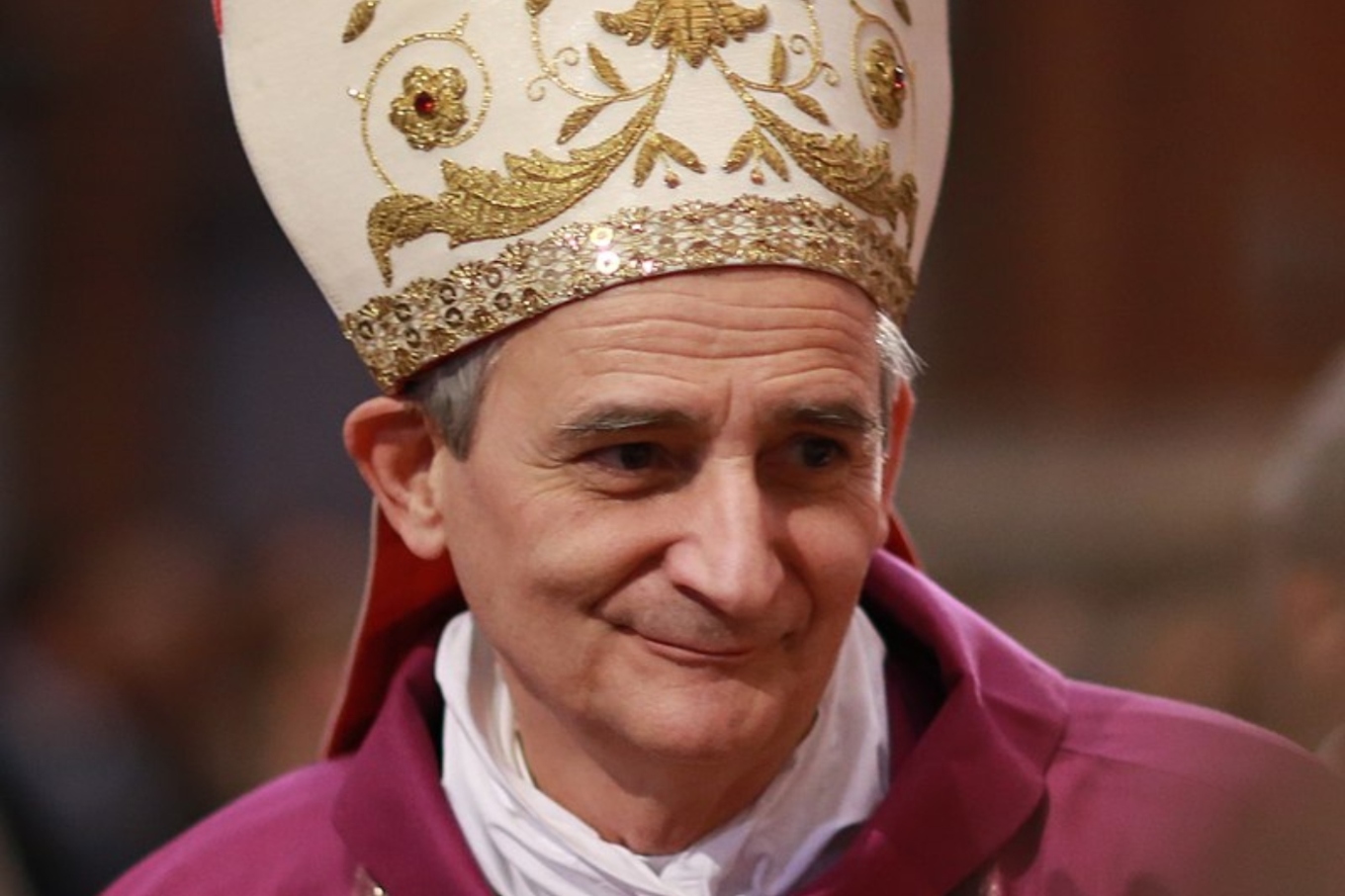
Dubbed the “Italian Bergoglio” by the media, 69-year-old Zuppi shares Francis’ pastoral style. Known as a “street priest” for his work with migrants and the poor, he eschews pomp and often uses a bicycle for transportation. He is affectionately known as “Father Matteo” in Bologna.
Ask me anything
Explore related questions




