





“The Pope is dead. The throne is vacant.” Bordering on…prophecy, this line from the 2024 film Conclave sent its viewership skyrocketing by 3,200% since the beginning of the week, following the news of Pope Francis’ death — a surge fueled by global fascination with the mysterious ritual of choosing his successor.
The passing of Pope Francis has spread sorrow around the world, while simultaneously setting into motion the succession process among the senior clergy — a trial rooted in the Middle Ages but now infused with politics, ecclesiastical maneuvering, and even geopolitics.
Centered in the Sistine Chapel, under the watchful gaze of Michelangelo’s iconic masterpieces, 135 cardinals are now tasked with selecting the new Pope — and with him, the direction the Roman Catholic Church will take moving forward — seeking unity symbolized by the white smoke. Today, the cardinals are also set to decide when the Conclave will officially be convened.
And while Conclave vividly and with relative accuracy portrays, in cinemas and on digital platforms, the Vatican’s traditional process for selecting a new Pontiff, the atmosphere among the cardinals — their anxieties and the concerns of the Catholic Church’s senior clergy about their role in the 21st century — dominates their discussions, amid ceremonies, prayers, and assemblies, during the Papal Interregnum, the period between a Pope’s death and the election of his successor.
The Ritual of the Sede Vacante
In fact, the process of electing a new Pontiff during the Sede Vacante — the period of the empty chair — begins even before the funeral rites of the late Pope, with the symbolic sealing of the papal apartments in the Apostolic Palace using a red ribbon and candle. This act marks both the start of national mourning and the swift transition to the next phase.
Even though Pope Francis — the first Pontiff from Latin America — passed away at the age of 88 from a stroke and heart failure, as the Vatican announced, the election ritual for his successor remains unchanged through the centuries. It stands untouched by external factors, adhering strictly to the tradition that sees the cardinals locked inside the Sistine Chapel until white smoke rises from its chimney, signaling the election of the new Pope.
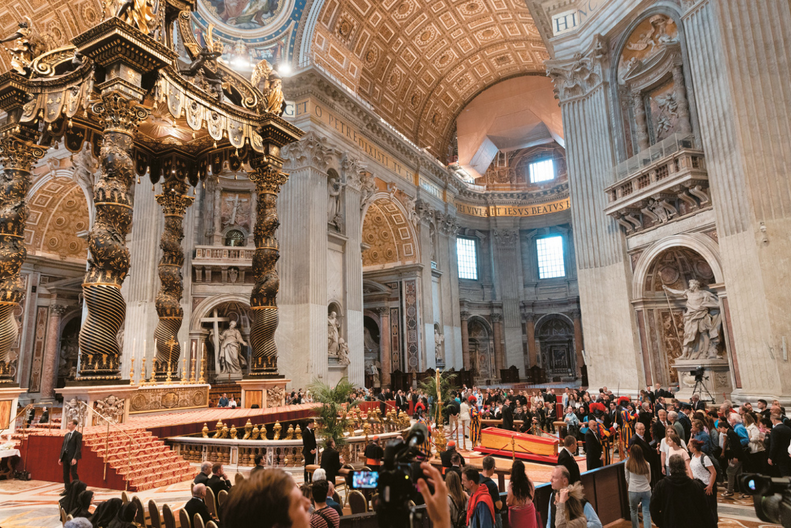
Through a six-step process — with the loss of Pope Francis as the starting point — the following events have unfolded: the public display of his body for veneration, the general congregations of the cardinals to settle ecclesiastical matters, the Novendiales (an ancient Roman rite requiring nine days of mourning, during which the Pope’s burial takes place between the fourth and sixth day), followed by the Conclave and, finally, the election of the new Pope, signaled by the rising white smoke.
Although all these steps are remnants of a millennia-old religious tradition, they lack the level of intrigue surrounding the election of the new Pontiff during the Conclave. Not only because the cardinals participate in complete isolation from the outside world, but more importantly because, under conditions of total seclusion, the senior hierarchs of the Roman Catholic Church are tasked with selecting not merely a suitable representative for the Holy See, but a spiritual leader capable of addressing the Church’s modern challenges — from climate change to cases of sexual abuse within the Catholic Church.
The Conclave
In utmost secrecy, the 135 cardinals will be called next month to decide, through successive votes, on the election of the new Pope. After each round of voting, the ballots from the papal election are burned, and thousands of faithful gather in St. Peter’s Square, awaiting the appearance of white smoke — the signal of the election of the new leader of the Roman Catholic Church. Typically, it takes two to three weeks to select a Pope, a position that, theoretically, any Roman Catholic man can aspire to. However, the last Pontiff not to be a member of the College of Cardinals was Pope Urban VI in 1379. The Dean of the College of Cardinals is responsible for calling all participants to the Conclave in Rome. According to the regulations set by Pope John Paul II, no more than 120 cardinals, and no cardinals over the age of 80, are allowed to participate.
Locked in the Sistine Chapel, the cardinals must write the name of their chosen Pope on small slips of paper beneath the Latin phrase “Eligo in Summum Pontificem” (I elect as Supreme Pontiff). Each cardinal then proceeds — in order of seniority — to the ballot box, and the votes are counted. The results are verbally announced to the cardinals. Once any candidate has gathered two-thirds of the votes, the voting stops, and the new Pope appears on the balcony overlooking St. Peter’s Square to bless his new flock.
Tradition, Conservatism, or Modernization?
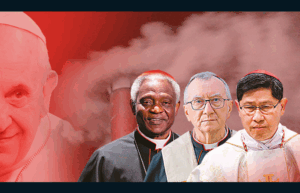
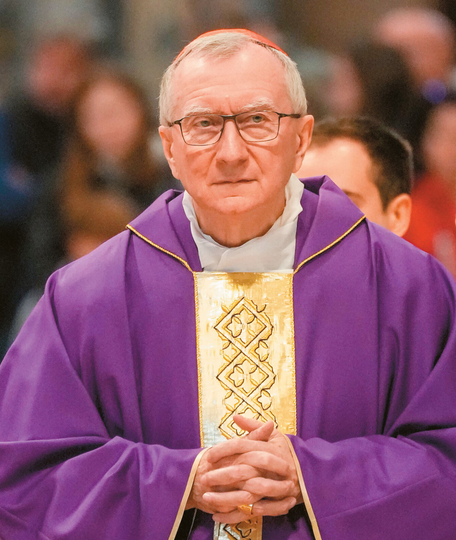
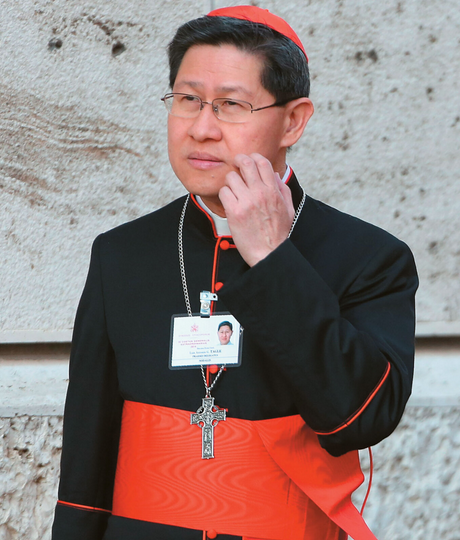
Beyond the ancient ritual of succession and the choices made by the Conclave, the election of the Pope remains one of the most significant processes for the Catholic Church, which boasts approximately 1.4 billion followers worldwide, according to the Vatican. Betting companies are already trying to predict the successor of Pope Francis, with Polymarket reporting a lead for Italian Cardinal Pietro Parolin at 37%, followed by Filipino Cardinal Luis Tagle at 32%. Tagle is referred to as the “little Francis” due to his humility and inclusive style.
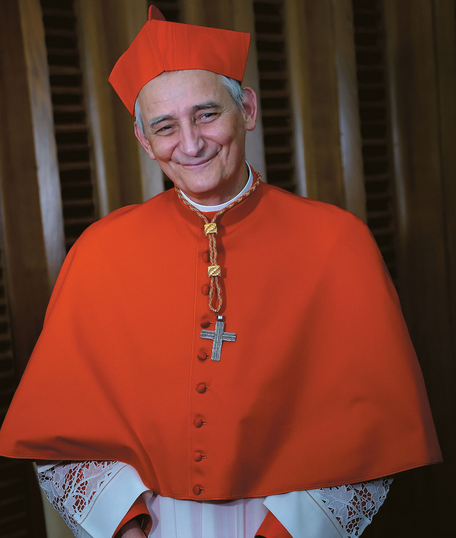
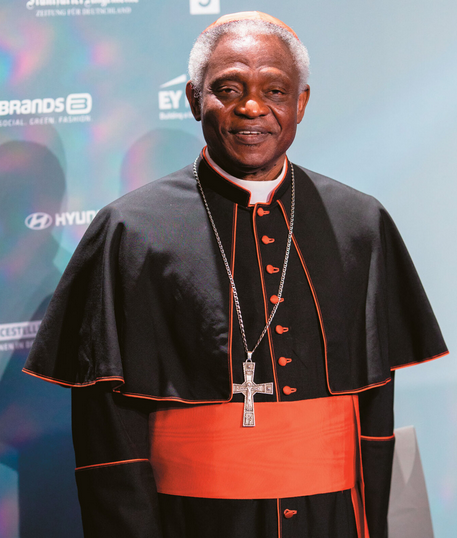
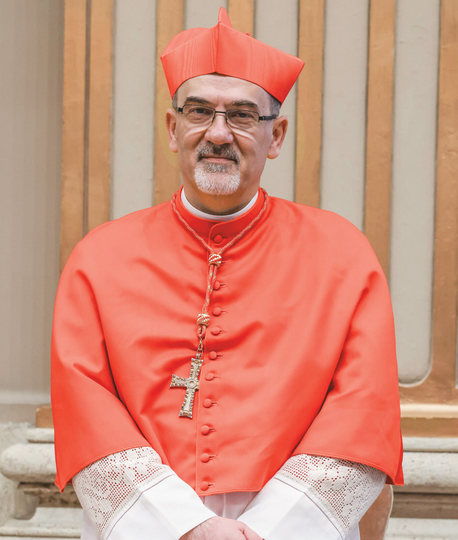
According to Fortune, the next favorites include Matteo Zuppi, Archbishop of Bologna, with 10%, and African Cardinal Peter Turkson, one of the most influential cardinals in Africa. Other candidates, such as Jean-Marc Aveline, Pierre-Batista Pizzaballa, and the conservative Robert Sarah, are receiving lower percentages, although global interest is not focused solely on the individuals. Instead, many believe the new Pontiff will come from Europe (61%), followed by Asia (22%) and Africa (13%), given that Pope Francis was the first from Latin America. In addition to geographic factors, there are also predictions regarding the gender and origin of the new Pope, with questions such as “Will he be Black?” and “Will he be gay?” being asked in a number of betting circles, sparking strong reactions on social media.
On the level of character and style, the choice of the new Pope is inherently a complex task for today’s Catholic Church, as Pope Francis significantly revitalized the relationship between the Holy See and the broader masses worldwide, earning the title “the Pope of the Poor,” alongside praise for his stance on many social issues, contrasting with previous Popes. Even though we must be ready “to expect the unexpected from the Conclave,” according to Time Magazine, which asserts that “the real choice probably won’t be on the list” circulating, the strong legacy of the first Pope from Latin America provides a high benchmark for his successor.
This is because Pope Francis introduced many ideas from the “Liberation Theology,” denouncing the “twin evil” of poverty and inequality, while aligning the Vatican with the fight against climate change, interpreting the decline in living standards for much of the world’s population as a consequence of environmental degradation. His most groundbreaking stance, however, was in the context of LGBTQ+ rights. Although, as Archbishop of Buenos Aires, he had opposed same-sex marriage, calling it “the work of the devil,” his arrival in Rome was accompanied by a more inclusive approach, respecting the efforts of the LGBTQ+ community for visibility, even if he remained opposed to same-sex marriages. He did not shy away from openly apologizing when he used derogatory terms for gay clergy members, and he urged parents of LGBTQ+ children to stand by them in support rather than rejecting them.

The Challenges
In any case, the selection of the new Pontiff is not disconnected from the broader geopolitical environment, the social landscape, and technological changes — issues that, according to analysts, influence the final decision of the Conclave. For the participating cardinals, one of the key questions is whether or not to continue the reforms that Pope Francis initiated in a modernizing direction. Furthermore, the leadership levels of a global Church during a period of intense geopolitical change are believed to significantly impact the voting process in the search for a strong religious leader. This is especially true when many senior clergy see the future of the Catholic Church in Asia, making it more likely that the new Pope could come from Southeast Asia. In this mosaic of concerns, the age of the new Pontiff plays a decisive role.
Ask me anything
Explore related questions




