At the Oncology Hospital of Thessaloniki, amid medical tests, biopsies, and chemotherapy sessions, an unexpected brushstroke of optimism emerges. Three young resident doctors—Michalis, Romanos, and Dimitris—remove their gloves and masks at the end of their shifts and take on the mantle of painters, giving form and color to what they live, see, and feel alongside their patients.
The idea came about spontaneously, almost by chance: a trio of friends with a shared past in painting decided to create together. Not nights out at bars, but evenings filled with brushes, canvases, and vivid shades of reality.
“The pressure, the stress, the emotion, and the responsibility we carry—especially in such a difficult setting like oncology—needed an outlet,” explains Dimitris. “Painting is, for us, a kind of emotional release. It’s not a hobby; it’s a way to stay grounded, so we can support others.”
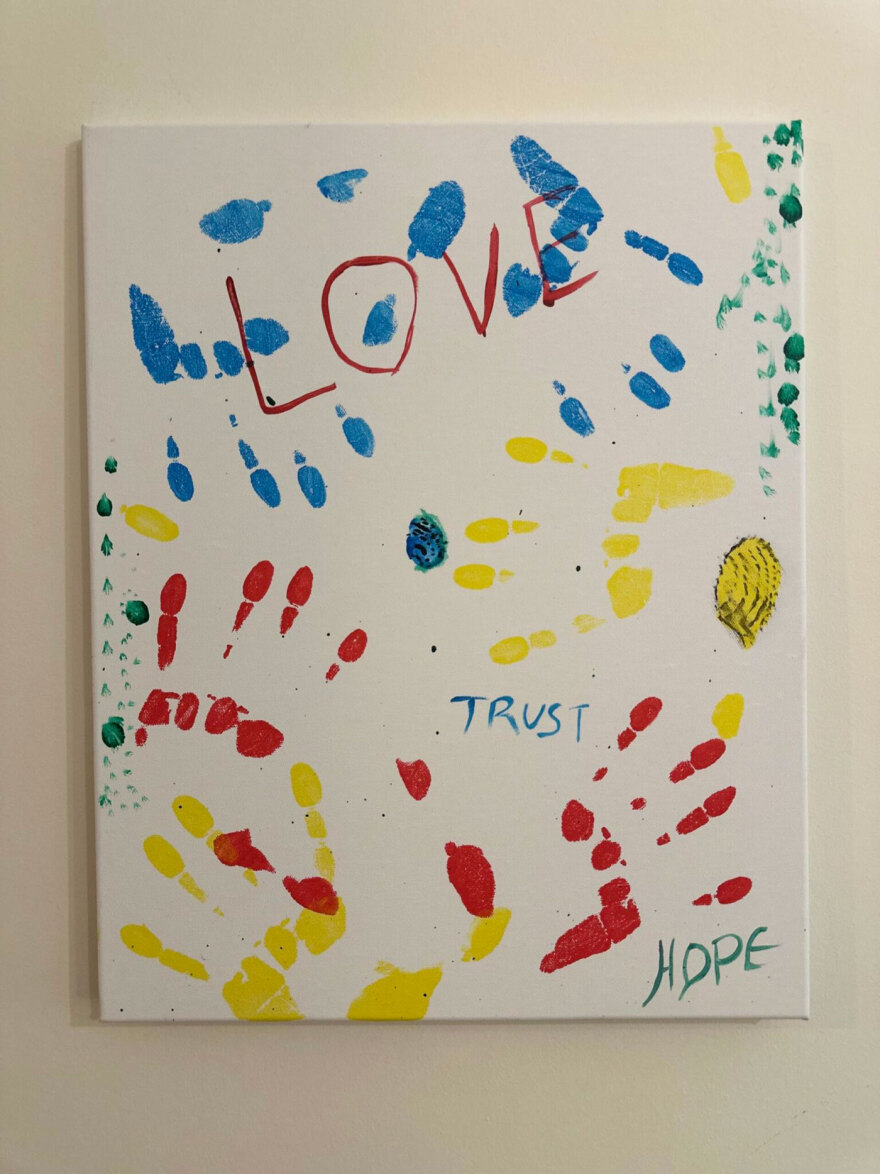
But their art isn’t just a personal refuge. Their paintings also reach their patients, adding an emotional dimension to the therapeutic relationship. It’s a quiet yet powerful message of solidarity: “We are here with you—not just as doctors, but as fellow human beings.”
“Our patients told us they didn’t expect it,” Romanos shares. “They were touched. Some said they saw their own feelings in the paintings, like someone had captured them without needing to put them into words.”
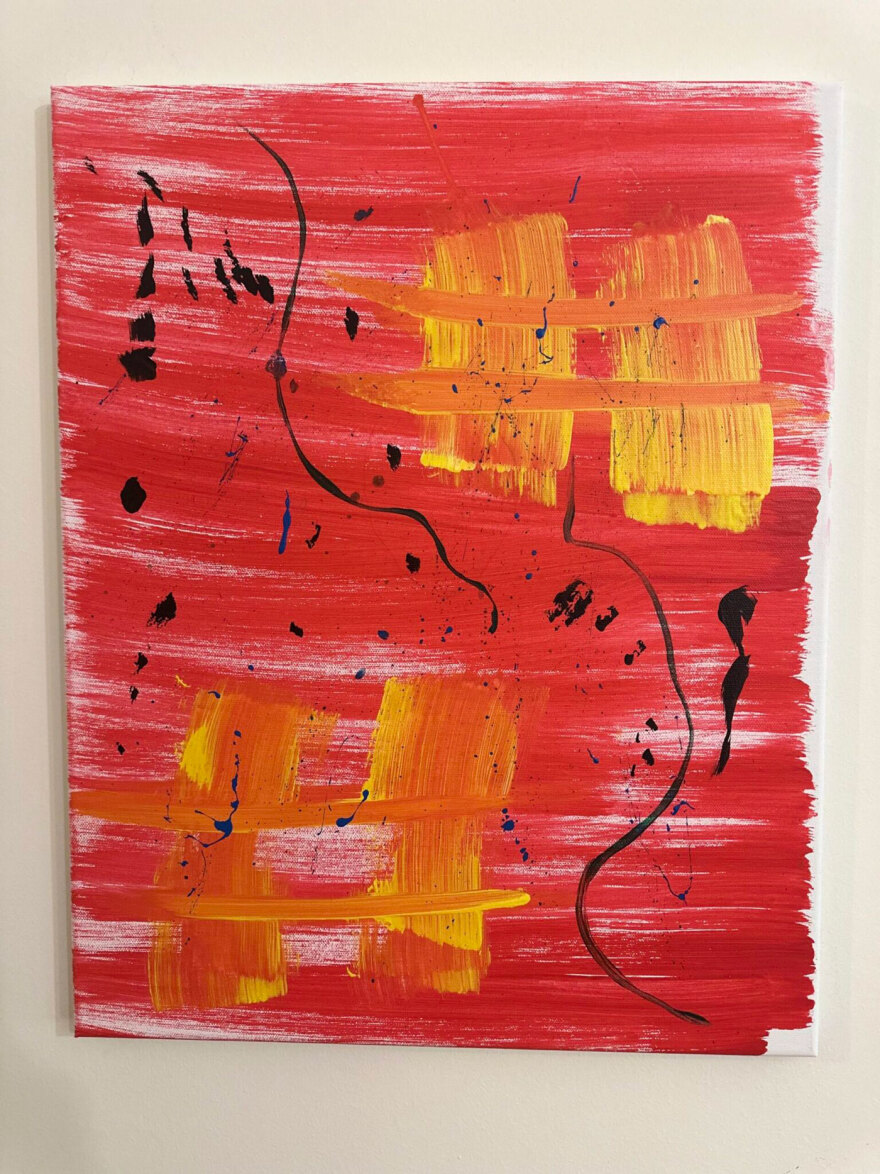
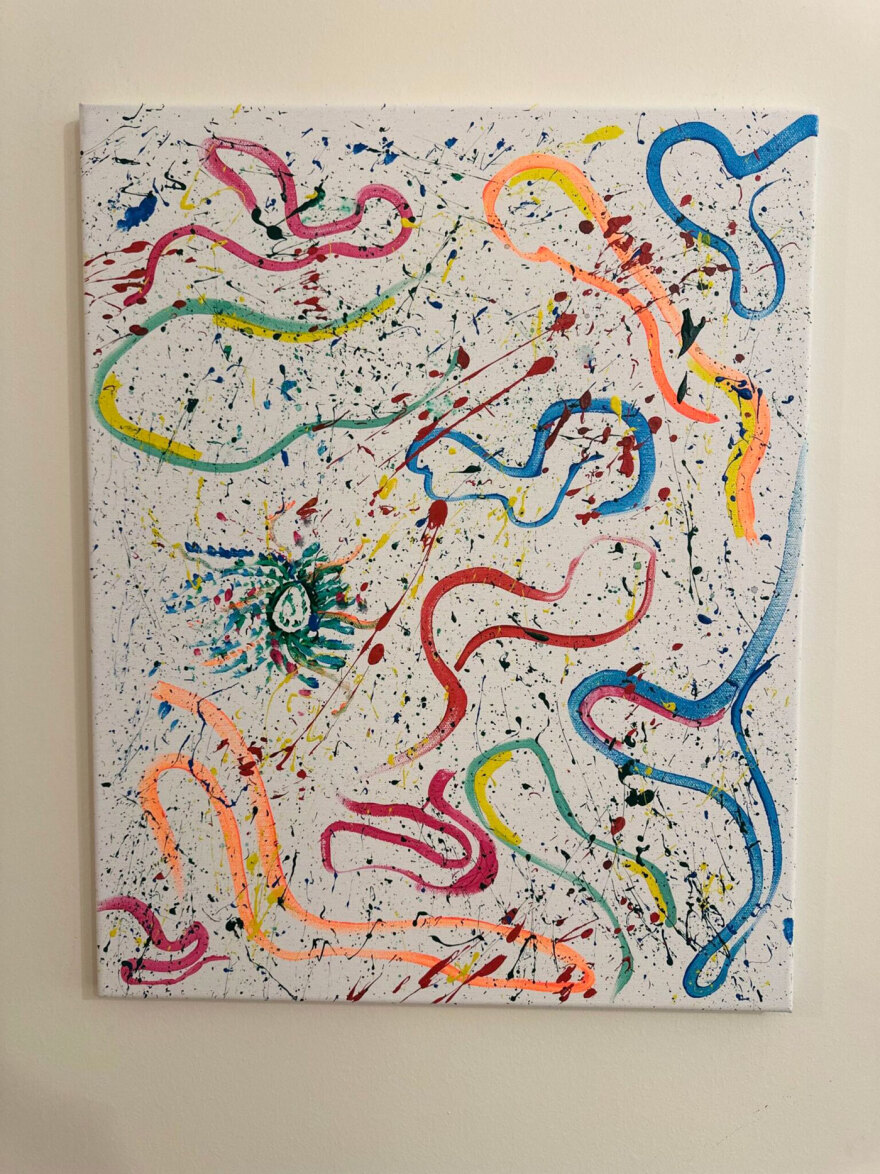
Michalis draws inspiration from cubism and abstract symbolism. Dimitris leans toward freer, linear compositions with a sensitivity to detail, while Romanos channels emotion through bold, intense colors reminiscent of Rothko and de Kooning. Three distinct artistic voices, yet all speaking the same language: one of care, solidarity, and inner cleansing.
“In medicine, we try to ease pain—not just physical, but aesthetic, too. In a way, it’s like making art with a different medium,” says Dimitris. “The same goes for painting—it doesn’t have to be technically perfect, as long as it’s sincere. Both require respect, dedication, and… heart.”
For these three doctors, painting is not a luxury. It is an act of survival. A sanctuary in a place where they face loss, fear, and the fragile line between life and death every day.
“Medicine demands strength. But at night, when you go home, the images stay with you. You can’t just throw them away. That’s why painting helps us. It’s our way of speaking when words fall short,” Romanos says.
From Theageneio to the Galleries
The three friends aren’t stopping here. They’re planning to organize an exhibition in Thessaloniki, open to friends, colleagues—and of course, patients. A proposal that doesn’t merely seek public recognition, but connection. Perhaps even healing—the kind that can’t be prescribed but can be offered.
“We’d love for our paintings to stay in clinics and hospitals,” says Michalis. “Not just to beautify the space, but because we believe they can soothe the soul, even a little. To become companions—like we are.”
Doctors as People
In the world of medicine, where rigor and dedication often stifle emotion, these three residents show there is room for sensitivity, creativity, and human connection. They remind us that behind the white coat beats a human heart—and a paintbrush seeking expression.
“Doctors aren’t machines. We need to feel, to express ourselves, to say that we, too, are afraid—but we keep going. And that’s the message we want to pass on to our patients,” they say in unison.
In other words, painting is not just their escape. It’s proof that the greatest science and the finest art share something profound: they are both born from the human need to care for another.
Ask me anything
Explore related questions