Greece is just one step away from signing a bilateral agreement with India concerning the dispatch of labor. India, the most populous country in the world, is finalizing the remaining details in hopes of moving forward with the agreement after the end of summer.
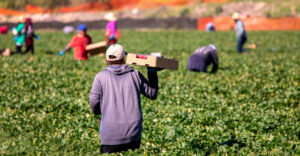
The agreement aims to address the severe labor shortages affecting many sectors in Greece. It will provide for the transfer of highly skilled workers—on whom many industries, such as food service and tourism, increasingly rely to meet staffing needs—as well as general laborers for agriculture, construction, and other areas. According to sources, India is initially interested in sending around 50,000 workers per year, both skilled and unskilled, under the framework of this bilateral agreement.
The Role of the Chamber of Commerce
As Angelos Tsavdaris, president of the Hellenic-Indian Chamber of Commerce and Economy, explains in an interview with Proto Thema, the Chamber is in advanced discussions with India’s Ministry of Skill Development and Entrepreneurship regarding the worker transfer process. “Even though both sides are showing goodwill, this is not an easy undertaking,” he says. “Details like accommodation, issuance of social security numbers (AMKA), training, and performance assessment need to be carefully planned.”
To address these issues, the Chamber has developed a program called “Eutopia”. According to Tsavdaris, it’s an innovative initiative with private-sector characteristics aimed at providing a permanent solution to the challenges Greece faces in hiring foreign labor. “Eutopia” is designed to serve as a model that could be adopted by other European countries, promoting transparency, legality, and labor rights.
“The recruitment of Indian workers will fill critical gaps in the Greek labor market, particularly in agriculture, manufacturing, and construction. At the same time, it will enhance business competitiveness and create new jobs, maintaining social balance and economic progress,” says Mr. Tsavdaris.
He adds:
“With the support of government and diplomatic institutions, the Chamber has built a reliable network of cooperation between Greece and India, ensuring full legal compliance, certification, and social integration for the incoming workers. However, to make the process more effective and faster, changes are needed in the existing legal framework, which often leads to delays and does not reflect employers’ real needs.”
Mr. Tsavdaris emphasizes the Chamber’s commitment to helping shape a modern and sustainable labor policy, based on respect for human values and strengthening the national economy. The Chamber continues to play a pioneering role in connecting Greece and India in terms of labor, mobility, and business development. With more than three years of active involvement in organizing and regulating the recruitment of Indian guest workers, the Chamber contributes significantly to the creation of a sustainable and humane work environment.
The “Eutopia” program, developed by the Hellenic-Indian Chamber, has been in preparation for nearly two years and is now nearing completion. It is specifically targeted at addressing labor shortages in Greek agriculture and industrial production. The program is designed with transparency and efficiency in mind, aiming to ensure decent working and living conditions for laborers while also promoting the country’s economic growth.
Main Goals of the “Eutopia” Program:
- Address labor demand: Provide immediate solutions to rising needs in agriculture and manufacturing.
- Create a reception network: Establish offices to collect worker data, conduct interviews, and mediate between employers and employees.
- Ensure rights and protections: Safeguard labor rights, provide healthcare access, and ensure fair wages and living conditions.
A “Breath of Relief”
Government sources underline that certain sectors of the Greek economy struggle to attract local labor, even when offering competitive wages. In such cases, the law allows for the recruitment of foreign workers for specific job categories. The agricultural sector is the most illustrative example, although shortages are also evident in other professions.
This is where the forthcoming bilateral agreements come in. Some have already been signed, while talks are underway with additional countries to establish a structured framework for importing labor tailored to the Greek market’s needs.
The matter was also raised during Greek Prime Minister Kyriakos Mitsotakis’ official visit to India, where initial discussions took place around a deal to send Indian agricultural workers to Greece. This agreement, still under negotiation, is expected to serve as a model for future collaborations with other nations, as part of a long-term plan to sustainably strengthen Greece’s workforce.
Ask me anything
Explore related questions