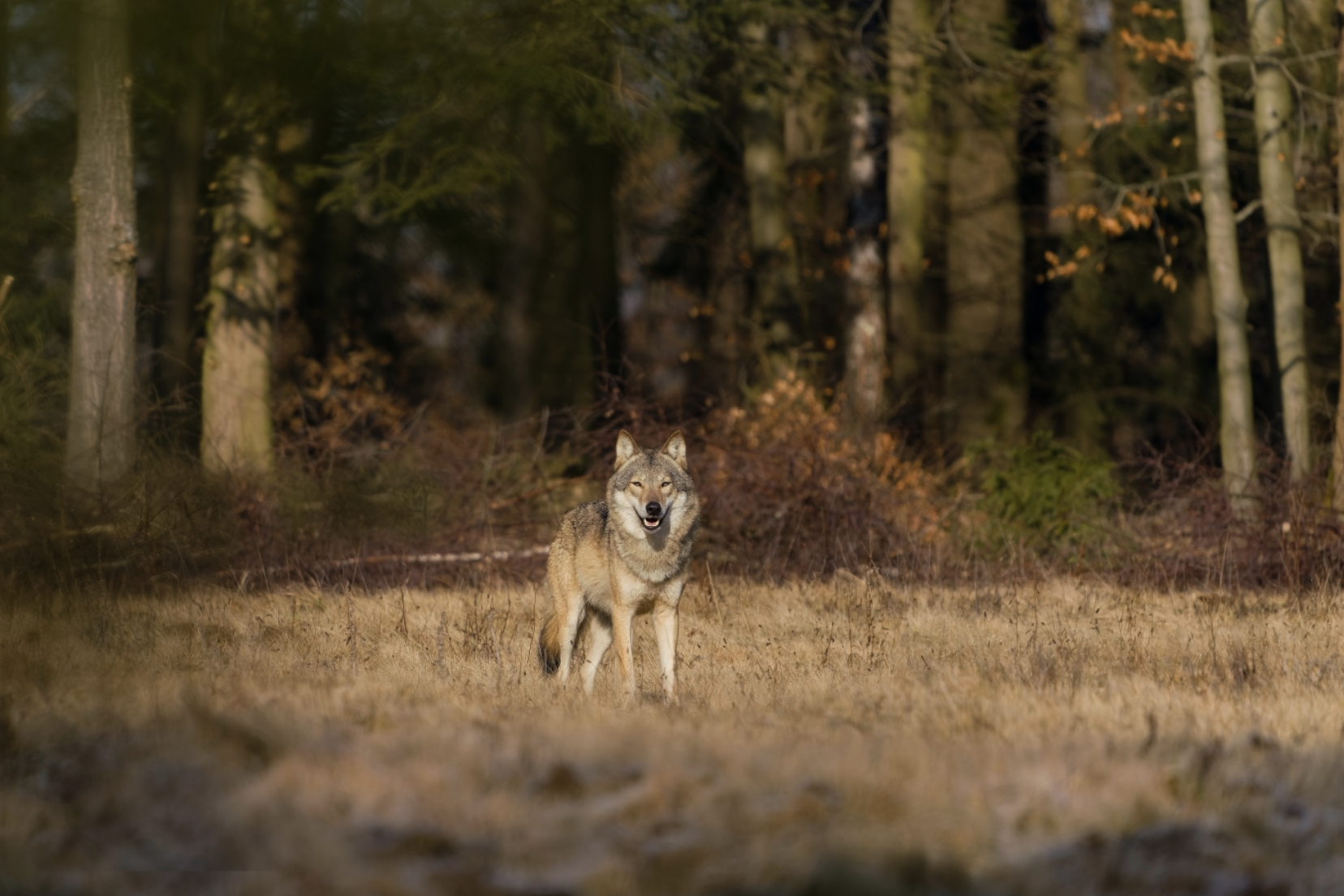
The “Natura 2000” Committee has expressed strong opposition to the proposed relocation of wolves from Parnitha to northern Greece, a plan initiated following a prosecutorial order and proposed by the Hunting Confederation of Greece and detailed by the 4th Hunting Federation of Central Greece. In its scientific opinion, the committee entirely dismantles the legal and operational justification of the proposal, calling it unfeasible, contrary to wildlife management science, and incompatible with the legal framework for species protection.
Wolves as Key Ecosystem Regulators
Composed of specialized scientists, the committee highlights that the wolf is a crucial regulator of the ecosystem in Parnitha. Its natural return, after decades of absence due to extermination, has helped restore the food chain—particularly following the devastating 2007 wildfire, which led to a surge in red deer populations.
Relocation Logistically Impossible
According to the report, trapping wolves presents significant technical challenges: it requires multiple traps, continuous monitoring, and expert personnel. The process of capturing, anesthetizing, and relocating the animals poses serious risks to their health and well-being. Moreover, removing wolves could destabilize the ecosystem in Parnitha and create problems in the recipient areas.
Legally Groundless Proposal
The committee stresses that the relocation does not meet the criteria outlined in Directive 92/43/EEC regarding exceptions to species protection. There is no documented threat to public safety, nor any reports of wolf aggression or danger to humans in Parnitha.
Alternative Solutions Suggested
Acknowledging concerns over the declining red deer population, the committee proposes creating a specialized scientific team to develop a comprehensive management plan. This plan should be evidence-based and include measures to protect juvenile deer, improve habitat conditions, and expand the species’ range. Existing programs like LIFE Wild Wolf could play a key role in such efforts.
Parnitha as a Model of Ecological Recovery
According to the committee, the return of wolves to Parnitha is one of the rare successful examples of natural species reintroduction and biodiversity restoration in an urban or peri-urban setting. Their removal would disrupt a fragile ecological balance that has been reestablished with considerable effort.
Conclusion
In summary, the scientific opinion concludes that the plan to relocate wolves from Parnitha is scientifically baseless, technically unworkable, and operationally hazardous—both for the species and for the ecosystems involved.
Ask me anything
Explore related questions