





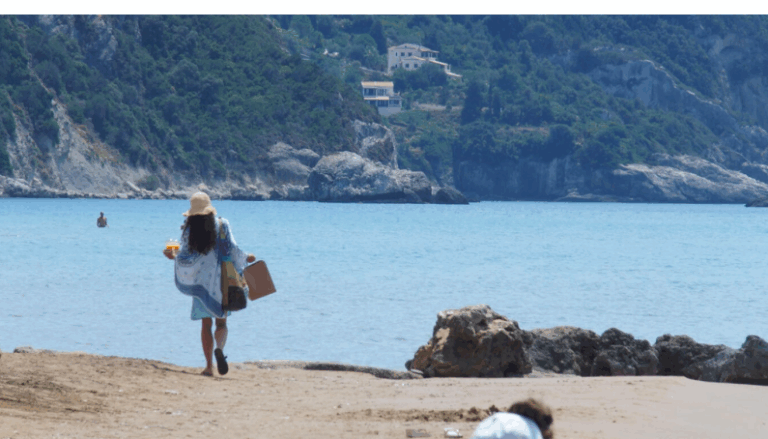
96% of bathing waters in the European Union meet the necessary quality standards, 85% are classified as “excellent”, and only 1.5% are classified as “moderate”. The overall quality level remained stable compared to the previous year, the European Environment Agency (EEA) announced today.
“Europeans can swim in complete safety in the vast majority of EU bathing sites that meet quality standards,” said the statement from European Environment Commissioner Jesica Roswall.
Among the 22,000 sites tested in 2024 within the European Union, but also in Albania and Switzerland, water quality was classified as “excellent,” “good,” “adequate,” and “poor,” depending on the level of bacteria detected and based on pollution mainly from sewage and livestock.
Cyprus is the best student with 99.2% of its water being classified as “excellent” quality. It is followed by Bulgaria with 97.9%, Greece with 97%, Austria with 95.8%, and Croatia with 95.2%.
At the bottom of the ranking, Albania, with only 16% of bathing sites in “excellent” condition and a 25 percentage point drop from last year, and Poland, with 58.1%, a slight improvement on 2023.
Along the sea coast, water quality is overall better than inland waters, rivers, and lakes, thanks to more frequent recharge and the ability to self-clean.
Rivers and lakes are more sensitive than coastal zones to pollution caused by heavy rainfall or summer drought.
In 2023, 321 bathing sites in the European Union were classified as “poor” quality. Compared to the previous year, 67 were improved.
For areas where waters are classified as “poor” quality, national authorities are obliged to ban bathing for the following period, take measures to reduce pollution, and eliminate risks to bathers’ health.
Ask me anything
Explore related questions




