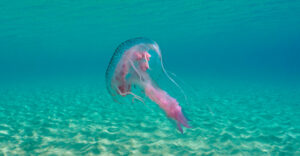
Jellyfish Return to Greek Seas, Prompting Concern and Increased Vigilance
Jellyfish have made a notable return to Greek waters this summer, raising concerns among swimmers in various regions and prompting increased readiness from the relevant authorities. Efforts are underway to monitor and pinpoint the locations where jellyfish sightings are reported.
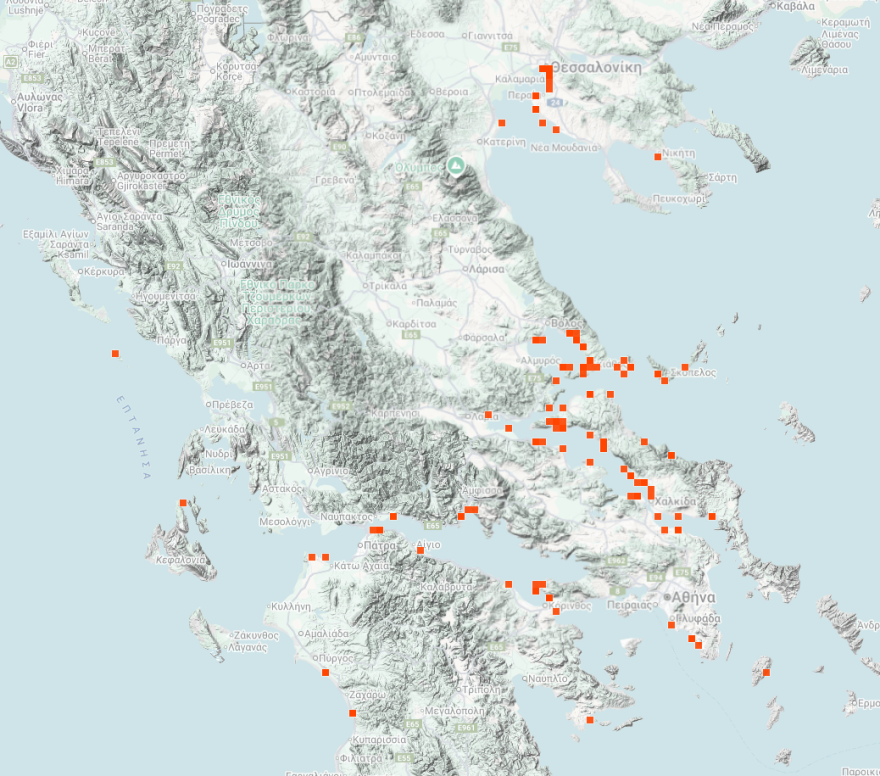
According to the Hellenic Biodiversity Observatory, there has been a surge in purple jellyfish this season, with confirmed sightings in Chalkida and the northern part of the Evian Gulf.
Specifically, “Northern Evia is already facing a significant issue, as it serves as an outlet from the Pagasitikos Gulf to the open sea. The Pagasitikos itself continues to report jellyfish presence, particularly along its eastern coastline. The phenomenon has also spread to the Northern Sporades, with verified sightings in Skiathos and Skopelos.”
When Jellyfish Stings Become Dangerous – EODY Guidelines
Experts from the Hellenic Biodiversity Observatory have acknowledged that their initial estimates regarding the extent of the purple jellyfish outbreak in the Pagasitikos Gulf and surrounding areas were too conservative. The phenomenon is now spreading more rapidly than expected.
When a Jellyfish Sting Becomes Dangerous
A swimmer who encountered a purple jellyfish on a beach in Evia shared their experience with Evia Online, describing severe and prolonged pain. “Last Thursday, after a jog, I decided to go for a swim. While in the water, I was stung under my armpit, near the lymph nodes. The pain was excruciating. My arm began to swell immediately. I found a shop and asked for ice, hoping it would reduce the swelling. I was advised not to use fresh water, vinegar, or ammonia. Only seawater and cortisone ointment. It’s been eight days, and the mark still hasn’t faded.”
According to the National Public Health Organization (EODY), the venomous stinging cells (nematocysts) in jellyfish tentacles can cause skin redness, swelling, and burning sensations. In some cases, more serious effects may occur, such as skin necrosis, cardiac issues, or neurotoxic reactions—especially in vulnerable individuals.
Symptoms of a Jellyfish Sting
Common symptoms may include:
- Burning pain
- Intense skin redness
- Jellyfish-shaped imprint on the skin
- Nausea
- Dizziness or low blood pressure
- Rapid heartbeat
- Headache
- Vomiting and diarrhea
- Bronchospasm or difficulty breathing
In rare but severe cases, symptoms can escalate to:
- Hypotension (low blood pressure)
- Hoarseness or difficulty speaking
- Wheezing
- Generalized swelling or rash
- Confusion or disorientation
In these cases, immediate medical attention is essential. The individual should be transported to a hospital without delay.
What to Do If Stung by a Purple Jellyfish
- Remove Tentacles Carefully: Use a tool or object to gently scrape off any remaining tentacles. Do not touch them with bare hands.
- Rinse with Seawater: Avoid fresh water, as it may trigger further stinging. If needed, use wet sand to help remove any tentacle remnants.
- Apply Ice or Cold Compresses: This helps reduce swelling and discomfort.
- Use Cortisone Cream: It eases inflammation and relieves itching and burning.
- Take an Antihistamine: This can help with itching and prevent a more widespread allergic reaction.
- Seek Medical Help if Needed: If symptoms persist or worsen, a cortisone injection may be required. Visit a nearby hospital or health centre promptly.
Ask me anything
Explore related questions