The contract for the landscaping and redevelopment of the Athens Conservatory’s surrounding area—part of a €3.18 million project—was signed today in the presence of Attica Regional Governor Nikos Hardalias. The agreement was concluded by the Conservatory’s Chairman, Nikos Tsouchlos, and the contractor’s representative.
Co-financed by the European Regional Development Fund under the “Attica 2021–2027” Regional Programme, the project marks the final phase in the Conservatory’s comprehensive upgrade, fully backed by the Region of Attica.
Governor Hardalias emphasized the project’s importance in positioning the Conservatory as a key cultural landmark in Athens, highlighting Attica’s broader strategy to invest in culture not only for heritage preservation but also as a lever for tourism and economic development. “Culture is part of Attica’s identity,” he said, “and a powerful tool for growth.”
He also noted that Attica is the first Greek region to fully leverage EU structural funds for cultural development and revealed that further initiatives in collaboration with the Ministry of Culture will soon be announced.
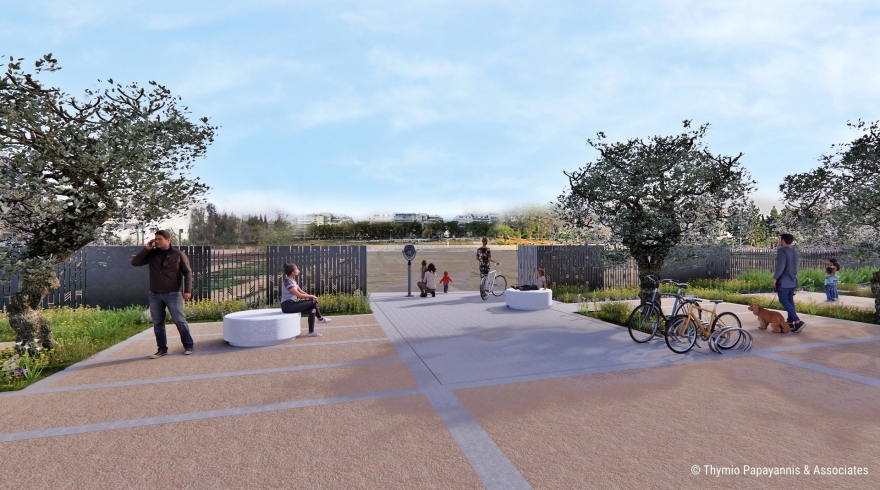
Conservatory Chairman Tsouchlos expressed gratitude for the region’s support, stressing the project’s transformative impact. “Thanks to the Region’s commitment, previously incomplete sections of the building have now been finished. Today, we take the next step—turning the disordered exterior into a vibrant public park,” he said. The “Athens Conservatory Park,” bordering the Byzantine Museum and Aristotle’s Lyceum, will enhance urban cohesion, showcase architect Despotopoulos’s landmark building, and offer an open cultural and recreational space.
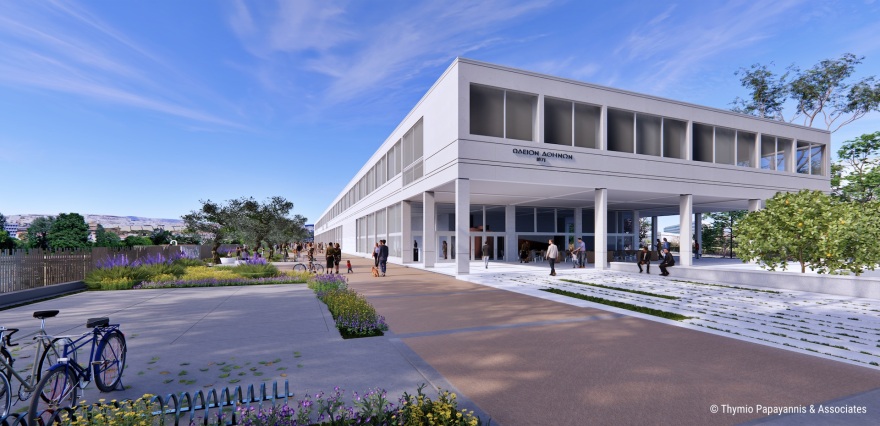
The signing ceremony was attended by regional vice-governors, councillors, officials, and representatives from involved agencies and organizations.
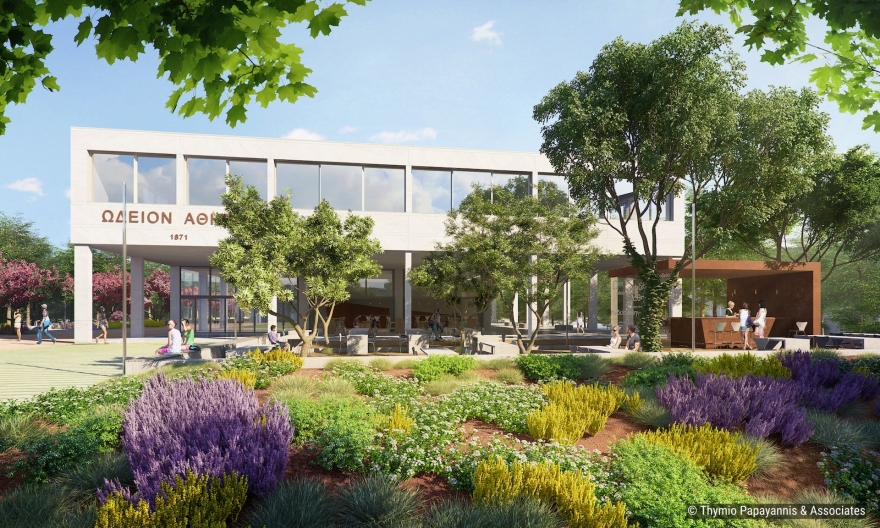
A Cultural Landmark Reborn
The redevelopment is expected to be completed within 18 months, completing an effort that has already seen €8 million invested by the Region of Attica in renovating the Conservatory and digitizing its archives.
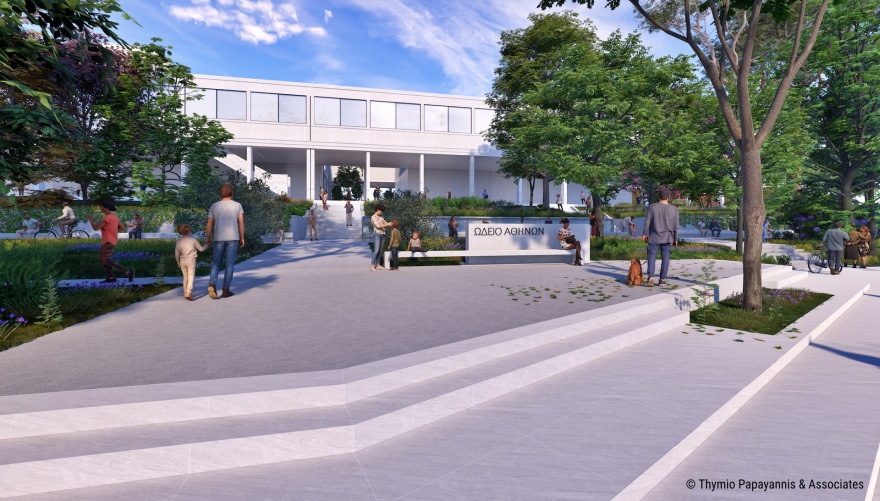
Designed with bioclimatic principles, the project aims to promote sustainability, accessibility, and public use. Features include:
- Entrance corridors with water features and landscaping connecting to Vassilissis Konstantinou Avenue
- A paved northern walkway linking the site to the Byzantine Museum and Aristotle Lyceum
- A redesigned western entrance facing Rigillis Street, usable for cultural events
- New parking and utility areas on the eastern side, accessible from Vassileos Georgiou Avenue
All areas will be fully accessible to people with disabilities. The landscaping study was made possible through a donation by Alpha Bank.
Ask me anything
Explore related questions