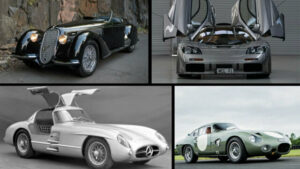
The following vehicles are masterpieces of engineering and aesthetics combined. They appeared in limited numbers during the 20th century. Tested in epic speed races or starring in mythical action movies, we see them today not only as pieces of automotive memory but also as powerful investment assets.
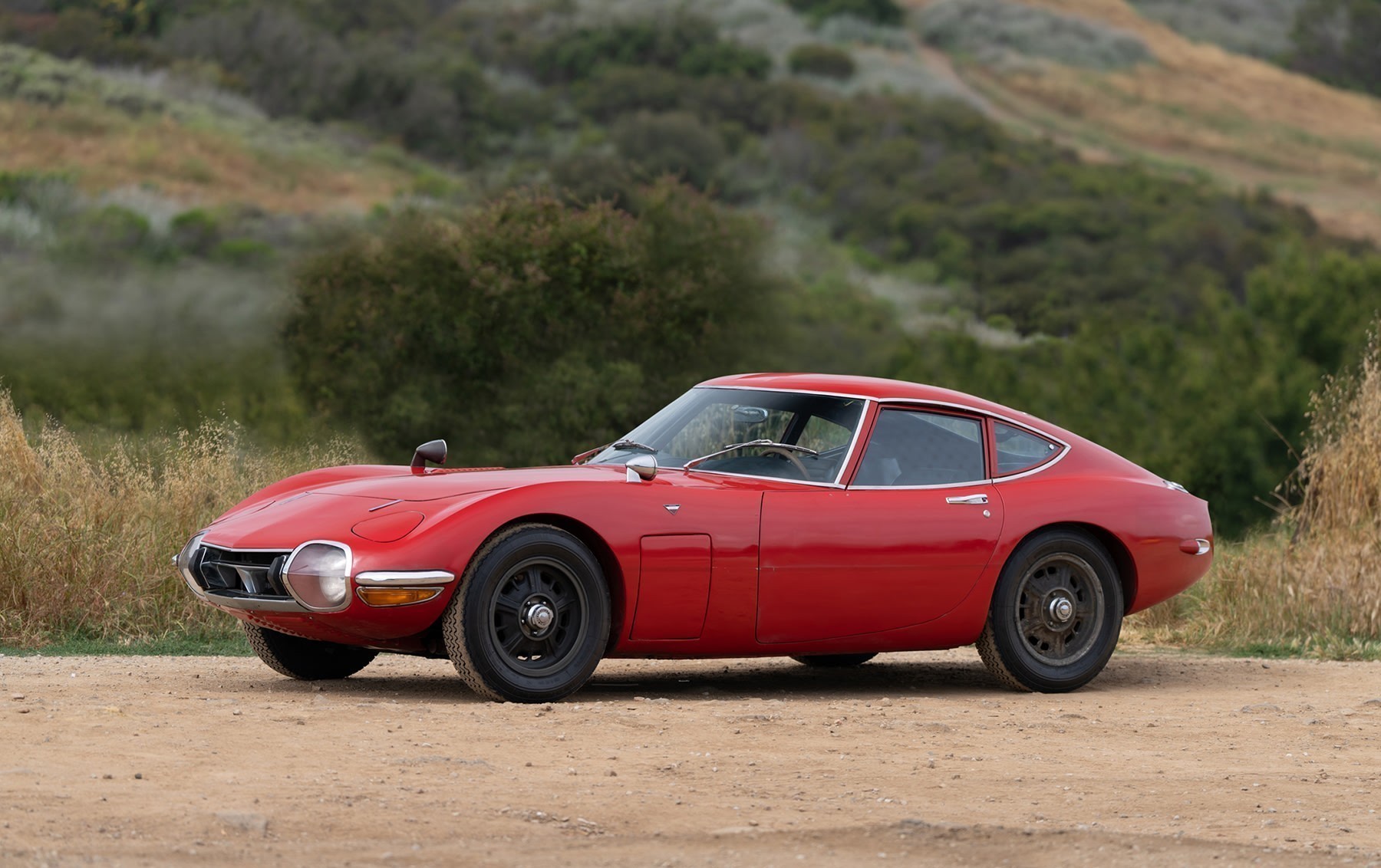
In motoring, nothing is accidental. The Toyota 2000GT reshaped the perception of where Japanese design can go. The Jaguar D-Type, with its Le Mans victories, and the Aston Martin DP215, designed purely for racing, are now considered moving testaments to automotive history. The prices they fetch at auction, attracting collectors and alternative asset investors, are unprecedented.
McLaren F1 “LM-Specification” (1994)
Sotheby’s, €19.8 million, 2019
There are only two McLaren F1 LM-Specification cars from 1994 in the world. They’re considered something like the Holy Grail for collectors of rare automobiles. Converted from a GTR race car to a road-legal vehicle and powered by a 6.1-liter BMW V12 engine producing 680 hp, the F1 LM-Spec is significantly lighter than the standard F1. The car embodies McLaren’s philosophy of maximum performance and mechanical purity and is inspired by the company’s success at the 1995 Le Mans. In 2019, it sold at RM Sotheby’s in Monaco for €19.8 million.
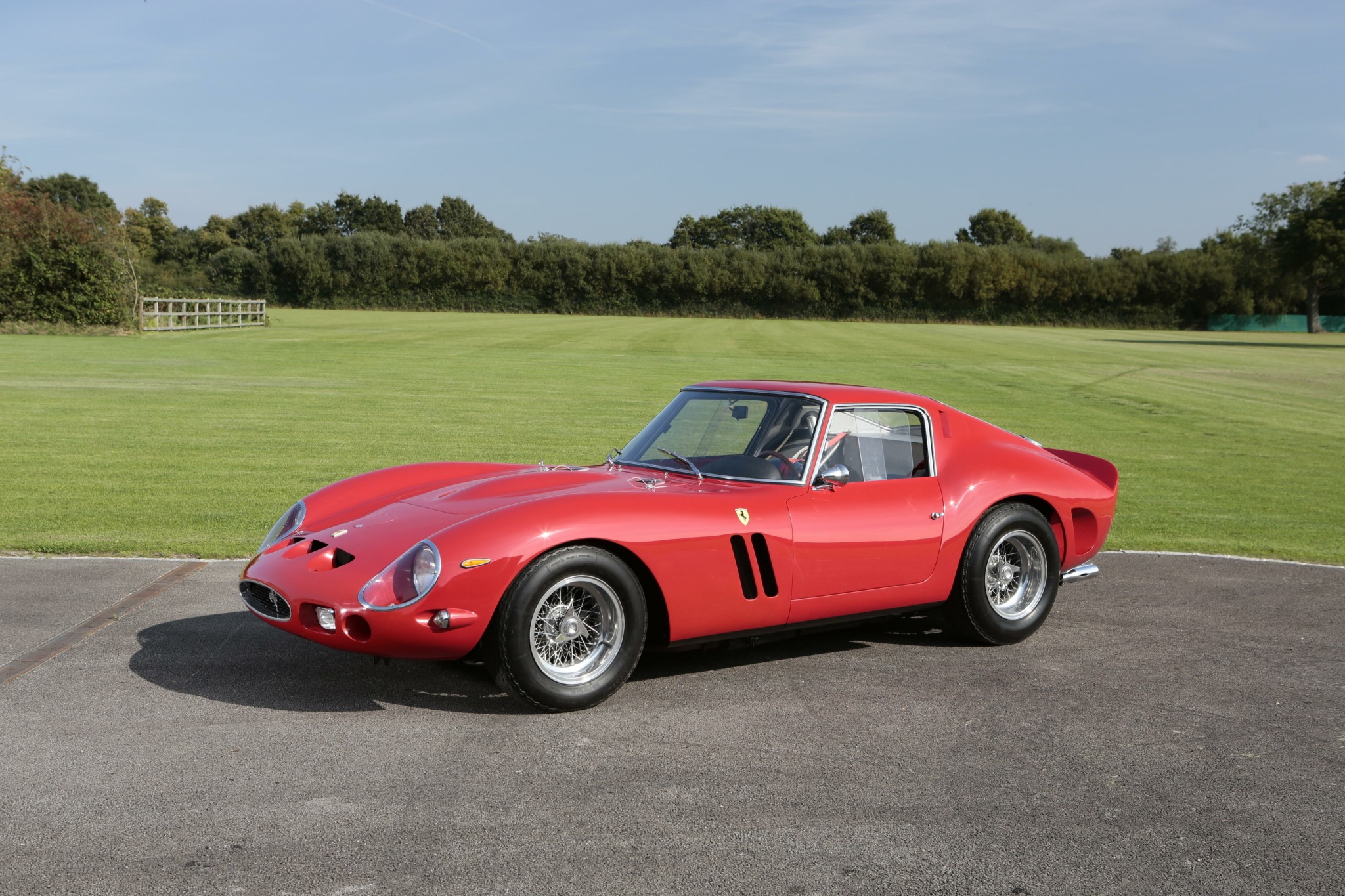
Ferrari 250 GTO (1962)
Bonhams, €44.16 million, 2018
Only 36 examples of the 1962–1963 Ferrari 250 GTO Berlinetta were ever made. Naturally, this model has a strong racing pedigree. Driven by legends such as Henri Oreiller and Jo Schlesser, and owned by prominent collectors, this lightweight, agile Ferrari with its 3.0-liter Colombo V12 engine sold for €44.16 million at a Bonhams auction in 2018, cementing its reputation as the most sought-after classic Ferrari.
Toyota 2000GT (1967)
Gooding & Company, €2.4 million, 2022
In 1967, Toyota introduced the 2000GT, Japan’s first supercar. Hand-built, with a 2.0-liter engine producing 150 hp and perfect 50/50 weight distribution designed by Yamaha, it became iconic after appearing in the James Bond film You Only Live Twice. Only 351 units were made, and today they sell for around €950,000. At the 2022 Amelia Island auction by Gooding & Company, a fully restored 2000GT sold for €2.4 million.
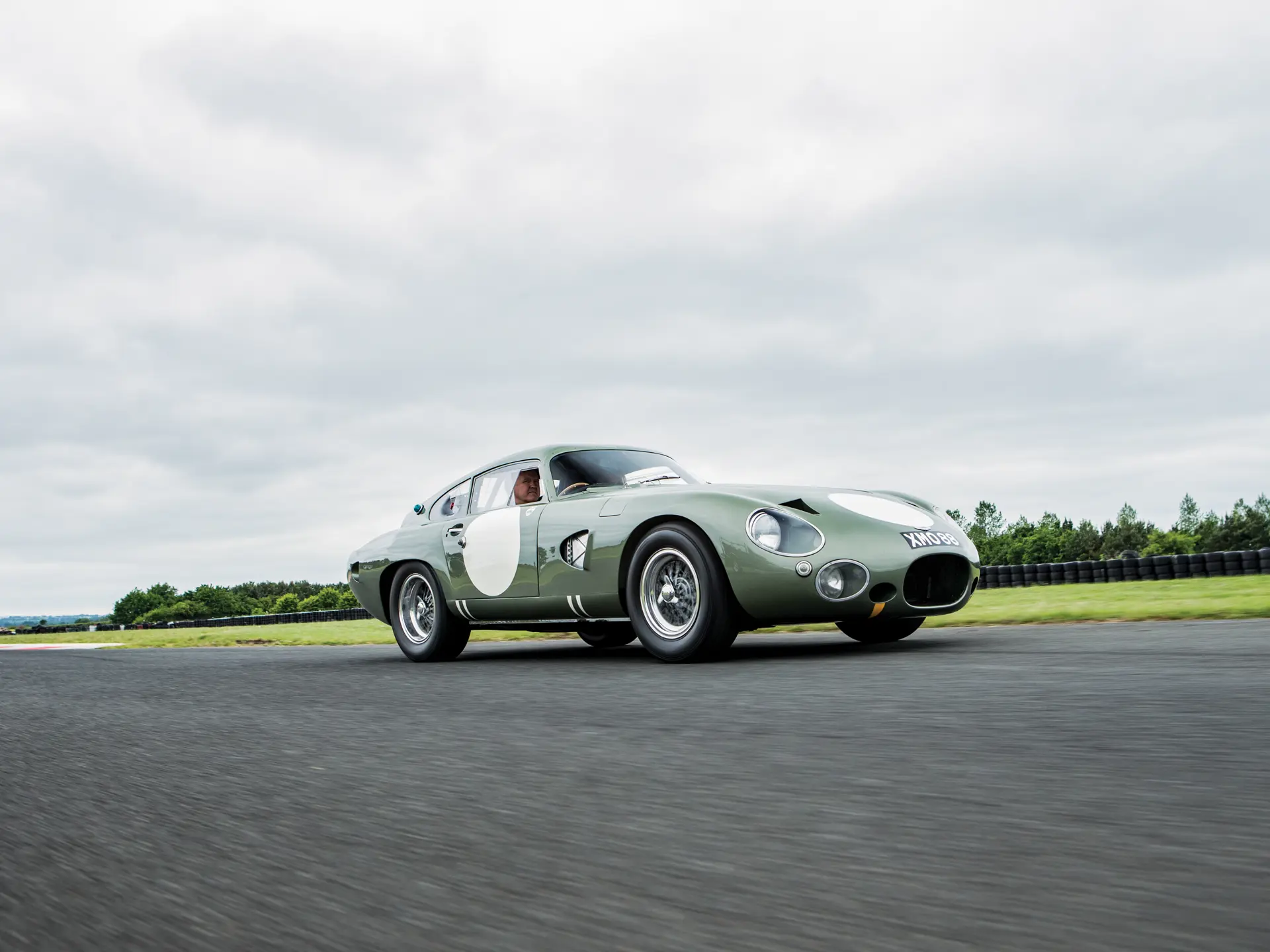
Aston Martin DP215 (1963)
Sotheby’s, €21.37 million, 2018
The last racing car in David Brown’s series, the 1963 Aston Martin DP215, was a unique prototype designed for Le Mans. With aerodynamics developed in a MIRA wind tunnel, a 3.7-liter straight-six engine producing 330 hp, and a five-speed gearbox, it was a remarkable machine. Though retired after just one race, it sold in Monaco in 2018 for €21.37 million.
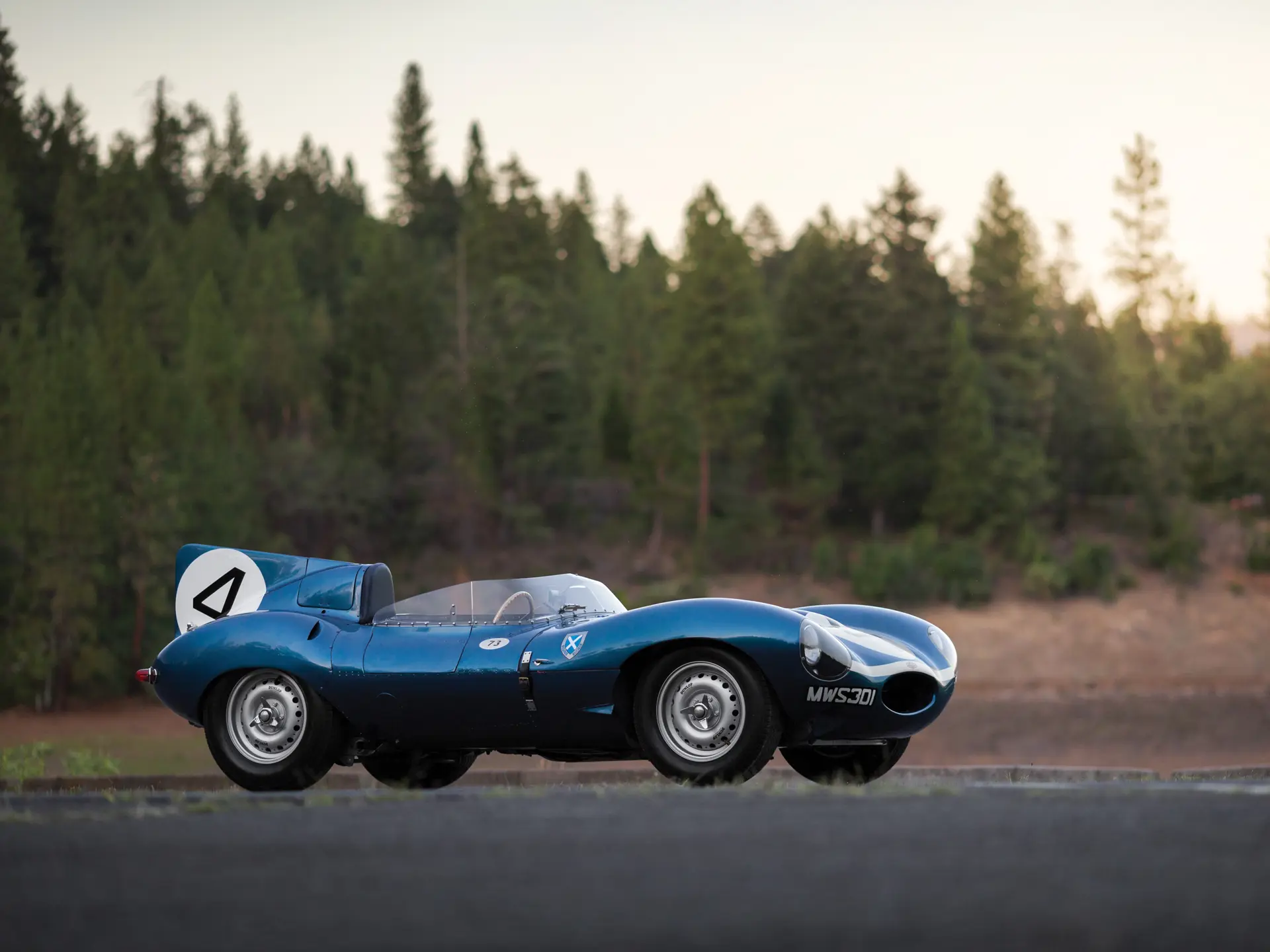
Jaguar D-Type (1955)
Sotheby’s, €6.7 million, 2016
With a monocoque body and aerodynamic design, the 1955 Jaguar D-Type was the fastest car on the Mulsanne Straight at Le Mans. This particular model, boasting a heavy history of victories, had a 3.4-liter straight-six engine producing 250 hp. It sold for €6.7 million at RM Sotheby’s in 2016.
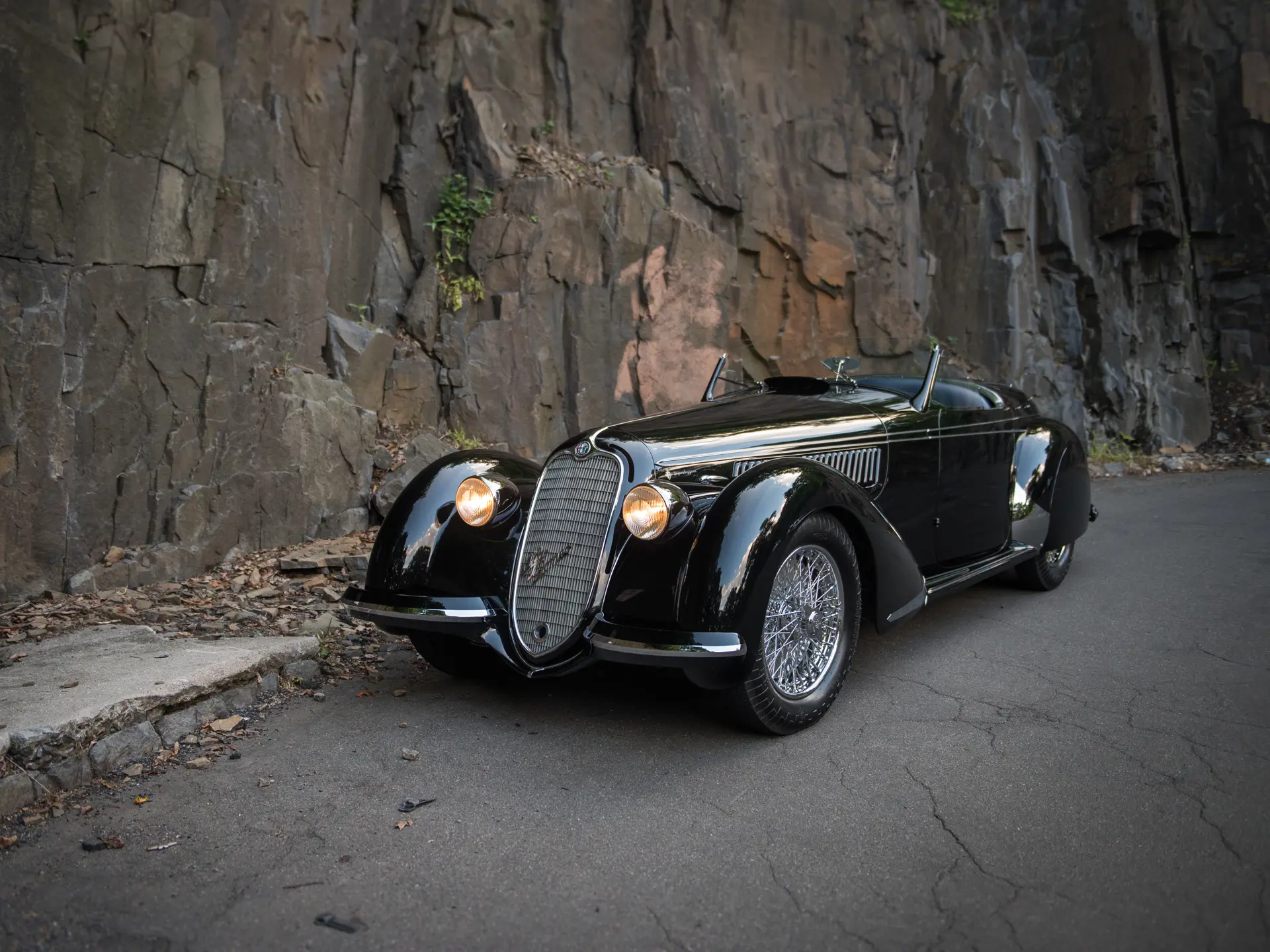
Alfa Romeo 8C 2900B Lungo Spider (1939)
Sotheby’s, €19.04 million, 2016
One of only 12 Spiders built that year, the 1939 Alfa Romeo 8C 2900B Lungo Spider features a 2.9-liter supercharged engine with 180 hp and a top speed of 200 km/h—a remarkable feat when most cars of the era barely reached 100 km/h. In 2016, one sold for €19.04 million.
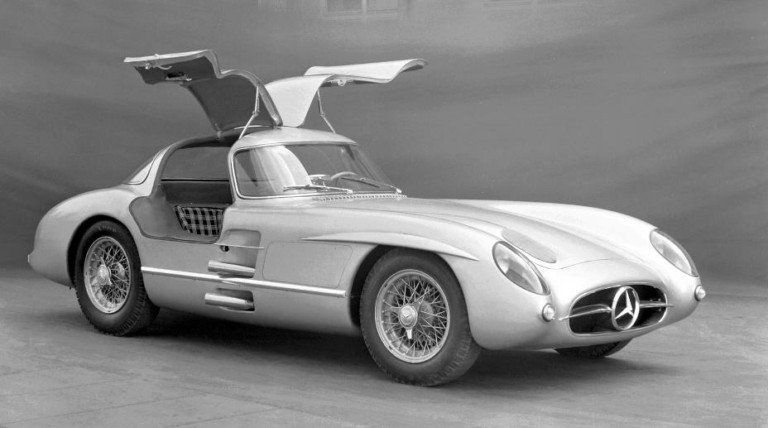
Mercedes-Benz 300 SLR Uhlenhaut Coupé (1955)
Sotheby’s, €135 million, 2022
With only two ever built, the 1955 Mercedes-Benz 300 SLR “Uhlenhaut Coupé” is considered one of the rarest and most valuable cars in the world. Lead engineer Rudolf Uhlenhaut based it on the 3.0-liter straight-eight engine from the Mille Miglia. One example sold in 2022 for €135 million, making it one of the most expensive cars ever sold.
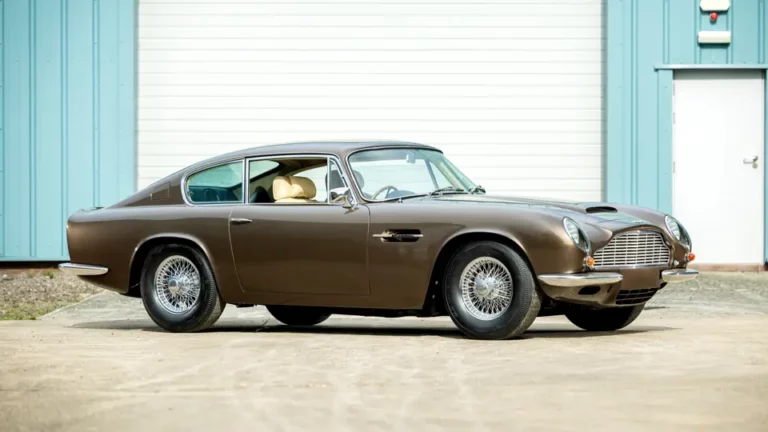
Aston Martin DB6 Mk II Vantage (1970)
Sotheby’s, €760,500, 2023
The 1970 Aston Martin DB6 Mk II Vantage (chassis DBS/5408/R) has a 4.0-liter straight-six engine producing 325 hp and was one of only 240 Mk II models. It retains its original engine and hydraulic steering and was sold in 2023 for €760,500. It is considered one of the last timeless masterpieces of the David Brown era.
Some cars are more than just machines—they bridge, for many, what seems impossible: the gap between art and engineering. If time is the ultimate judge of the cultural value of a human creation, these automobiles, beyond their performance, stand as works of art.
Ask me anything
Explore related questions