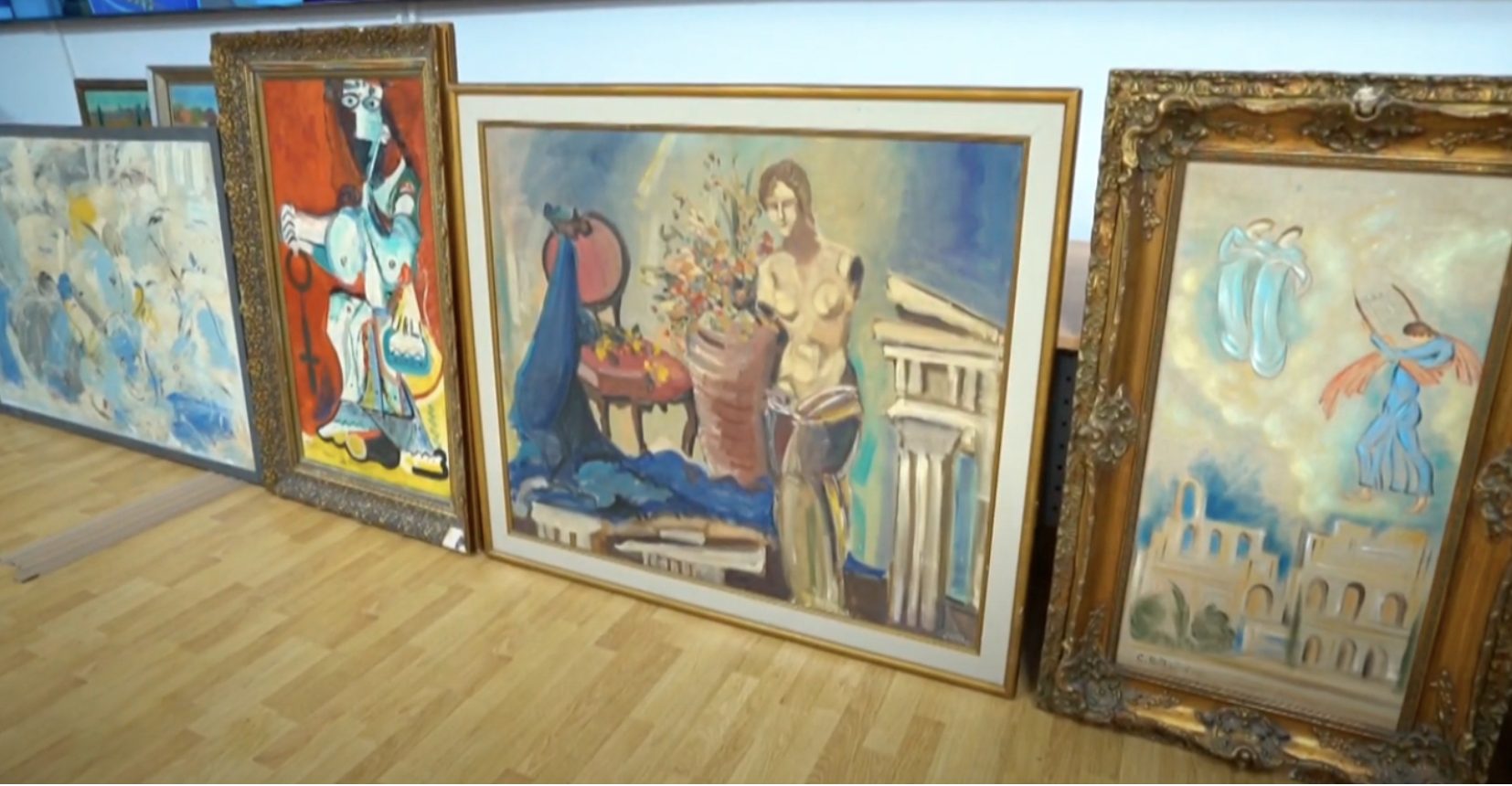
How do the networks behind art forgery and trafficking operate in Greece? The third episode of “Medusa”, presented by Marinos Aleiferis and Giannis Charamidis, highlights — through testimonies of specialists and journalistic investigation — the mechanisms of a “parallel world” where authenticity is replaced by profit. Counterfeit works circulate at auctions, in private collections, and even in galleries, creating a network that blurs the line between the genuine and the illusion.
Watch the third episode of “Medusa”:
For decades, these networks have exploited loopholes and played on the “bait” of opportunity, managing not only to extract vast sums from their victims but also to challenge the very essence of art itself. With contributions from both the special units of the Hellenic Police and insiders of the art world, the third episode of “Medusa” sheds light on every angle of an issue that is widely known yet rarely brought to the forefront.
Special thanks to our collaborators:
- Angeliki Tsoukala – Police Captain B, Department for the Protection of Cultural Heritage and Antiquities
- Angelos (Panagiotou), Painter
- Ergina Xydous, Mag. MRICS, Art Historian, Certified Appraiser
- Stelios Garipis, Lawyer – Collector
- Giannis Kalligas, Owner of Skoufa Gallery
- Thanos Loudos, Founder & Auctioneer, Loudos Auctions
- Giannis Kolokotronis, Professor of History and Theory of Western Art, Department of Architecture, Democritus University of Thrace
- Pantelis Tsatsis, Artistic Director of Art Thessaloniki, Painter
Ask me anything
Explore related questions