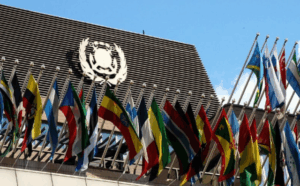
The navigation is at the center of a fierce global brawl. The International Maritime Organization (IMO) is moving forward with its new Net-Zero Framework (NZF), which aspires to make it legally binding to decarbonize the industry by 2050. The proposal, which will be put to a vote in October, includes limits on fuel intensity, a carbon pricing mechanism, and incentives for compliance – a package unprecedented for a global industry.
But the reactions are fierce. The dance was kicked off by Donald Trump, who warned that his administration would not hesitate to take action against countries that support the regulation, opening a front of geopolitical confrontation. Norwegian classification society DNV followed, criticising the IMO for “institutional romanticism” and indifference to market realities. A few days later, the American ABS sided with its positions, and the controversy dominated the London International Shipping Week.
Based on the GHG 2023 strategy, the IMO aims to reduce carbon intensity by 40% by 2030, 70% by 2040, and achieve zero emissions by 2050, compared to 2008 levels. The NZF, adopted in a first phase last April (MEPC 83), is expected to be adopted in October and implemented from 2028, covering ships over 5,000 GT.
Ask me anything
Explore related questions