At the end of January, Technicolor CEO Carolyn Parrott addressed thousands of employees and executives worldwide during a video conference, announcing the word everyone had been waiting for: “We’re back.”
Facing non-performing loans and failed restructurings, the legendary company—responsible for coloring Hollywood classics and bringing joy to billions—was once again on the brink of bankruptcy.
However, Parrott’s declaration lasted only about six weeks. In March, after more than a century of operation, Technicolor filed for creditor protection in one of the fastest and most painful corporate collapses of the last decade.
Within days, its facilities in the U.S., U.K., India, and Canada shut down, while operations in France continued amid bankruptcy proceedings. The downfall was anticipated for the historic company that had transformed Hollywood from black-and-white frames to a dazzling world of color.
The MIT Founders
Technicolor Motion Picture Corporation was founded in 1915 by MIT graduates Herbert Kalmus and Daniel Comstock, supported by skilled partners.
Their first color film, The Gulf Between, was lost in a 1961 fire at the company’s facilities. The true breakthrough came with Disney productions: The Wizard of Oz and Snow White and the Seven Dwarfs. Audiences were captivated by a vibrant new cinematic world, far more enchanting than black-and-white films.
Technicolor quickly became indispensable, with major studios like Paramount and MGM adopting its 35mm color film technology.
Triumph and Expansion
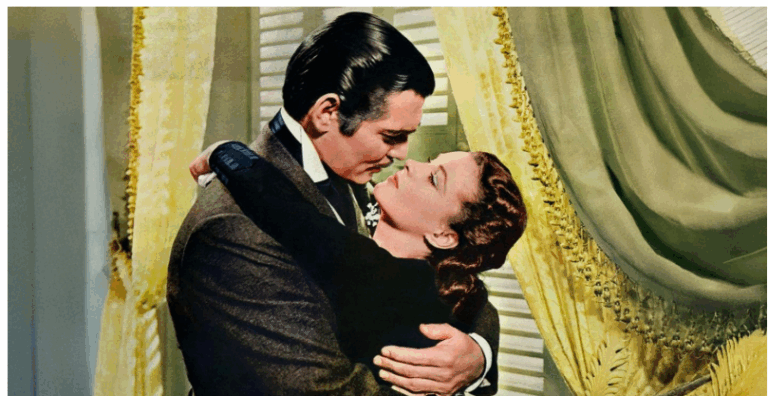
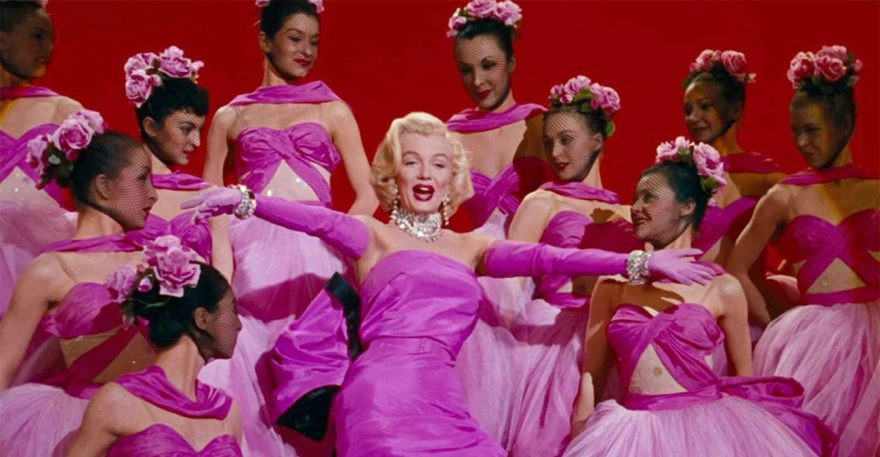
The company’s golden era in Hollywood saw blockbuster successes like Gone with the Wind and comedies like Gentlemen Prefer Blondes, starring the dazzling Marilyn Monroe. Technicolor’s name often appeared in film credits, and its color processes defined an era.
Even subtle details, like the small red flower on Marlon Brando’s jacket in The Godfather, became memorable moments of cinematic color.
Technicolor grew into a global giant, changing hands multiple times. In 1982, it was sold to a company controlled by billionaire Ronald Perelman for $100 million and resold six years later to a British firm for $780 million. The biggest acquisition came in 2001 when French conglomerate Thomson paid $2.1 billion and adopted Technicolor as a global brand.
Despite growth, poor strategic decisions and mounting debt weakened the company over time. While revenue once soared, new technologies and market shifts eventually led Technicolor down a perilous path.
Decline and Closure
The rise of DVDs initially boosted the company, but subsequent acquisitions in visual effects, such as Mill, underperformed. The COVID-19 pandemic delivered the final blow, disrupting production schedules worldwide.
Over the last two years, unpaid loans, delayed partner payments, and workforce cuts painted a grim picture. No measures could reverse the inevitable: Technicolor officially closed after completing its last projects, including the animated Lilo & Stitch and Mission: Impossible: Dead Reckoning starring Tom Cruise.
Although parts of the company were sold, most creditors are unlikely to recover funds, and employees across the U.S., Canada, India, and France were let go via email. Ironically, the Snow White remake, in which Technicolor participated, premiered in March, the same month the company officially shut down.
Ask me anything
Explore related questions