“In the event of a proven threat, we are ready to defend our people,” says NATO’s Supreme Allied Commander in Europe (SACEUR), General Alexus Grinkevitch. The U.S. Air Force General, who assumed his post last January and is visiting the new Chief of the Hellenic National Defense General Staff, General Fabien Mandon, spoke in an interview with the French newspaper Le Monde about NATO’s measures and strategies to address potential threats to member states.
On Russian drones and aircraft:
Answering a question about concerns that Russia could send drones and fighter jets into NATO airspace at will, Grinkevitch stated: “We have demonstrated our ability to intercept and shoot down such drones when they enter our airspace—as happened in Poland on September 10. At the same time, we are implementing a more flexible operational structure through the ‘Eastern Sentry’ operation, which began on September 12. Its aim is to synchronize aerial surveillance and air defense across NATO’s eastern front. It is no longer enough to ensure order at our borders. A comprehensive approach is required. Drones are a priority, and we believe stronger interception capabilities will soon be developed. The threat is present, and anything that escapes the security network could affect any of our countries.”
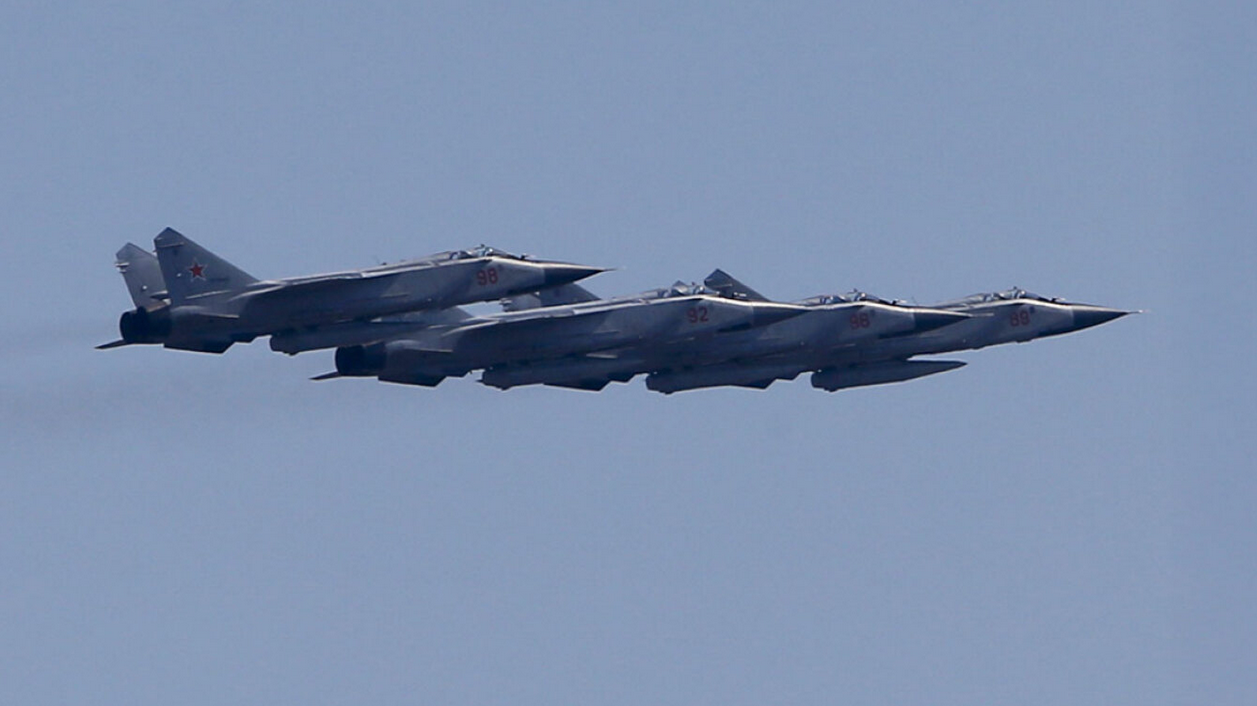
Regarding the possibility of shooting down a Russian aircraft, similar to Turkey in 2015, Grinkevitch noted that each case is assessed individually and that intercepting a drone is much easier politically and operationally. “In the case of fighter jets, the risk of escalation is significantly higher, especially if there are human casualties. However, it is certain that in the event of a proven threat, we are ready to take all necessary measures to protect our people.”
On U.S. military presence in Europe:
When asked whether the U.S. should maintain its current military presence in Europe, Grinkevitch stated: “A general review of U.S. global military presence is underway. As the commander in Europe, I submit recommendations, but the final decision is political. The U.S. is asking European allies to take on more responsibilities, as China and the Indo-Pacific region now represent a real military challenge. Adjustments will occur in Europe, but in coordination with our allies. There will be no surprises.”
On Russian aggression:
Reflecting on Russia, Grinkevitch, whose father emigrated from Belarus to the U.S., said: “I grew up during the Cold War and joined the Air Force because of the Soviet threat and my belief in our freedoms. Today’s Russia operates differently: its senior leadership encourages lower commanders to take initiatives, even risky ones. This leads to reckless actions—as we have recently seen. They do things we would never do without first considering potential losses.”
Kremlin Response:
The Kremlin described allegations of Russian aircraft entering NATO airspace as “hysteria,” a day after Donald Trump stated that NATO should shoot down Russian aircraft violating its airspace.
“There is such hysteria about our pilots supposedly violating certain rules and entering airspace,” said Kremlin spokesperson Dmitry Peskov. These claims are “baseless,” he asserted during the daily press briefing.
“Our military aviation respects all aviation rules and regulations,” he assured.
Yesterday, the U.S. president stated that NATO countries must shoot down Russian aircraft violating their airspace, following at least three incursions by Russian planes or drones over a two-week period. Russia denied responsibility each time, but NATO warned Moscow that “escalation” must stop and confirmed its readiness to defend itself by any means.
Ask me anything
Explore related questions