





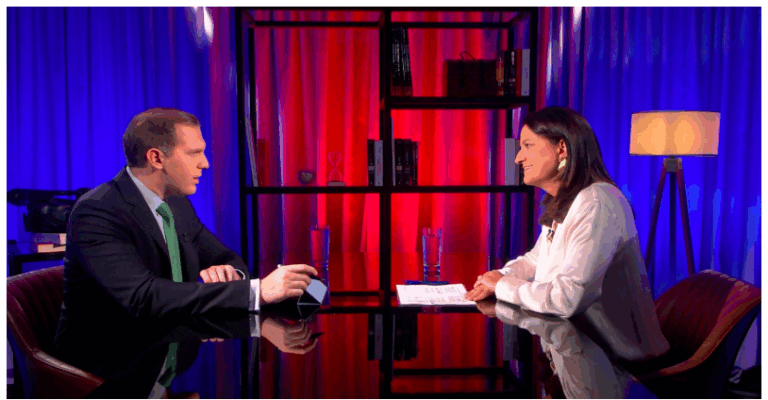
Regarding the “13-hour workday,” she explained that “this provision applies exclusively to three days per month, requires the worker’s consent, and prohibits dismissal in case of refusal.” She noted that currently, it is possible for someone to work for two employers and exceed this limit: “We ask, why shouldn’t the same option be available for one employer, with an additional 40% pay increase?” Responding to opposition claims that the bill establishes a 13-hour workday, she said: “The 8-hour day remains, as does the 5-day workweek,” reminding that similar claims were made regarding the six-day workweek: “That debate ended with the measure applying in only 0.1% of cases.”
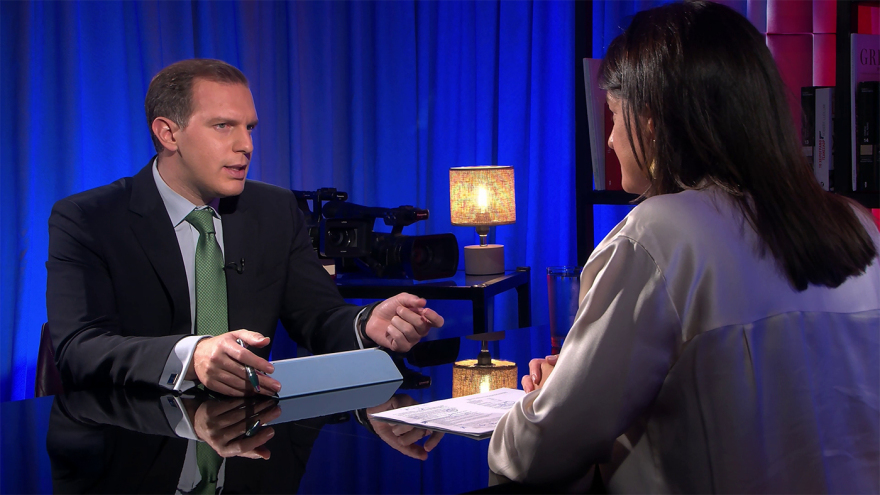
On the digital work card, Minister Kerameus stressed that it is a tool that protects workers and strengthens fair competition between businesses. From November 3, it will be expanded to additional sectors such as energy and wholesale trade, and the gradual rollout will continue. She revealed that the digital work card recorded 1.5 million more overtime hours this year compared to 2024.
Among the bill’s new provisions, the minister mentioned the extension of maternity and paternity benefits to more women, strengthening prevention of workplace accidents through a health and safety coordinator role, and reducing bureaucracy in hiring: “We are moving from four separate documents to a single unified document.”
Minister Kerameus emphasized the reduction of unemployment, presenting a new employment program for mothers with children up to 15 years old, offering subsidies of up to 80% of wage and non-wage costs. The program covers 10,000 women, and, she said, “more than two-thirds remain employed after the subsidy period ends.”
Regarding the Rebrain Greece program, the minister stated that 420,000 Greeks have returned to the country over the past decade, with more returning for professional opportunities: “Our duty is to highlight these opportunities. In December, we will be in New York targeting primarily Greek doctors, offering incentives such as zero bureaucracy since they won’t need to undergo recognition processes.”
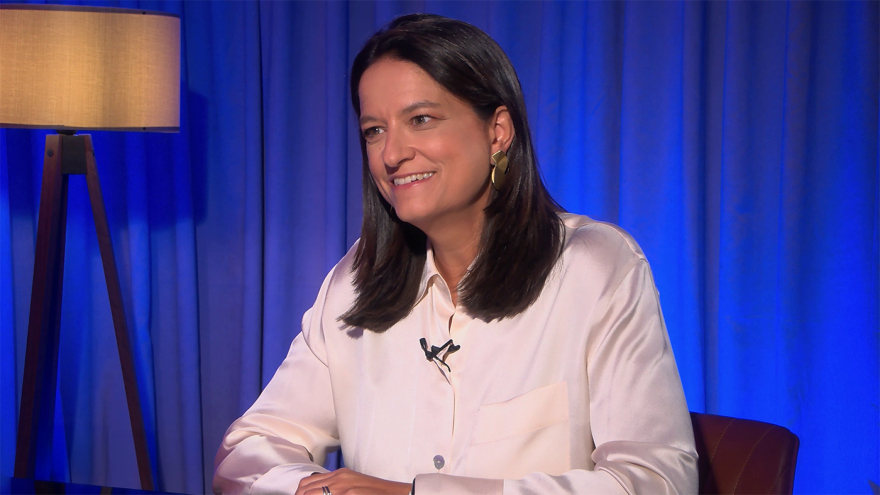
She concluded: “It is a national goal to attract back the children who left, giving them incentives to return to a labour market that is constantly evolving and strengthening.”

Ask me anything
Explore related questions




