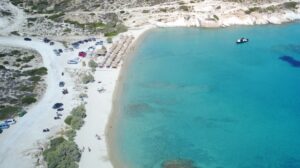
A tiny egg, only 6 centimeters long, developed into a 10.5-centimeter stingray and was released into its natural habitat, where it can grow up to 80 centimeters. Nearly half of the stingray species in Greece are at risk of extinction.
A small stingray, hatched in an aquarium in Thessaloniki for the first time in Greece, has been released into the sea, marking an important step for the “ex situ” (off-site) conservation of threatened species in the country.
Specifically, this effort, which represents only the second recorded hatch of the common stingray (Raja clavata), a vulnerable species, in a controlled environment across the Mediterranean, took place as part of the Thermaikos Biodiversity Project, implemented by the environmental organization iSea in collaboration with the Sani/Ikos Group.
How Stingray Eggs Are Hatched
According to Greece’s Red List of Threatened Species, nearly half of the stingray species in the country face extinction, with the greatest threat being accidental capture in fishing gear. Their egg cases (ovaries) often end up in fishermen’s nets, leaving no chance of survival for the embryos.
To address this challenge, over the past two years, fishermen from Halkidiki and the Thracian Sea have closely collaborated with the program.
Specifically, stingray egg cases caught in their nets are carefully collected and handed over to iSea, which transports them to a specially designed aquarium at the Sani Resort, where hotel visitors can observe them.
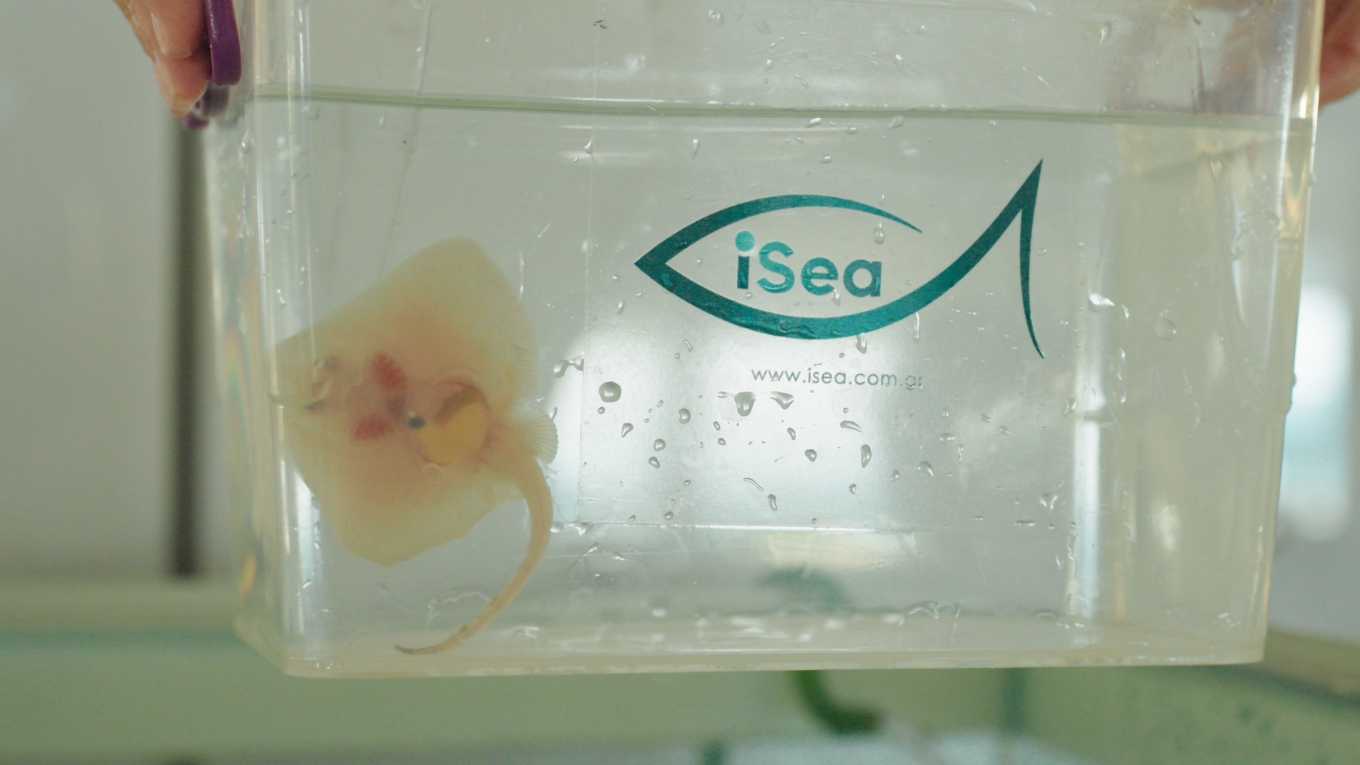
In controlled conditions, the embryos are given a second chance to hatch. A tiny 6-centimeter egg grew into a 10.5-centimeter stingray, which was then released into its natural habitat, where it can reach up to 80 centimeters in length.
This initiative relied on the expertise of the Spanish organization Associació Lamna, a partner of iSea, which has developed similar protocols for hatching eggs of threatened stingray species in the Mediterranean.
According to the environmental organization, the “journey” from the release and handover of the egg by the fisherman to iSea, to the release of the newborn stingray into the sea, was a continuous process of research, finding the right conditions, and improving hatching protocols, which will serve as a pilot for future program actions.
The project is part of the broader evolution of the Thermaikos Biodiversity Project, which began in 2021 as the Thermaikos Dolphin Project by iSea and the Sani/Ikos Group, aiming to monitor dolphin populations in the area through photo-identification and species cataloging.
The program has since expanded to include actions for the protection of marine biodiversity, restoration of threatened stingray populations, and raising awareness among local communities and visitors.
Ask me anything
Explore related questions