





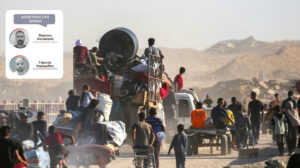
In the early hours of the newly established ceasefire between Israel and Hamas, an eerie silence has settled over the Gaza–Israel border — a jarring contrast after two years of relentless conflict. Military checkpoints remain on high alert, with both sides holding their positions in cautious anticipation. The ceasefire, reached after weeks of intense negotiations mediated by American and Qatari officials, marks the most substantial attempt yet to end the violence since the outbreak of war.
From early Saturday morning, the first convoys of humanitarian aid began entering northern Gaza. Power is gradually being restored, and Israel has announced it will allow the transfer of fuel and medical supplies into the region. Meanwhile, rescue teams from the Red Crescent and the UN have been granted access to previously unreachable zones, bringing much-needed assistance to devastated areas.
As part of the agreement, Hamas has released a group of Israeli hostages — including three children — in what Israeli authorities described as the first step in a phased process. In return, Israel is expected to release a number of Palestinian prisoners. The exchange is to continue in the coming days under the supervision of international observers.
Adding significant political weight to the fragile truce is the planned visit of former U.S. President Donald Trump to Israel on Monday. Trump is expected to address the Knesset and meet with the families of Israeli hostages. Washington has characterized his visit as a “demonstration of commitment to regional stability.” The U.S. State Department has also confirmed that American security advisors will remain in Tel Aviv to monitor the agreement’s implementation.
On the ground, the situation remains delicate. Sporadic violations have already been reported in Rafah and northern Gaza, though none so far have threatened the overall ceasefire. Israeli forces have declared they will respond “to any provocation,” while Hamas has described the situation as a “test of trust.”
The atmosphere at the border is tense and uncertain. Exhausted soldiers, anxious families, and journalists in constant readiness reflect the precariousness of the moment. Protothema’s special correspondents, Yiannis Charamidis and Marinos Aleiferis, reporting from observation points in southern Israel, are documenting every development — from the first signs of de-escalation to the inevitable tests of the ceasefire’s durability.
The coming week will be crucial. Diplomatic efforts are ongoing, mediators remain engaged, and the international community is watching closely. For the first time in months, there is a sliver of hope — but also the sobering reality that one wrong move could shatter it entirely.
Stay tuned to protothema.gr for full coverage, exclusive footage, and reports from the heart of the action.
Ask me anything
Explore related questions




