





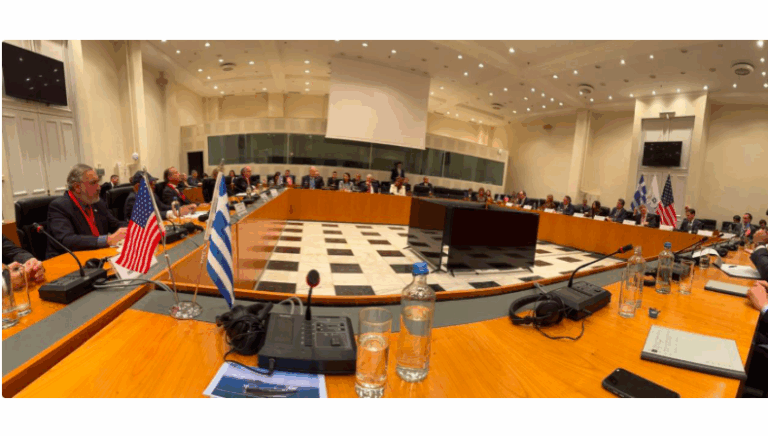
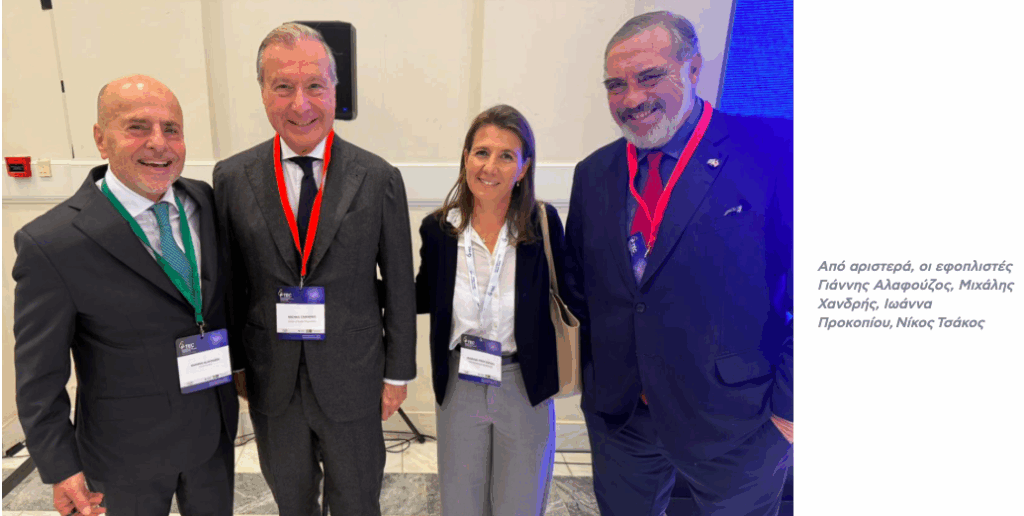
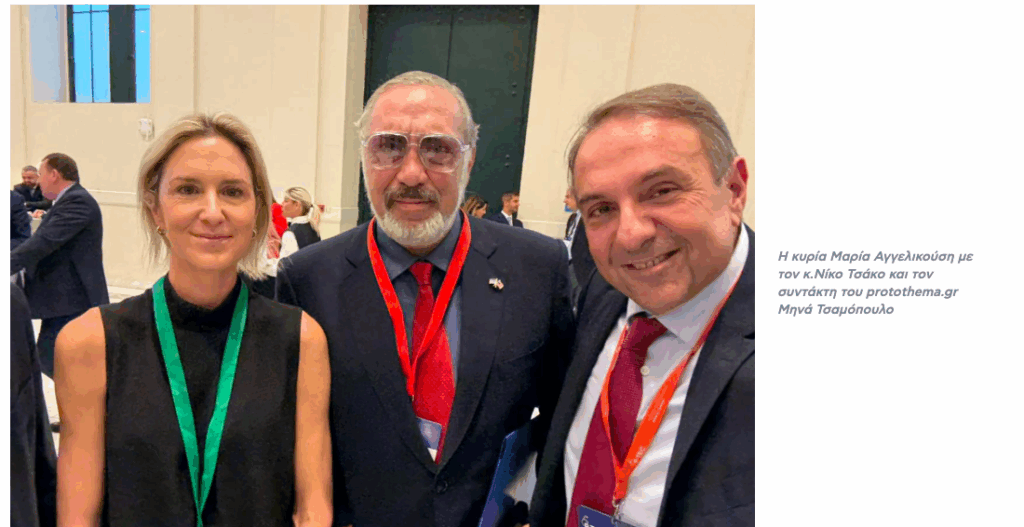
Participating in the meeting were the new U.S. Ambassador to Greece, Kimberly Guilfoyle, and prominent Greek shipowners: Giorgos Prokopiou, Maria Angelikousis, Nikos Tsakos, Giannis Alafouzos, Petros Pappas, Ioanna Prokopiou, and Michalis Chandris, Vice President of the Union of Greek Shipowners.
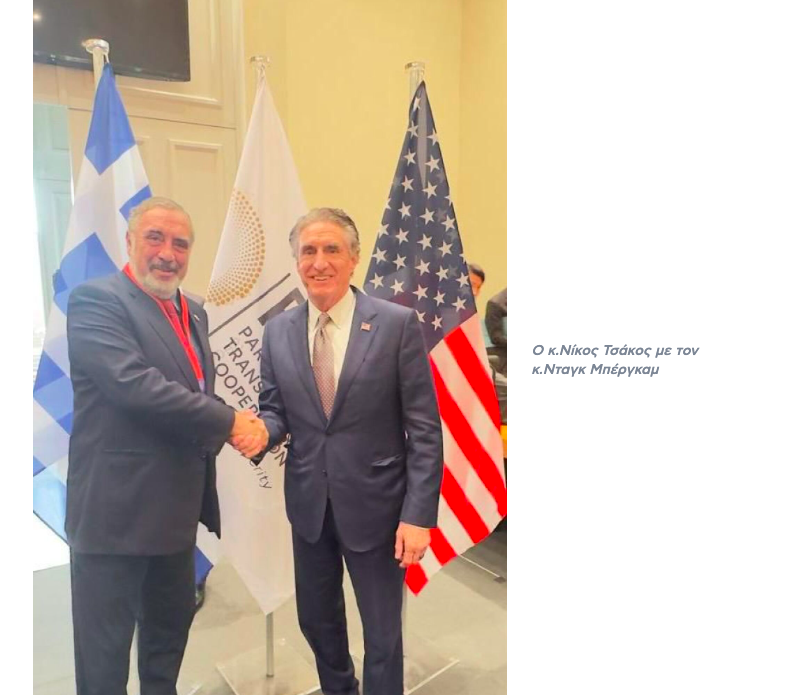
U.S. Secretary Doug Bergman opened by emphasizing the importance of collaboration with Greece amid global energy security and supply chain pressures. Referring to recent attacks on commercial vessels in the Red Sea, he noted that such instability “raises costs for the U.S. and our allies while benefiting our adversaries.”
He highlighted the need for the West to build “strategic resilience” to ensure energy sufficiency, noting shipping as a crucial link. He praised Greece, which “with a small population commands 25% of the world fleet under international shipping flags.”
Bergman stressed that the U.S. must “re-engage strongly in the shipping sector,” similar to its moves in critical metals mining, saying, “If we want a secure world, we must be present in shipping and shipbuilding.”
Greek Shipowners Speak
- Giorgos Prokopiou highlighted the historic Greece-U.S. ties from WWII to today’s geopolitics. He said, “Greece has always stood for freedom, democracy, and progress,” supporting the American initiative to “make shipping great again.” He proposed practical cooperation via a preemptive commercial arrangement allowing the U.S. to immediately utilize Greek vessels as “floating pipelines” at lower costs without waiting for shipbuilding industry rebuilding.
- Nikos Tsakos, president of Tsakos Energy Navigation, called the meeting “historic” and noted the shipping sector carries 60-80% of global goods and energy but lacks a unified political voice. He welcomed the U.S. government’s intention to refocus on shipping and reiterated Greek companies’ readiness to collaborate with U.S. shipyards and host American cadets on their vessels.
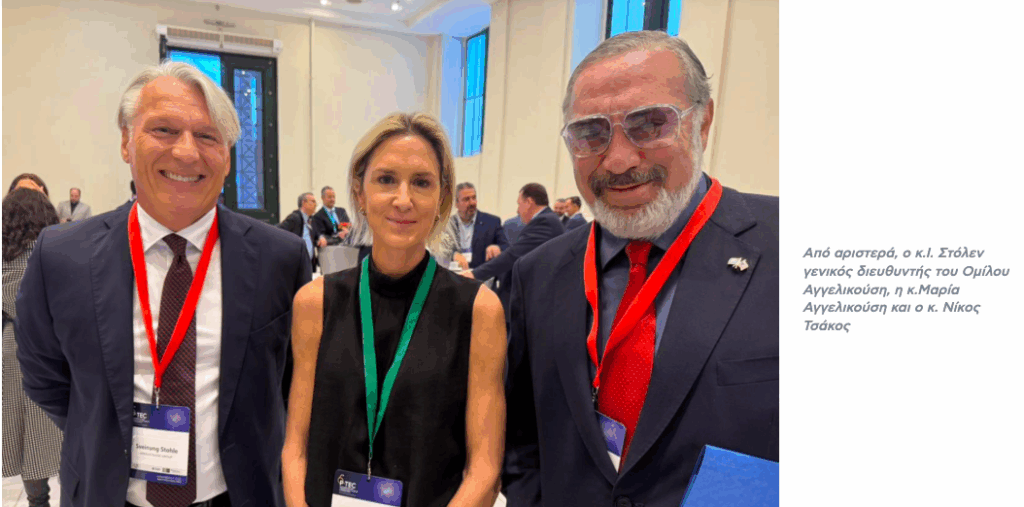
- Maria Angelikousis, head of Angelicoussis Group, spoke of the long-standing relationship between the two countries, from WWII Liberty ships to today’s cooperation in energy, security, and defense. She noted Greek shipping transports 25% of global energy cargo and 30% of goods, with many companies family-owned, agile, and highly skilled. Her company alone carried 10% of U.S. energy exports last year, with 700 secure port calls in the U.S. She emphasized the value of seafarers as “our most precious asset,” mentioning investments in training 800 cadets annually and openness to cooperation with U.S. naval academies.
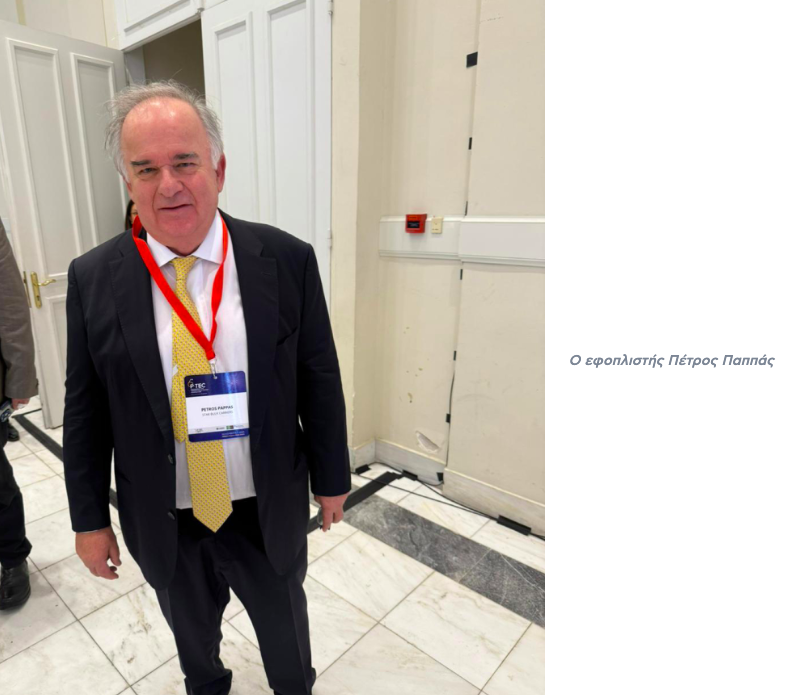
- Petros Pappas, CEO of Star Bulk, closed the session by welcoming the American delegation and stressing the historical friendship and alliance. He pointed out Greece’s fleet, with over 150 ships in his company alone, manages more than 1% of global GDP through shipping, underscoring its role as a pillar of international economic stability. He hoped this meeting would mark a new era of “genuine shipping cooperation” across the Atlantic.
Energy, Shipping, and Geopolitics: A New Chapter in Greek-American Relations
The P-TEC meeting underscored that energy security depends not just on production but on transportation. Greek shipping, with its expertise and fleet, offers the U.S. a reliable bridge to global markets. Meanwhile, Washington sees Greece not just as a traditional ally but a strategic partner in the era of energy transition and maritime resurgence.
Shipping, all agreed, is returning to the forefront of international politics — with Greece at the helm of this new course.
Ask me anything
Explore related questions




