





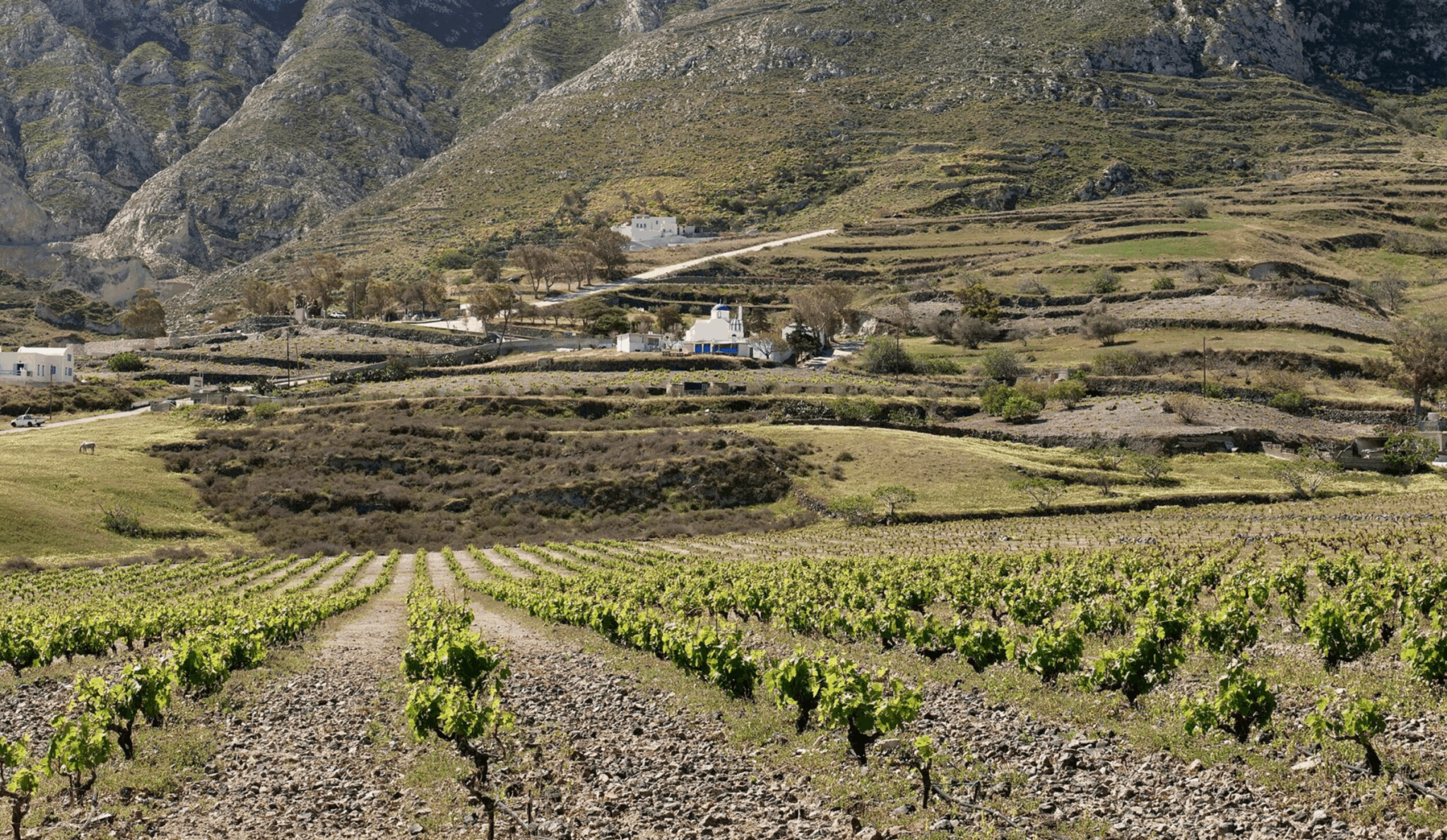
As vineyards across Europe and beyond prepare to celebrate World Wine Tourism Day on November 9, 2025, new research reveals that wine tourism now accounts for approximately 25% of wineries’ total revenues worldwide, with two-thirds of producers reporting that visits generate profit.
This annual celebration, coordinated by the European Network of Wine Cities (RECEVIN), has evolved into a global movement that unites wine-producing regions, highlighting their landscapes, traditions, and cultural identity. It embodies the combination of sustainable tourism, the preservation of cultural heritage, and the economic vitality of rural communities, while offering travelers authentic experiences that connect them directly with the land, its people, and the timeless traditions that define wine culture.
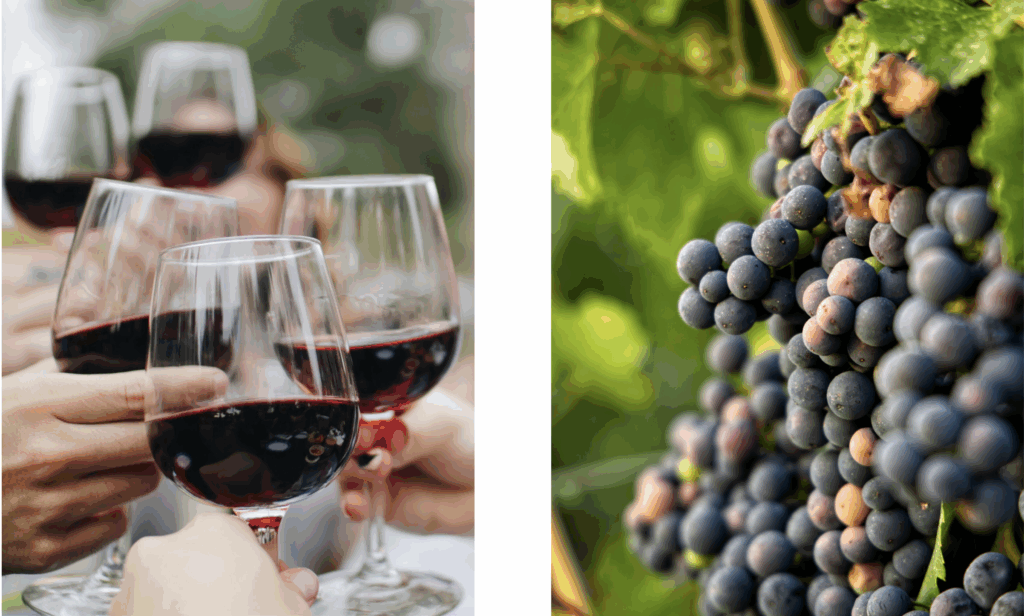
Wine Tourism as a Key Economic Driver
The recently published Global Wine Tourism Report 2025 confirms what industry experts have long suspected: wine tourism has become a key economic driver, not merely a secondary activity.
The research, conducted by Hochschule Geisenheim University in collaboration with UN Tourism, the International Organisation of Vine and Wine (OIV), the Great Wine Capitals Network, and WineTourism.com, surveyed 1,310 wineries across 47 countries.
Results show that 88% of wineries now offer some form of wine tourism activity. Wine tastings lead at 79%, followed by cellar tours (68%) and vineyard visits (61%). Wine tourism contributes an average of 25% of total winery revenue globally, with non-European producers reporting an even higher share at 32%.
This growth is accompanied by impressive profitability: 65% of wineries describe their wine tourism activities as “profitable” or “very profitable.” The report also notes that more than half of wineries plan additional investments in the sector, while 73% expect an increase in wine tourism activity in the coming years.
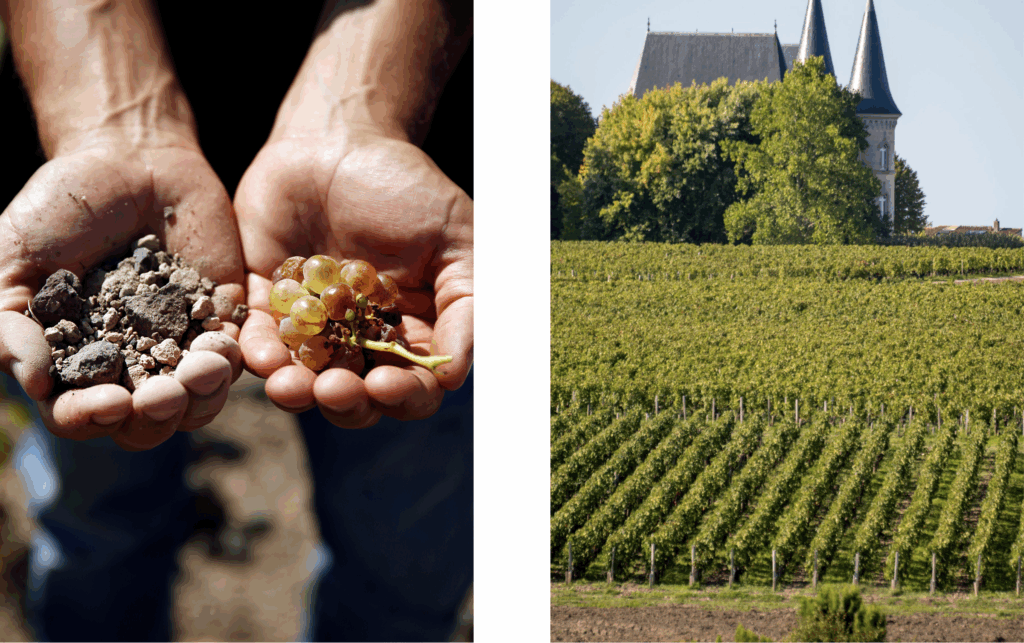
Visitor Demographics Shape Experiences
In Europe, 43% of wineries reported increased visitor numbers last year, compared to 28% in other regions. This European growth is attributed both to the continent’s developed wine tourism infrastructure and to coordinated promotional efforts by networks such as RECEVIN.
The visitor demographic presents both opportunities and challenges. The largest visitor category is aged 45–65, representing 82% of attendees. Ages 25–44 make up 59%, partially overlapping. However, only 2% of wineries report significant visitation from under-25s, highlighting the difficulty of attracting younger audiences and the need for modern approaches to inspire the next generation of wine enthusiasts.
November 9, 2025, marks this year’s global celebration, with wine-producing regions interpreting the day through their cultural lens. The day serves both as a promotional platform and as an opportunity for wineries to showcase their commitment to cultural heritage and sustainable tourism.
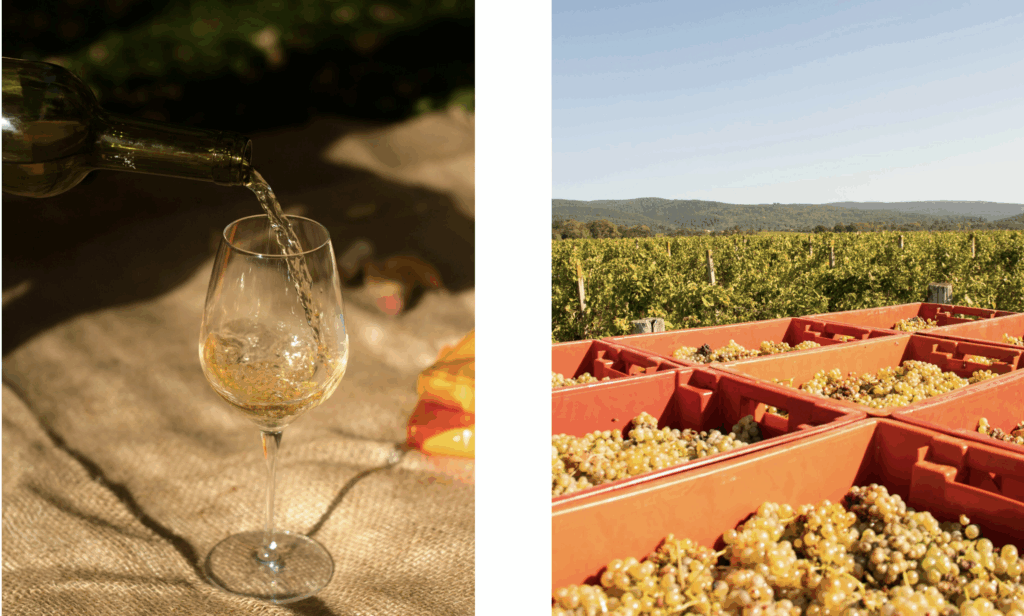
Greece as an Example of Regional Coordination
Greece provides a notable example of regional coordination. Wineries participate through thematic wine routes. Greek wine associations organize “open door” events with free entry to participating wineries. Visitors can tour vineyards, meet producers, taste new and aged labels, and learn about the recently completed harvest.
The RECEVIN Network and European Wine Cities
The European Network of Wine Cities (RECEVIN) serves as the organizational backbone of World Wine Tourism Day, coordinating celebrations among member cities while preserving each destination’s unique character.
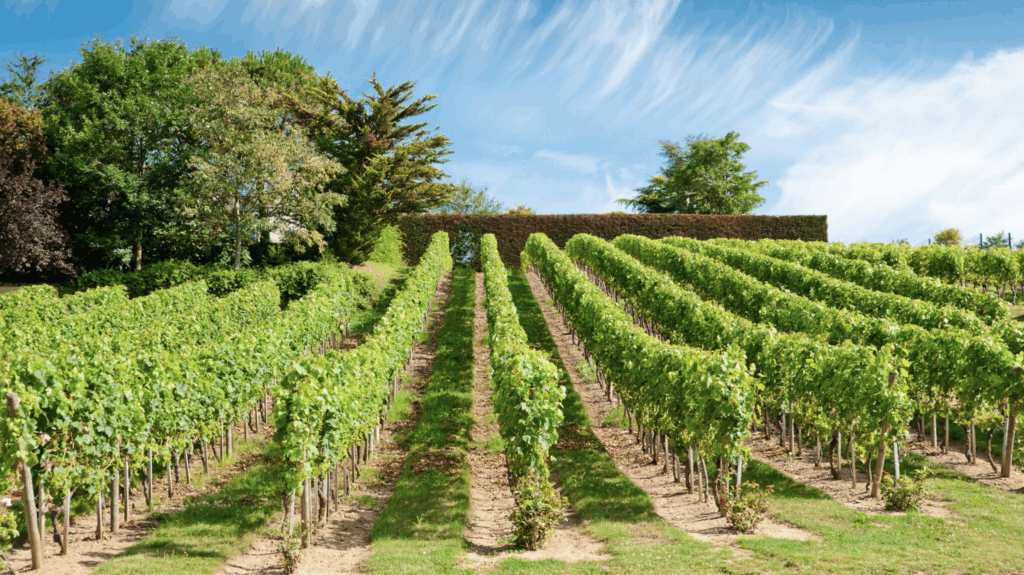
Founded to promote wine tourism and protect wine culture, RECEVIN now unites over 800 wine cities across Europe. It facilitates knowledge exchange, promotes best practices, and provides a collaborative marketing platform benefiting all members. The annual “European Wine City” award recognizes destinations demonstrating exceptional creativity and commitment to wine tradition. In 2025, this honor goes to Cariñena in Zaragoza, Spain, chosen for its holistic approach, integrating historical, cultural, and traditional elements into its wine tourism experience.
RECEVIN’s influence extends beyond November 9. The organization operates year-round, developing partnerships, organizing international workshops, and establishing shared quality standards respecting local distinctiveness. This ongoing framework contributes to the long-term sustainability of wine tourism, creating a foundation for stable growth rather than temporary promotional spikes.
Market Growth and Future Projections
Wine tourism operates within a broader market experiencing strong growth. The global wine tourism market reached $46.47 billion in 2023 and is projected to more than double to $106.74 billion by 2030, with an annual growth rate of 12.9%. Alternative scenarios suggest the market could reach $358.6 billion by 2035.
France welcomes roughly 10 million wine tourists annually, generating €5.2 billion in direct wine tourism-related revenue. Meanwhile, the Napa Valley in the U.S. hosted 3.7 million visitors in 2023, producing $2.5 billion in visitor spending and $107.5 million in local tax revenue, illustrating the strong economic multiplier of wine tourism for local communities.
These projections reflect deep shifts in traveler behavior. Modern visitors no longer seek only sightseeing—they desire experiential and cultural journeys. Wine tourism meets this need, offering hands-on engagement with rural traditions, personal interaction with producers, and authentic connections with local communities.
Sustainability as a Growing Factor
Sustainability has moved from a “special interest” to a central principle of wine tourism.
Businesses now recognize that environmental awareness and cultural heritage preservation are not merely ethical obligations but essential conditions for long-term success, aligning perfectly with modern travelers’ values.
Vineyard practices increasingly emphasize biodiversity, with producers maintaining natural habitats, reducing chemicals, and implementing regenerative farming methods. These practices also serve as an educational experience for visitors, showing how responsible land management produces better grapes and ensures the future of wine production.
Water conservation is critical, as climate change threatens traditional wine-producing regions.
Wine tourism also directly supports the preservation of intangible cultural heritage, providing financial incentives to safeguard traditional techniques, historic facilities, and local customs. When travelers pay to visit centuries-old cellars or observe traditional grape harvests, they effectively fund the continuation of these cultural treasures.
Ask me anything
Explore related questions




