






Dretta: The Backbone of Tourism Is the Hotel
“Greece Talks is a conference that leaves its own mark on tourism—an industry that greatly needs public discussion and diverse topics that, in the end, come together in a magical way to create the experience our guests have in Greece,” said Athena Dretta, President of the National Archaeological Museum of Athens.
Dretta spoke about a project she worked on with Fotis Tsimelas, during her time as CEO of Marketing Greece. They asked 50 creative people from across Greece to describe Greece in a poster. A large majority of the posters featured the sea, the sun, and summer. “We never mentioned summer in the brief; we just asked them to describe Greece, and yet they included the Greek summer in a very high percentage,” she explained.
“One essential condition for achieving tangible results in changing or strengthening a country’s tourism and cultural identity—always in combination with visitors and tourism—is collaboration,” she added.
At the same time, she emphasized, “No matter what we say about the experience, the backbone of tourism is the hotel sector, the hoteliers.”
Alexandra Cousteau co-founder of Oceans 2050 & National Geographic Explorer,” Greece has a large, vibrant sea community and must protect healthy oceans.”
Alexandra Cousteau, highlighted that Greece has a rich and active sea community, making it essential to maintain healthy oceans.
She mentioned that her grandfather’s ship was named Calypso, and her husband is passionate about philosophy. “I always think about the connection to the sea, which has shaped your culture and philosophy,” she said. However, we now live in a time defined by turmoil. “Since my grandfather began exploring the oceans, we have lost half of the species that once thrived there,” she noted, emphasizing that we still have a chance to restore them.
For a long time, the conversation focused on preservation rather than restoration—on what was lost rather than on the ocean’s wealth. The sea, even in charitable terms, is not often seen as an attractive cause.

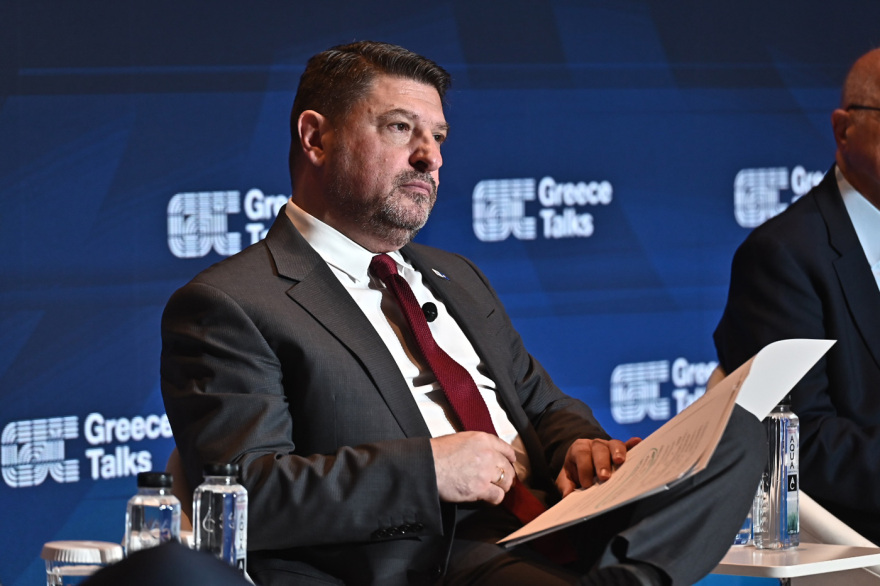
Stavros Papastavrou, Minister of Environment and Energy; Nikos Hardalias, Governor of Attica; Professor Haris Kokkosis; and Ria Vogiatzis, Founder & CEO of Elastic Architects, as they explore innovative strategies for designing sustainable and vibrant places for the next generation.
When Hardalias took office, research showed the “Attica” brand was weak internationally. The main challenge was shifting focus from just Athens to the entire Attica region as the true destination. He appointed Dimitris Fragakis to lead the development of a strategic plan aimed at increasing visitor stays and positioning Attica as a final destination, despite ongoing infrastructure challenges.
“The first meeting I held as newly elected Regional Governor was about tourism. It bothered me—and I say this publicly—that our strategy was limited to communication: photos, exhibitions, impressions. We decided that tourism is not just an image; it’s income, jobs, and development for our 66 neighborhoods. That’s why the first thing we requested was a series of studies in major cities across Europe, as well as in America and Australia, to assess our brand name. The results were disappointing,” noted Mr. Hardalias.
Attica became the first region to establish a unified management and promotion mechanism, the DMMO, to design and showcase our tourism identity.
Mr. Papastavrou emphasized that the government seeks ambitious targets while being mindful of their real impacts.
“I believe the Prime Minister Kyriakos Mitsotakis’ recent article in the Financial Times set the direction clearly: towards green and sustainable development. However, this transition should not be an end in itself. We want ambitious goals, but also a clear understanding of their actual consequences. For example, in 2005, over 60% of Greece’s electricity was generated from polluting lignite. By 2025, it will be under 9%, and by 2026, close to zero. At the same time, renewable energy now accounts for over 50% of our electricity.”
He added, “The term ‘sustainable transition’ is gaining traction in Brussels, while ‘purely green’ is heard less often. The transition must be sustainable—meaning green, competitive, and socially cohesive.”
Most importantly, he stressed, society must continue to support this major European effort toward a green and sustainable transition.

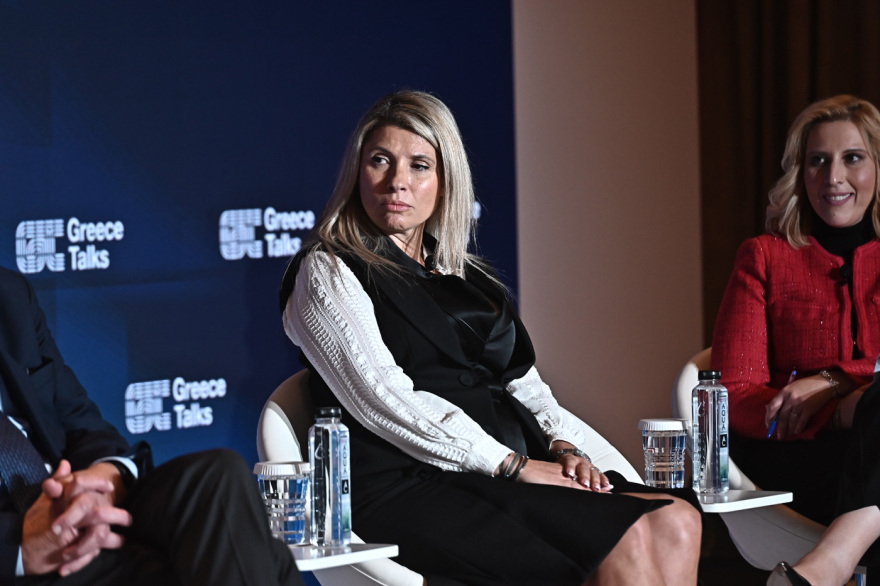
Ria Vogiatzis, founder and CEO of Elastic Architects, emphasized that modern travelers have higher expectations, and respecting local architecture has become a global trend.
“When designing a hotel within an urban environment, we consider the surrounding architecture, especially any notable buildings. We draw inspiration from the history, culture, and architecture of the region—not just Greece—and incorporate these elements into new architectural designs.”
She explained that visitors seek either authentic experiences or modern interpretations of local architecture that honor proportions, materials, and overall atmosphere with absolute respect.
Kokkosis: Connectivity of Regions is Crucial, Planning and Intervention Needed
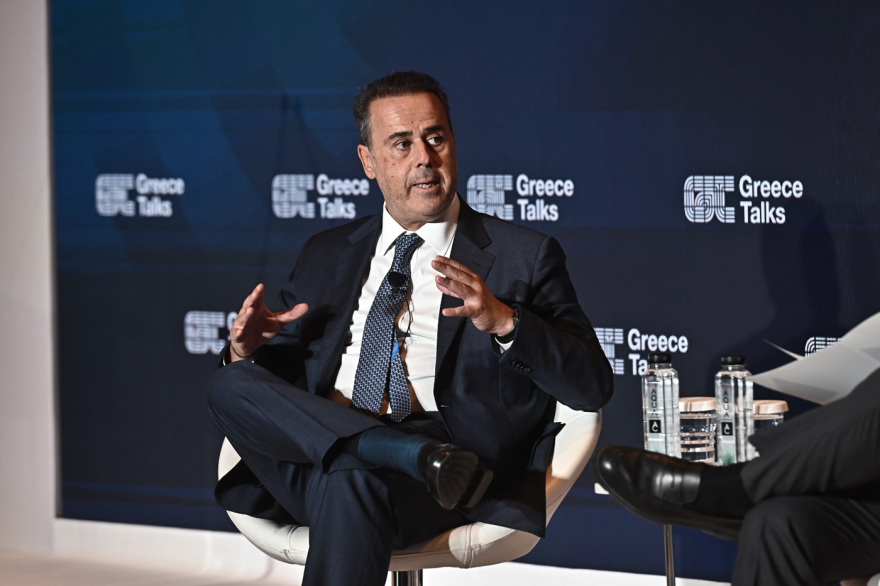
Emeritus Professor of Urban and Regional Planning Haris Kokkosis emphasized the need for an organized approach. Greece’s diverse geography—with islands, mountains, extensive coasts, and varied ecosystems—requires tailored spatial planning. He highlighted the importance of linking regions through spatial planning at both regional and national levels, involving infrastructure and clear rules on land use and development. Spatial planning is integral to development policy, ensuring activities occur in appropriate areas, and must be completed with a structured and strategic approach.
Hardalias: The Big Challenge for Attica Region is the Aenaon Project in Mesogeia
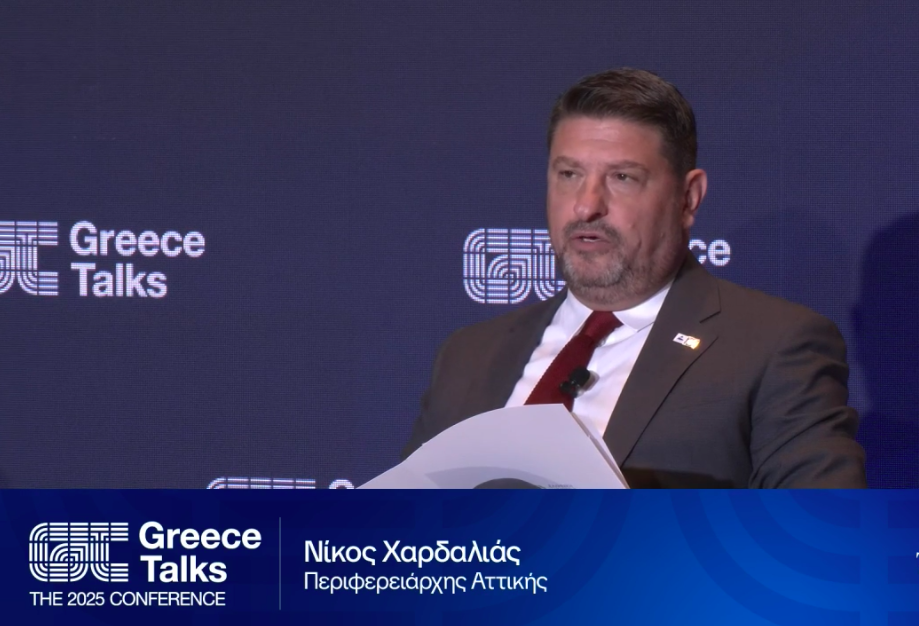
Nikos Hardalias pointed to the Aenaon urban redevelopment as the largest ever in Greece, covering 741 acres in Mesogeia. After initial setbacks and bureaucratic delays risking the project’s cancellation, strong support has revived it. The plan dedicates 75% of the area to green space, with thousands of trees and plants, recreation zones, and cultural and sports facilities, aiming to attract 3.5 million visitors annually. The project represents a vital step in reconnecting Attica to the sea and revitalizing public spaces with long-term care and strategic management, avoiding past mistakes of abandoned infrastructure.
Papastavrou: The country’s energy upgrade is a central vein of development, “The energy upgrade of our country, for me, is one of the main arteries—so that Greece can become the central vein, I would say, of development,” said Stavros Papastavrou, Minister of Environment and Energy.

The discussion on “Design, Locality, and Culture” is now beginning. Participants include Kalia Konstantinidou, Group Executive Officer of Empiria Group, and Stijn Oyen, Managing Director of Design Hotels.
Kalia Konstantinidou: We need to talk more about emotional hospitality
“Design, for us, is storytelling that honors the landscape and the people who make Greece feel timeless,” said Kalia Konstantinidou, Group Executive Officer of Empiria Group.
“In Greece and at Empiria, we must focus more on emotional hospitality — design that reflects the rhythm of real Greek life: the slowness of shared meals, the warmth of human connection, the balance of tradition and modern living. That’s the real story of Greece. Not the postcard version, but the pulse of everyday life.
“It’s time to move beyond clichés and understand new generations of travelers who seek deeper experiences. Emotional resonance matters more to them. Our hotels are becoming new cultural spaces, new hubs of life.”

Kalia Konstantinidou, drawing on her long experience in shaping hospitality deeply connected to its surroundings, opened the discussion with enthusiasm. She said she was especially pleased to share the stage with someone she knows and greatly respects. She invited the audience to welcome “a global hospitality visionary and a leader who has reshaped how hotels engage with their communities through design.”
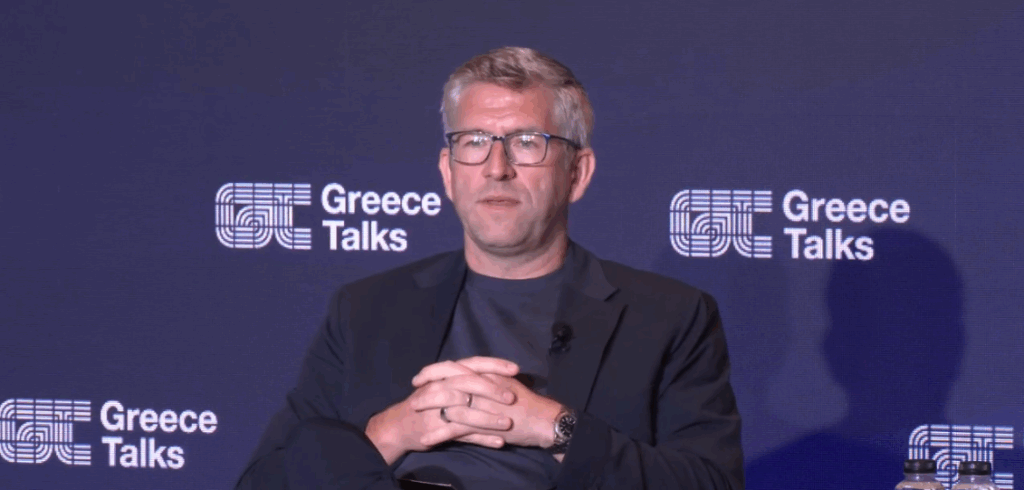
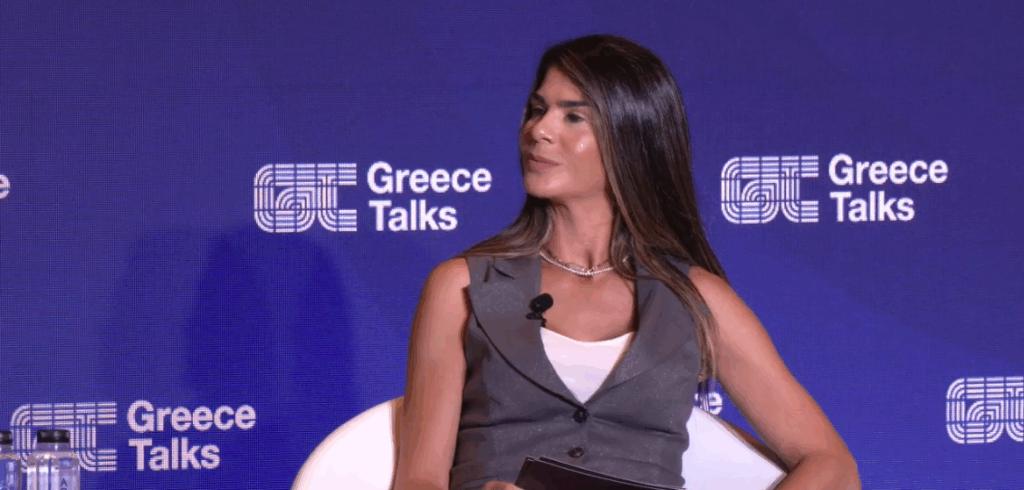
Panel “Bringing Together Government, Business & Society” at Greece Talks
Chatzidakis: Greece Will Now Track Goats and Sheep with Microchips
Finance Minister Kostis Chatzidakis said the agricultural sector is entering a more positive phase, highlighting a major change: goats and sheep will now be counted using microchips, as in other European countries, to eliminate past errors and fraudulent reporting. He explained that this year’s tight timeline requires a hybrid system for distributing subsidies—one that uses not only farmers’ declarations but also milk and meat delivery invoices and feed purchases to generate an EU-approved algorithm ensuring accurate payments. Chatzidakis expressed confidence that the sector will stabilize, noting that once the basic subsidy is paid at the end of November, the system will begin to return to normal.
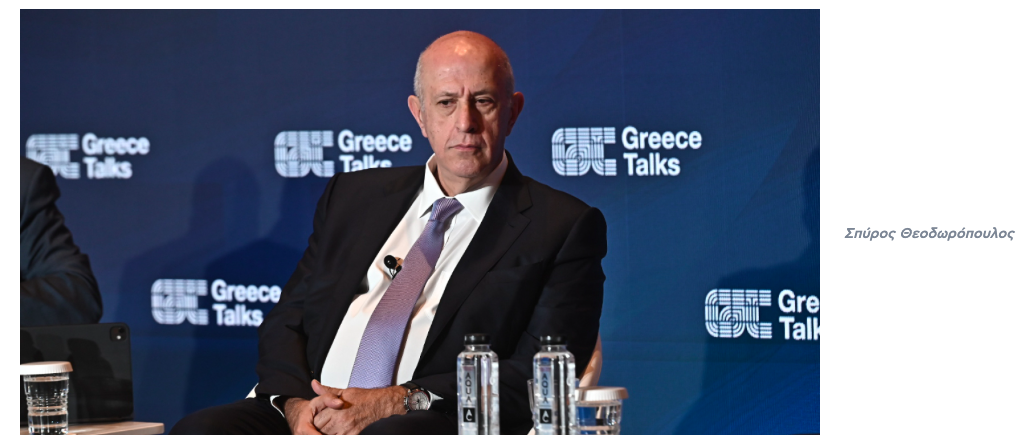
Theodoropoulos highlighted the main problems facing Greek industry: “First, energy costs—which in Greece are significantly higher than in the rest of Europe. Second, the major issue of land-use planning,” he said. He noted that both matters “are currently open” and expressed hope that they will not remain unresolved for years to come.
Tsitsiragos: Technology Is Useful, But Criticized for Being Impersonal
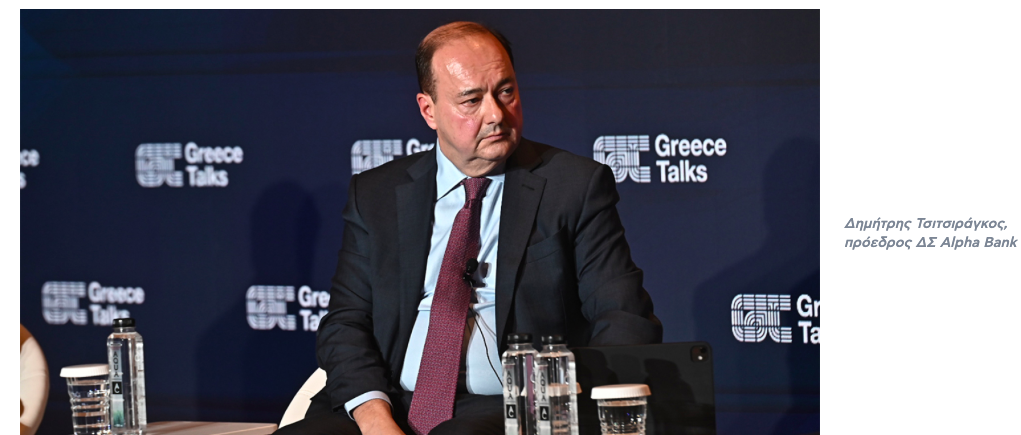
“Banks have been blamed for more than they deserve. They are a pillar of the economy,” said Alpha Bank chairman Dimitris Tsitsiragos. “The challenge is regaining the trust of citizens and our customers, and that starts with truly understanding their needs.”
He acknowledged both the benefits and the criticism surrounding technology: “Technology has helped us make transactions faster, but we are criticized for becoming more impersonal. Customers’ lives are easier, but they still need human interaction. Technology is good, but without a human touch it doesn’t work. That’s what we are trying to improve—and that’s what will make the difference.”
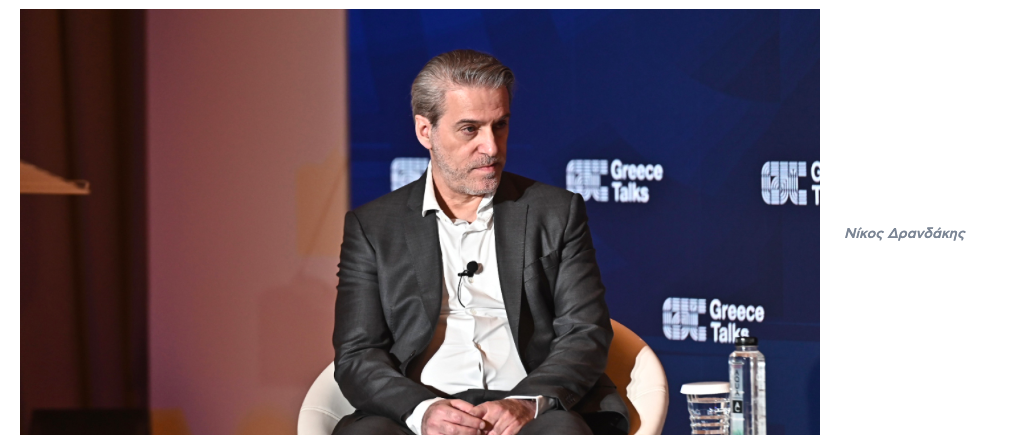
“When we first started, there was no funding,” Drandakis said. “Over time, the money came—but funding is necessary, not sufficient, for building a modern ecosystem.”
He emphasized that the challenge is not only Greek but European: “The real issue is how we build an ecosystem. All the major capital and talent is in the U.S. and China—and again, this comes down to regulation. The EU rushed to create an AI regulation before we had even seen AI technologies in Europe.”
According to Drandakis, Europe tends to regulate entrepreneurs at every opportunity instead of encouraging them: “Europe is on a downward trajectory.”

Tsitsiragkos: Small and Medium-Sized Businesses Need a Shift in Mindset
“As a bank, SMEs are our priority—they are our core clients,” Tsitsiragkos noted. “The problem is that a change in mindset and approach is needed. Many small and medium-sized businesses are unable to secure financing because they carry tax or social security debts, or face issues of transparency, unlike large companies.”
He added that innovation is not limited to startups, “but even there, we cannot provide direct financing.” Still, he emphasized that the bank has allocated capital to support this ecosystem, which he believes holds strong potential for Greece.
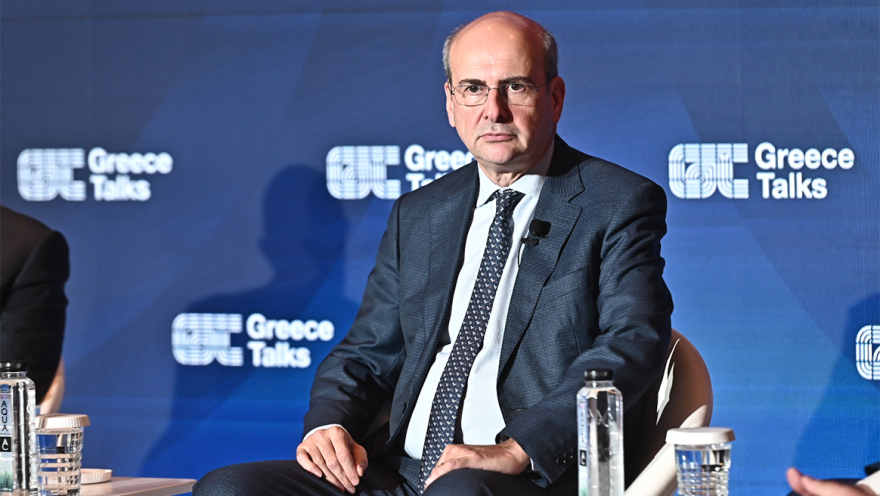
At the Greece Talks conference hosted by Travel.gr and Proto Thema, key figures including Kostis Hatzidakis, Minister of National Economy and Finance, Spyros Theodoropoulos, President of SEV, Dimitris Tsitsiragkos, Chairman of Alpha Bank, and entrepreneur Nikos Drandakis participated in a panel discussion moderated by journalist Babis Koutras.
Nikos Drandakis highlighted the challenges of innovation, noting that while technology transforms markets and offers huge societal benefits, it often disrupts established interests and faces regulatory hurdles—particularly from the public sector. He pointed to examples like Tesla’s advancements in safer, more affordable transportation as models for innovation that need smoother implementation.
Kostis Hatzidakis emphasized the positive impact of the European Recovery Fund on the Greek economy, describing it as a crucial, though demanding, initiative accelerated by the pandemic. Greece ranks among the top countries in fund absorption relative to GDP, with progress accelerating toward the program’s final phase. Hatzidakis stressed that the Recovery Fund drives important reforms, such as the integration of POS systems with cash registers, which he framed as advancing social fairness.
The discussion underscored the need for ongoing reforms in public administration, justice, and taxation to support sustainable growth and innovation in Greece.
Dimitris Tsitsiragkos, Chairman of Alpha Bank, highlighted that the bank has invested €3.5 billion in projects with broad benefits, including regional airports, the refinancing and expansion of Venizelos Airport, and major roadworks like VOAK and the Pylos-Methoni route. While many reforms have already attracted investments, he stressed the need to continue focusing on reforms, prioritizing the public sector, justice system, and taxation. Additionally, he emphasized the importance of strengthening the banking ecosystem.
Spyros Theodoropoulos, president of the Board of SEV, emphasized the need for speed in the administration of justice, highlighting that while Greeks work more than other Europeans, the focus should be on what they produce—whether high or low value products—and the role of the public sector in this effort. He noted that although many reforms have taken place in recent years, more are needed, with justice system efficiency being a top priority. Meanwhile, Kostis Hatzidakis commented on the Recovery Fund, stating that progress is accelerating towards the end, with coordinated efforts mainly led by the Ministry of Finance, focusing on two main sectors as originally planned.
Guilfoyle expressed a strong desire for President Trump to visit Athens, highlighting Greece’s geopolitical importance and generosity in defense cooperation, including increasing NATO allies’ defense spending to 5%. She emphasized upcoming visits, including Secretary Rubio’s, as signs of the strong, unbroken U.S.-Greece relationship, saying, “The sky is the limit.”
The US Ambassador announced an upcoming visit of the U.S. Secretary of State, Marco Rubio, to Greece.
Guilfoyle: It is an honor to support the training of Greece’s Armed Forces
The U.S. ambassador expressed pride in assisting with the training and development of Greece’s military, emphasizing that this collaboration deepens the U.S.-Greece partnership and contributes to regional stability.
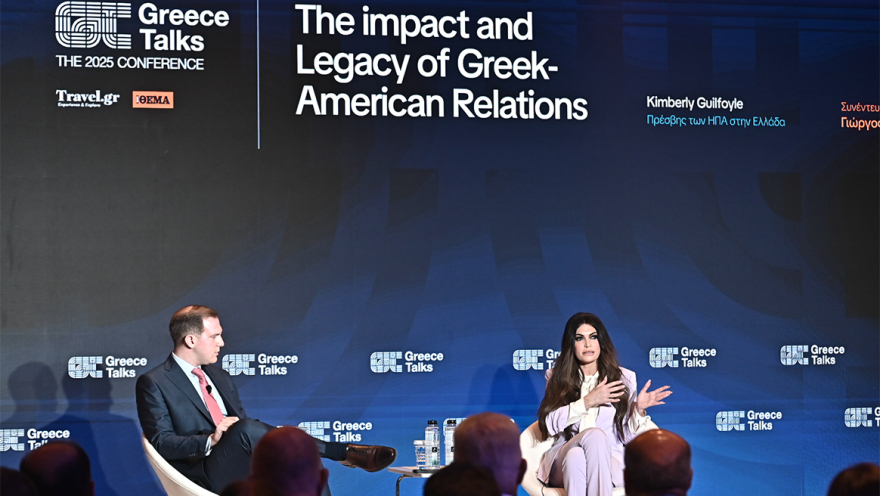
Personal relationships are key to cooperation
She stressed the importance of connecting with the right people and maintaining open communication to improve collaboration. After consulting Greek shipping families, she shared an example when a ship owned by her friend Marianna Latsis was attacked in the Pacific, and a Spanish-flagged vessel offered help. Guilfoyle emphasized that when she makes a call, she expects action, highlighting that personal relationships are crucial for effective cooperation.
The 3+1 framework: “It’s not a one-time effort”
She emphasized that the 3+1 cooperation will continue next quarter and year, sending a clear message about Greece’s energy focus. She highlighted ongoing projects in energy, trade, and defense, expressing excitement about working with Greek shipowners. Guilfoyle also hinted at upcoming announcements related to partnerships in shipbuilding, training, and education, noting her extensive engagement with maritime companies and Greek shipping leaders.
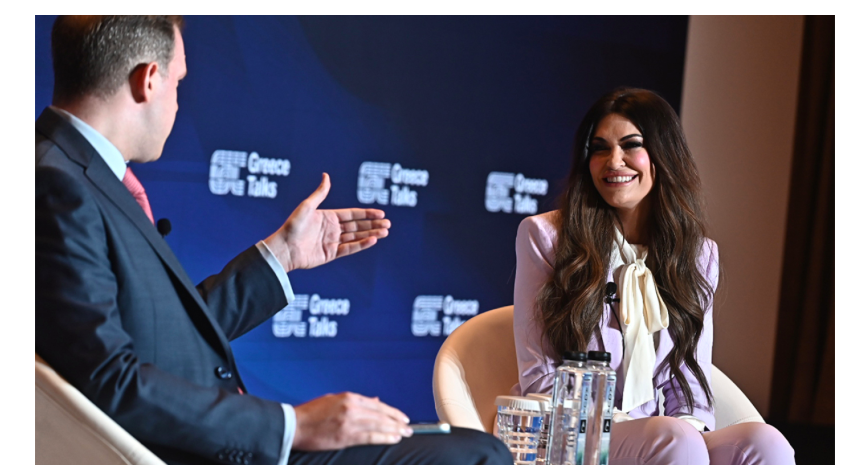
Guilfoyle: Exploring new opportunities to collaborate on the Port of Piraeus
Asked about COSCO’s role at the Port of Piraeus, the U.S. Ambassador noted Greece’s past economic challenges. She said she is exploring new ways to deepen cooperation at the port, highlighting the strategic importance of Greece and the Eastern Mediterranean. With support from Stavros Papastavrou, they have been preparing initiatives for the past ten months involving commitments and U.S. companies. She emphasized that Greece remains one of America’s key allies.
Guilfoyle: Greece-US agreements are not symbolic
“We have real results. These agreements are not symbolic. We focus on key issues to help Greece achieve energy sovereignty and strengthen bilateral relations. So, buckle up, because we’re about to take off,” she said.
The US Ambassador expressed her commitment to advancing energy cooperation between the US and Greece, announcing upcoming visits to Thessaloniki, Souda in Crete, and Alexandroupoli to assess infrastructure needs. She emphasized her desire to bring something meaningful to the Greek people who warmly welcomed her. Reflecting on her move to Athens, she described it as remarkable and praised the hospitality and vibrancy of Greece, even saying it surpasses New York. Guilfoyle also shared her deep appreciation for Greek history, which she studied extensively.

Kimberly Guilfoyle praised the strong US-Greece relationship, calling it beneficial not only for both countries but for the world. She highlighted their alliance goes beyond politics, emphasizing shared values like freedom and democracy as the foundation. Guilfoyle mentioned cooperation in areas like shipbuilding and infrastructure, stressing the deep cultural and people-to-people ties that strengthen the partnership. She concluded by urging continued unity and purposeful collaboration to achieve meaningful results.
U.S. Ambassador to Greece Kimberly Guilfoyle speaking at the travel.gr conference. She arrived early from the UK and greeted Prime Minister Kyriakos Mitsotakis.

Bezos said there are no magical solutions to the demographic issue. It’s not just about economics but also insecurity about the future. He stressed that retirement shouldn’t mean ending activity, criticizing the outdated idea of retirees living in the past.
Giannis Bezos criticized Alexis Tsipras for writing a book while still active in politics, suggesting such reflections are better suited for later in life and questioning the need for its formal, grand presentation. Kyriakos Mitsotakis echoed this skepticism, saying Tsipras’ book isn’t a priority for him and that political figures should write their stories after leaving office. Mitsotakis emphasized that politicians’ histories are best told through their actions while in office and judged by others afterward.
Mitsotakis addressed Greece’s demographic decline, stressing it mirrors broader Western trends of low birth rates driven by economic and social factors. He highlighted challenges for pensions and healthcare due to an aging population and improved life expectancy. He emphasized the need to tackle these issues now, noting that even a sudden birth rate increase wouldn’t impact the workforce for decades.
Bezos called Athens’ traffic its biggest current problem but also spoke strongly against gun violence, calling it unjustifiable and a sign of ignorance and cowardice. He criticized the glorification of armed heroes from the past and said society has become too accustomed to guns. He stressed that the era of gun use as a symbol of masculinity must end.
Mitsotakis reflected on his own world travels 30 years ago and highlighted current initiatives supporting youth travel, including a 150-euro travel and culture grant. Despite criticism, he stressed the goal is to give young people the opportunity to explore both Greece and abroad.
Mitsotakis addressed issues of gun ownership, traditions, and recent crime in Crete, calling the practice of firing guns in celebration a “primitive custom” that the state will no longer tolerate. He emphasized zero tolerance policies and clarified that gun use must follow legal regulations. Referring to a recent murder, he rejected it as a “honor crime,” calling it a cold-blooded killing. Mitsotakis urged society to leave behind outdated customs and focus on Crete’s rich cultural heritage.
Bézos highlighted that while society focuses on youth violence, adult violence is often ignored. He emphasized that education goes beyond schools, involving family, media, and social interactions. He also criticized linking social success solely to academic achievement.
Mitsotakis emphasized careful reform of the high school system, highlighting the school’s role beyond academics, including tackling bullying. He announced that the Education Ministry will soon present options for changes but stressed preserving the valuable aspects of the national exams rather than rushing to abolish them.
Welcome remarks by the people of Travel.gr

The first discussion begins
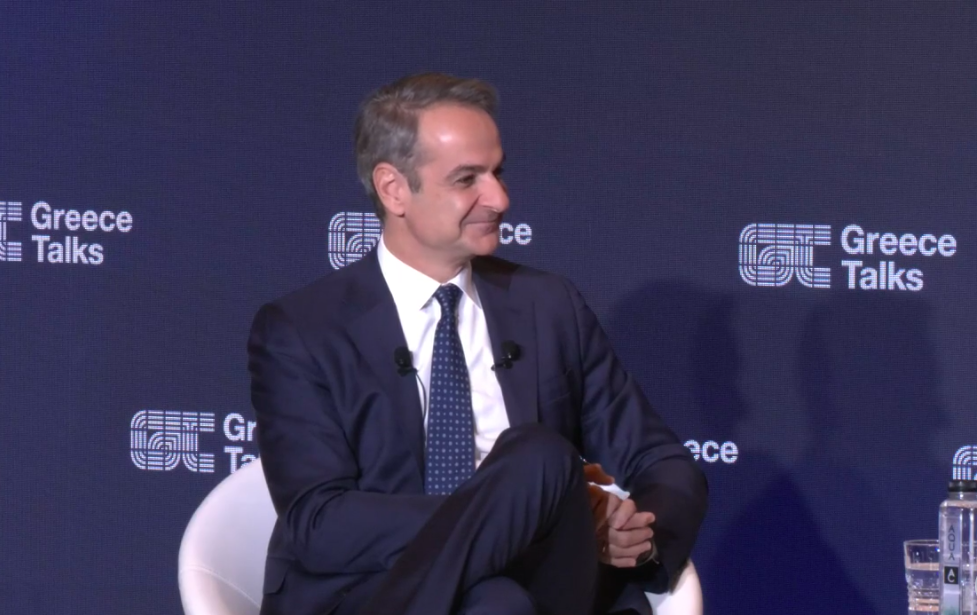
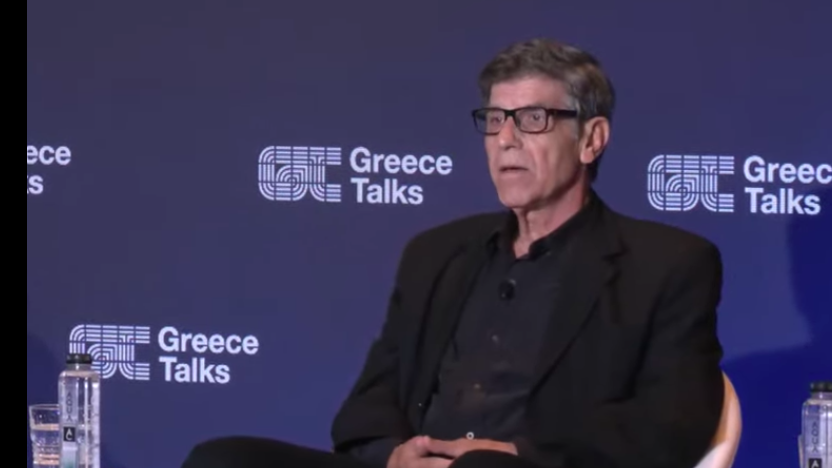
The Prime Minister, Kyriakos Mitsotakis, talks with actor and director, Giannis Bezos. Moderated by Antonis Sroiter.
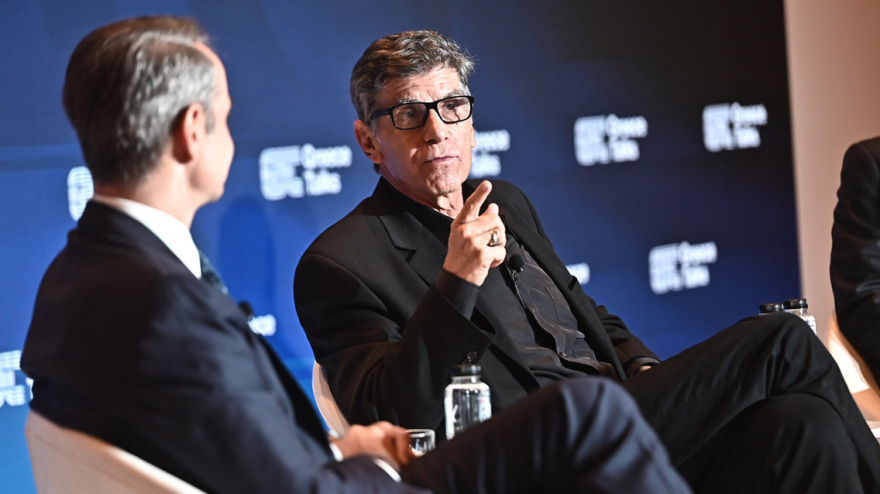
At the Greece Talks conference, Prime Minister Kyriakos Mitsotakis described himself as both a politician and a technocrat, committed to a four-year mandate with the people. Actor Giannis Bezos highlighted the loneliness of today’s youth, noting that digital friendships often replace real-life connections because children find little interest in their immediate surroundings, partly due to family and societal pressures that stifle dreaming. Mitsotakis shared his experience with TikTok, acknowledging its power to connect with younger generations but also warning about the risks of algorithmic manipulation and loss of genuine personal interaction.
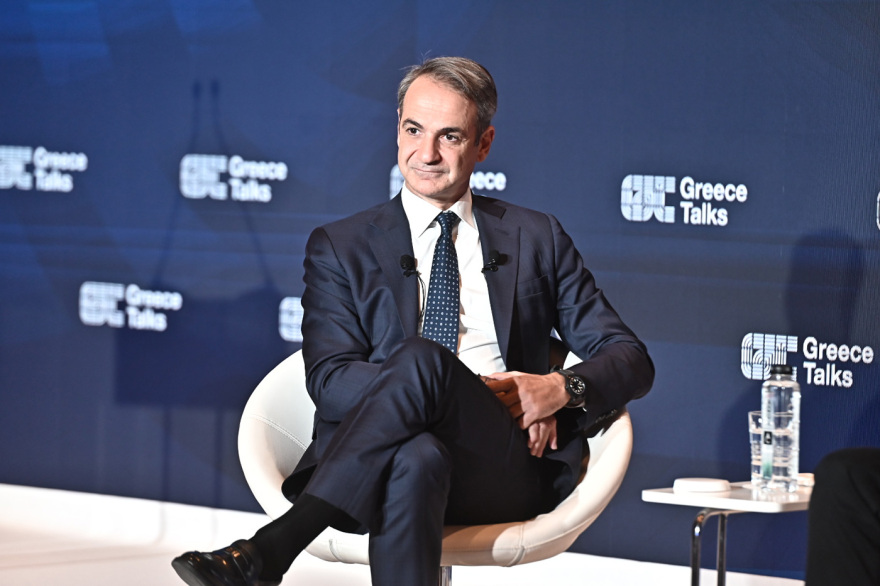
Giannis Bezos expressed skepticism about technology, saying that people aren’t really communicating. At the same time, he acknowledged that the internet is absolutely necessary. “Denying it is like wearing a traditional Greek costume,” he remarked.
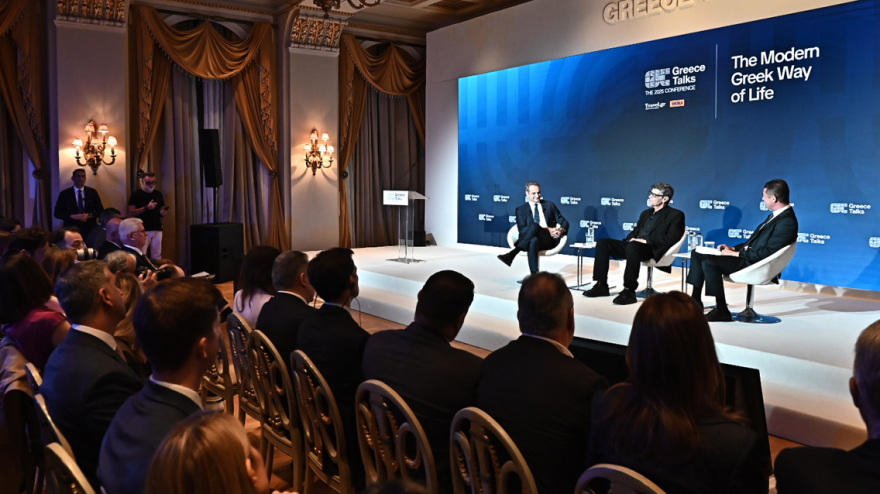
Referring to the toxic climate, he said politicians bear responsibility for the way they express themselves. Young people don’t want advice—they want examples. When the example they see is what it is now, they won’t easily follow.
He noted that politicians’ speech is not very attractive, something that needs to change for younger generations to follow. “It’s not technology’s fault; it’s our own stubbornness, thinking we know everything,” he added.
Bezos also said he doesn’t follow comments made about his interviews. He takes seriously the feedback from people he respects; otherwise, he just wishes them “better luck next time.”
Mitsotakis: Hellenism and Our Language Have a History of Thousands of Years
At the recent Greece Talks conference, Prime Minister Kyriakos Mitsotakis emphasized the deep historical roots of Greek culture and language. “I respect and appreciate Giannis Bezos, not only as an artist but also as an engaged citizen,” Mitsotakis said during his conversation with the actor and director. “Every nation is the product of its historical journey. The modern Greek state is 200 years old, but Hellenism and our language trace back thousands of years.”
Mitsotakis highlighted the importance of recognizing the Greek language’s global significance. “UNESCO has recognized February 9th as the International Day of the Greek Language,” he noted, underscoring the cultural pride that comes with such acknowledgment.
Reflecting on the bicentennial of the Greek War of Independence, the Prime Minister observed how Greeks have confronted their past and stood on the right side of history during critical moments. He warned against succumbing to the global trend of collective pessimism, stating, “The challenge is not to give in to the belief that things are getting worse.”
Bezos: The Modern Greek Identity Remains a Great Question Mark, Both a Blessing and a Curse
When asked by moderator Antonis Sroiter about the identity of the contemporary Greek, director and actor Giannis Bezos admitted that the question is far from straightforward. “If it were easy to define, we would have done so by now,” he said. “It remains a big question mark—and that is both a blessing and a curse. We often hear that Greeks are capable of both the best and the worst. We possess rare traits, and these are reflected in our language, which has been spoken for 3,000 years.”
Bezos stressed the significance of the Greek language and lamented how it is sometimes mistreated. “We don’t defend this language; instead, we sometimes abuse it, replacing words with foreign ones to pretend to be something else. This happens because we are ignorant of our history — how things came to be and how they could have been different.”
He expressed concern over the widespread disregard for Greece’s rich heritage in sports, politics, sciences, and literature. “We often overlook the greatness of our basic characteristics. Unlike northern cultures, our identity carries a poetic dimension,” he concluded.
The discussion between Mitsotakis and Bezos offered a profound reflection on Greek identity, language, and history, underscoring the enduring legacy and complex nature of Hellenism in the modern world.
Fotis Tsimelas – Chief Product Officer & Androniki Kolovou – Director of Travel.gr
11:30 Intelligent Leadership in a Changing World
Kimberly Guilfoyle – U.S. Ambassador to Greece
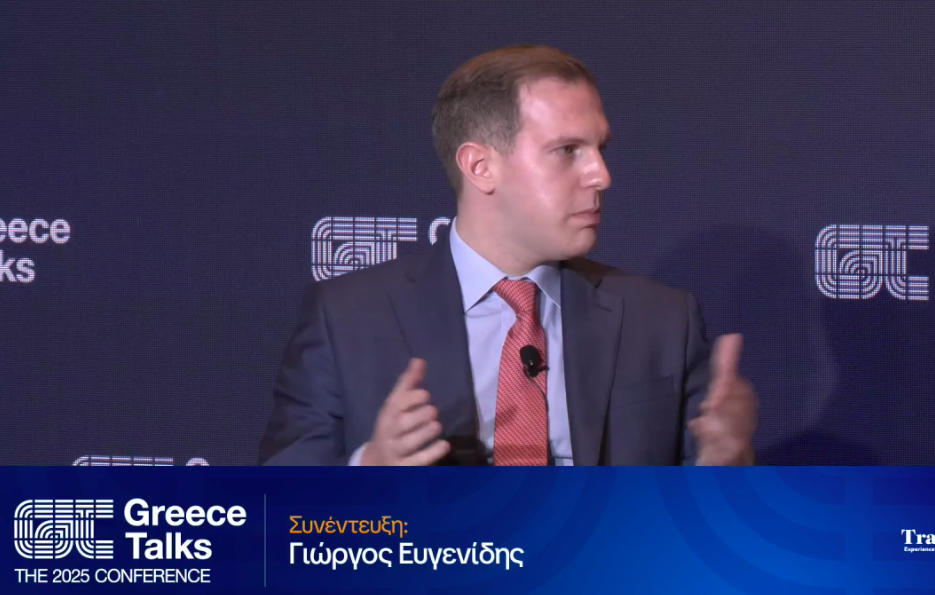
Interview with Giorgos Evgenidis
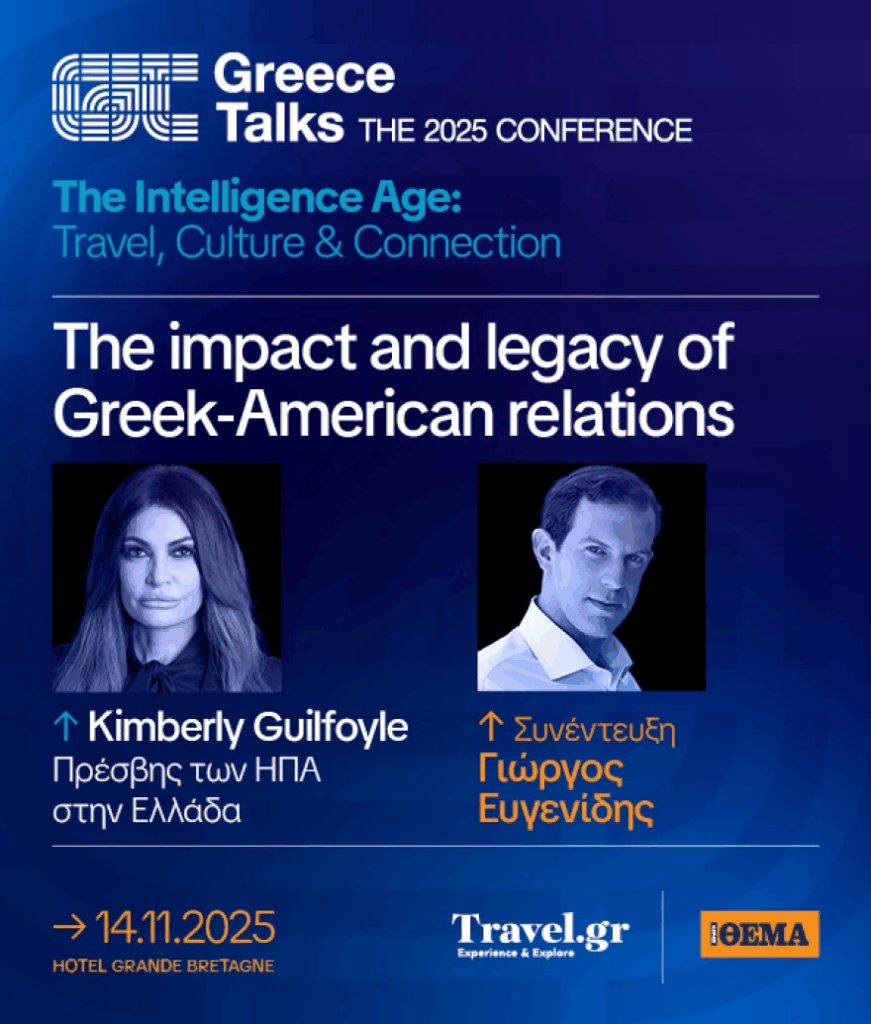
Today marks the start of Greece Talks 2025, the influential conference organized by travel.gr, the travel site of Proto Thema, focusing on the future of Greek tourism in the age of artificial intelligence and advanced technology.
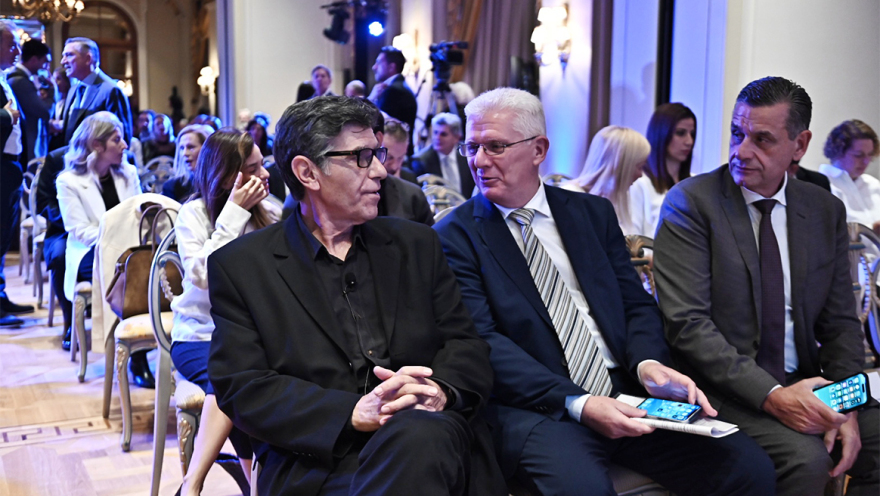
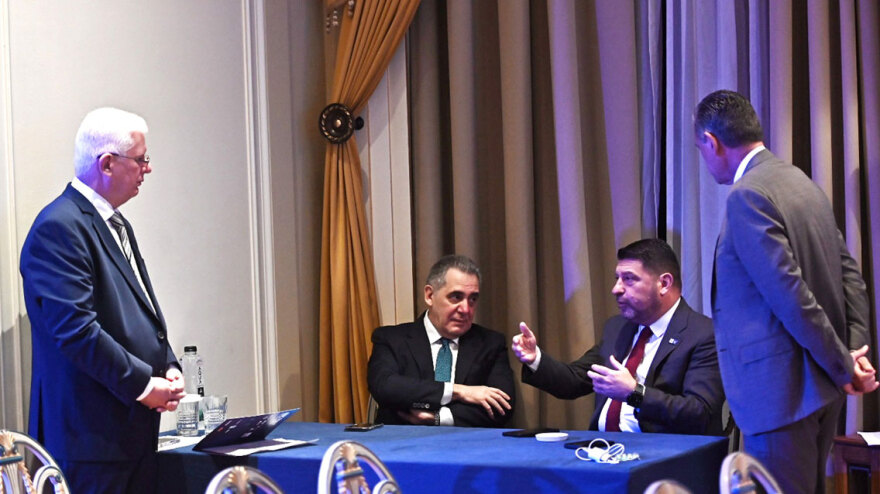
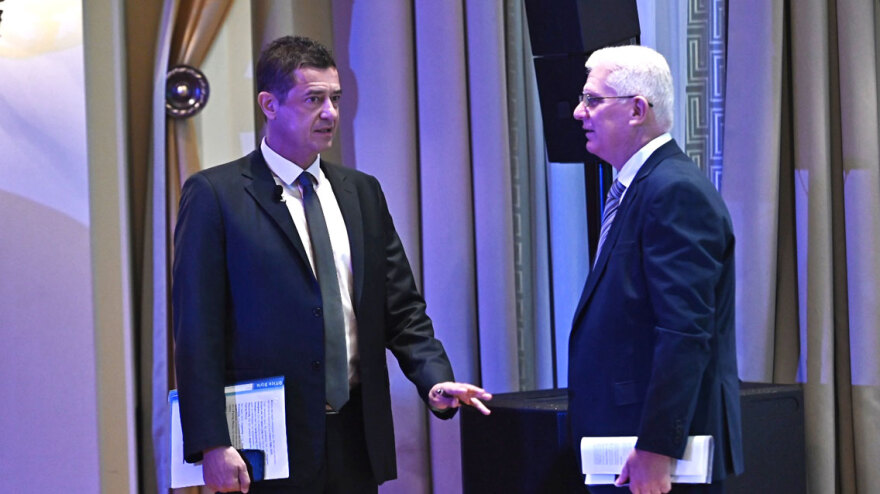
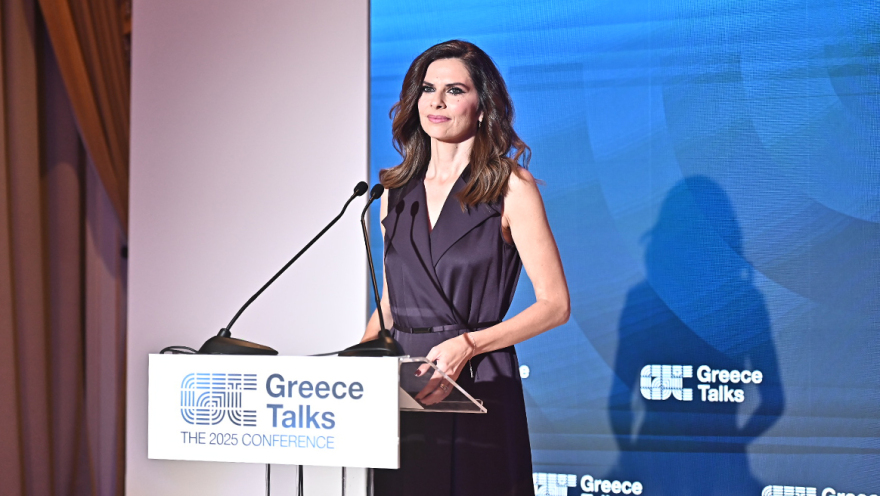
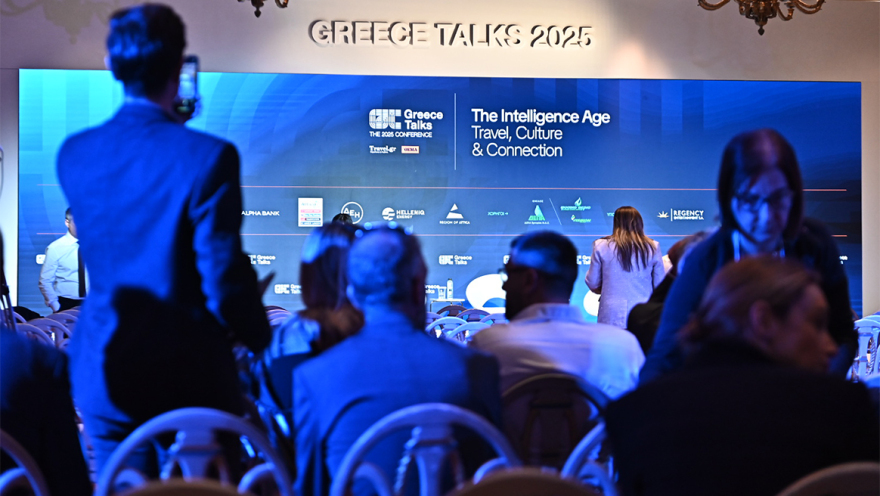
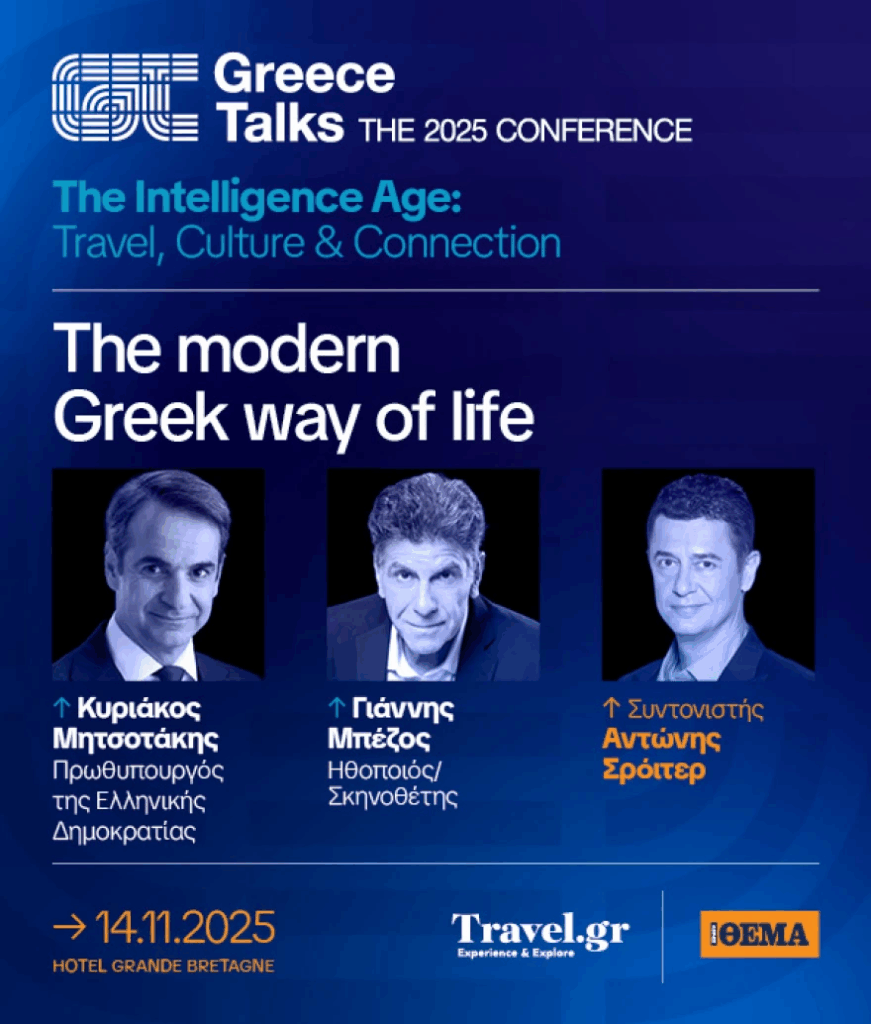
Under the theme “The Intelligence Age: Travel, Culture & Connection,” the event takes place at the Hotel Grande Bretagne in Athens. Key speakers include Prime Minister Kyriakos Mitsotakis, U.S. Ambassador Kimberly Guilfoyle, and leading figures from tourism, business, culture, and technology sectors.
The conference aims to spark important discussions on sustainable tourism, authentic connections with destinations, the impact of culture and architecture on traveler experiences, and how innovation can reshape Greece’s tourism landscape.
Greece Talks 2025 promises to be a vital gathering for networking and exchanging ideas among Greece’s dynamic tourism ecosystem.
Greece’s tourism sector is set for a major boost as Prime Minister Kyriakos Mitsotakis and the US Ambassador to Greece come together in Athens today for a high-profile tourism conference. The event focuses on how emerging technologies, especially artificial intelligence, can transform and modernize the industry, promising new opportunities for growth and innovation.
Ask me anything
Explore related questions




