Some of the most impressive technological advances today are seen on modern battlefields, where armed forces deploy cutting-edge systems ranging from autonomous weapons and artificial intelligence to sophisticated forms of cyberwarfare. Yet not all countries have managed to keep pace with this rapid evolution.
While the United States and Russia continue to field some of the world’s most advanced weapons systems, other nations struggle to adapt, either due to limited resources or the relatively small size of their armed forces. Population-heavy states such as China and India benefit from vast manpower pools, whereas others — like Iceland and Costa Rica — have chosen to maintain no standing army at all, prioritizing a pacifist strategy.
Greece’s position
Greece ranks 30th, the same as last year. Although the ranking does not fully reflect ongoing improvements, the country has undertaken a significant modernization of its Armed Forces.
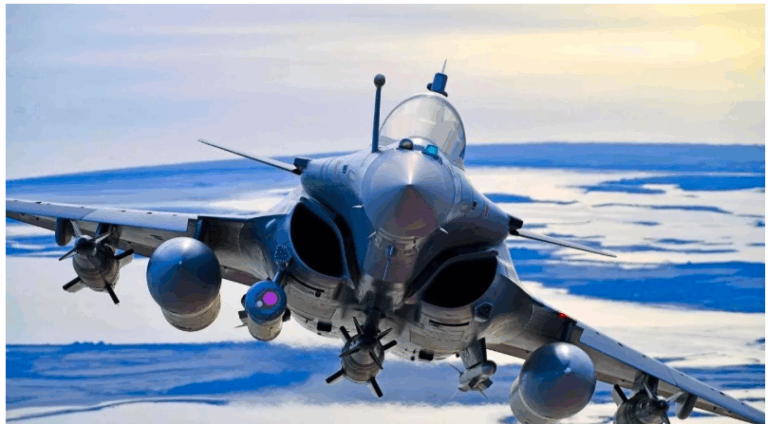
Greece now fields state-of-the-art Rafale fighter jets, upgraded F-16s in the Viper configuration, and awaits delivery of the new Belharra frigates.
This combination of advanced platforms places Greece in a leading technological position in the southeastern Mediterranean, even if its overall ranking remains stable.
How military strength is measured
A country’s military power is not determined solely by troop numbers. Key factors include:
- Defense budget
- Weapons infrastructure (aircraft, ships, armored vehicles)
- Access to critical natural resources
- Geographic position and national size
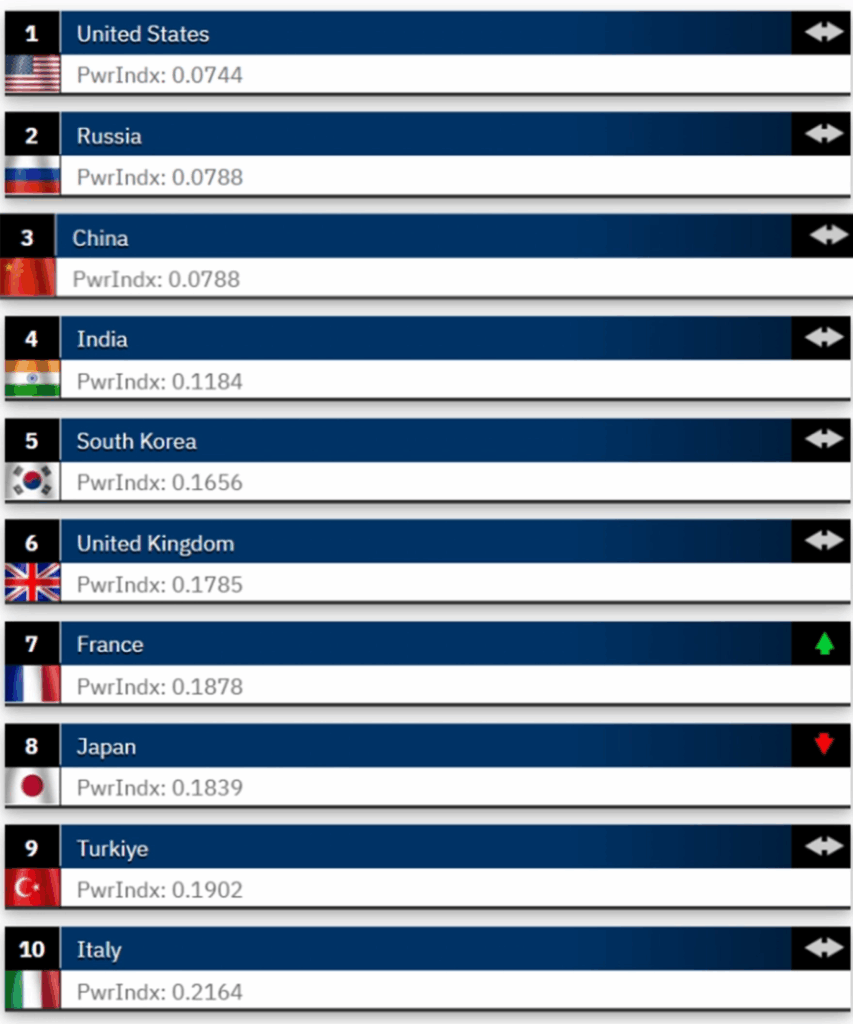
Within this framework, the 2025 Global Firepower Ranking evaluates 145 countries using 60 metrics covering personnel, equipment, economic indicators, and natural resources. Nuclear capabilities are not included.
The final outcome is reflected in the PowerIndex, a score derived from the organization’s internal formula. Although military analysts often caution that such rankings have limitations — due largely to the secrecy surrounding many weapons programs — they still provide a useful snapshot of the global balance of power.
The Global Firepower list aims to capture a holistic view of military capability worldwide, considering not only the quantity of weapon systems but also the economic, industrial, and geographical strengths of each state. Despite its imperfections, it remains an interesting indicator of how power dynamics are shifting in an era where AI, cyber defense, and advanced combat systems are rapidly redefining warfare.
Ask me anything
Explore related questions