
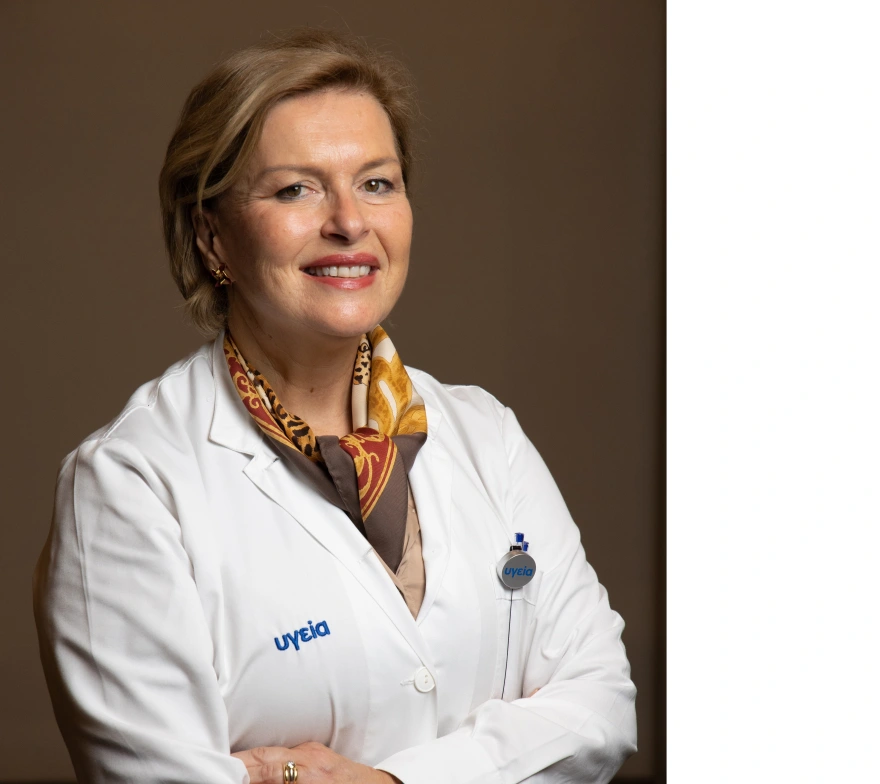
Chronic Obstructive Pulmonary Disease (COPD) is a common, long-term disease. In Greece, studies show that about 8% of adults suffer from COPD, most often undiagnosed. COPD results from inflammation caused by inhaling toxic substances. According to Dr. Mina Gkaga, Pulmonologist and Director of the 1st Pulmonology Clinic at HYGEIA Hospital, this inflammation gradually narrows the airways (bronchi) and damages the lung alveoli, leading to easy breathlessness and progressively difficult breathing.
The most common cause of COPD is smoking (both active and passive) and exposure to smoke or polluted air.
Symptoms of COPD:
- Shortness of breath
- Easy breathlessness
- Chronic cough, with or without sputum
- Fatigue
- Anorexia and weight loss over time
- Exacerbations or flare-ups (periods of worsened symptoms caused by infections or exposure to humidity or pollution)
These exacerbations are often mistaken for colds, delaying diagnosis.
Progression and Impact:
Symptoms worsen over time, and exacerbations accelerate this decline. Advanced COPD leads to difficulty walking and performing daily activities, persistent cough with sputum, and frequent flare-ups, which severely reduce quality of life and may cause disability and depression.
Prevention and Early Diagnosis:
- People who smoke or live/work in highly polluted areas should regularly see a pulmonologist and have lung function tests (spirometry), especially if they often have cold symptoms.
- Recognizing risk factors and avoiding exposure is crucial.
- Important preventive measures include:
• Education in schools to prevent children from starting smoking (often begins in adolescence)
• Support and encouragement for smokers to quit (nicotine is highly addictive, so support groups and professional help are important)
• Preventing exposure to passive smoking, especially for children, unborn babies, and infants, whose lungs are not fully developed.
Comorbidities:
People with COPD often have other diseases such as heart disease, anxiety, depression, osteoporosis, gastroesophageal reflux, muscle dysfunction, diabetes, metabolic syndrome, and a higher risk of lung cancer. These conditions share risk factors like smoking and worsen COPD severity.
Diagnosis:
COPD is diagnosed with spirometry, which measures how much air one can exhale and how fast. Reduced airflow suggests airway narrowing and COPD. Spirometry helps assess disease severity for better management.
Treatment:
There is currently no cure to reverse COPD, but symptoms and progression can be managed effectively:
- Reducing exposure to risk factors (smoking, pollution)
- Physical therapy to improve exercise capacity
- Medication, usually inhaled bronchodilators and anti-inflammatory drugs, to relieve symptoms and prevent exacerbations
- Prevention of infections through vaccinations and hygiene
- Oxygen therapy for severe COPD
Rehabilitation:
Pulmonary rehabilitation programs improve exercise capacity and teach patients to manage their disease.
Research continues at clinical and molecular/genetic levels. Public awareness, early diagnosis, multidisciplinary care, and good doctor-patient cooperation are essential, especially for severe COPD patients with multiple conditions.
Ask me anything
Explore related questions