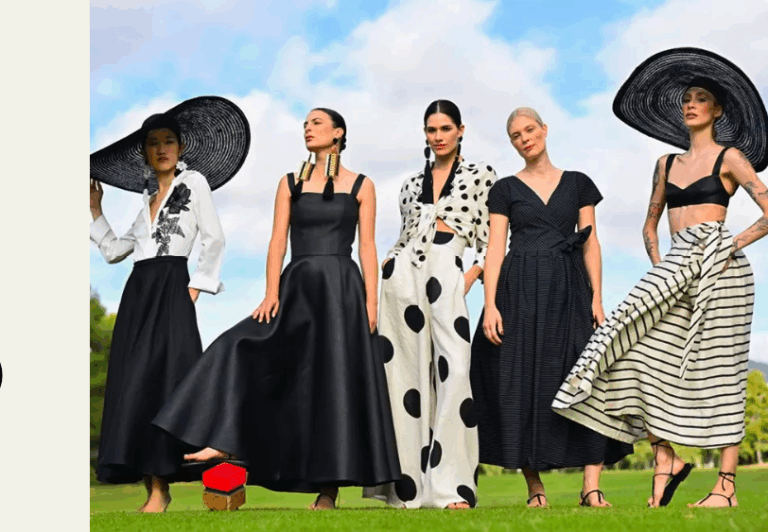
The recent 37th Greek Fashion Week proved that there is both creativity and an audience eager to support it. So, while big fashion houses like Dior and Gucci are worrying as their revenues drop sharply, consumers are showing increasing preference for smaller, creative teams like Greece’s fashion houses — brands known for their consistency in quality, pricing, and inspiration.
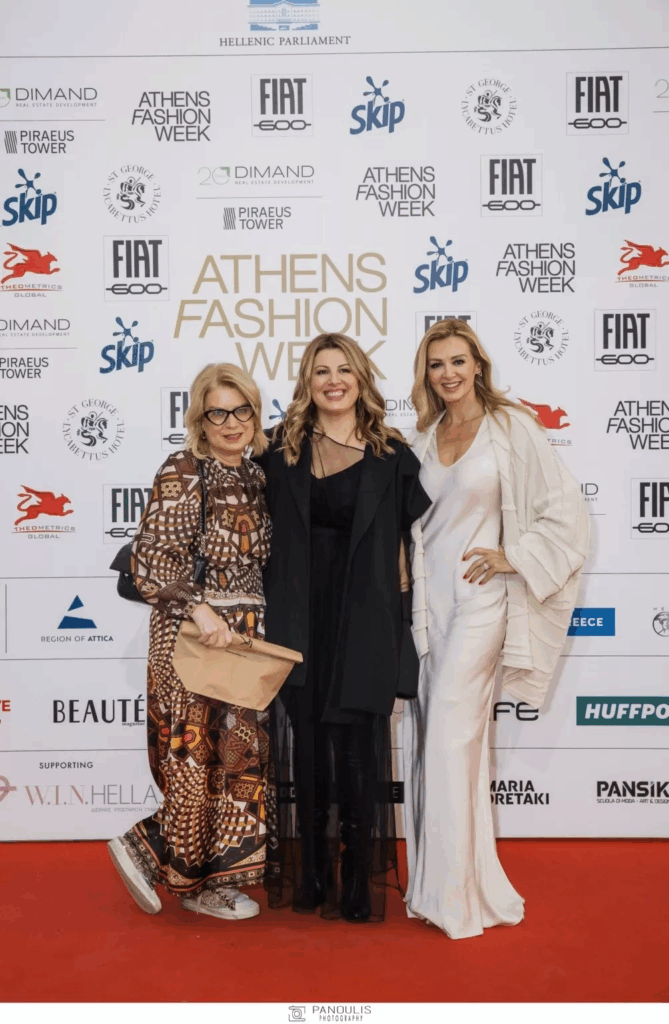
“In a time when the global fashion industry is facing a major crisis amid tough economic conditions caused by war and worldwide inflation, Greek fashion is fighting hard and coming out on top. I’m delighted that Greek brands are winning hearts, customers, and the big challenge itself,” says Tonya Fouseki, President of Athens Fashion Week, in an exclusive interview with Lemon Social Eye. But let’s hear what the designers themselves have to say.
Ioanna Kourbela
“Fashion is not only a form of artistic expression but also a living business entity.”
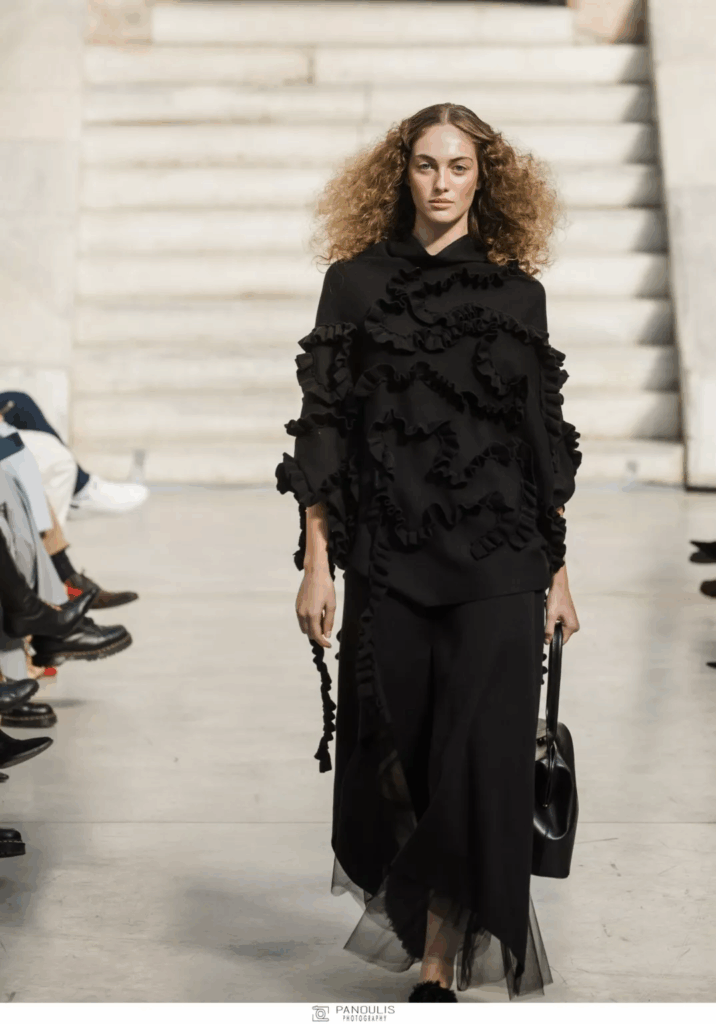
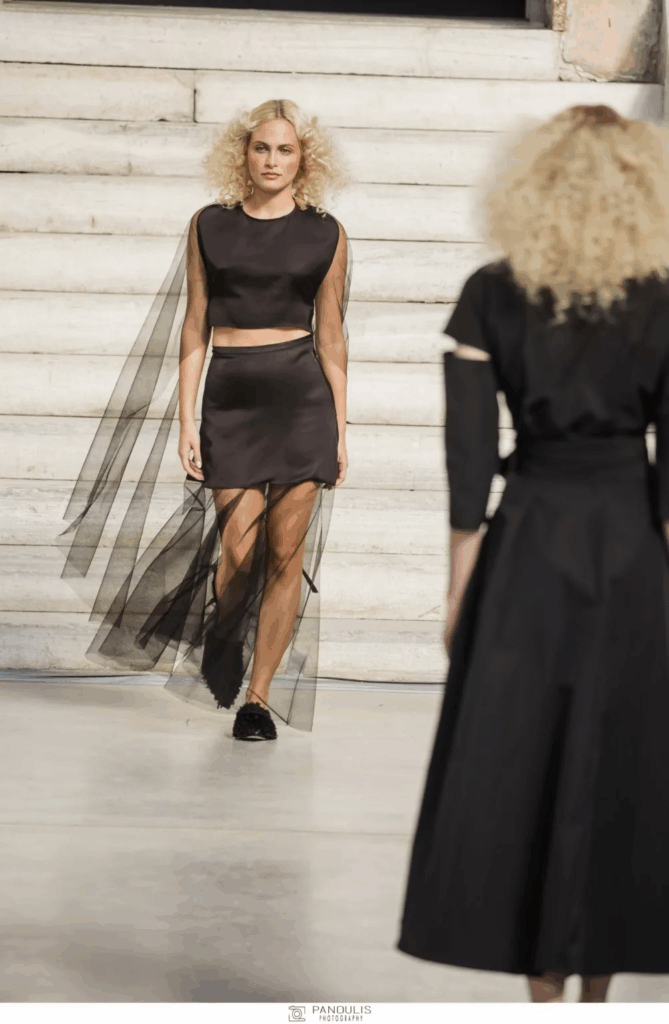
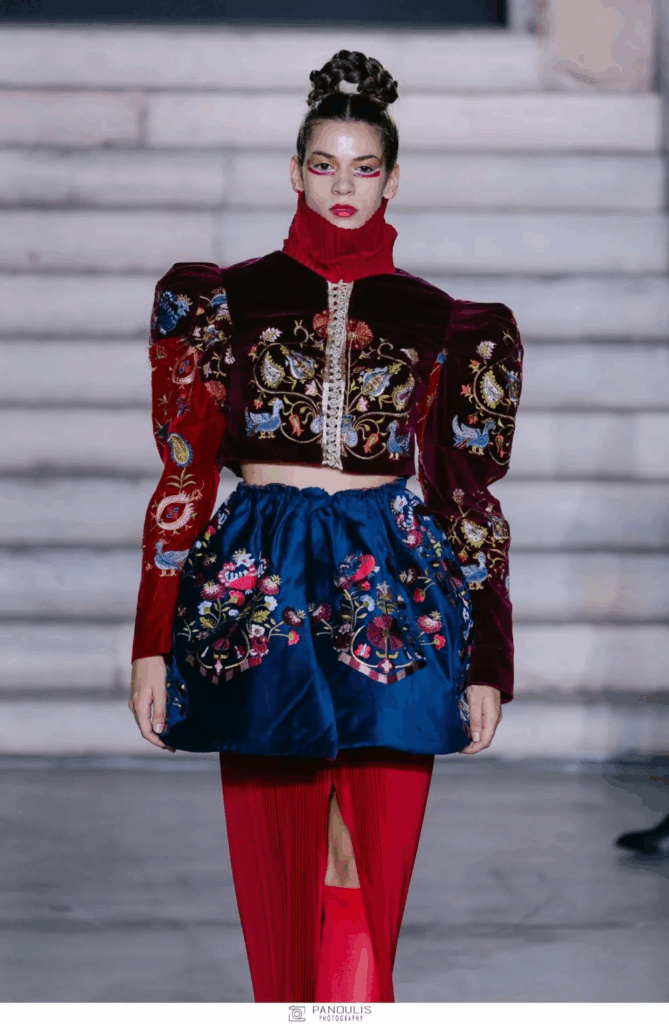
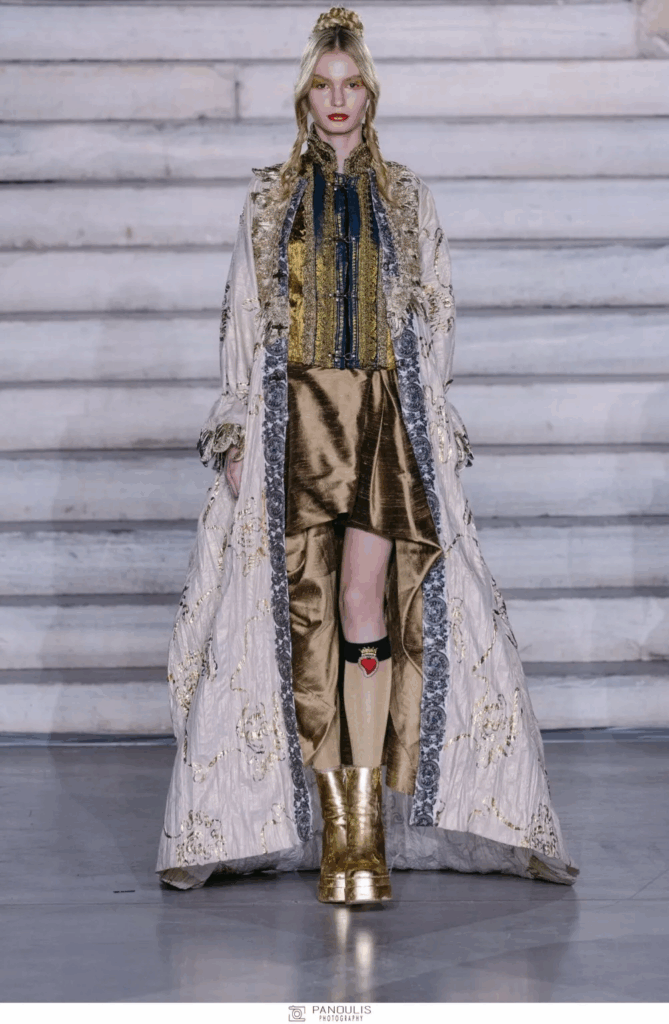
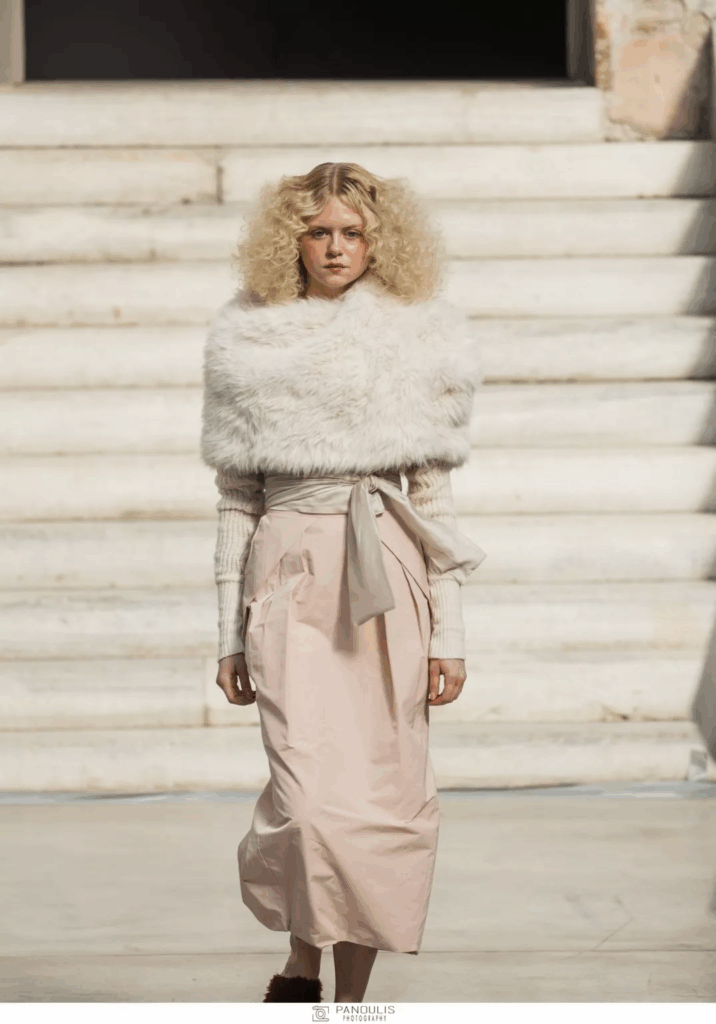
Inspired by art, Greek light, and natural harmony, Ioanna Kourbela showcased her Fall-Winter 26-27 collection titled Letters to my Body on November 16 at the former Public Tobacco Factory. The impeccably staged show, aligned with international standards, received rave reviews and earned her growing acclaim after 25 years of a brilliant career. The stunning looks that graced the packed runway are not just products of exceptional artistry but also of relentless study, dedicated work, and constant evolution.
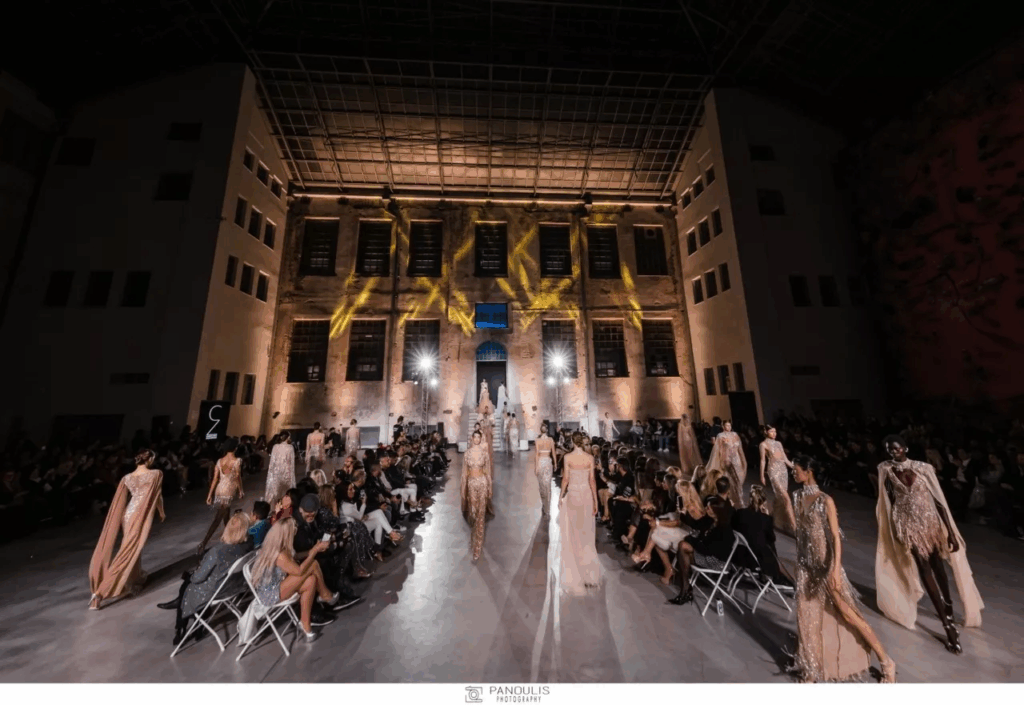
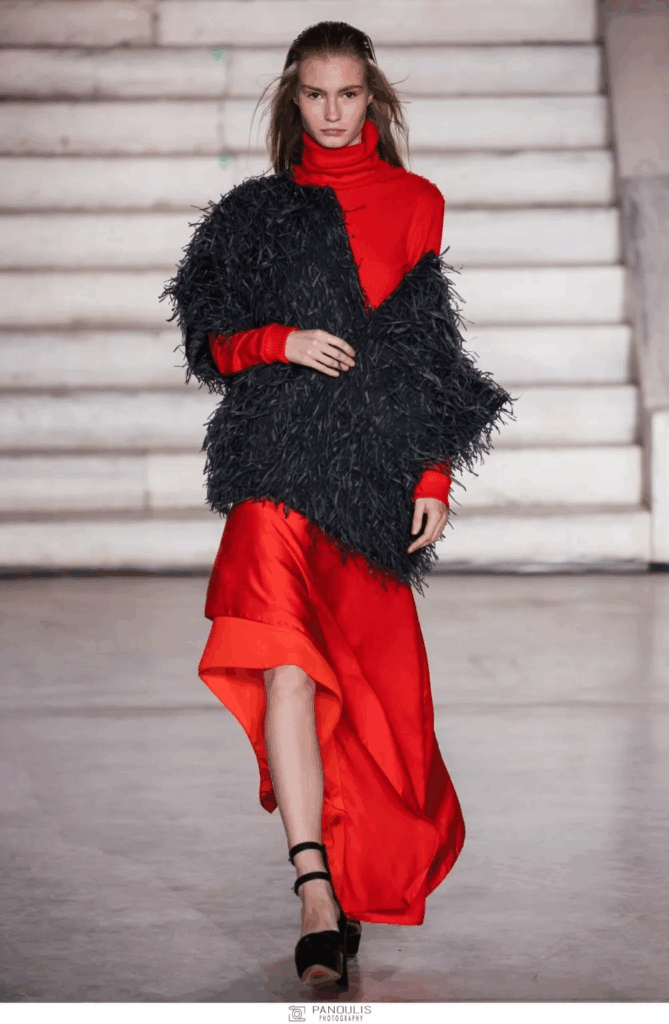
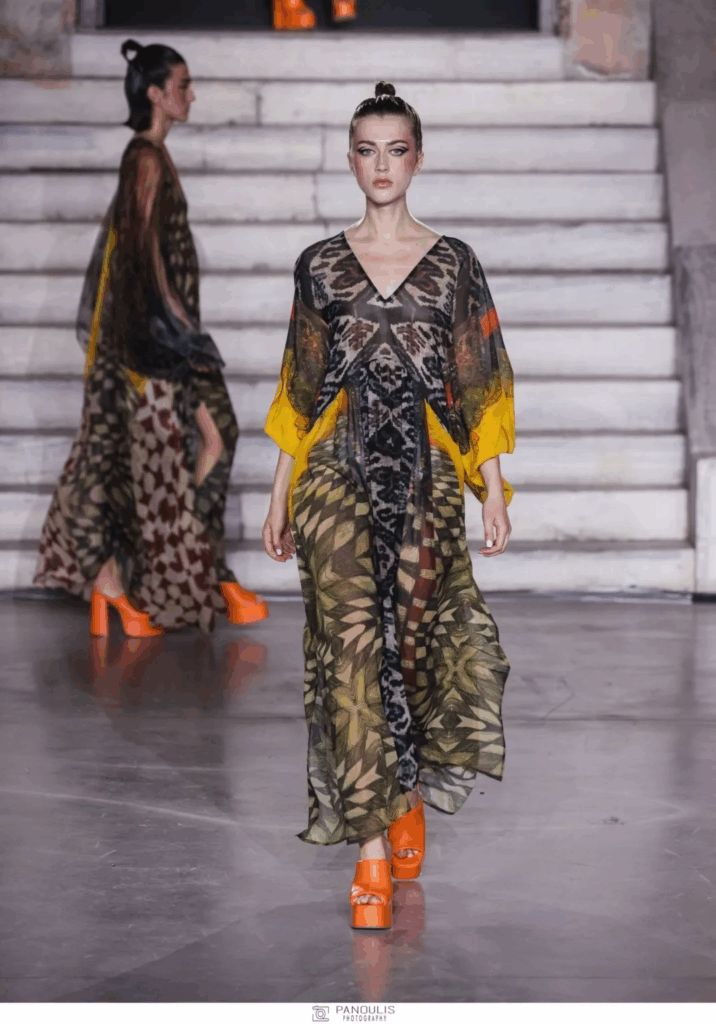
With partner stores in 120 locations across Greece and representatives on every continent, Kourbela produces over 70,000 garments annually.
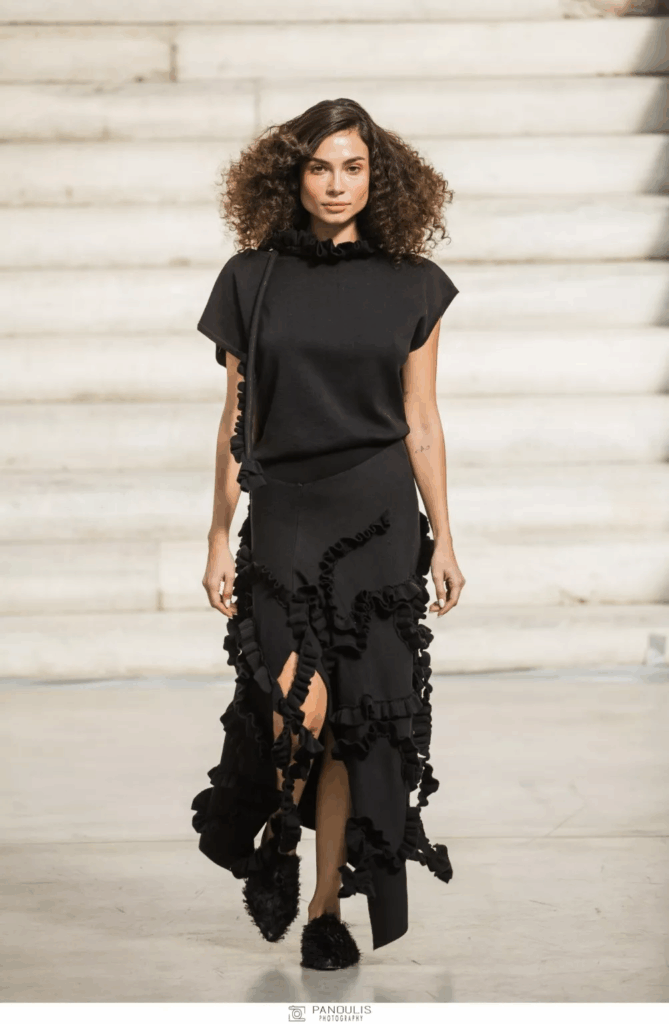
Her designs are available in 120 collaborating stores across Greece and select international showrooms in Milan, Madrid, and Salzburg. Beyond Europe, the brand has representatives in New York, Egypt, Asia, Australia, Latin America, and the Middle East. Particularly popular in Scandinavian countries, the brand has maintained a 12-year exclusive partnership with a monobrand store in Tjøme, Norway.
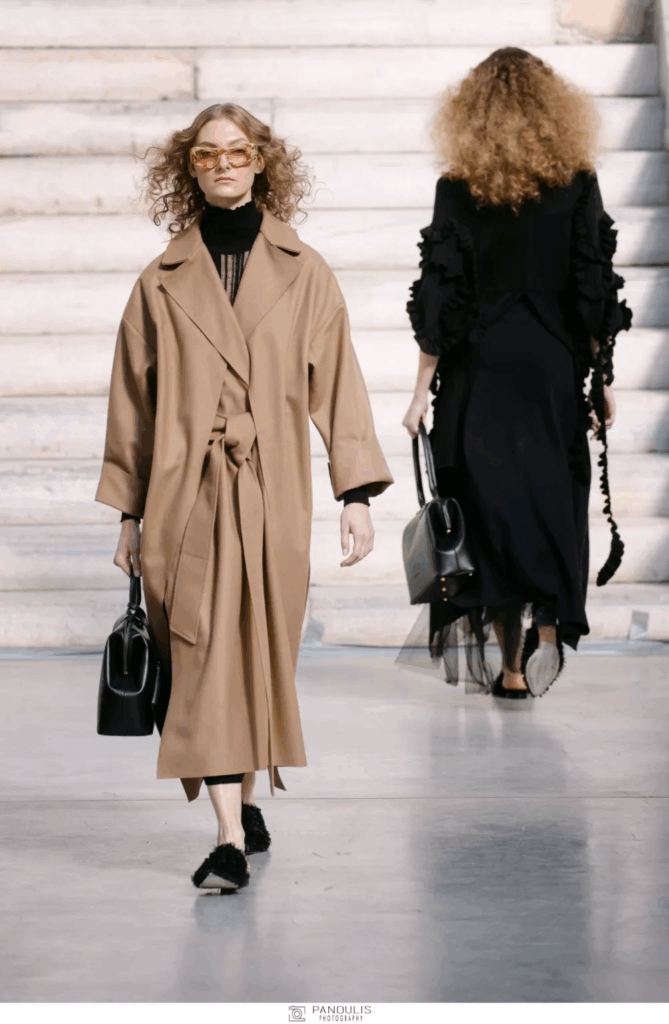
“We try, whenever possible, to work with Greek manufacturers and suppliers to highlight Greek quality and support local units throughout the production process—even if this is not always the easiest path,” she says.
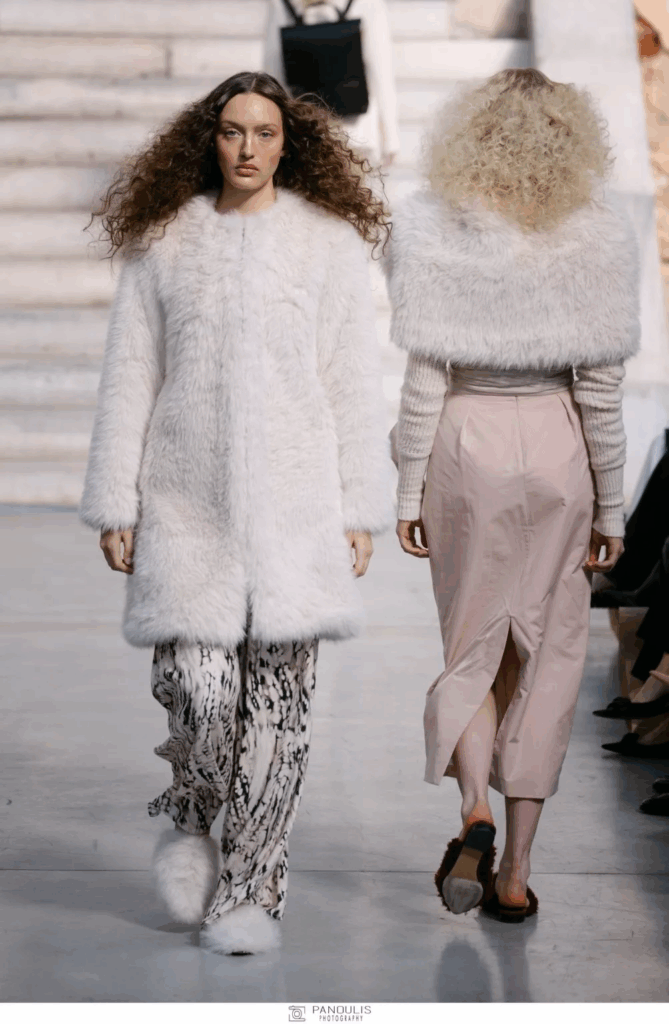
The company’s export activity spans several decades, with the family boasting over half a century in the clothing industry. About 60% of revenue comes from the domestic market, while 40% is from exports. Proudly, production remains 100% Greek to this day, responsibly following the principles of sustainable development and ethical trade.
This commitment to “locally crafted” as a hallmark preserves and passes down the knowledge and craftsmanship of Greek product making to future generations, turning “Made in Greece” into a personal brand.
“As a manufacturing business, we meet existing needs and reduce imports proportionally, while exports bring valuable foreign exchange to the country,” says CEO Pantelis Kourbelas. “Contributing to society and especially the national economy, even through personal challenges, is our greatest reward.”
Dimitris Dassios
“After 20 years of creative presence in fashion, two words come to mind: extroversion and creativity.”
“From my very first collection, I was accepted in the international market. I continue to showcase my collections abroad at international trade fairs and maintain a showroom in Paris, constantly expanding my clientele. Customers show strong interest every season due to the creativity that defines me, which is continually renewed while preserving the Greek identity—the brand’s signature—as well as high production quality. The collections are regularly enriched with new lines such as jewelry, bags, and recently scarves and shawls, completing the profile of a strong brand.”
“My latest show in Milan for Spring/Summer 2026 was a triumph, and the next presentation in Paris promoting new accessories will take place in January 2026 at the iconic Maison et Objet exhibition, where we will also reveal the first samples of the new dassios HOME line.”
“The Greek identity, handmade creation, and production enchant high-end customers worldwide, who now seek brands demonstrating lasting presence and high material quality. In the era of fast fashion and commercial big brands, the only way to resist is strong creativity, uniqueness, and national identity—qualities that dassios embodies.”
Daphne Valente
“I felt a big shift in my work when I started selling my collections in hotels and resorts in tourist areas.”
“Travelers visiting a new destination don’t want international brands they can easily find at home—they want local design that stands out. This need has led to the opening of many stores featuring Greek designers.”
“The acceptance of my Greek-inspired clothing led me to focus on international markets. In October, I presented my Summer 2026 collection at a showroom during Paris Fashion Week. As a newcomer, I managed to attract interest from some very important international retailers. I can’t expand too much since my production happens in my own atelier with haute couture methods, and I don’t want to compromise quality by outsourcing. Buyers appreciated the collection’s strong Greek theme, research, and genuine creativity, especially at a time when many designers simply replicate trends. I’ve always believed my strength lies in my roots, and now I finally feel vindicated.”
Vassilis Zoulias
“We are definitely entering a new era where smaller brands will gradually, yet steadily, dominate.”
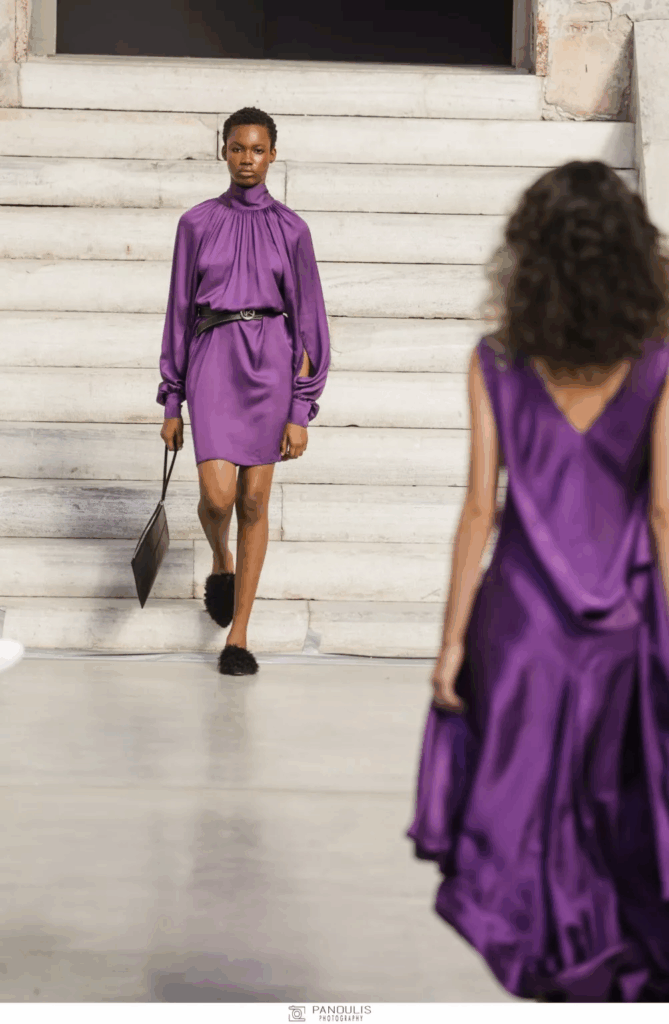
“Women, as the global buying power, have decided to boycott the big fashion houses because they feel foolish paying a fortune for a dress only to see someone else wearing the same one at the same event. This is a real statement from a foreign customer who visited our boutique at One&Only this year, then our atelier in Athens—and has since become a loyal client.”
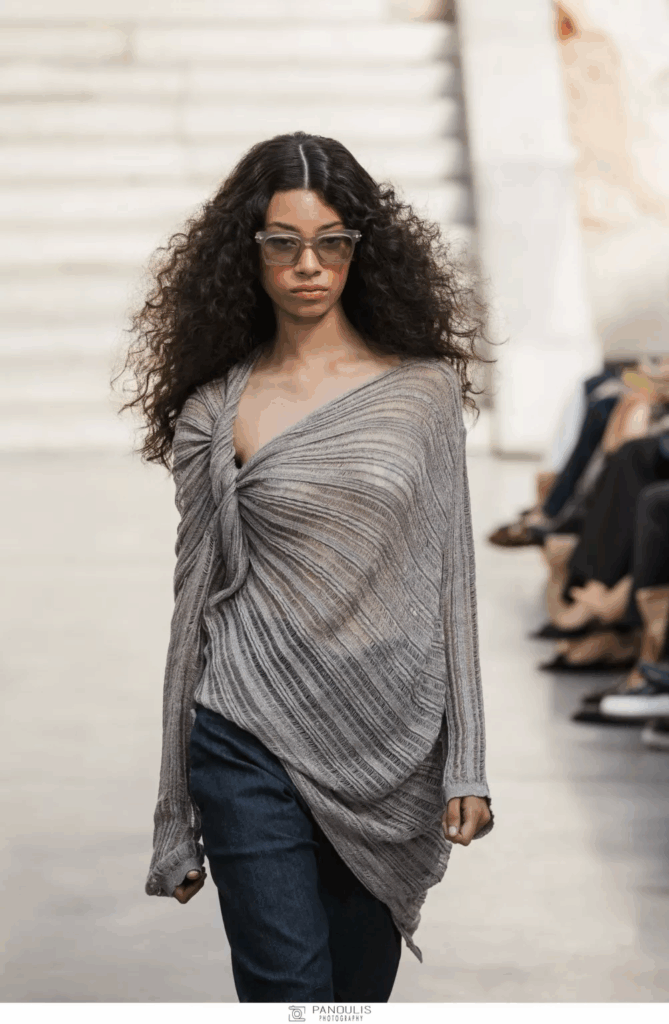
“So when you hear something like this from a woman who can buy whatever she wants from wherever she wants, you know it’s a widespread feeling.”
“That’s why all the big houses are in a deep global crisis, while smaller brands like ours in Greece—and abroad—have seen revenue growth in recent years. This isn’t purely an economic crisis, but more a crisis of values, impacting the luxury brand trade.”
“Women have made their decision—and our time has come. Our company just celebrated 22 years, and we’ve experienced many ups and downs, like a heartbeat over the years: the 2008 crisis that hit us in 2012, bank closures in 2015, government changes with all their implications, and finally the pandemic. Still, we remained open and consistently presented two collections a year—even during COVID, with only 8 guests…”
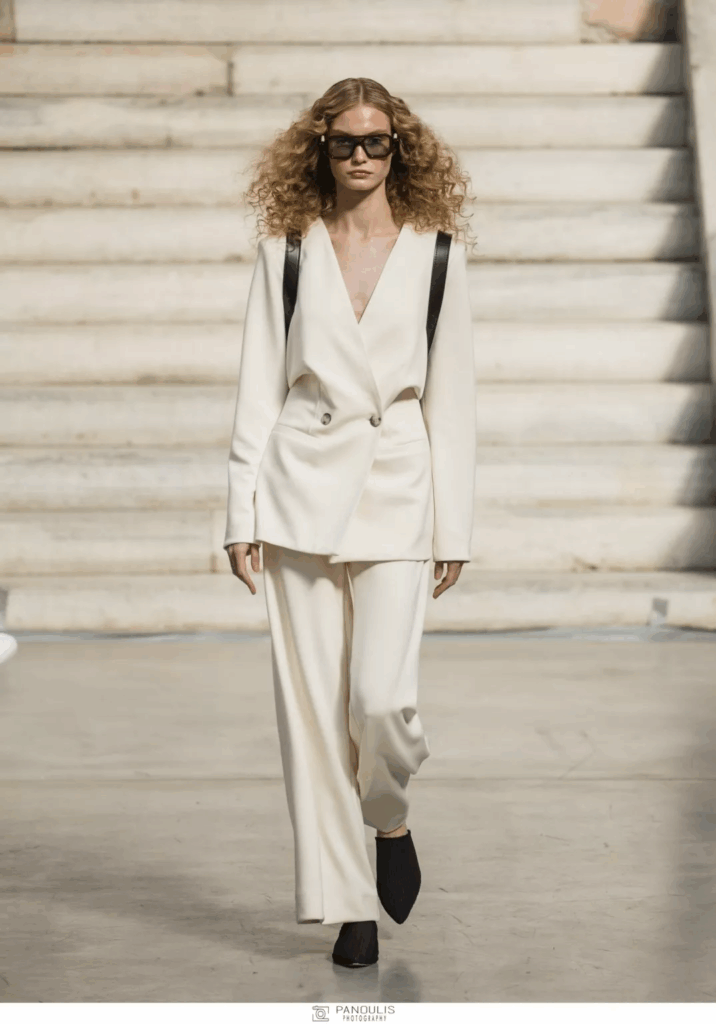
“Meanwhile, the 2018 Golden Globes had Allison Brie wearing our now-famous dress with pants, which went viral and was ranked among the top 5 looks of the night. The Greek outsider beat giants of international fashion without spending a dime on PR agencies. The same year, with Periklis Kondylatos, we dressed Mindy Kaling at the Met Gala. Jimmy Fallon even invited her on his primetime show to talk exclusively about Periklis’s crown. That’s meritocracy in America at its finest.”
“Emily in Paris literally put us on the global fashion map overnight in 2019-20, with the Vertigo blazer becoming an absolute bestseller.”
“The overwhelming demand for that piece—wanted in more colors and the other four pieces worn in the series—sparked the need for a prêt-à-porter line we named Maison Zoulias. Opening the first mono-brand Maison Zoulias boutique at One&Only last summer was the ultimate winning move of last summer. A move made with plenty of fear and financial risk but brought unexpected profits and new growth opportunities.”
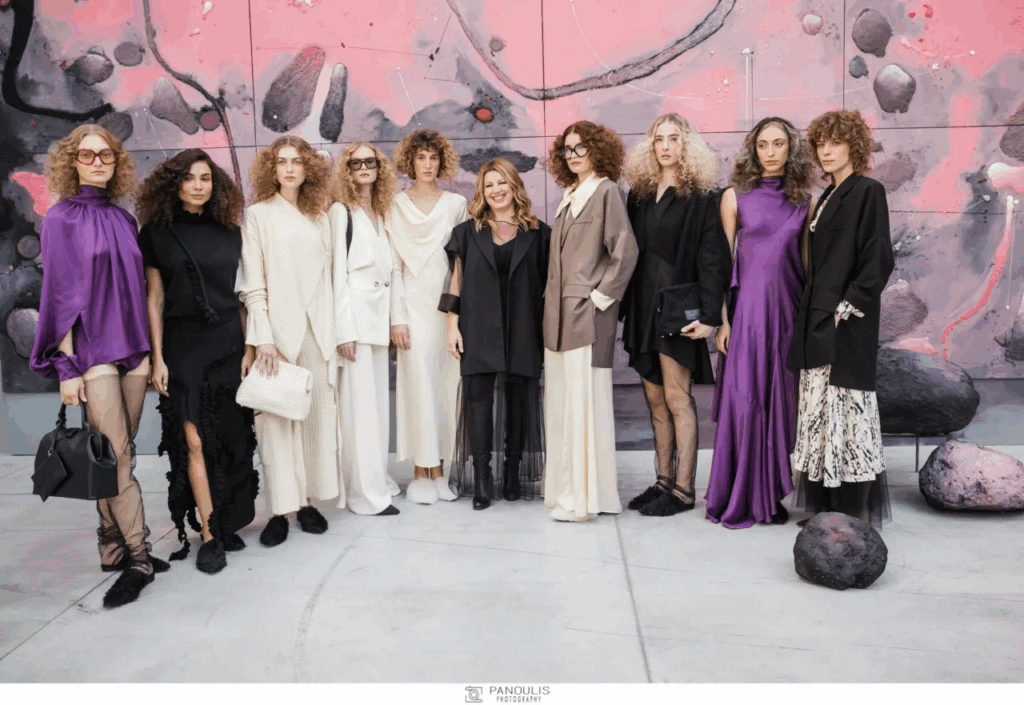
“In the end, we Greek designers are multinational on our own—just as every new international customer discovers when they’ve grown tired of the same old. Our time has come. We lack nothing and fear nothing anymore.”
Giorgos Eleftheriadis
“Many years ago, I began presenting my work in Paris, London, Barcelona, and Milan—when Greek fashion wasn’t even on the map and only existed domestically.”
“I’m very proud because our efforts have paid off, and now we see real results. The satisfaction is immense. Greek fashion is flourishing at a time when major international brands are losing power because while they sell clothes where the label is worth more than the product itself, we create pieces that truly deliver value for money.”
Ask me anything
Explore related questions