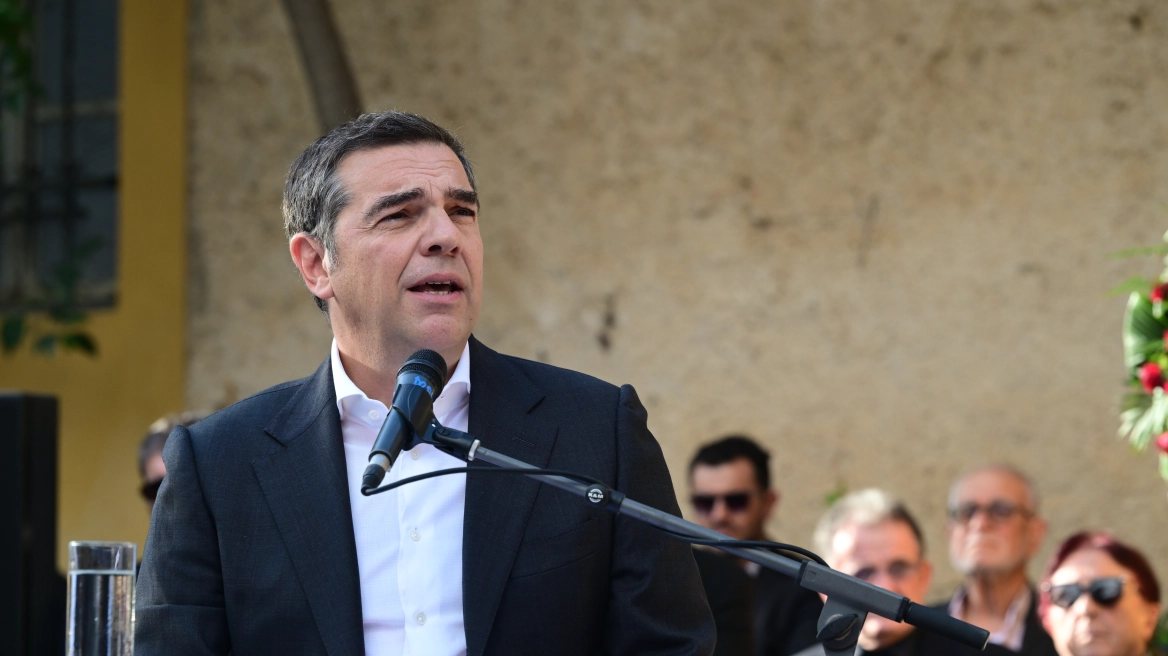
Almost four days after the release of former Prime Minister Alexis Tsipras’s new book, Ithaca, the questions have multiplied rather than diminished. Most of those directly concerned—political figures and others—have thrown themselves into reading it with particular zeal, searching for their own reflections within its pages. And the criticism of Tsipras’s writing is not coming only from his political opponents.
On the contrary, his former party comrades are at the forefront of criticism, increasing the questions raised about the book’s “confessional tone” and its vivid accounts of events—stories that do not exactly flatter the former Prime Minister’s leadership skills, particularly in his choice of associates and close advisors. To the point that even SYRIZA-PS party members are wondering about the necessity of this “detailed reconstruction” of critical moments of the left-wing governance, moments that still trigger strong waves of criticism despite the decade that has passed since the events. Given this, even Tsipras’s fiercest political rivals are finding it difficult to interpret his political behavior, especially since Ithaca was written over the last two years—hardly allowing for any assumption that such passages were included accidentally.
It was not only Tsipras’s prolonged silence about his time in office, nor the nearly two years since his resignation, that had signaled a new, less predictable and somewhat enigmatic approach to political matters—“unexpected,” even to many of his close associates. However, what Tsipras himself describes in his book has made the puzzle even more complex: what does the former Prime Minister have in mind next?
This question has begun to hover persistently over the party headquarters of the “pluralist Left” in recent hours, as well as in discussions among veteran PASOK figures, who see parts of their audience wondering about the purpose and timing of the publication of Ithaca. “Where exactly is Tsipras heading?” wonder even top-ranking officials of today’s Koumoundourou, which has avoided making any official comment on the book’s release.
Especially since the impressive sales of the first 24 hours (exceeding 50,000 copies on the first day alone, thanks also to online sales) offer an initial, indirect indication of the public’s interest in the former Prime Minister’s next moves. Even clearer, however, will be the picture that emerges during the book’s presentation next Wednesday, December 3rd, at the Pallas Theater.
At Amalias Avenue, the “headquarters” of the former Prime Minister, preparations are in full swing for the presentation, which has already attracted considerable interest, with messages arriving from all across Greece. There will be no formal invitations—the event will be open to the public, allowing Ithaca’s readers to attend regardless of where they come from. After a mainly procedural panel evaluating economic and social data, all attention is expected to turn to what Alexis Tsipras will say about the future—his keynote speech at the Ithaca presentation is being described almost as a roadmap for what will follow.
Already, the final chapter of Ithaca sends multiple signals of readiness and alertness from the former Prime Minister, who is expected to mark his “full comeback,” both politically and ideologically, at the Pallas Theater—without abandoning the “unexpected” style that characterizes the revelatory tone of his book. Remaining politically active, Tsipras will outline the challenges of the new era—the new “Ithacas” referenced in the book’s conclusion—attempting together with those present on December 3rd to write the prologue to his next political chapter, which many believe will not take long to unfold.
Ask me anything
Explore related questions