





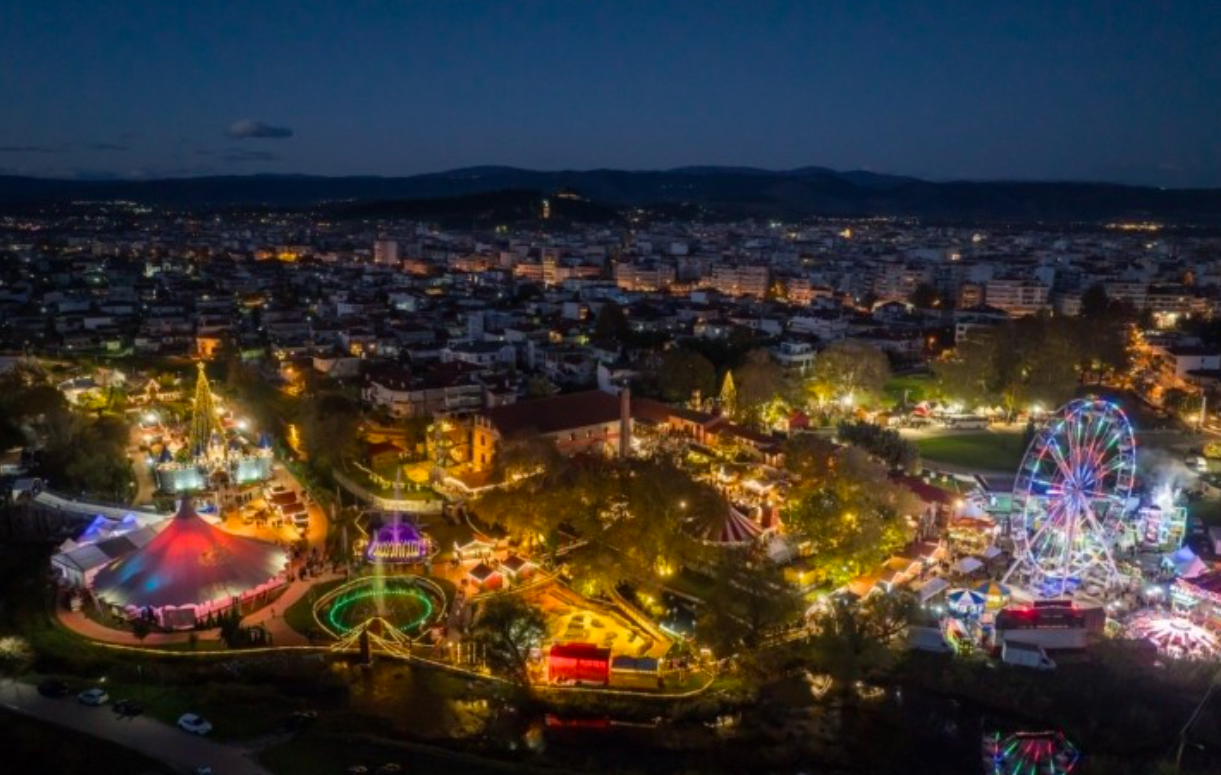
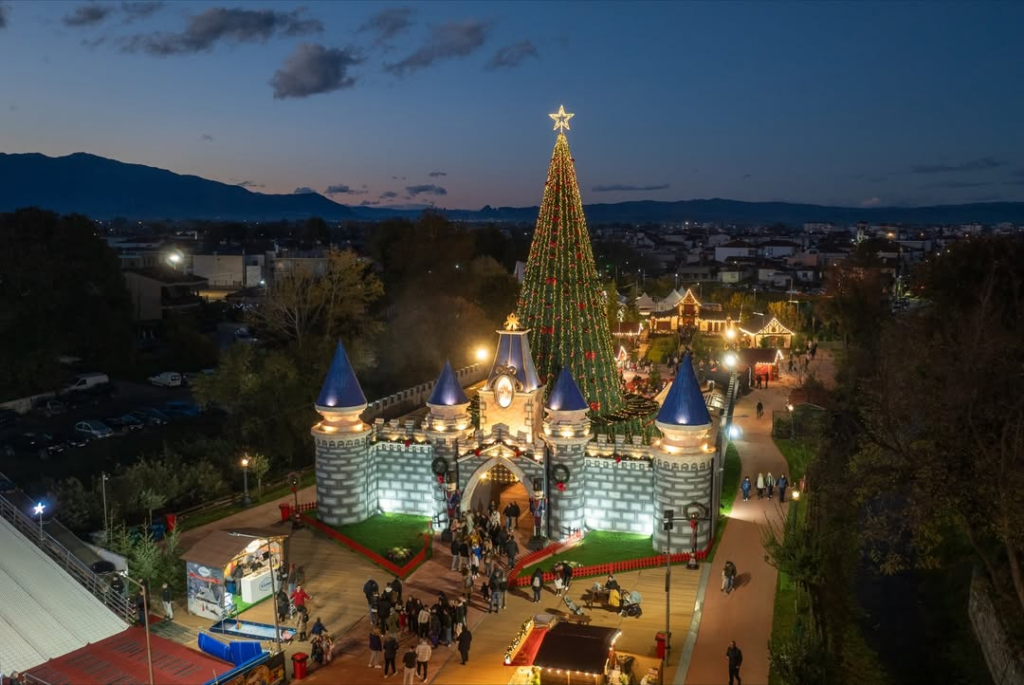
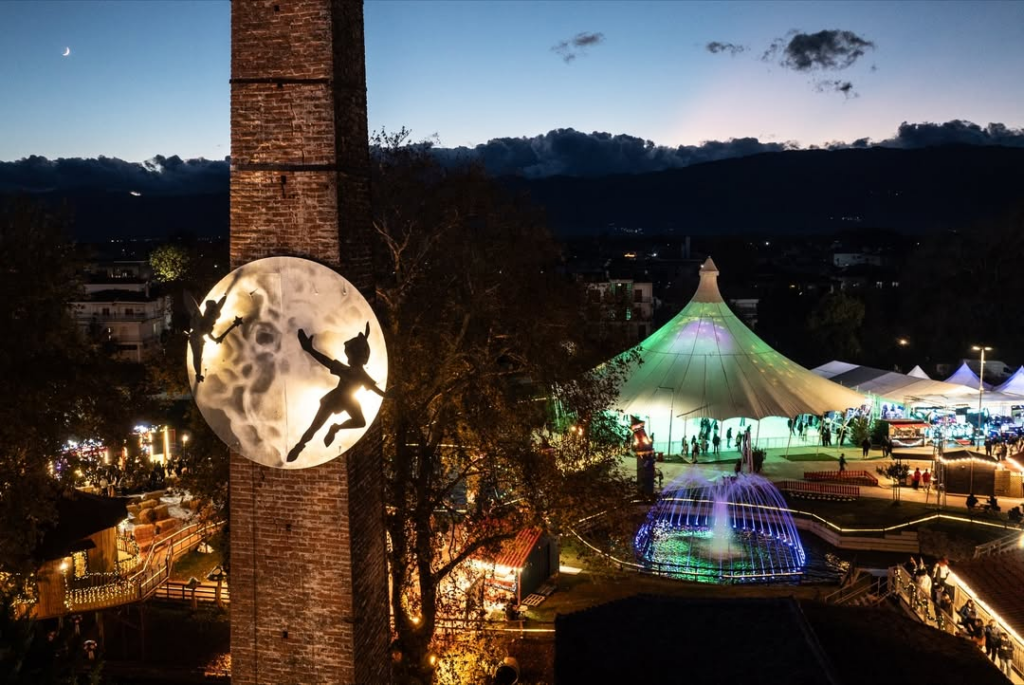
The scene feels almost cinematic: an old industrial building dressed in Christmas lights, filled with crowds, laughter, and long queues of children waiting for a photo with Santa Claus. The “Mill of the Elves” in Trikala is far more than a seasonal theme park—it quickly evolved into the city’s strongest brand. It also proved that you don’t need multi-billion-euro investments to create a “tourist landmark”: what you truly need is inspiration, organization, smart communication, and, of course, a few great workshops serving… loukoumades and hot chocolate.
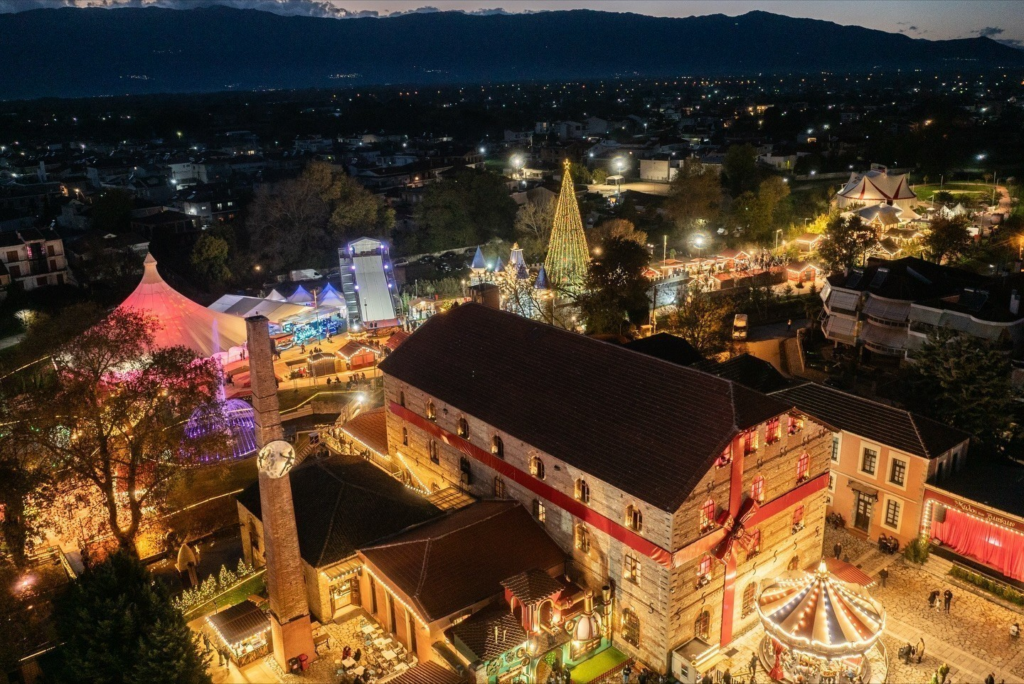
The idea that turned Trikala into a winter phenomenon attracting over 1 million visitors a year
Launched in 2011 and now running its 14th edition, the project gave Trikala a winter attraction that draws visitors from miles away—and it’s no exaggeration to say it reshaped the city’s entire economy. The numbers tell the story clearly. The most impressive figure is visitor volume: during the 13th “Mill” in 2024–25, a total of 1,205,108 people passed through its gates in just 39 days. When more than 10% of the country’s population visits a single area, the success—both emotional and economic—is undeniable.
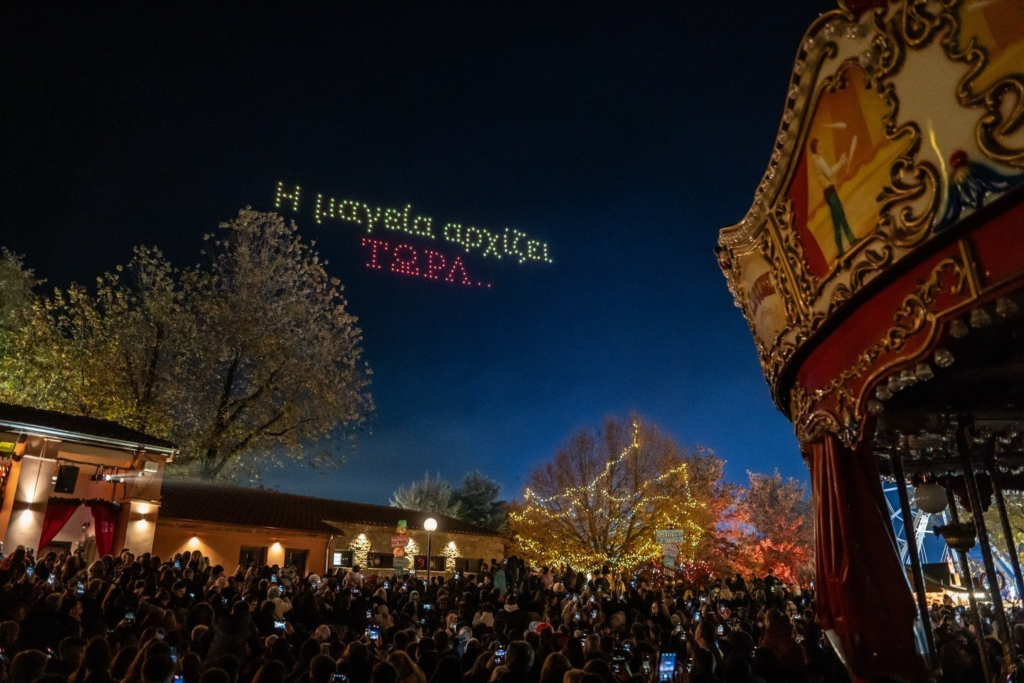
A fairy-tale city and a tourism magnet
Hotels, guesthouses, and Airbnb rentals show the most immediate impact. Reports from the 2024 holiday season revealed hotel occupancy rates above 95% and similar numbers for Airbnb listings, with room prices rising noticeably—ranging from €120 to €200 in hotels and even higher in some short-stay rentals. The “Mill” acts as a direct driver of lodging demand, enabling property owners to raise rates during peak days. With 532 active short-term rental listings and over 120 accommodation businesses in and around the city, the scale of the demand becomes clear.
Millions in turnover
Trikala became a standalone tourism destination, whereas for years it was simply a base for visitors heading to nearby mountain areas like Elati/Pertouli or even Meteora. Local restaurants and small businesses—especially those inside and around the “Mill”—benefit significantly. Food and drinks, games, photos, souvenirs, and various services all contribute to the economic boom.
Even though there is no single, official financial report summarizing the total annual turnover of the “Mill,” municipal announcements and journalistic estimates point to very large figures due to the massive visitor volume and high holiday spending. A conservative calculation is telling: 1.2 million visitors × €10–€20 average on-site spending (snacks, games, photos) equals €12–€24 million of direct consumption inside the park alone.
If we add accommodation, dining outside the park, and transportation, the estimate easily doubles—or even triples.
Seasonal employment engine
The “Mill” also creates clear seasonal employment: crowd management, performers, workshops, cleaning crews, security, medical staff, food vendors, parking support. Each year, e-Trikala and local media publish calls for hiring, confirming the recurring need for workers during its operational period. Last season, e-Trikala announced 380 seasonal positions, not counting external partners, technicians, suppliers, and professionals who support the park’s setup and artistic events. In reality, the number of people involved triples when all contributors are included.
The “Mill of the Elves” continues to act as a major economic driver for Trikala—especially during the festive weeks—boosting tourism, accommodation demand, and seasonal employment.
The “Mill of the Elves” in Trikala will operate until January 6, 2026, daily from 10:00 a.m. to 10:00 p.m.
Ask me anything
Explore related questions




