





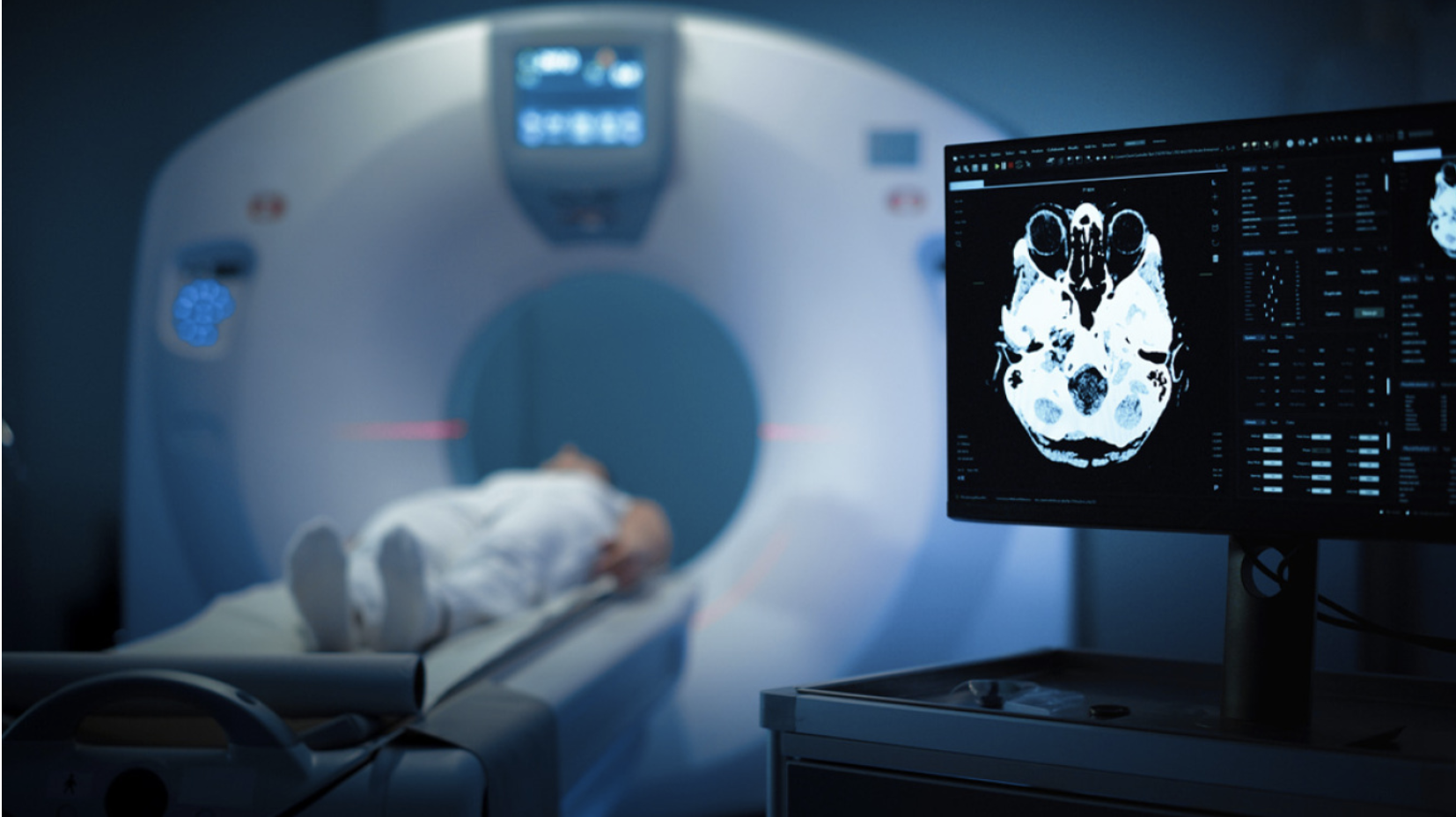
The appointments of twenty oncology patients scheduled for PET-SCAN exams at the University Hospital of Heraklion, some of which were booked as far as three months in advance, were cancelled today because the required radiopharmaceutical never reached PAGNI. The farmers’ protests and the occupation of the airport prevented the flight transporting the medication from Athens from departing.
The Nuclear Medicine department is now searching for ways to schedule new appointments as soon as possible, even by fitting patients in outside of normal hours, so that those who lost today’s appointments will not suffer an even longer delay. “I was ready to go to the airport myself, find a farmer who seemed to be the leader from his statements, and beg him to let the flight with the medicine take off,” said the head of the department, Professor Sofia Koukouraki, speaking to protothema.gr. She explained that the unit is already booking appointments for April. Among the patients who were called one by one by a nurse — from her home — last night to be informed of the cancellation, are individuals who need a PET-scan for cancer staging and determining their treatment plan.
It is noted that these radiopharmaceuticals, produced in Athens, are transported daily to Crete because they are highly sensitive materials.
The issue was brought to public attention through a Facebook post by Professor of Pulmonology at the University of Crete, Nikos Tzanakis. The picture he describes is disheartening. The questions he raises are relentless. He characteristically writes:
“Who raised these young people to turn the agricultural/livestock katsouna — a symbol of the holy toil and dignity of our grandparents — into a weapon of violence? Who legitimizes in their eyes the destruction of public and private property, including the cars of ordinary airport workers?”
The full text by Professor Nikos Tzanakis follows:
“Today, when I visited the PET-SCAN lab of PAGNI to collect my patients’ results, I was met with an unusual silence in a space that is normally buzzing with activity. I was informed that twenty scheduled appointments had been cancelled because, due to the airport occupation, transporting the radiopharmaceutical by air became impossible. Twenty oncology patients and their families are now anxiously waiting for a new appointment.
This ‘small’, perhaps for some, detail of yesterday’s events forced me into a harsh reflection: how is it possible that we destroy each other’s lives so recklessly? Who raised these young people so that they turn the agricultural/livestock katsouna — a symbol of the sacred labor and dignity of our grandparents — into an instrument of violence? Who legitimizes, in their eyes, the destruction of public and private property, even the cars of simple workers at the airport?
Perhaps the time has come for all of us to sincerely examine the share of responsibility that belongs to us. This responsibility does not fall on the honest and hardworking farmers and livestock breeders; it falls on Greek society as a whole. And whoever, taking advantage of the situation, attempts to target a specific social group is simply gravely mistaken. The real responsibility, though tragically individual, is in practice and literally absorbed into a collective one, leading all of us into destructive inertia and social apathy. So the next time we believe we are being wronged, we will become the momentary stick-wielders and stone-throwers who force suffering fellow citizens to postpone their critical medical exam.”
Ask me anything
Explore related questions




