
It was in the mid-2000s when veganism reached its peak. It was introduced to the wider public through celebrities like Beyoncé and Miley Cyrus, and combined with other wellness and lifestyle trends, it changed the way many consumers perceived their diet — and beyond.
Not just “clean” food, but a “clean” lifestyle
Without any animal ingredients such as milk, eggs, gelatin, fish oil, vegan products gradually began to fill the shelves of supermarkets and specialty stores. The interest in animal product substitutes was so strong that the wave of veganism swept through sectors unrelated to food: Clothing companies, accessories, and personal care products not only embraced vegans — at a time when most struggled to understand the reasons behind such a stance — but also created a “world” tailored to them. “Leather” for shoes, bags, outerwear, furniture, cosmetics, shampoos, moisturizers, and household items like candles, cleaners, and detergents began to carry the vegan certification on their labels.
It became clear that veganism is not just about what goes on the plate, but is directly connected to a lifestyle. After all, veganism is defined by Britannica as “the practice of abstaining from the consumption and use of animal products. While some vegans avoid only animal-derived foods, many others exclude any product that (in its production) involves animals as an ingredient or for testing.” Animal rights, environmental protection, health, and ethics are the main motivations for those who adopt this lifestyle.
By 2019, veganism had become mainstream: The first Veganuary encouraged consumers to try a vegan diet starting in January, a quarter of all new foods were labeled vegan, and sales of related products increased by 40%. The Economist magazine declared 2019 the “Year of the Vegans,” predicting that the influence of the millennial generation, concerns about health and climate change, demand for alternative dietary options, and greater availability in restaurants and stores would shape a different, “cleaner” future.
From Soy to Juicy Steak
And yet, just a few years later, this trend seems to be reversing. The focus has shifted back to meat, sales of major companies producing animal product substitutes have declined, and consumers have started buying more animal proteins.
More specifically, Beyond Meat, which produces products with sustainable and plant-based proteins, aiming to minimize environmental impact, has seen its customers drift away. With declining sales and layoffs, its stock price has collapsed from $239 in 2019 to $1.26 today. Revenues shrank to $70 million in the third quarter of 2025 (a 13.3% year-on-year decrease), while sales in 2020 reached $1.3 billion.
Impossible Foods has followed a similar path, with sales dropping from $465 million in 2021 to $326 million last year, as consumers returned to animal proteins. The overall market for plant-based substitutes has seen a significant decline, with retail sales of plant-based meat products falling by 7–18% in recent years. The expectation that plant-based meat could achieve the success level of milk substitutes like plant-based beverages has not been confirmed.
From Soy Back to Meat: Why Vegan Products Are Going Out of Fashion
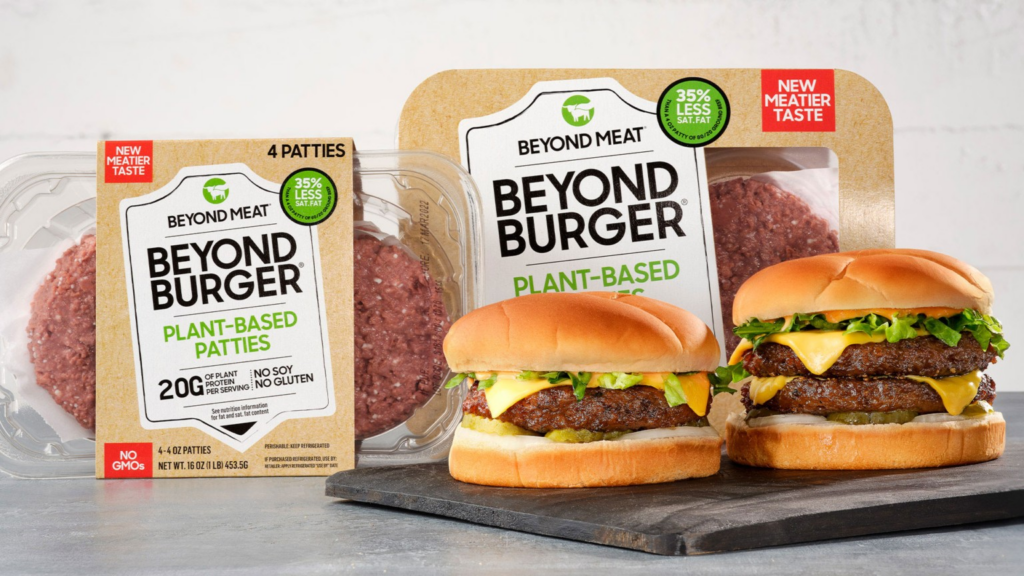
With the vegan trend receding, Beyond Meat’s stock plummeted from $239 in 2019 to $1.26 today. www.beyondmeat.com
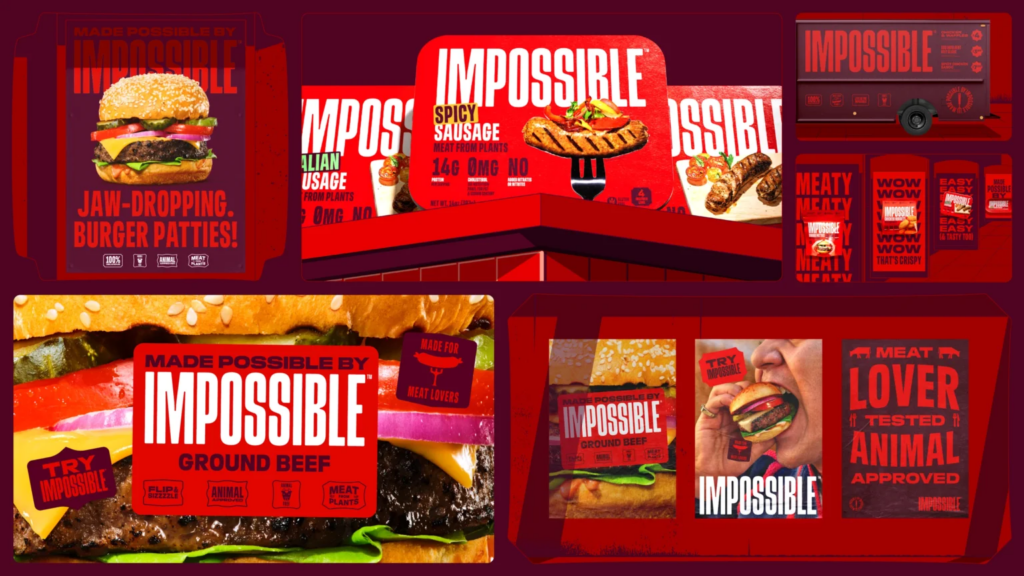
Impossible Foods’ sales dropped from $465 million in 2021 to $326 million last year. www.impossiblefoods.com
Why Are Consumers Turning Back to Animal Products?
Why, then, are consumers moving away from plant-based products? Questions have arisen about how healthy these products actually are and how much processing is required to make them. At the same time, their cost is usually higher, or simply consumers do not like or are not used to their taste.
According to an international survey commissioned by a vegan products company cited by the BBC, 40% of respondents reduce or eliminate alternative meat from their diet. Almost half (47%) cited taste as the main reason, 36% pointed to artificial additives, and 36% to the processing of the products. The British network notes that major UK supermarket chains have reduced the number of these products by 10.9%.
Public interest is turning back to traditional protein sources, making diets high in meat content popular again. According to a 2024 study by the International Food Information Council (IFIC), 71% of American adults said they were trying to increase protein intake, compared to 59% in 2022. At the same time, sales of protein-enriched products — bars, powders, drinks — rose by 24.2% last year. A report by the Food Marketing Institute (FMI) and the Meat Institute states that meat sales reached a record $104.6 billion in 2024.
The New York Times notes that, on average, Americans consumed nearly 7% more meat last year than before the pandemic, while the percentage of those trying to reduce it dropped to 22% — the lowest in at least five years. In short, meat no longer seems to be “demonized.”
It’s Not the End of Vegan Products
All this, however, does not mean the end of veganism or meat alternatives. The fact that vegan and vegetarian choices release significantly fewer greenhouse gas emissions is expected to steer consumers back toward a “green” diet. Additionally, potential future food shortages due to overpopulation may again push consumers toward plant-based alternatives.
Ask me anything
Explore related questions