British Museum: Loans of up to 3 years are its new model for antiquities removed from other countries – What it plans to do with the Parthenon Sculptures
It was inaugurated a few days ago with the transfer of 80 exhibits, including Greek ones, to a museum in Mumbai
Newsroom
Δείτε περισσότερα άρθρα μας στα αποτελέσματα αναζήτησης
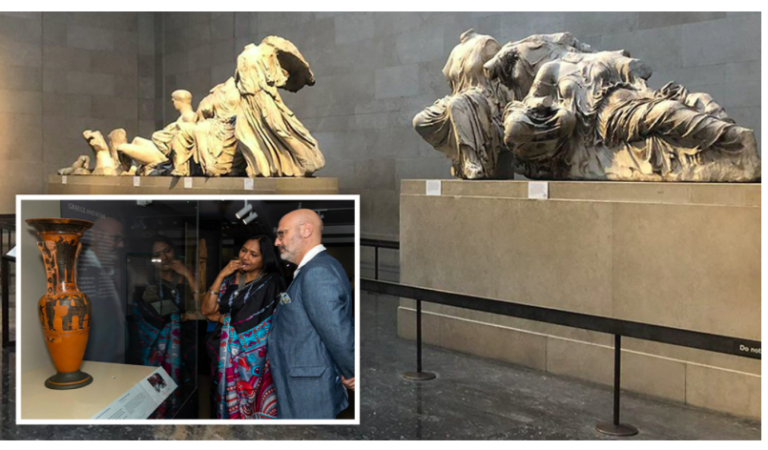
Loans of antiquities originating from other countries for a maximum duration of three years: this is the new model promoted by the British Museum in response to global pressure for the repatriation of cultural artifacts, such as the Parthenon Sculptures, to their countries of origin.
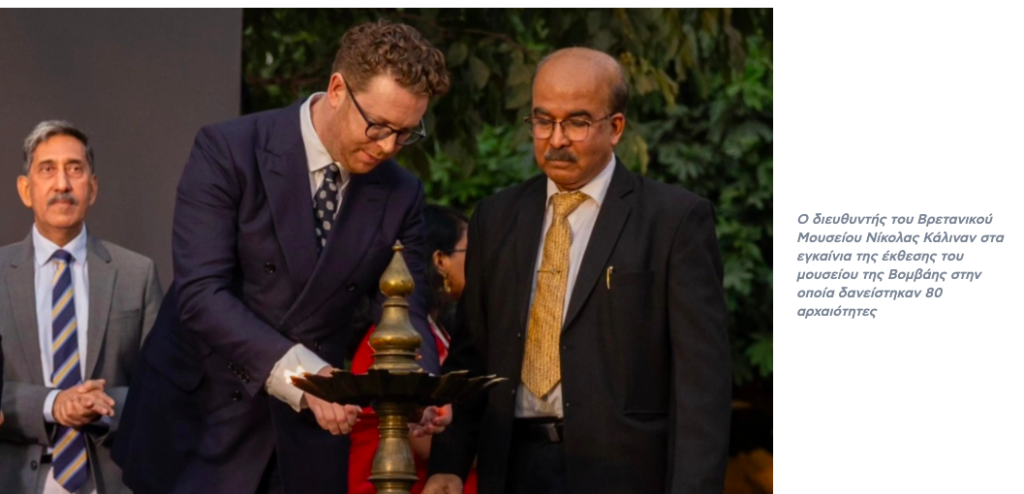
This model was launched a few days ago with the loan of 80 ancient Indian, Egyptian, Roman, and Greek artifacts to India for a new exhibition that opened on December 13 at the Chhatrapati Shivaji Maharaj Vastu Sangrahalaya (CSMVS) in Mumbai, in the presence of British Museum Director Nicholas Cullinan.
Nicholas Cullinan stated pointedly to The Telegraph:
“Loans will not put the United Kingdom in a difficult position and will constitute a new model for addressing colonial restitution. We do not need to shame our country in order to do something positive with another country.”
He added emphatically:
“Cultural diplomacy – this is what museums should be doing.”
Nevertheless, the British Museum director made it clear—albeit diplomatically—that proposals for the permanent return of antiquities from its collections to their countries of origin are not accepted, although negotiations are not being discontinued.
“There is another model, a much more positive model of cooperation than this zero-sum, binary, all-or-nothing approach that people suggest. We believe the model we are developing is very positive and very innovative,” he said.
He clarified further:
“Each case is different. You can never apply the same criteria to two different cultures, countries, or regions. Some cases are more difficult than others. But we continue to try.”
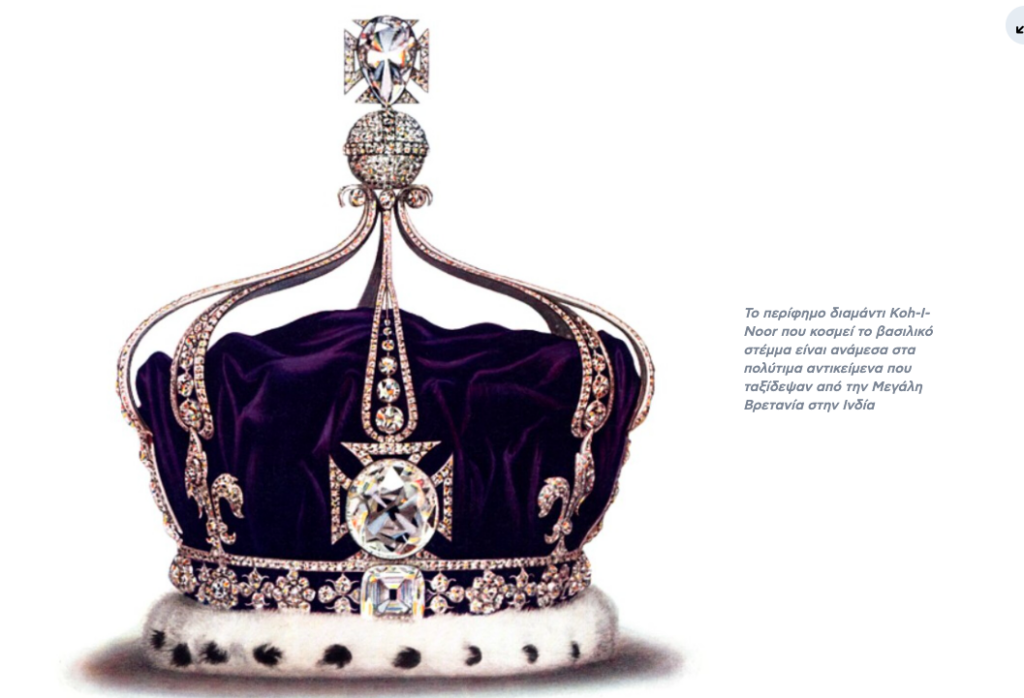
The famous Koh-i-Noor diamond, which adorns the British royal crown, is among the valuable objects that traveled from Great Britain to India.
Clearly, time-limited loans are the most advantageous and least disruptive solution to the problem of persistent claims by other countries for the return of their antiquities. There are many similar cases beyond the Parthenon Sculptures, such as the Benin Bronzes, claimed by Nigeria.
The loan of the 80 antiquities to the Mumbai museum—essentially inaugurating the British Museum’s new long-term loan policy—was presented as an effort to promote decolonization. However, it appears this will be the alternative proposal offered to all interested parties, possibly with variations in loan duration.
It is not coincidental that the British Museum’s director recently visited Nigeria and China and is planning a visit to Ghana.
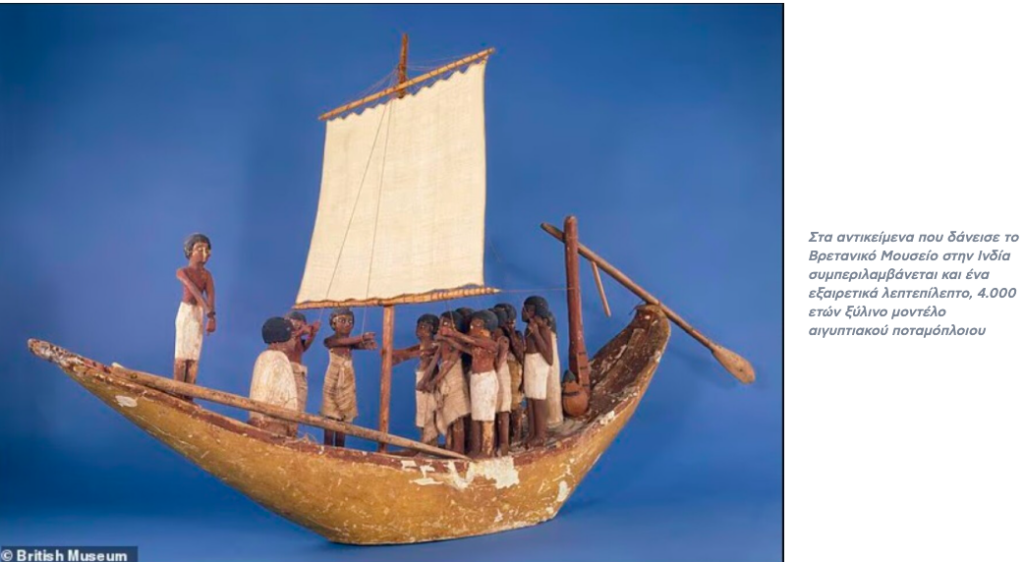
Among the objects loaned to India is an exquisitely delicate, 4,000-year-old wooden model of an Egyptian riverboat.
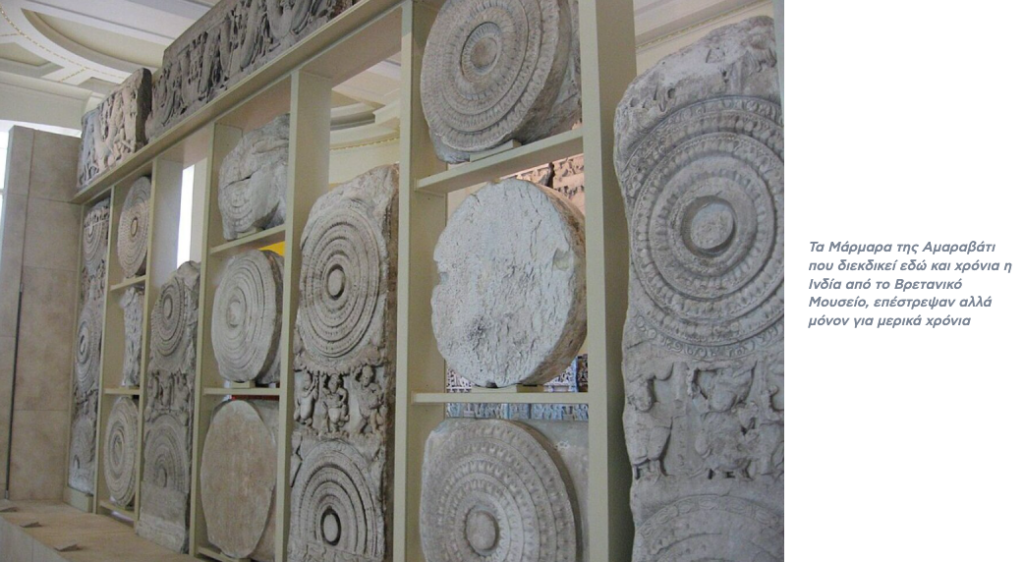
Some countries, such as India, which had claimed valuable archaeological treasures from the British Museum—including the Amaravati Marbles and the Koh-i-Noor diamond—have accepted this proposed solution, which does not constitute restitution but rather cooperation.
The Amaravati Marbles, which India has claimed for years, have returned—but only for a limited number of years.
Greece, however, has repeatedly stated through official channels that it will not accept any solution that includes the word “loan, as this would automatically imply recognition of British ownership of the Parthenon Sculptures.
Nevertheless, the Greek side continues to keep communication channels open with the British Museum, which periodically expresses optimism about finding a win–win solution.